
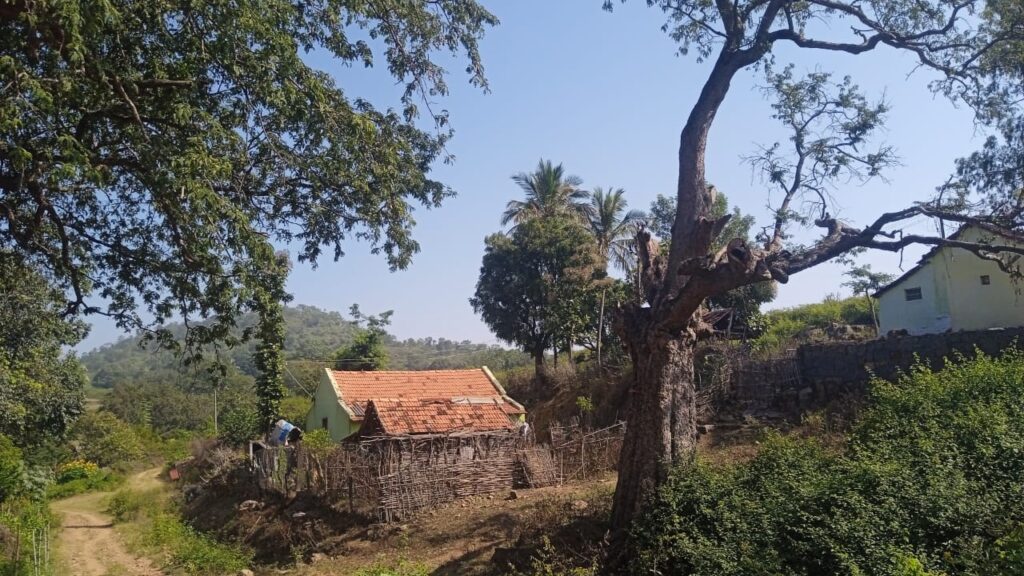
R S Tejus @ Chengadi:
A village that carries history on its back, Chengadi is not just a village inside the Malai Mahadeshwara Hills. But it is a living archive of how forest-dwelling communities have endured generations of neglect, danger, and administrative silence, often in the name of human-wildlife co-existence, but without the benefits of governance.
Chengadi Kariyappa, the chieftain of the village, now in his mid-seventies, says the story of Chengadi is vast and deeply revealing. It goes back to the British period, when the forests of Kollegala were under what is now Tamil Nadu. In those days, the Conservator of Forests used to come from Coimbatore. Kariyappa recalls that his father would physically carry the Conservator through the dense forests of the Malai Mahadeshwara Hills. The officer was called “Dorai”—a term reserved for unquestioned authority. This was before horses even entered the picture.
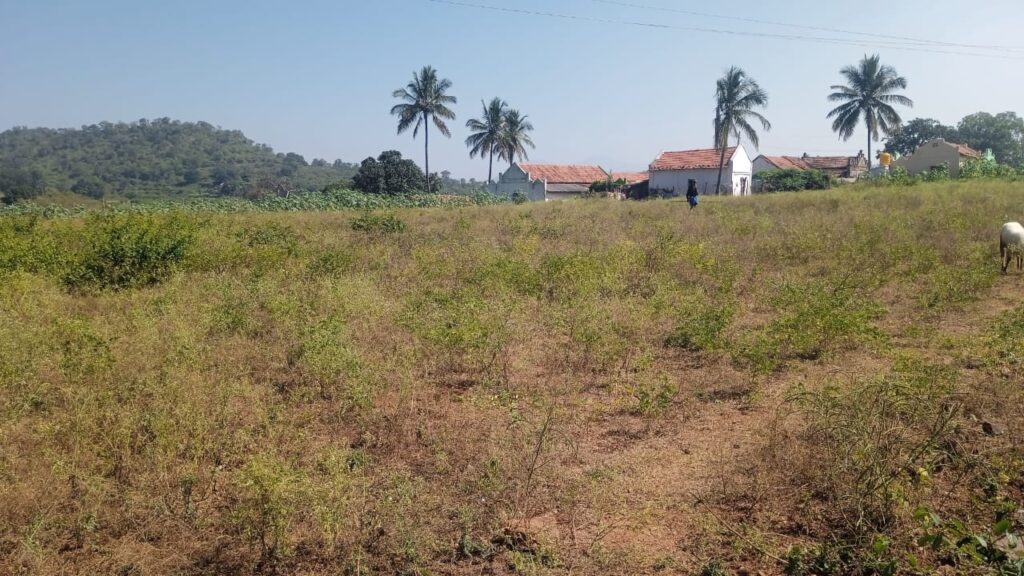
Later, forest officers came on horseback. But the villagers themselves continued to live with almost nothing. Donkeys were used to carry ration and essentials. There were no roads, no healthcare, no toilets, and no reliable access to education. Chengadi had one school, which eventually shut down. Today, there is nothing.
This is not nostalgia. It is a record of deprivation. Living inside an elephant forest without protection Chengadi lies deep inside an elephant landscape. The Malai Mahadeshwara Sanctuary, spread across more than 90,000 hectares, is a contiguous forest supporting elephants, tigers, leopards, dholes, sloth bears, hyenas, gaur, and other wildlife.
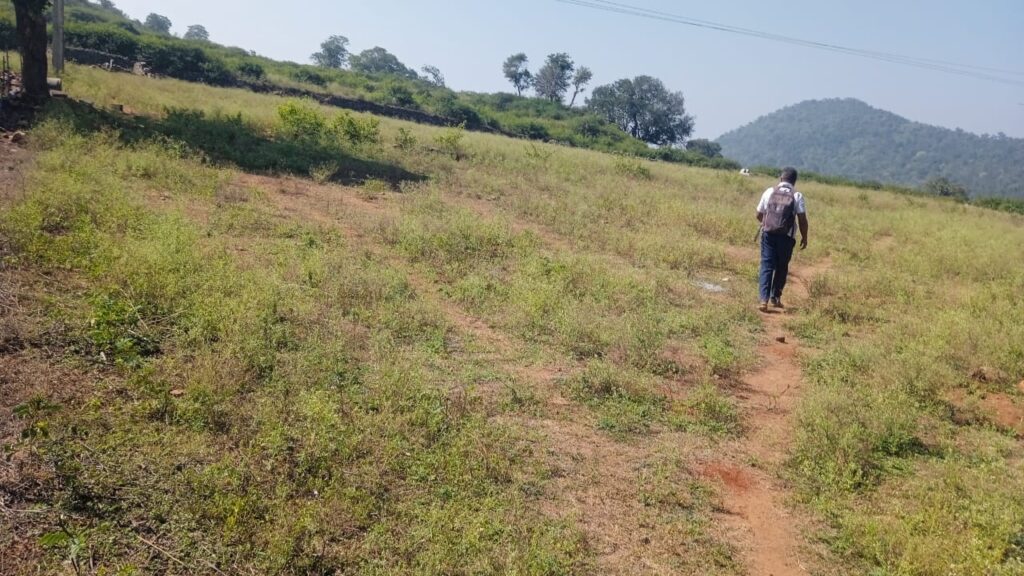
For Chengadi’s people, living here was never a romantic idea of coexistence. It was fear—daily, real, and unrelenting. Kariyappa says they have lived their entire lives fearing wild animals. Several lives were lost over the years, not just to wildlife conflict but also due to the complete absence of healthcare and emergency access.
Just a few years ago—not decades—donkeys were still being used to carry ration, grains, and essential materials into Chengadi village. Chengadi Kariyappa and other villagers would load supplies onto donkeys and walk long distances through forest paths because there was no road access. This was daily life in a village officially located inside a protected area of Karnataka.
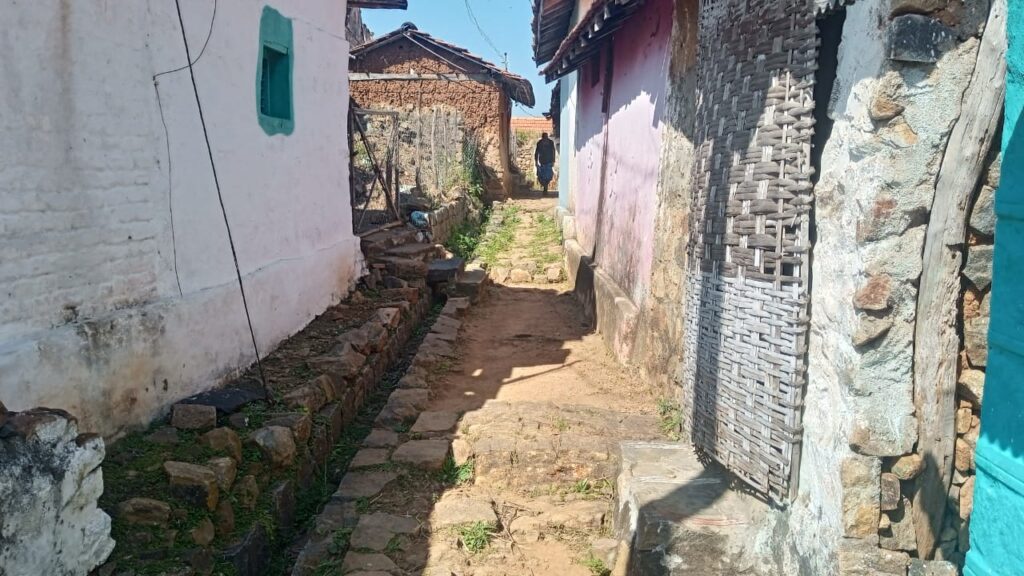
In an era of highways, digital governance, and policy frameworks, Chengadi continued to survive without even the most basic physical connectivity. This single fact strips away every illusion surrounding “peaceful coexistence”.
Conservation existed. Governance did not.
When democracy failed, protest began.
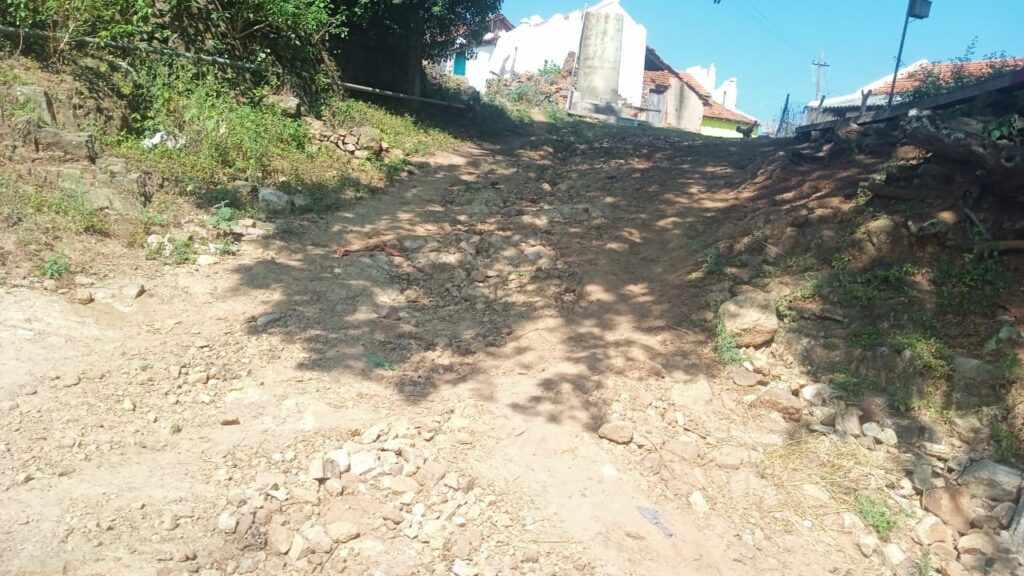
In 2019, Chengadi took an extraordinary step. Under Kariyappa’s leadership, the entire village boycotted the Zilla Panchayat elections. This was not political drama; it was desperation.
The villagers believed there was no point in participating in elections when none of their problems—healthcare, education, sanitation, safety—were ever addressed.
The boycott caught the attention of the district. Leaders from various Raita Sangha organisations visited Chengadi to understand why an entire village had rejected electoral participation. After hearing the grievances, the Raita Sangha stood with Chengadi and joined the protest.
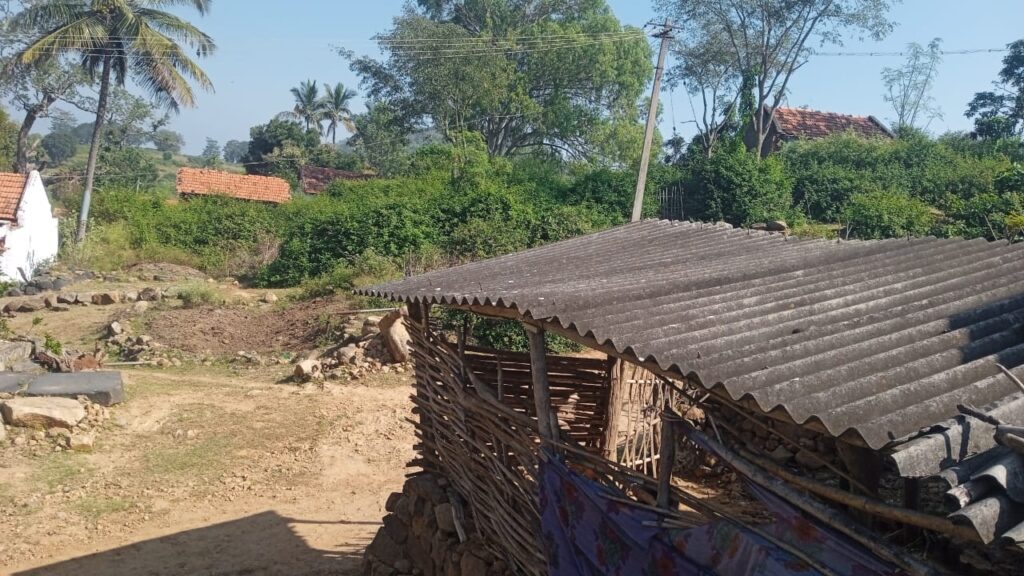
That boycott became the first real turning point.
From protest to promise: the birth of voluntary relocation
It was only after sustained pressure that the Forest Department formally asked the people of Chengadi whether they would be willing to consider voluntary relocation outside the forest, with assurances of access to healthcare, education, roads, electricity, and basic dignity.
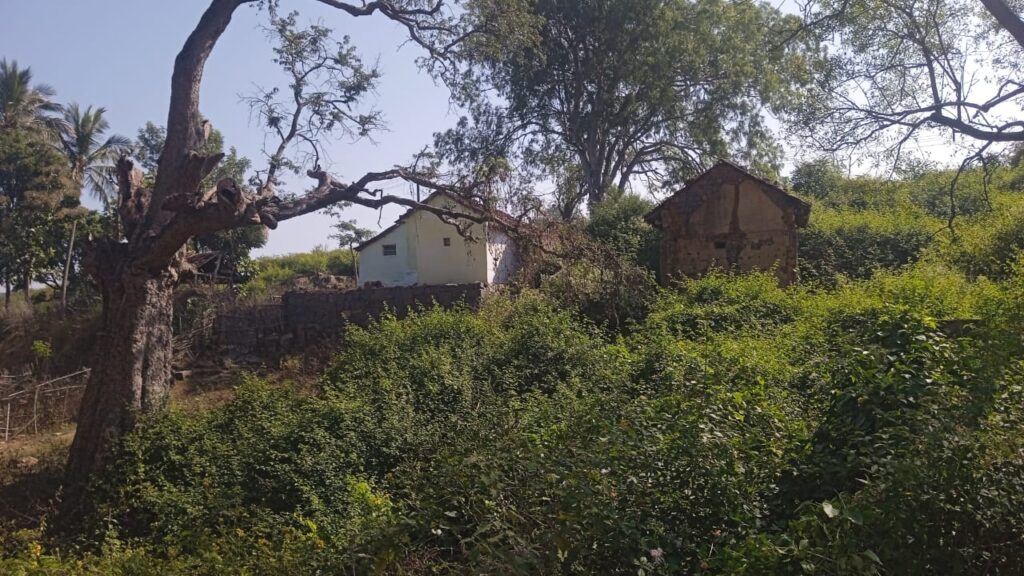
To build confidence, villagers were taken on a visit to Nagarahole, where relocation had already taken place. Seeing functioning rehabilitation sites changed the conversation. Chengadi Kariyappa then took the responsibility of convincing his people that voluntary relocation was the only realistic path left for survival and dignity.
A renowned conservationist, closely familiar with the landscape, summed it up bluntly:
“Voluntary relocation is a must for a win-win solution. People of Chengadi deserve the same standards of living as the rest of us.”
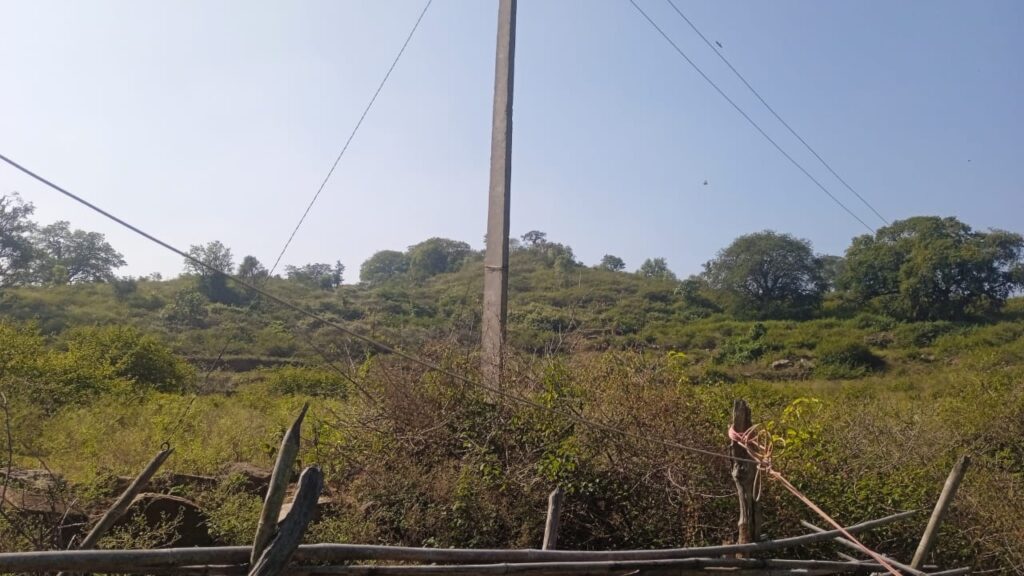
The dangerous romance of “coexistence”
There is also a troubling narrative doing the rounds—pushed by a section of pseudo conservationists, scientists and others that people and wildlife can coexist peacefully inside forests and that relocation must therefore not happen. What is shocking is that many of those advancing this argument today were once authors of peer-reviewed scientific papers that clearly documented how forced coexistence harms both wildlife and humans.
Why, how, and under what pressures this drastic intellectual turn happened is known only to them. Coexistence, in its romanticised form, is a myth. One must ask basic questions: how will roads, schools, colleges, hospitals, cinema theatres, bars, electricity infrastructure, and markets be provided inside forests? If all these facilities are created, will the forest remain inviolate? What theory of conservation allows this contradiction?
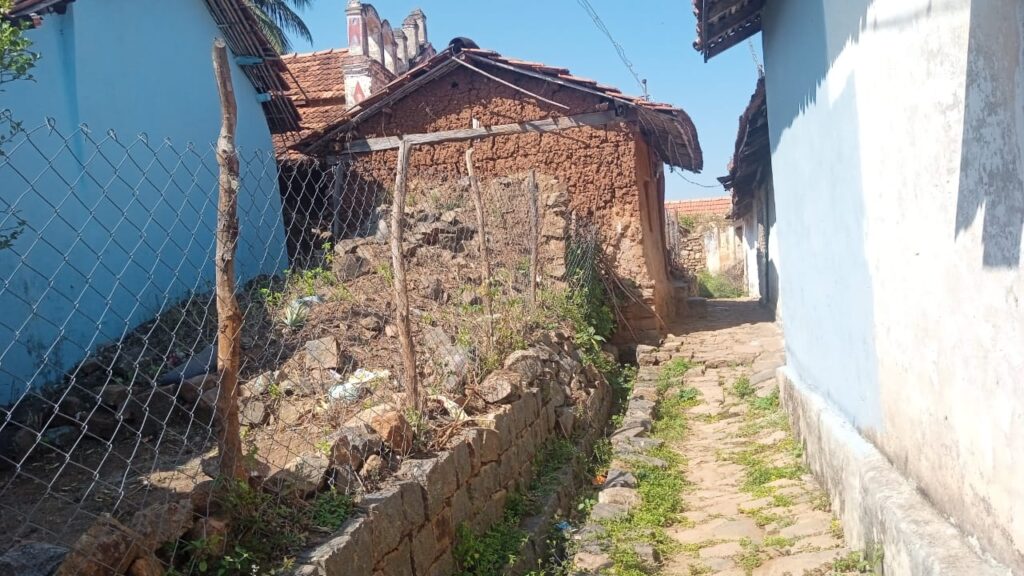
Forests and wildlife are essential for human survival—for water security, oxygen, climate regulation, and countless ecological services. Degrading forests in the name of coexistence is one of the biggest blunders we can commit. At the same time, forest-dwelling communities unquestionably deserve better healthcare, education, mobility, and dignity. But these must be provided outside forests, not inside them.
This is not anti-people or anti-conservation—it is the only win-win solution that protects both human lives and ecological integrity.
This is the ethical core of the issue.