
R S Tejus:
The National Green Tribunal (NGT), Southern Zone, Chennai, has passed an interim order restraining helicopter tourism operations over Mullayanagiri, Karnataka’s highest peak, while permitting limited heli-tourism over Chikkamagaluru city. The Tribunal’s decision comes amid growing concerns over wildlife disturbance, noise pollution, eco-sensitive zone (ESZ) norms, and the broader ecological fragility of the Chikkamagaluru landscape.
The order was delivered in Original Application No. 260 of 2025 (SZ), filed by Mohammed Zabibulla against the Department of Tourism, Government of Karnataka, and other respondents, including Thumby Aviation Private Limited, the private operator associated with the heli-tourism programme. The Bench comprised Justice Pushpa Sathyanarayana, Judicial Member, and Dr. Prashant Gargava, Expert Member.
Tourism push triggers legal challenge
The case was triggered following a communication dated December 16, 2025, issued by the Tourism Department promoting heli-tourism activities in Chikkamagaluru district as part of Christmas and New Year celebrations. As per official records placed before the Tribunal, the proposed helicopter joyrides were scheduled to operate from December 20, 2025 to January 6, 2026.
Two separate aerial tourism packages were proposed: Chikkamagaluru Aerial View, and Mullayanagiri Aerial View.
The applicant approached the Tribunal seeking a permanent injunction to restrain heli-tourism operations in and around Chikkamagaluru, Mudigere and Mullayanagiri, citing the proximity of these regions to Kudremukh National Park and the Bhadra Tiger Reserve and Sanctuary.
Ecological sensitivity and ESZ concerns
The applicant raised serious environmental concerns, arguing that helicopter operations over hill landscapes would result in high-decibel noise, aerial intrusion and repeated disturbance to wildlife movement, bird nesting sites, and fragile habitats. It was highlighted that Mudigere and adjoining regions lie close to protected forests and buffer zones, making aerial tourism particularly risky.
The Tribunal recorded that Eco-Sensitive Zones for the concerned protected areas are yet to be formally notified, and therefore, the default 10-kilometre ESZ norm applies. This observation formed an important environmental backdrop to the interim order.
During the hearing, reference was also made to proceedings before the Karnataka High Court in W.P. No. 53985 of 2018 (GM-FOR-PIL), wherein directions were issued to consider declaring the Mullayanagiri region as a Conservation Reserve, recognising its ecological importance and its link to the Bhadra Tiger Reserve landscape.
Approvals questioned, impacts acknowledged
The applicant contended that heli-tourism activities had commenced without mandatory approvals from forest and environmental authorities. While the Tribunal stated it was unable to accept the contention that the venture began without any approvals whatsoever, it made a crucial observation that helicopter flying produces loud noise, and if such activity is carried out in eco-sensitive areas, it may adversely affect living beings and air quality.
The Bench acknowledged that heli-tourism is a commercial activity offering panoramic views and joyrides, but emphasised that environmental sensitivity and location-specific risks cannot be ignored.
Objection narrowed during hearing
A key development during the proceedings was the applicant’s clarification that there was no objection to heli-tourism over Chikkamagaluru city limits. The objection was specifically restricted to Mullayanagiri and other ecologically sensitive hill regions, including areas close to protected forests and their buffers.
Counsel appearing for the Tourism Department sought time to verify facts and file a detailed reply. However, given the imminent start of operations and the sensitivity of the landscape, the Tribunal proceeded to issue interim directions.
Interim order: what is allowed, what is stopped
Taking into account the environmental sensitivity, the Tribunal ordered that:
Heli-tourism under the “Mullayanagiri Aerial View” shall not be carried out, and
Heli-tourism under the “Chikkamagaluru Aerial View” is permitted.
The applicant was directed to serve copies of the application and supporting documents on the standing counsel for the respondent authorities. The matter has been posted for further hearing on January 9, next year.
Concerns even within the permitted zone
Conservationists caution that even the permitted Chikkamagaluru city aerial route is not free from ecological risks. The city and its surroundings are dotted with multiple lakes and waterbodies, many of which serve as seasonal and permanent nesting and resting grounds for migratory and resident birds. Repeated helicopter flights over these areas could lead to significant disturbance to avifauna, altering nesting behaviour, flight patterns and habitat use, particularly during winter migration periods.
Sridev Hulikere, Managing Trustee of WildCAT-C, said, “It is extremely important for us to protect our last remaining fragile landscapes from any sort of disturbances. Flying helicopters over the hills would disturb wildlife and no one knows what the consequences could be.”
Larger implications for conservation and tourism governance
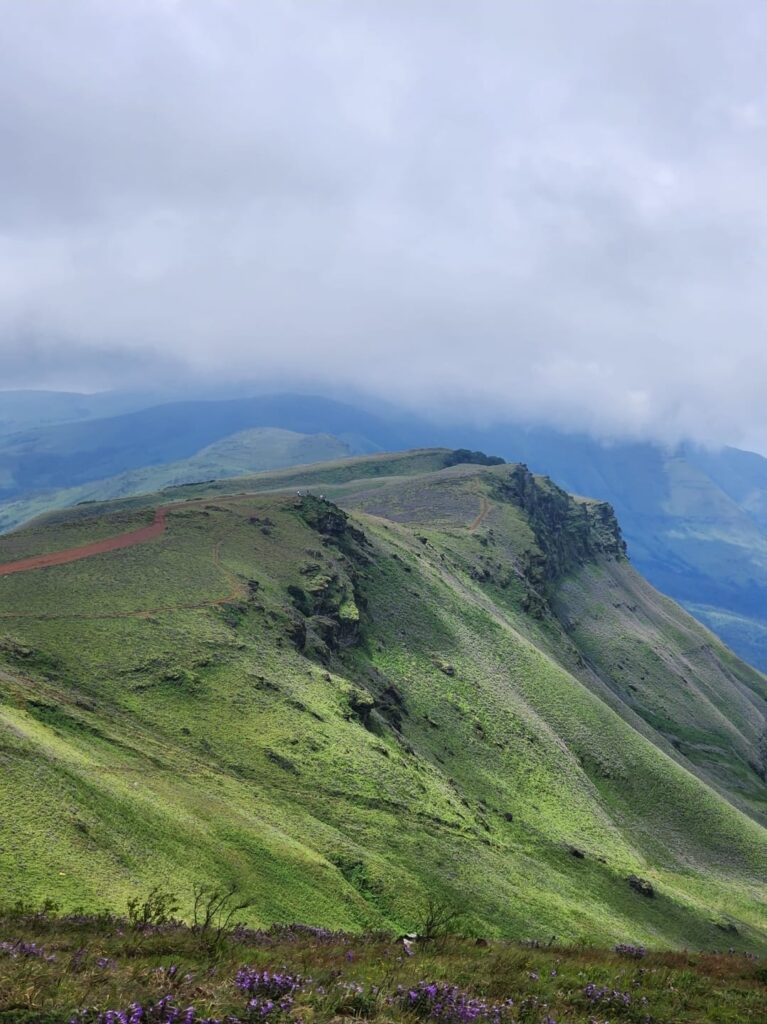
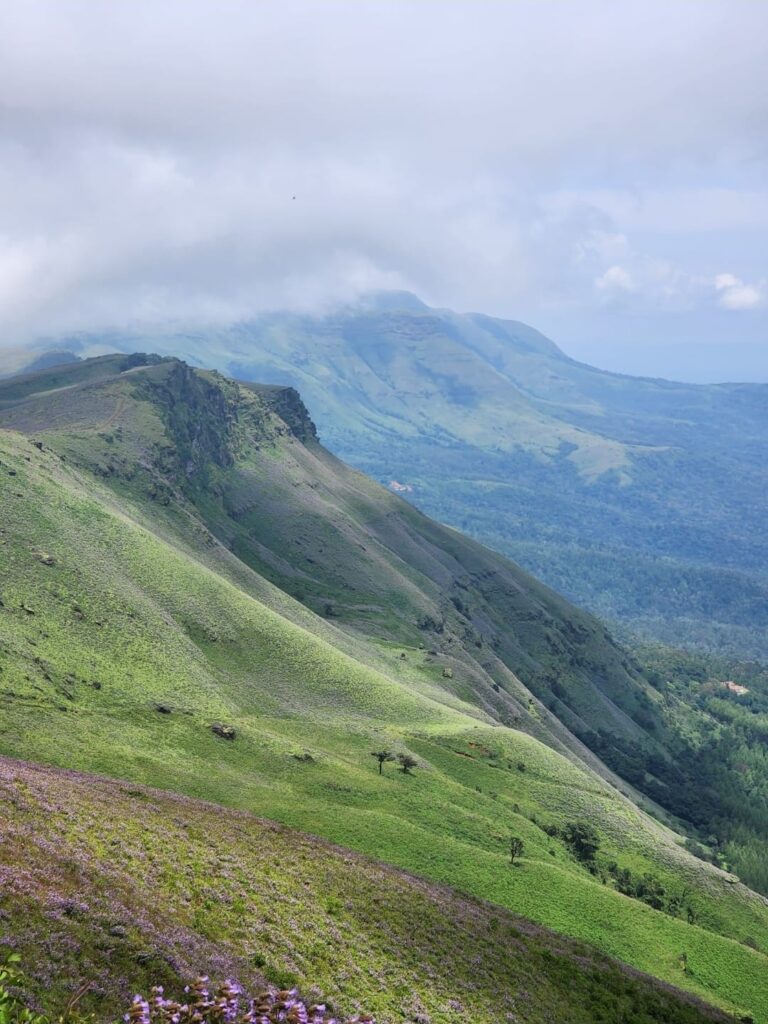
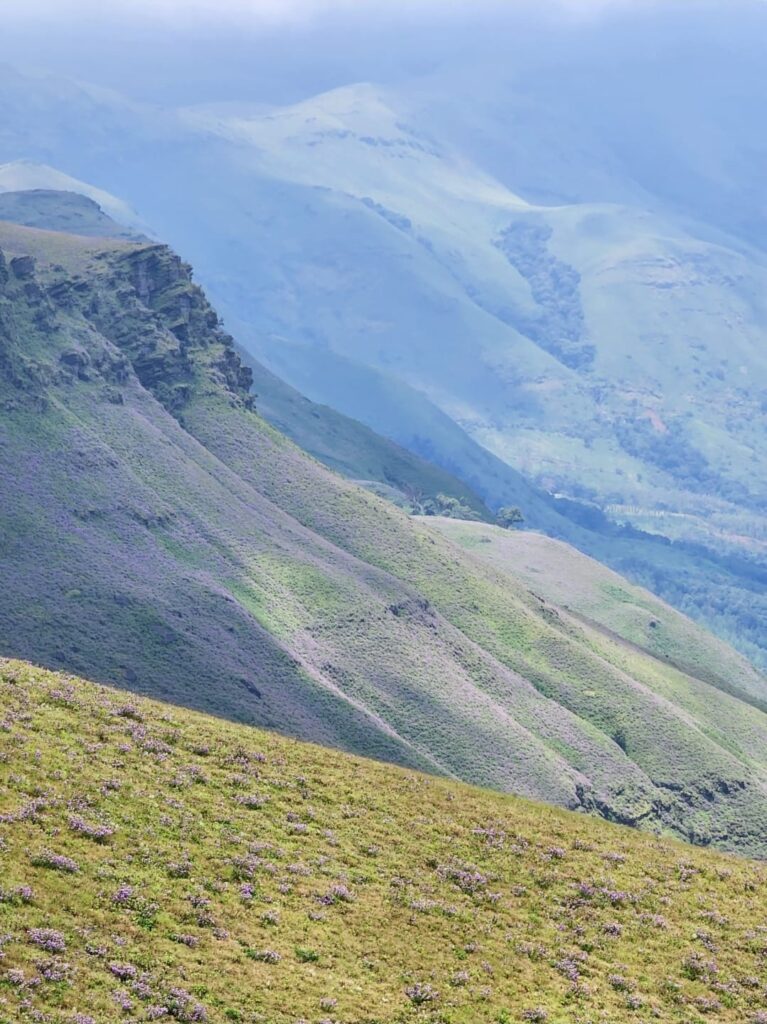
Mullayanagiri, the highest peak of Karnataka, forms part of the Chandradrona hill range, a landscape that plays a critical role in supporting wildlife, forest connectivity and regional water systems in the Western Ghats. The interim order brings renewed attention to how tourism activities are increasingly being introduced into sensitive natural areas without adequate assessment of cumulative impacts. While the Tribunal has permitted limited heli-tourism over the city, the restraint imposed over Mullayanagiri signals that ecologically sensitive landscapes cannot be treated as recreational airspace.
( PHOTO CREDIT: ALL IMAGES BY CHETHAN I N )