
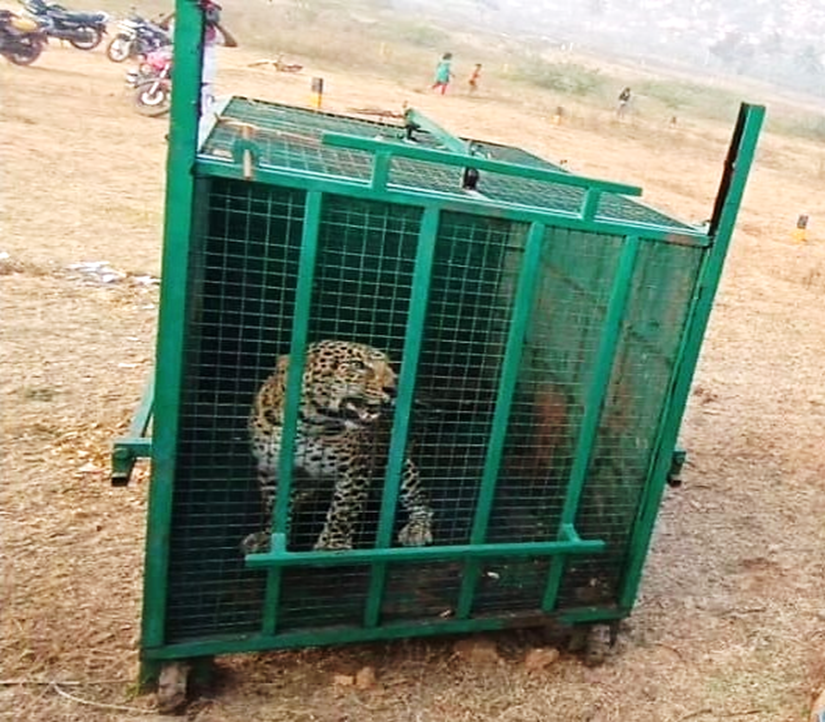
HOSABENEKAL, GANGAVATHI TALUK, KOPPAL DISTRICT, KARNATAKA
Meera Bhardwaj:
The sighting of a leopard at Hosabenekal village near the Hirebenekal Megalithic Site has shown how biodiversity rich is the area around this pre-historic necropolis in Karnataka. With local villagers complaining that the female leopard was injured and was traversing around very close to a school and some shelters, the big cat was caged on January 5th by the Karnataka Forest Department.
Since the leopard was alleged to have sustained some injuries, it was captured in Hosabenekal village which is about 4.5 kilometres from the Hirebenekal Megalithic Site. Range Forest Officer (RFO) Chaitra told Green Minute News, “For the past 3-4 days, complaints were received from the villagers that a leopard was roaming around and was limping. Further, it was sighted around Morarji Desai Residential School where hundreds of students’ study and it was risky as people had claimed it was an injured leopard. So, we took the decision to capture it after receiving permission from senior forest officers.”
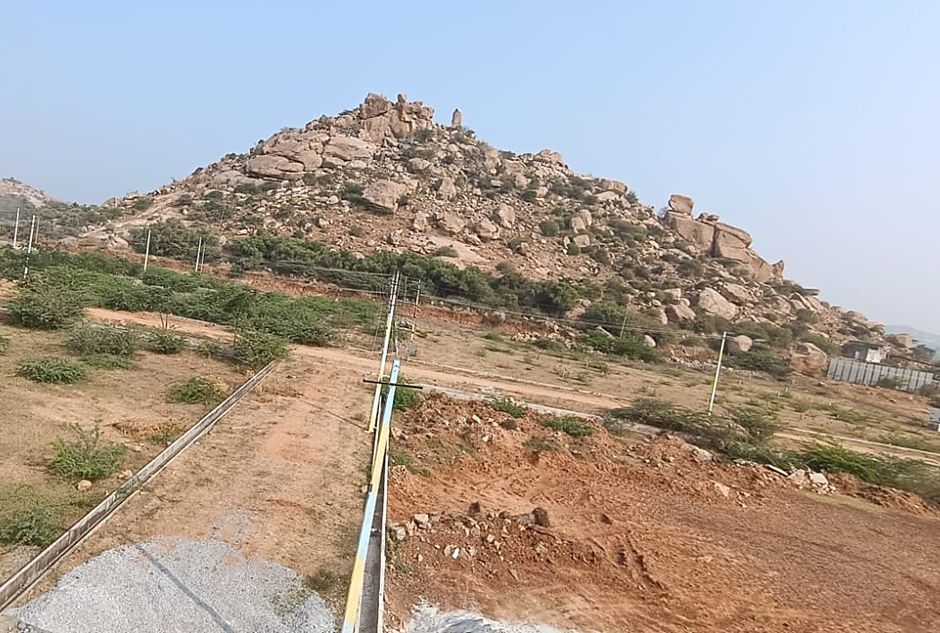
The RFO added, “Since it is a dry season, the leopard must have come for an easy prey. After caging it, we shifted the leopard to a forest area. It was kept for one day for observation. We found that it had an old injury that had healed. Medical examination by our vet revealed its canines were intact and there were no signs of limping and it was fit for release. The next day, three-year-old female leopard was released in a safe place.”
Naturalist & history buff Manjunath Doddamani said, “People are very patient and tolerant here but when the leopard came to the road and was very near to the small huts – we decided to inform the RFO here. The Hosabenekal village is about 4.5 kilometres from the Hirebenekal Megalithic Site and the leopard was sighted near the Koppal-Raichur highway. All the area around here which is a reserve forest is very rich in wildlife, diverse species and of course, pre-historical dolmens, paintings, caves, etc.”
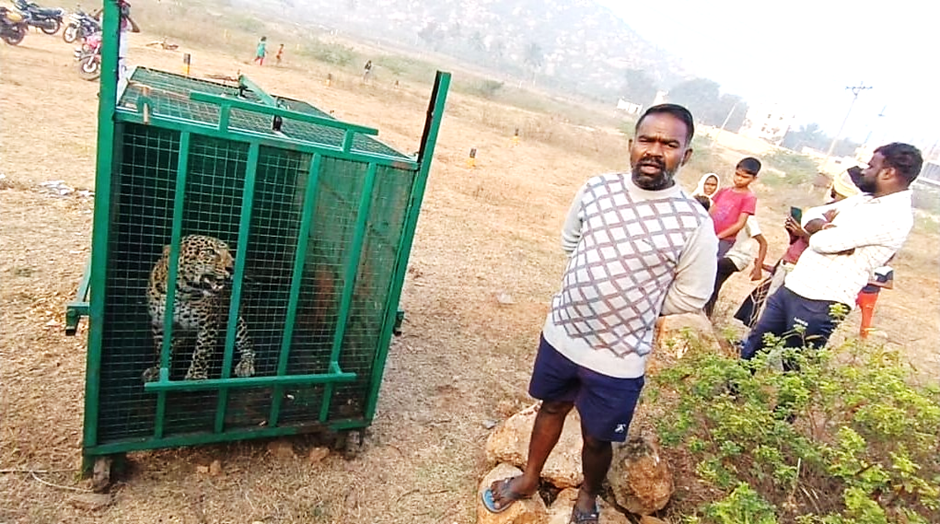
Badri, local resident and guide from Hirebenekal village added, “Although we are aware that Hirebenekal is home to leopards, sloth bears, hyenas, and a variety of reptiles and birds but this is the first time in many years that a leopard has come so close to the village.”
ASSESSMENT OF LEOPARDS
According to forest officials, Gangavathi Range is home to leopards, sloth bears and other wildlife. Recently, as part of All India Tiger Estimation 2026, the number of leopards was assessed on January 5, 6 and 7 in Gangavathi Range falling under Koppal Division while in February, camera trapping will be done, the RFO informed.
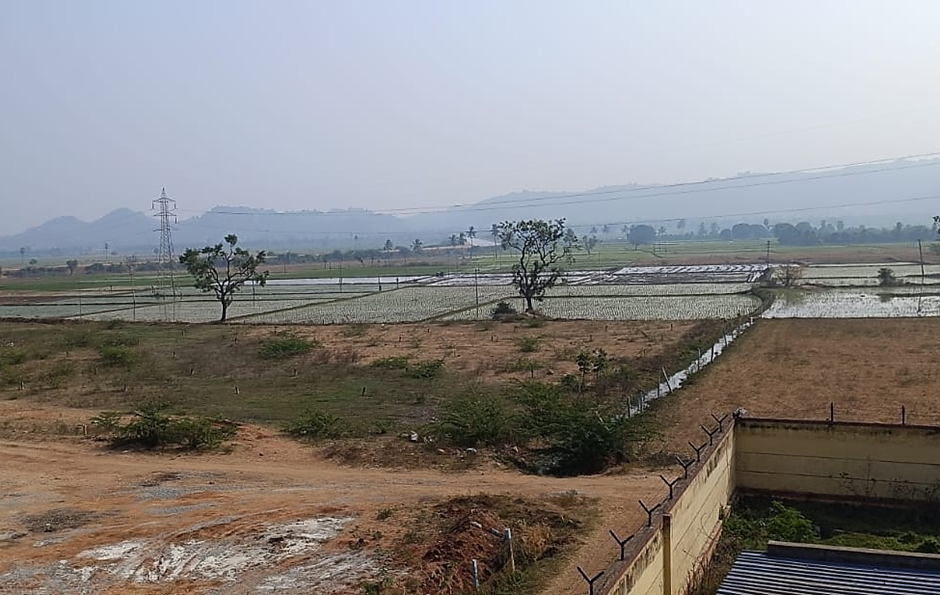
The Gangavathi Range has a healthy population of both sloth bears and leopards, however, not much conflict is seen in these parts compared to south interior parts of Karnataka. Forests in Gangavathi taluk are primarily Deciduous Scrub forests, characterized by thorny bushes and sparse trees, supporting diverse flora & fauna.
Gangavathi RFO said, “Every week, we pay compensation for crop damages caused by sloth bears and cattle kill by leopards. However, no issues have been created here as people have a lot of tolerance towards wildlife while we respond immediately to crop damages and pay compensation. Patrolling is done regularly as it is a bear & leopard landscape and further, awareness campaigns about wildlife and fires in this dry, thorny scrub forest is also being done.”
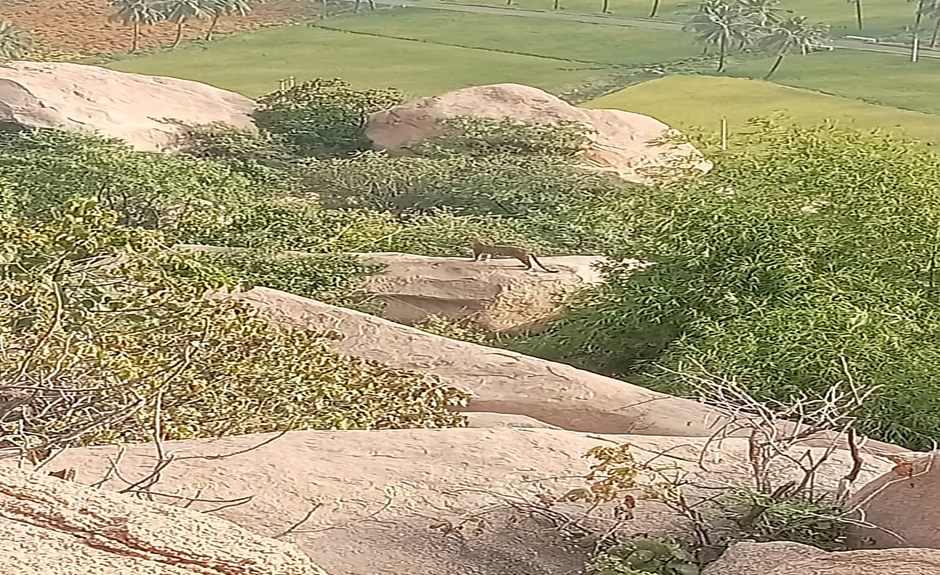
BIODIVERSITY-RICH HIREBENEKAL SITE
The Hirebenekal Megalithic Site, Gangavati taluk, Koppal district, Karnataka which is just about 42 kilometres from the World Heritage Site of Hampi, is also home to a variety of floral and faunal species. Many naturalists and people who have visited this pre-historic site have reported and observed the scats of both leopards and sloth bears in this site and also different types of birds, reptiles including snakes. There is need for faunal studies in this site, says, Pompayya Malemath, naturalist from Kamlapur.
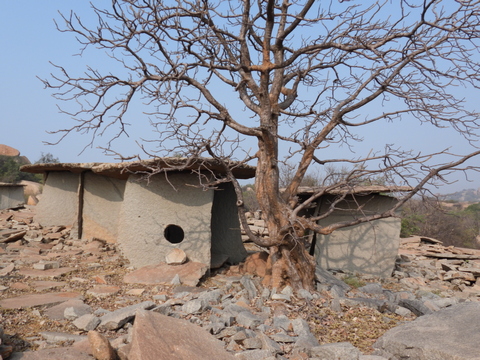
Since 2021, Hirebenekal Megalithic Site has been on UNESCO’s World Heritage Site tentative list as it is home to 400 dolmen structures that are more than 2500 years old while its rock art paintings are more ancient and are yet to be radiocarbon dated. However, apart from being an ancient archaeological site, Hirebenekal which is located inside a “reserve forest” has a rich biodiversity with rich floral and faunal diversity.