
Meera Bhardwaj:
The Central Empowered Committee (CEC) set up by the Supreme Court has recommended the withdrawal of 2020 Eco-Sensitive Zone (ESZ) Final Notification for Bannerghatta National Park (BNP), Bengaluru. The CEC has reiterated in its 524-page report on January 5, 2026 that the MoEFCC must withdraw the 11.3.2020 ESZ notification for BNP.
The CEC constituted by the Supreme Court has recommended that the draft notification of 2016 which had proposed an original ESZ area of 268.96 square kilometres and extent varying from 100 metres to 4.5 kms for BNP shall be fully restored.
The March 11, 2020 ESZ notification for Bannerghatta National Park had recommended the exclusion of scientifically identified Elephant Corridors and ecologically important patches that was part of Bannerghatta National Park landscape, it warrants reconsideration by the MoEFCC.
The entire exercise to re-notify the ESZ of Bannerghatta National Park is recommended within the next six months that is by July 2026, the CEC Chairman Siddhanta Das states in the report.
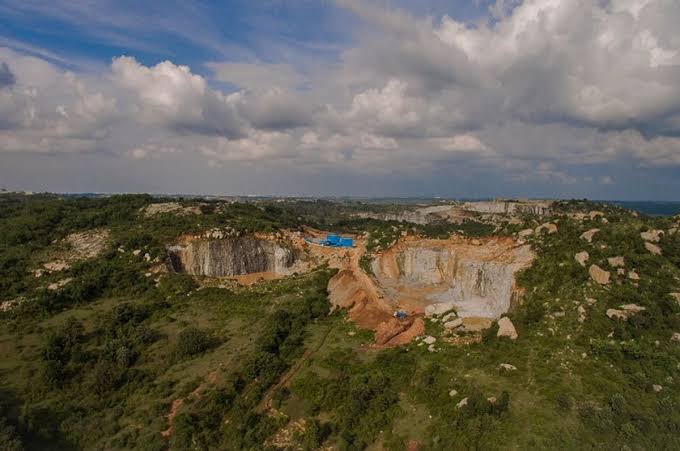
The decade-long-battle by Bengaluru environmentalists, activists and wildlife groups to save Bannerghatta National Park from illegal mining companies, stone quarries and real estate lobbies has culminated in getting an effective recommendation from the CEC to restore the 2016 draft ESZ notification for BNP as successive governments in Karnataka had favoured all lobbies in reducing the ESZ area to 168 sq kms and extent to a minimal of 100 metres to 1 km from the boundary of the Bannerghatta National Park.
Recommending the 2016 Draft ESZ Notification, the Cental Empowered Committee states the following:
- Any deviation should be permitted only in strictly exceptional,
- site specific circumstances, and
- only where dense, irreversible urban development already exists.
- Such modifications, if unavoidable, should be kept to a very minimum level
- It should not compromise ecological connectivity, wildlife corridors, or buffer functionality.
- It shall not result in the exclusion of ecologically significant patches, or corridors essential to ecological integrity.
- Any proposed reduction shall require a detailed, written justification by the duly constituted expert committee.
- This should be supported by scientific evidence and not create a precedent for future exclusions or dilution of ESZ protection.
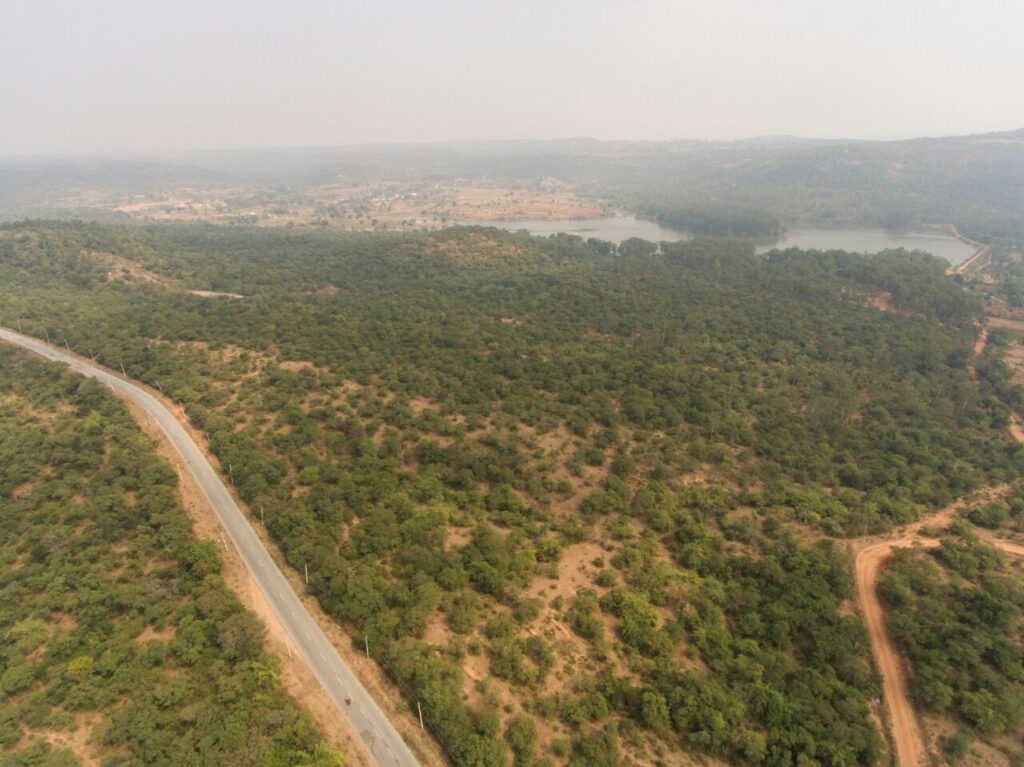
The draft ESZ Notification of 15.6.2016 for Bannerghatta National Park clearly specifies, “an eco-sensitive zone of 268.96 square kms with an extent varying from 100 m to 4.5 kms around the boundary of BNP. The ESZ covering 77 villages and 17 hamlets (enclosures), it prohibited all commercial mining, stone quarrying and crushing units and regulated establishment of all new resorts, hotels, etc.
While the ESZ notification of 2020 reduced the extent to 168.84 square kms and extent varying from 100 metres to one kilometre. It arbitrarily excluded the elephant corridors, ecologically significant land parcels which otherwise, would have ensured landscape connectivity and acted as shock absorber for BNP.
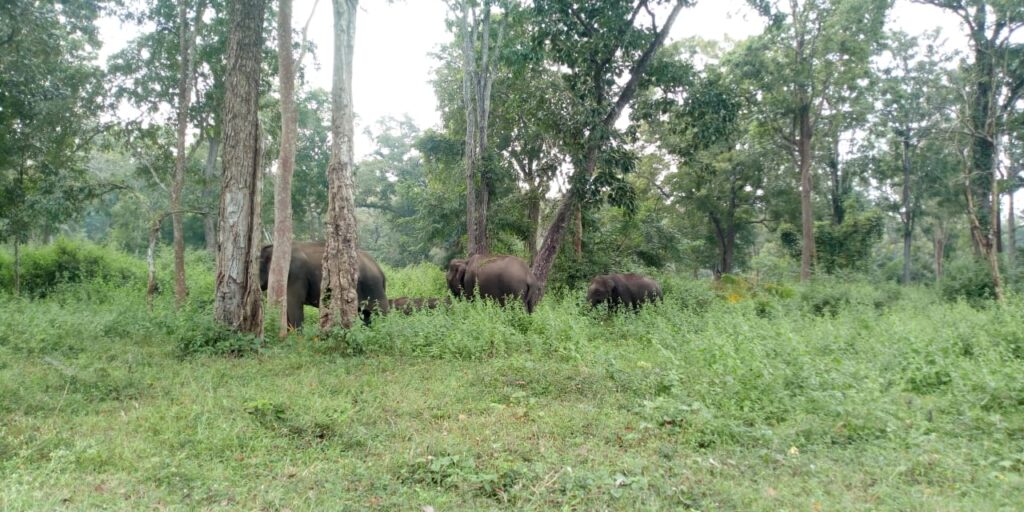
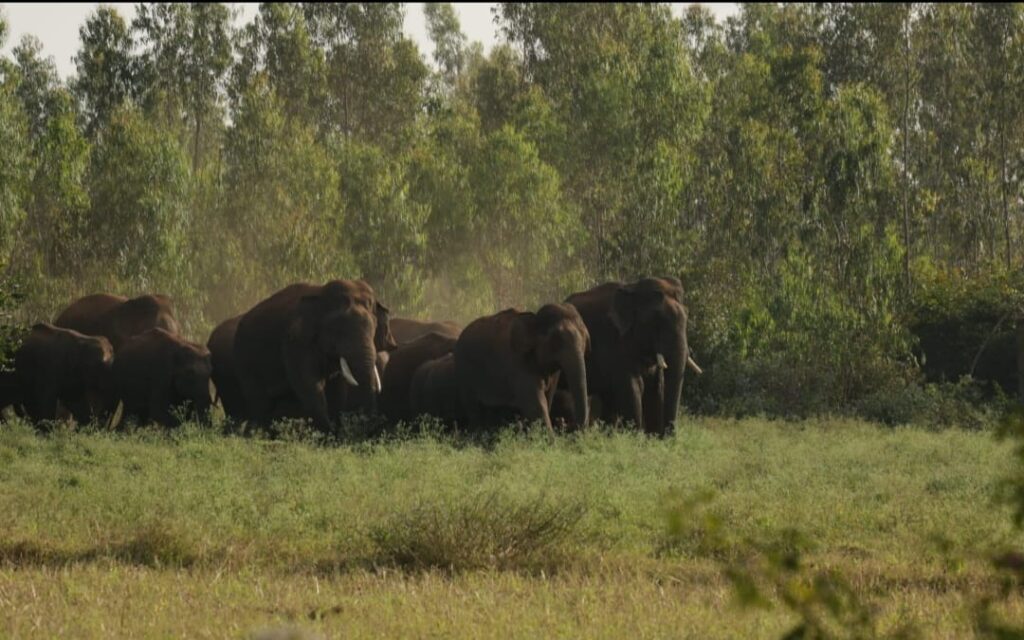
The CEC report says, “There are three vital Elephant Corridors of BNP and they all facilitate easy movement from one protected area to another. And they are –
- Kardikal-Mahadeshwara Corridor,
- Tali-Bilikal Corridor,
- Bilikal-Jowlagiri Corridor
The CEC, Supreme Court has further stressed, “The ESZ 2020’s reduction of the land parcels in five villages (Shivanahalli, Theerubeedi, Gattigunda, Kolagaudanahalli and Hunasanahalli) was such that it reduced the corridor utility totally, creating unprotected land pockets for BNP. These excluded areas include significant ecological patches and directly impacts the habitat and elephant movement. Successive reductions – three times in ESZ area and extent around BNP have been done without any scientific, ecological or landscape assessment which violates the 2011 ESZ guidelines.”
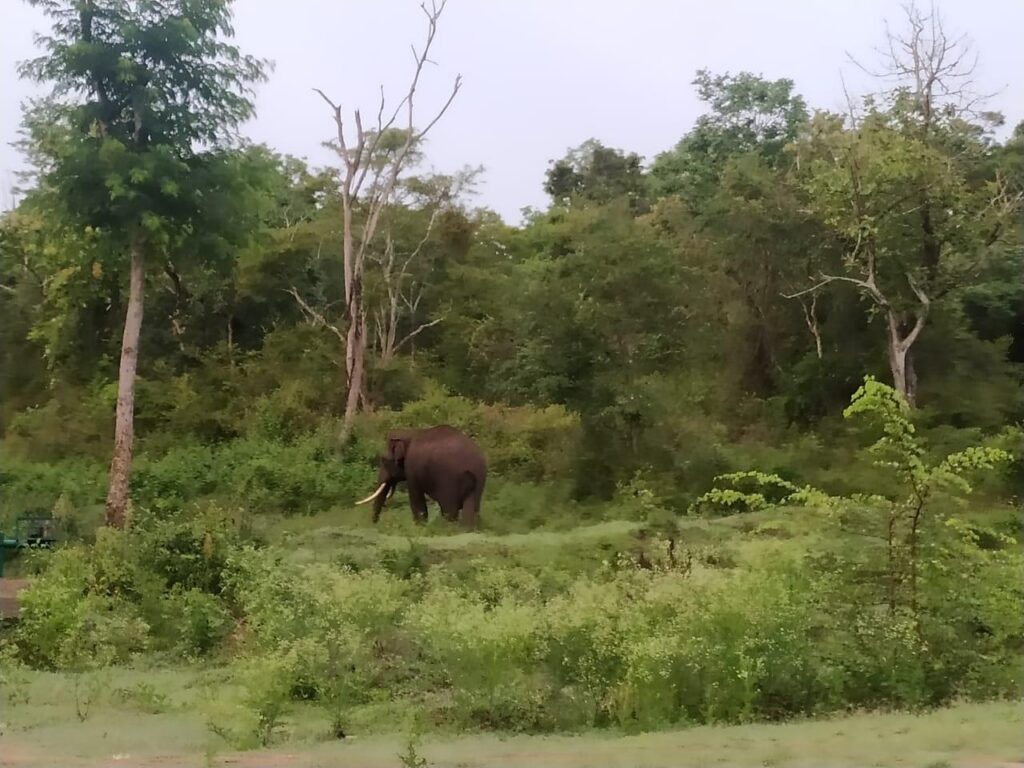
Further, these identified Elephant Corridors of BNP with adjoining forest landscapes requires continued protection and strengthening through regulatory and strict management measures. Further, the effectivity of the ESZ and its role in conservation and mitigation of Human-Wildlife Conflict shall be periodically reviewed through updated scientific inputs and ground-level monitoring.”
WHAT WILL HAPPEN TO SURIYA CITY?
The Cental Empowered Committee questions the Karnataka govt taking up large-scale housing development in the revised ESZ abutting the BNP boundary in an area of 2500 acres.
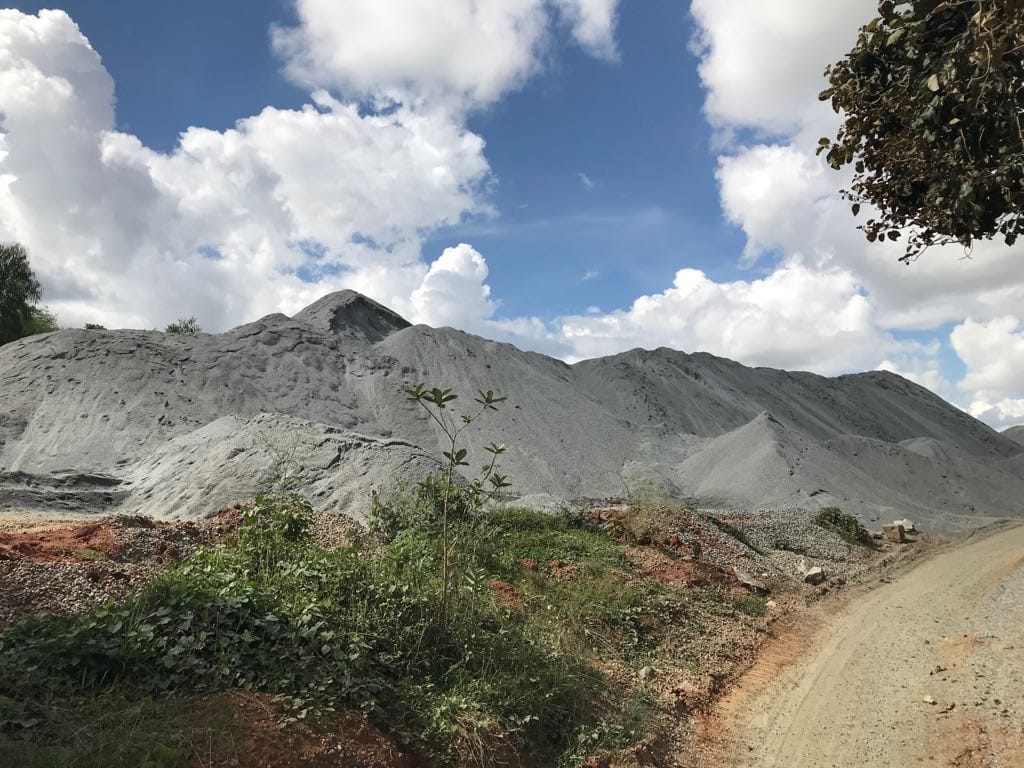
The CEC highlights the shocking construction of “KHB Suriya City” (very close to Karadikal-Madeshwara Elephant Corridor which has resulted rising human-wildlife conflicts, as per Karnataka Forest Department). The CEC says, “This land falls within the ambit of 2016 ESZ notification. Further, several farmers have protested against the Suriya City project and filed different petitions in various courts.”
RISING HUMAN-WILDLIFE CONFLICT
In view of the increasing Human-Elephant Conflict in the southern, western, south-eastern and south western parts of BNP, particularly in the villages of Herandyapanahalli, Tippuru, Bijahalli, Bommasandra, Hosadurga, Salbanni and Guddeveeranahosahalli, the ESZ is delineated at 100 metres. And which lie along Elephant Movement Pathways between the Cauvery Wildlife Sanctuary and BNP, a review of the existing ESZ delineation and its buffer width shall be considered to strengthen the forest habitation interface and support mitigation of HEC in these regions.
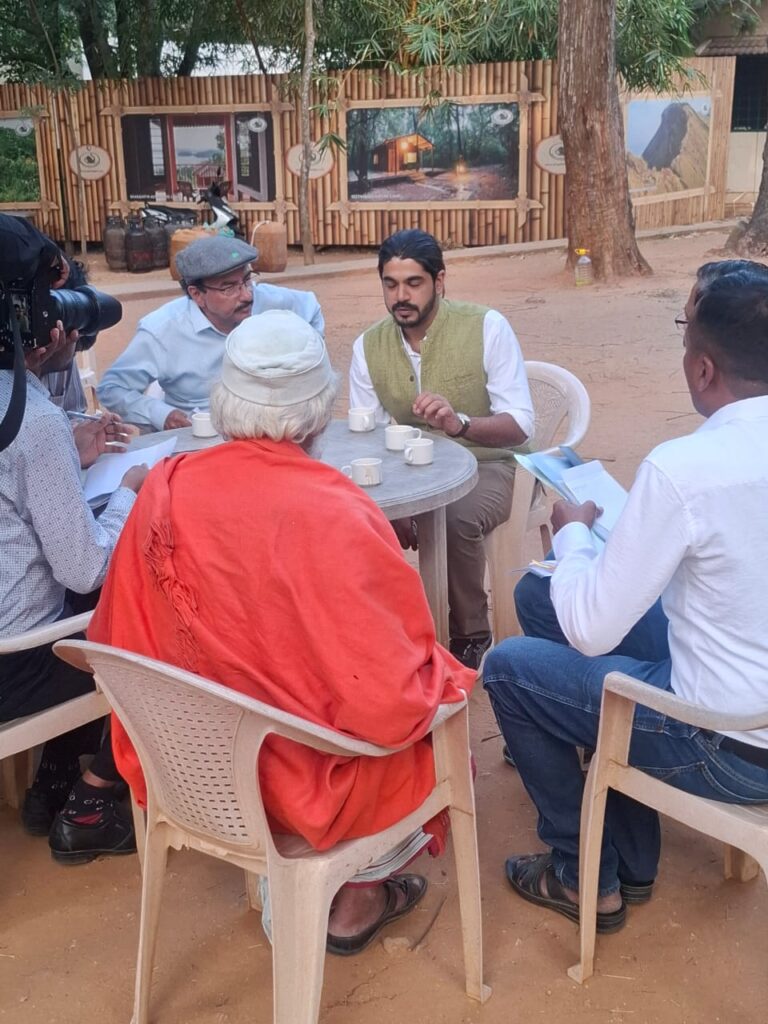
Earlier, in 2025, K B Belliappa and Bannerghatta Nature Conservation Trust filed a petition in the Supreme Court seeking inclusion of Elephant Corridors and certain excluded patches in the ESZ of BNP and the reduction in its area and extent. This was filed not only for ESZ protection but also to save the one and only remaining forest cover of Bengaluru from mining companies, realtors, political greed & interference, resort owners and real estate companies.