
R S Tejus:
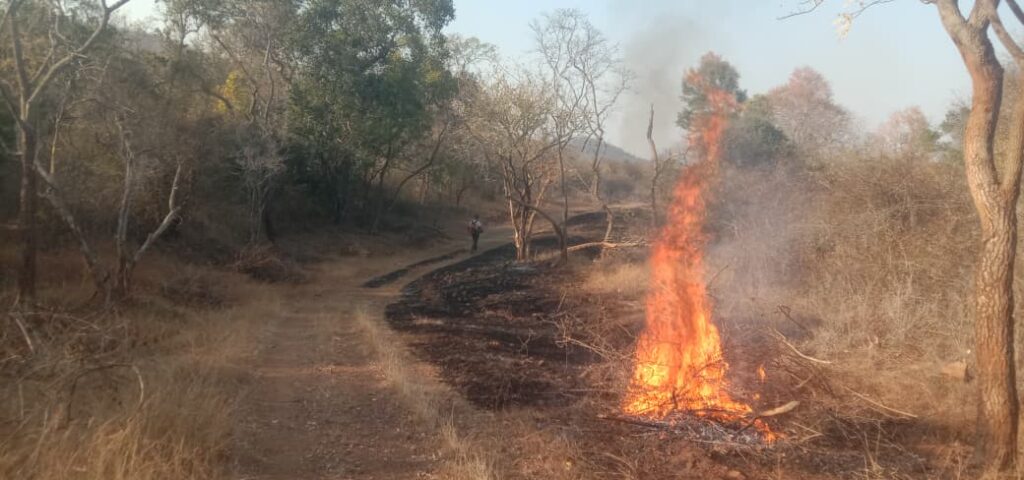
Forest fires in India are man-made. Forests burn because people set fire—deliberately or through negligence. Fires are lit to clear forest floors, promote fresh grass for cattle grazing, make minor forest produce collection easier, create access routes, and in many cases as revenge fires after enforcement action.
As Karnataka enters the 2026 forest fire season, this man-made risk is building up in the southern belt—especially in MM Hills, Cauvery, Bandipur and Nagarhole where pressure is high.
Why 2025 matters for 2026
The year 2025 was one of the worst years for Karnataka’s wildlife. Conflict intensified. People were killed in tiger attacks, and tigers were killed by people. In landscapes like MM Hills the Cauvery belt, Bandipur and Nagarhole enforcement increased and arrests were made in wildlife crime cases. This matters because fire risk does not rise only with temperature—it rises with tension. When conflict is high, forests often see more deliberate fires and retaliatory fires.
What fires do to forests, wildlife and water
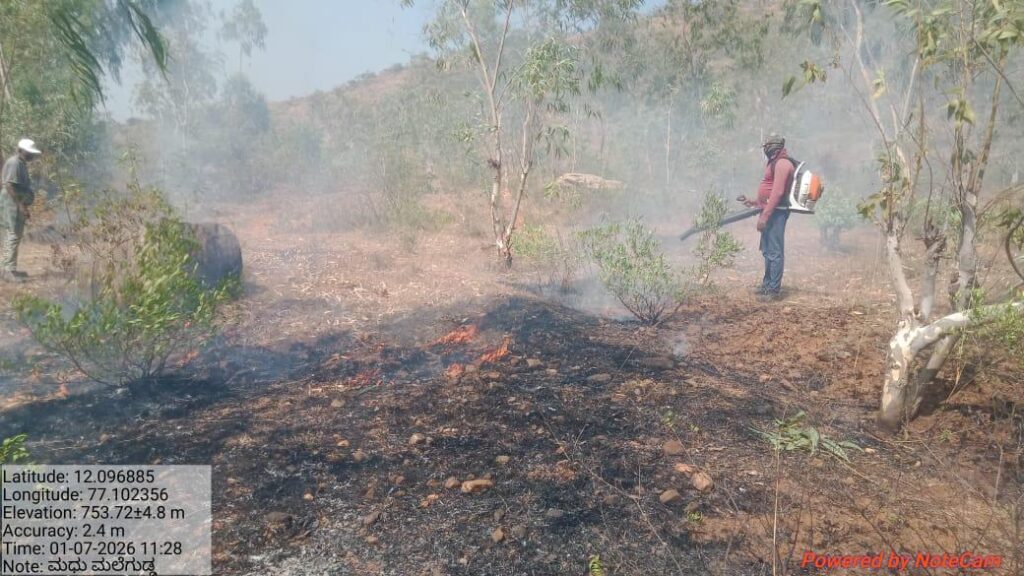
Even “small” ground fires are not harmless. They wipe out insects, reptiles, ground-nesting birds, small mammals and young animals, and damage soil microorganisms that keep the forest floor alive. Fires also destroy the leaf litter “green carpet” that holds rainwater, recharges groundwater and supports rivers. Once this layer burns, runoff increases, soil erosion rises, reservoirs silt up and river flows drop. In the Cauvery landscape, this is not a local issue—it is directly tied to water security downstream.
Funding: Tiger Reserves get the highest, Sanctuaries get the least
Karnataka funds fire management through multiple streams—State CAMPA, State sector schemes, CSS fire schemes, disaster management allocations and wildlife schemes. But the fire-mitigation allocation pattern is clear: Tiger Reserves get the highest amounts, while sanctuaries and some National Parks get the least.
The 2025–26 fire-mitigation allotment document shows the imbalance sharply: Bandipur Tiger Reserve is allotted ₹507.60 lakh, while Cauvery gets ₹13.95 lakh, Bannerghatta gets ₹11.294 lakh, and MM Hills is shown as ₹50.00 lakh.
This is the core problem. MM Hills and Cauvery are large landscapes—comparable in scale to major Tiger Reserve landscapes such as Bandipur —yet they are expected to manage the same fire season with a fraction of the resources.
Why “less money” means “more fire”
Forest fire mitigation is not a slogan. It is field work that costs money. Funding is needed for:
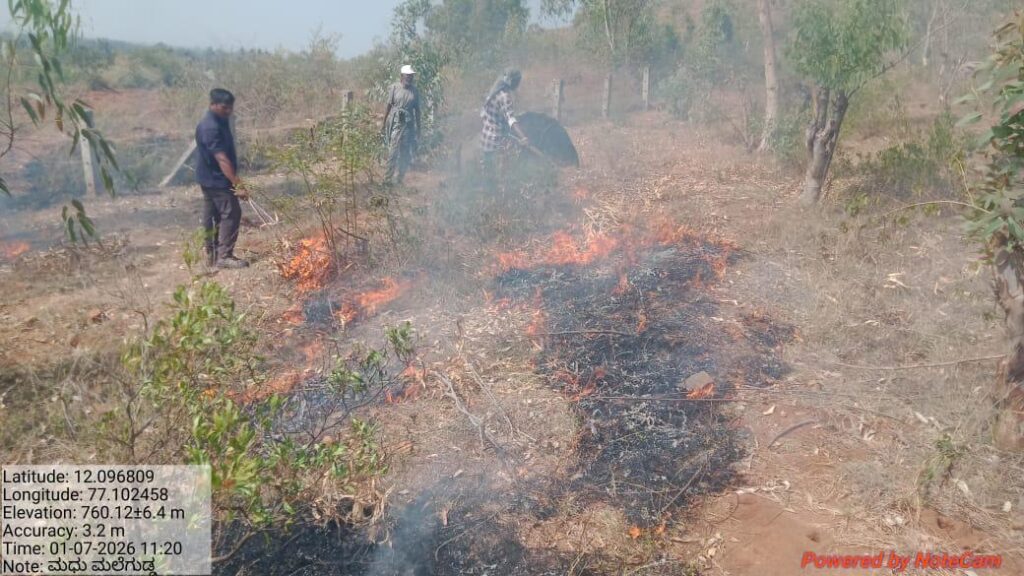
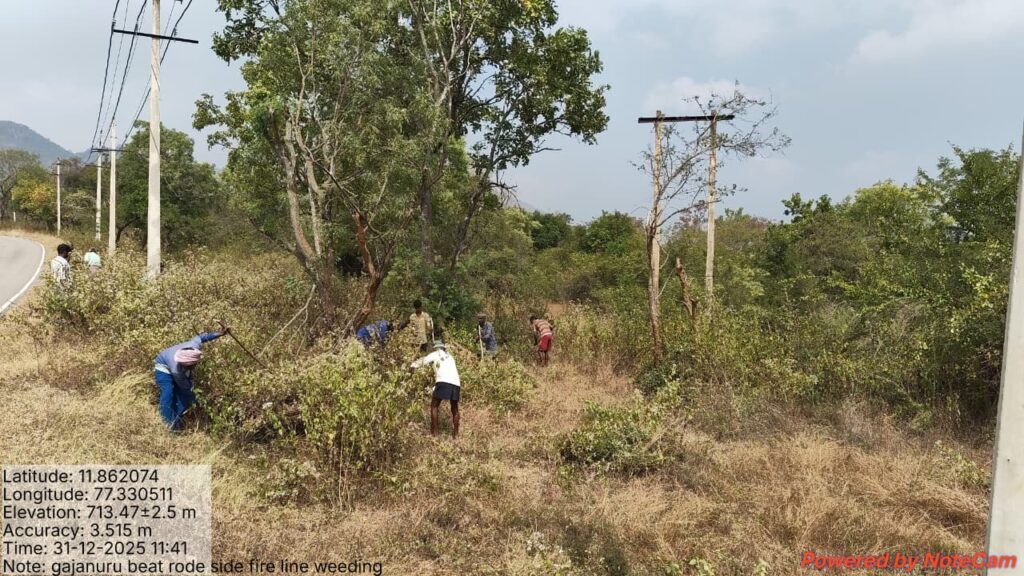
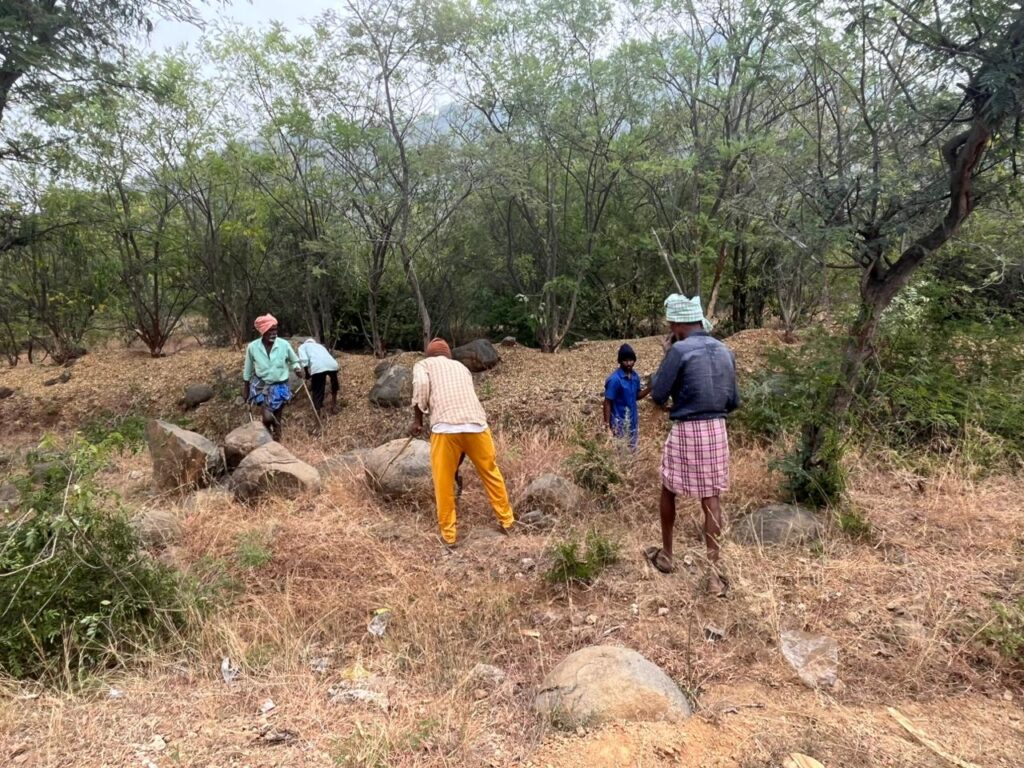
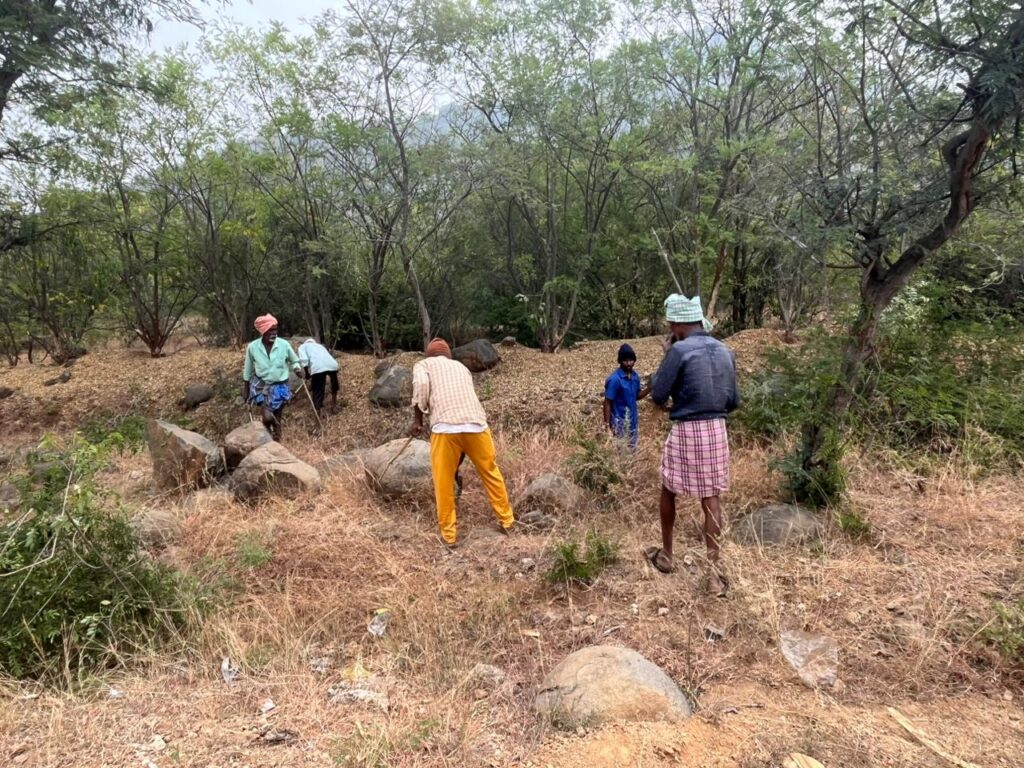
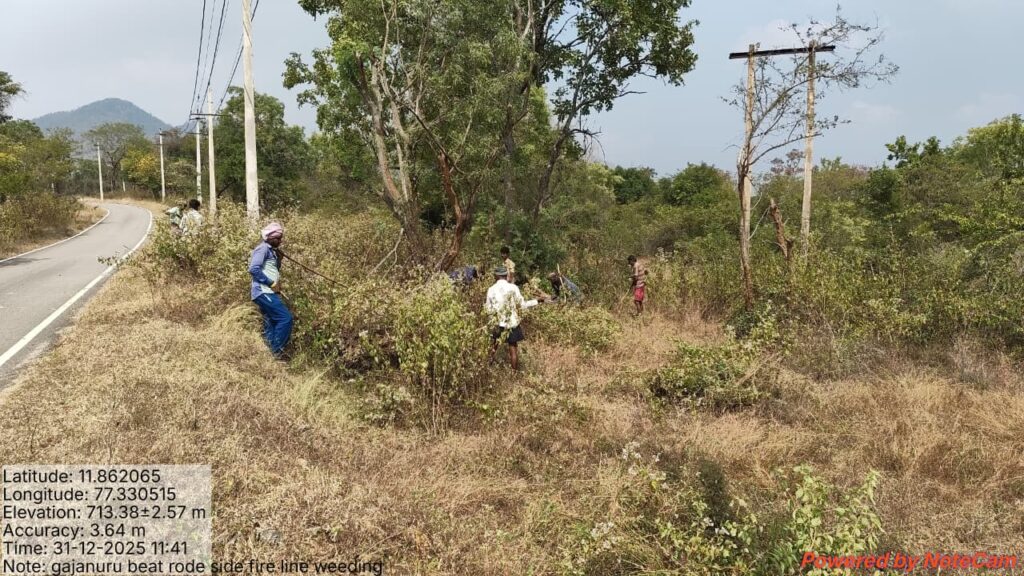
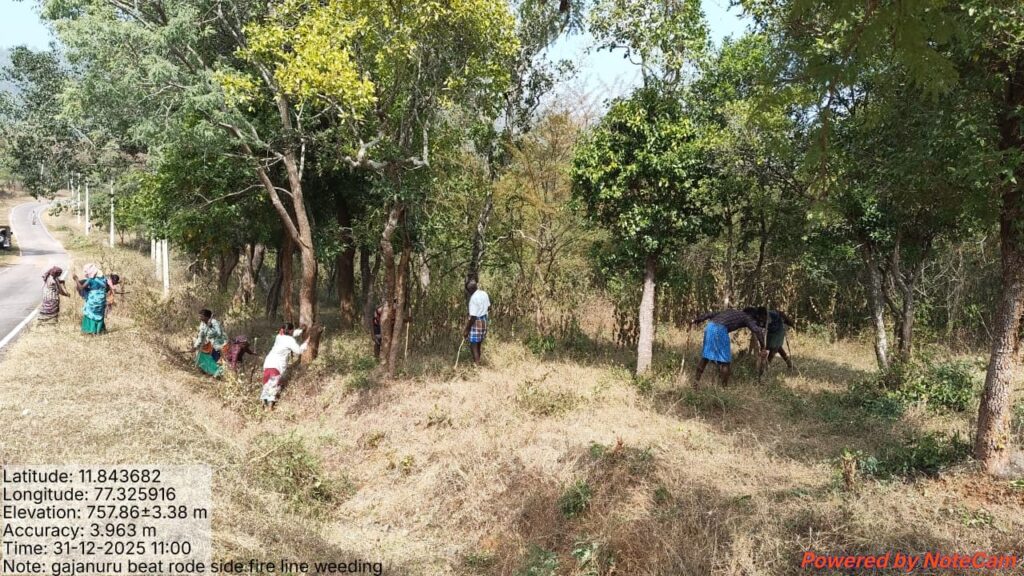
* Fire lines: cutting, clearing and maintaining fire lines before summer
* Seasonal forest fire watchers: hiring and paying enough watchers to cover beats and vulnerable edges
* Patrolling and mobility: vehicles, fuel, repair readiness, interior tracks kept usable
* Communication: wireless / walkie-talkies / repeaters, control-room style coordination
* Water logistics: water transport and availability for initial attack
* Training and supervision: so prevention burns and line-clearing do not trigger larger fires
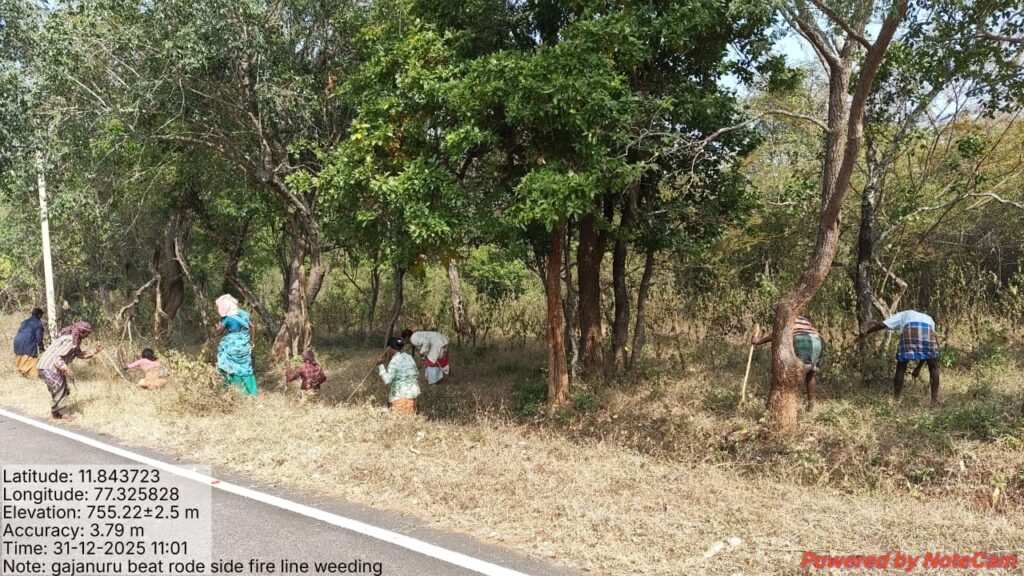
With very low funding, it becomes impossible to create enough fire lines, hire enough watchers, and maintain rapid first response across the MM Hills–Cauvery belt—exactly where human pressure and conflict stress are high.
Preparedness: what Bandipur says
Bandipur Tiger Reserve Director Prabhakaran said: “We are all prepared for the fire season. We have conducted more than 50 forest fire awareness programs.”
That statement reflects Bandipur’s readiness approach—awareness, mobilisation, and seasonal alertness—supported by strong Tiger Reserve prioritisation.
Preparedness: what MM Hills says
In MM Hills, DCF Bhaskar said the sanctuary has 18 habitations and that the department is regularly monitoring them. He added that awareness programmes have also been conducted.
Monitoring and awareness help, but a landscape this large cannot be protected by awareness alone if the basic fire budget for fire lines, fire watchers and rapid response is weak.
A local trigger that worsens MM Hills risk
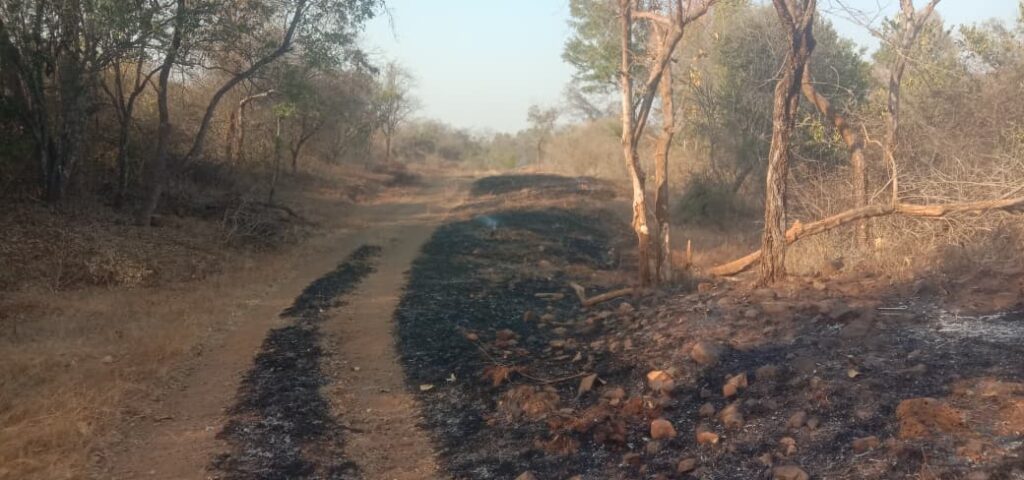
MM Hills also faces belief-driven fire setting. Near Sathegala, there is a practice where some people who believe they will be blessed with children set fire to forest patches. Whatever the belief, the ecological outcome is the same: burned forest floor, dead regeneration, and higher risk of repeat fires. Such traditions do far more harm than good and create a fire threat that is difficult to predict and prevent.
Nagarhole Tiger Reserve presents a different and equally serious challenge. Nagarhole has adequate financial support for fire management compared to many other protected areas. However, money alone does not eliminate risk.
Nagarhole sits in a long-standing conflict landscape, where tensions have persisted for years. The problem here is not the absence of funds, but the nature of the conflict itself. Field officials and observers point out that unrest in and around Nagarhole is often externally amplified, with repeated attempts to provoke confrontation, disrupt management, and create instability. This makes the landscape particularly sensitive during the fire season.
In such environments, fires can be used as a pressure tool, either to create panic, weaken enforcement, or divert attention. Even small fires, if not contained immediately, can escalate rapidly given the terrain and vegetation. Therefore, in Nagarhole, fire prevention is as critical as fire suppression.
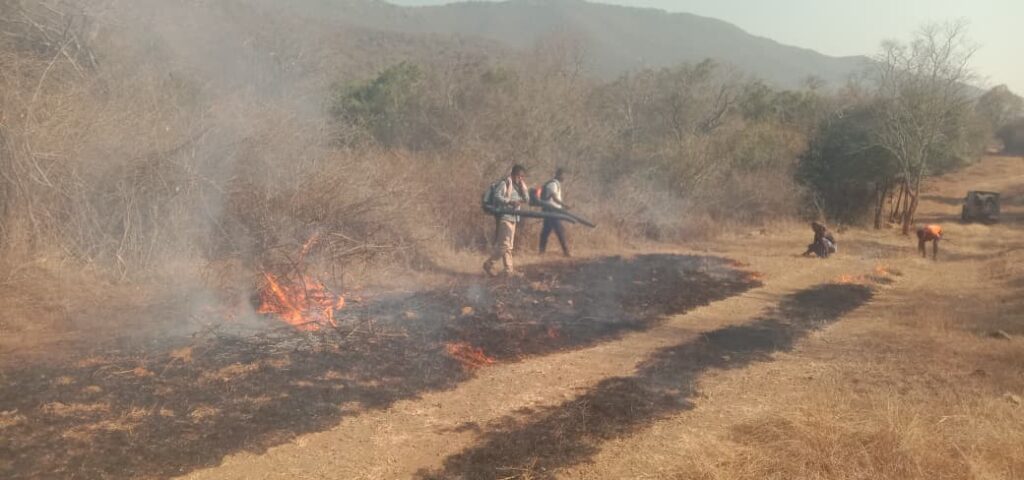
Experts stress that in Nagarhole:
fires must be prevented at the source, not just fought after ignition,
any fire that does break out must be immediately contained and completely doused, leaving no scope for flare-ups,
extra vigilance is essential during peak summer and high-tension periods,
and all available forces and resources—forest staff, mobility, surveillance, and coordination—must be fully utilised.
Nagarhole thus remains in a grey zone: financially supported, but socially and politically sensitive. Ignoring this distinction would be a mistake. In a year following widespread conflict, Nagarhole requires heightened attention, not because it lacks money, but because the consequences of even a single unmanaged fire could be far-reaching.
Government directions: Khandre’s instructions and MM Hills footpath focus
Forest, Ecology and Environment Minister Eshwar B Khandre has directed KFD to take all measures as temperatures rise after Rath Saptami. His directions include increased patrolling, surveillance through cameras and drones where available, and alert deployment in sensitive areas. He also instructed preparations to prevent fodder and drinking water shortage for wildlife in summer, including pumping water using solar pumps.
For Male Mahadeshwara Betta, he specifically spoke about drone camera monitoring along the forest footpath and forming teams of forest personnel, home guards and local personnel to assist devotees, to assist devotees, with coordination involving the Development Authority and district administration. This came in the backdrop of the leopard attack death of Praveen from Mandya district, highlighting how human movement through forests can increase risk and emergencies.
How the state should handle forest fires: expert field practices
From the expert fire-management guidance in your documents, the state’s handling should look like this—practical, field-tested, and not dependent on “high-tech talk” alone:
* Prevention first: identify hotspots early and stop avoidable triggers (grazing fires, collection fires, conflict-linked fires)
* Fire lines done right: line cutting and debris burning must start at the right time and be done in the evening, not in mid-day heat or windy conditions, and only under strict supervision
* Perpetual vigilance: continuous watch from towers/spotters, plus real-time alert use
* Equipment readiness: vehicles that can carry water must be repaired and ready before season; interior tracks cleared and usable
* Communications check: wireless base/repeater stations, walkie-talkies, UPS batteries and antennae must be operational
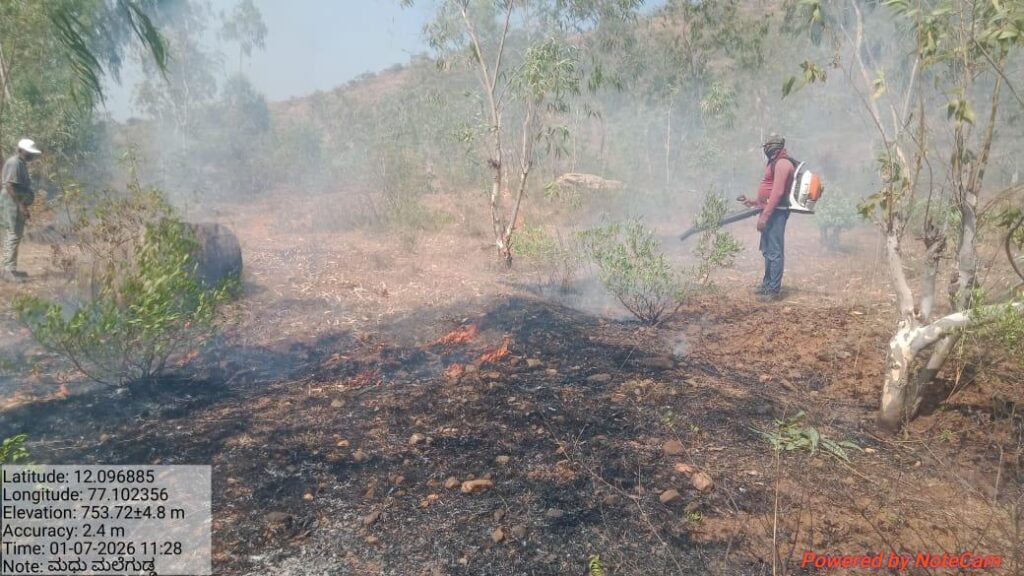
* Skilled suppression: initial attack teams must know wind direction, burn rate, water points, natural fire breaks; avoid unsafe mid-day suppression
* Counter-fire only by experts: counter-fire is a drastic technique and should be used only by skilled personnel under strong leadership
* Use satellite alert systems: fire location/intensity and burnt area estimation tools should be used for verification and accountability
Where QRTs fit in
Fire experts also emphasise Quick Response Teams (QRTs) as a practical need in large, fire-prone landscapes. QRTs are not a slogan—they are trained crews positioned strategically with mobility, tools, communications and clear command. The idea is simple: reach fast, contain early, prevent spread. For MM Hills and Cauvery—where funding is low but exposure is high—QRT-type readiness becomes even more important.
What experts say must change in funding
Experts argue that Karnataka needs a centralised pool of fire funds from all sources (disaster management, CAMPA, and other schemes). From that pool, allocation must be scientific, based on:
* area of the PA
* history of fires
* history of conflict
* terrain and access
* human pressure and footfall
* response capacity gaps
Without this, the same pattern will repeat: Tiger Reserves remain best supported, while sanctuaries like MM Hills and Cauvery remain under-resourced even when their risk is comparable.
Bottom line
Forest fires are man-made. In 2026, Karnataka is facing a season shaped by 2025’s conflict legacy, high human pressure, and uneven fire mitigation funding. The allocation document itself shows MM Hills at ₹50 lakh, Cauvery at ₹13.95 lakh, and Bannerghatta at ₹11.294 lakh, while Tiger Reserves sit at the top end of fire-mitigation support.
With such low fire-mitigation money, it is unrealistic to expect MM Hills and Cauvery to build enough fire lines, hire enough forest fire watchers, and maintain rapid response in the most vulnerable months. If the state wants to prevent a severe fire season, the shift has to be immediate: scientific allocation, centralised pooling, strong ground teams, and early action—before the first big burn.
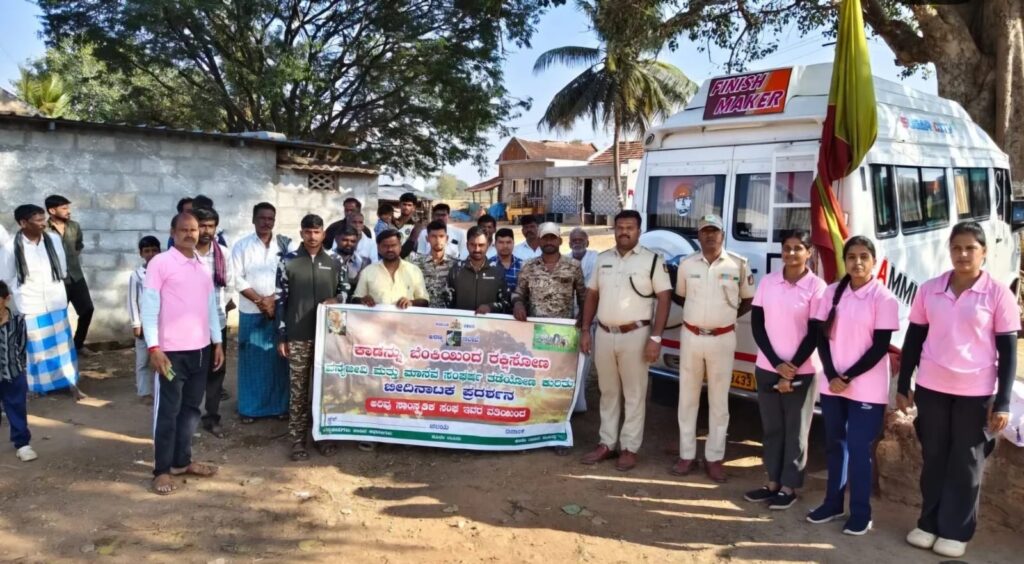
Awareness programs in Bandipur Tiger Reserve
During the course of field-level outreach, I also met the His Holiness Jagadguru Sri Shivarathri Deshikendra Mahaswami to seek support for spreading awareness among the public on the dangers of forest fires. The interaction was informal and conversational, not a public or press statement or a quote. During the discussion, the Swamiji conveyed a belief that people are generally good and do not intentionally set forests on fire.
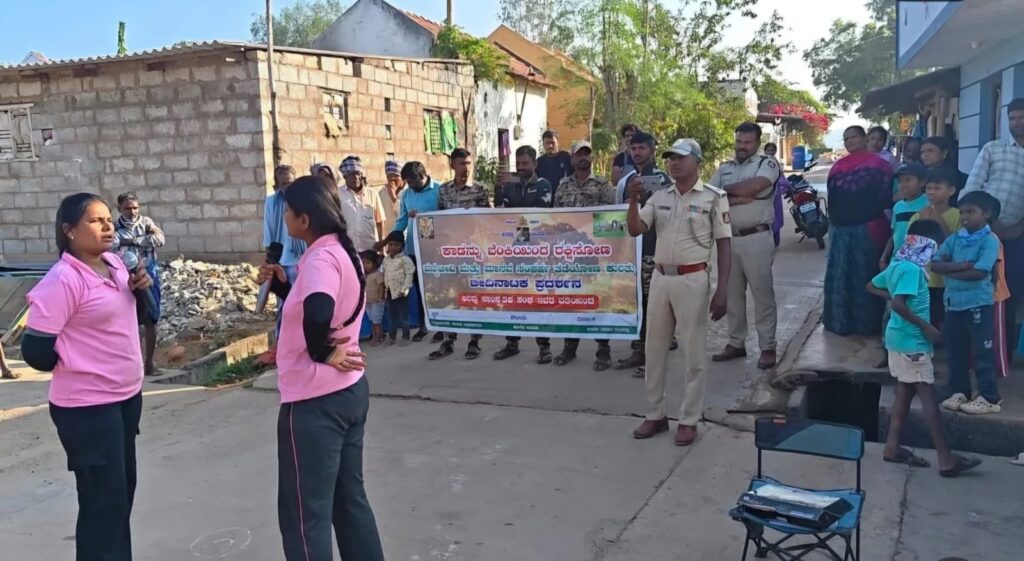
While the sentiment reflects faith in community intent, ground realities across Karnataka’s forests indicate that forest fires continue to be largely human-caused—whether through negligence, long-standing practices, conflict, or belief-driven actions. This gap between perception and reality highlights the need for structured, sustained awareness, especially involving religious, social, and community institutions, to address harmful practices that may not always be recognised as destructive.