
Manjunath S Nayak:
The ranges of Eastern Ghats in Peninsular India are now home to two more new species of army ants. The two new species belong to the genus: Aenictus (Shuckard,1840) and were recently discovered by researchers in Andhra Pradesh. This research is very significant as they provide more knowledge on these nomadic predators found in the Eastern Ghats.
The genus Aenictus is a diverse group of army ants found in the Old-World tropics, often specializing in predation.
Very critical for tropical ecosystem, army ants act as critical keystone predators in such ecosystems. They regulate arthropod (animals having a hard body without a backbone) populations and also shape biodiversity by consuming vast quantities of invertebrates daily.
DETAILED STUDIES
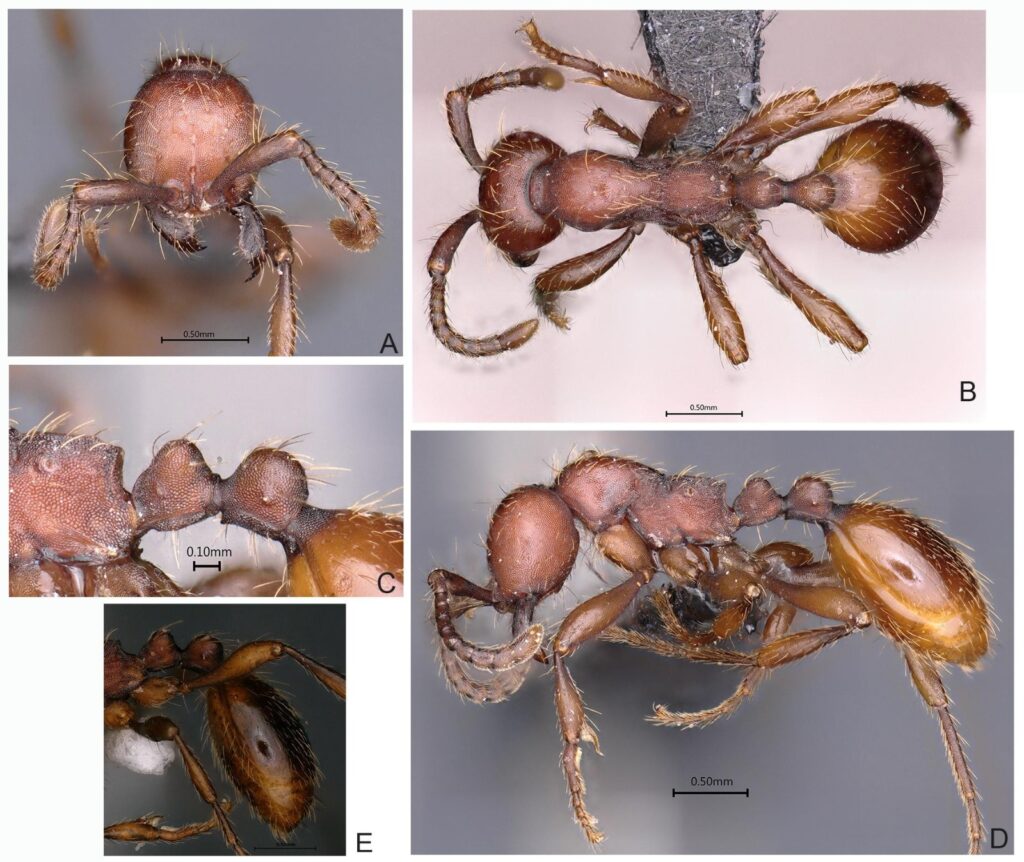
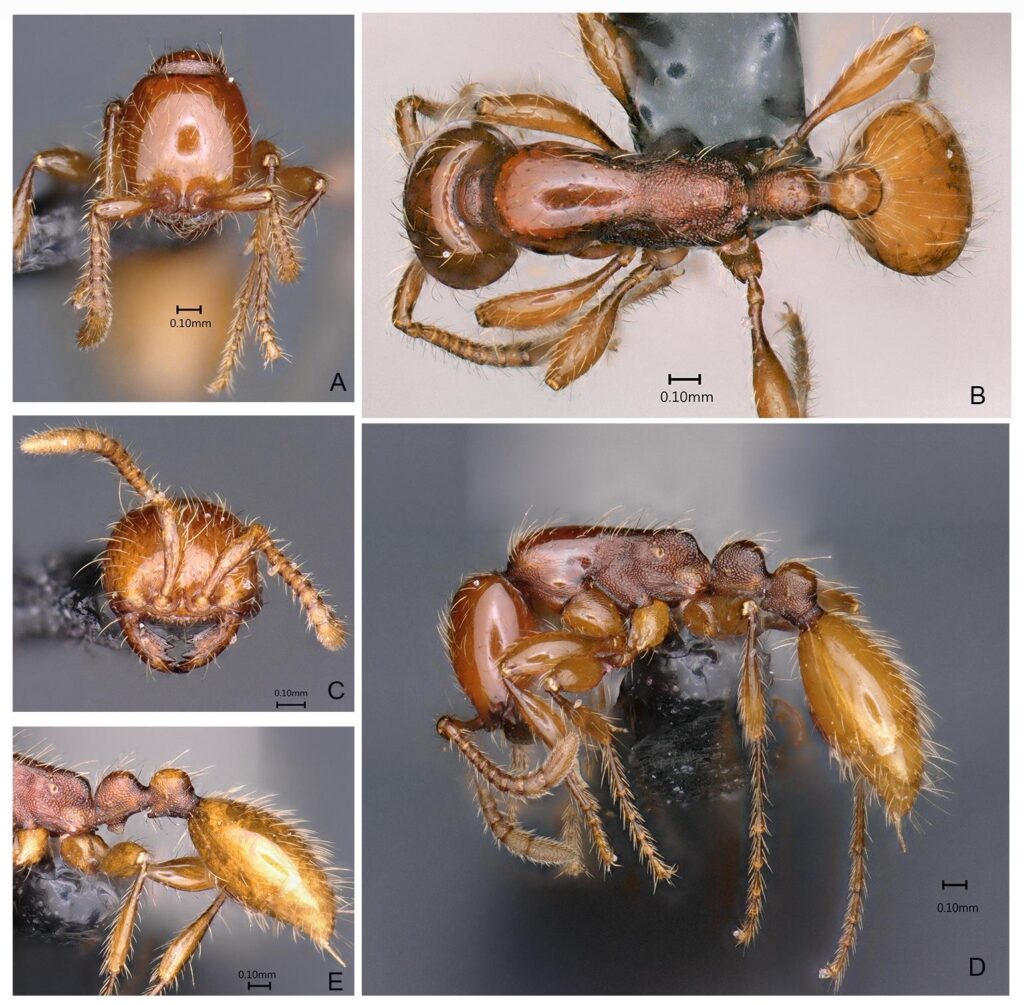
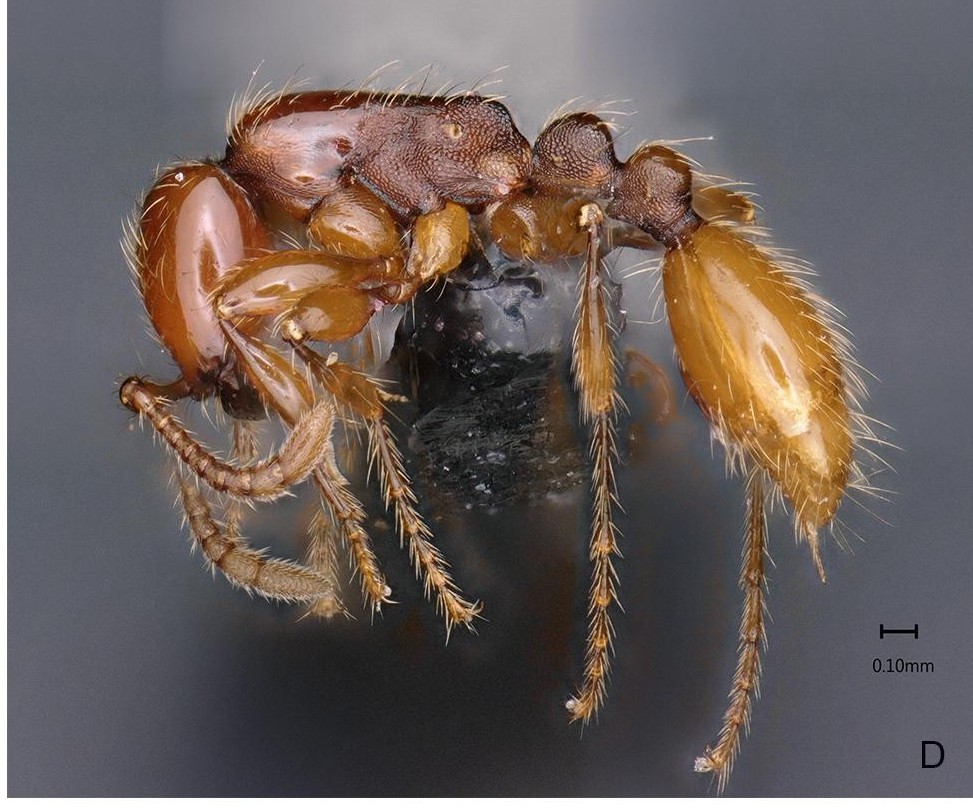
Two new species of the army ant genus Aenictus (Shuckard,1840), Aenictus chittoorensis sp. nov. belongs to the Aenictus philippinensis group, while A. lankamallensis sp.nov. belongs to the Aenictus javanus group. The researchers provide a detailed information about their morphology and the characters differentiating them from other closely related species. One of the species – Aenictus lankamallensis was discovered in the Sri Lankamaleswara Wildlife Sanctuary.
These research studies were done by Dharma Rajan Priyadarsanan, Ramakrishnaiah Sahanashree of Ashoka Trust for Research in Ecology and the Environment (ATREE) Bengaluru, Bikash Sahoo, Nikitha Muthu Kumaran and Aniruddha Datta Roy of NISER, Odissa India.
NOMADIC PREDATORS
Army ants are nomadic and their mass-foraging raids drive other insects, providing food for birds and lizards. They also support specialized, symbiotic arthropods and enhance ecosystem nutrient cycling. They are highly aggressive, nomadic predators found mainly in tropical ecosystems, known for not building permanent nests but forming temporary “bivouacs” with their own bodies.
As social insects, they form massive colonies that “raid” the forest floor, eating insects and small animals. They are distinguished by their large, sharp mandibles, stinging ability, and reliance on chemical pheromones to navigate and communicate.
THE NEW SPECIES
In this research study, the new species from the Eastern Ghats have been described based on the worker caste. One species belongs to the Aenictus philippinensis group, and the other to the Aenictus javanus group.
In fact, these two species groups were revised by Jaitrong and Yamane (2012). The present descriptions contribute to the growing understanding of the diversity and distribution of Aenictus in the Indian subcontinent.
HABITAT OF THE NEW SPECIES
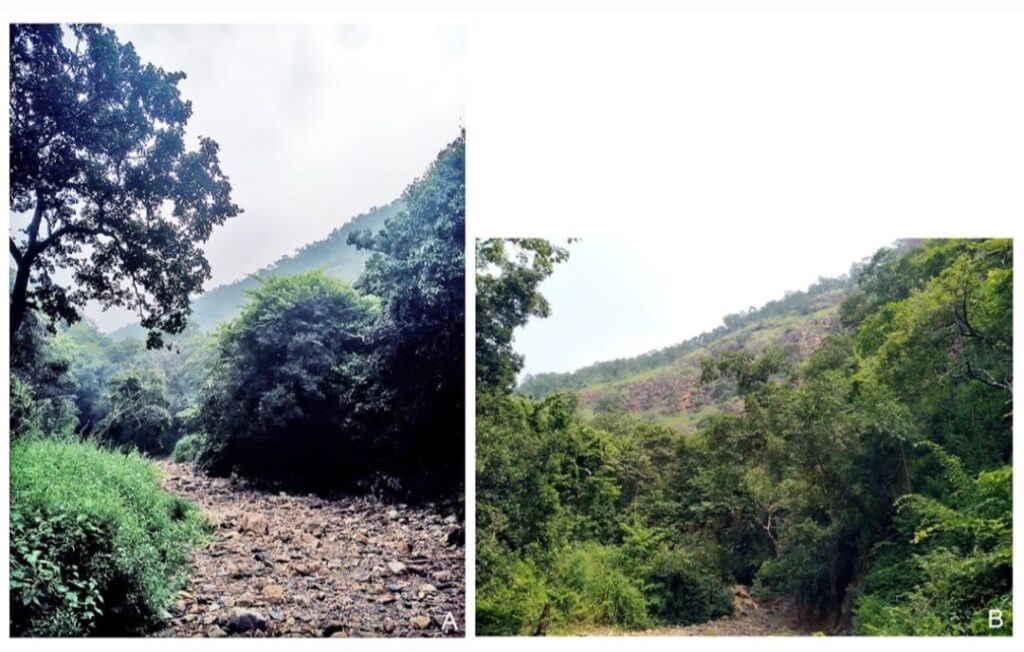
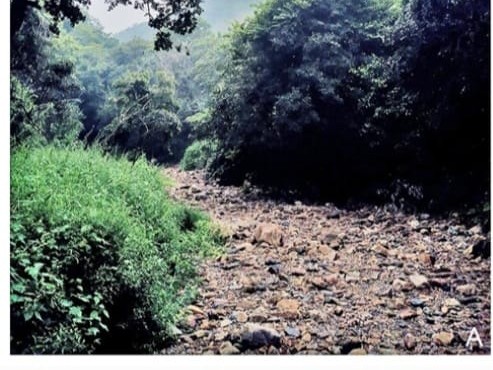
The two new species were discovered within Sri Venkateswara Wildlife Sanctuary, a part of the Southern Eastern Ghats. The vegetation types are Southern tropical dry deciduous forests and Southern dry mixed deciduous forests. Key tree species include Pterocarpus santalinus, Helicteres isora, Cycas beddomei, Shorea robusta, Santalum album, Sterculia urens, Ficus religiosa, etc.
Speaking to the Green Minute News, Sahanshree, ATREE said, “The discovery of Aenictus chittoorensis sp.no and A. lankamallensis sp from the Eastern Ghats underscores the overlooked diversity of the army ant genus Aenictus in peninsular India, with each species representing distinct species groups.”
NATURAL HISTORY
The specimens were collected from the ground, beneath the upper soil layer, with no apparent trail or colony visible. The collection area was predominantly bamboo forest with exposed soil surface and a lack of substantial leaf litter or undergrowth.
The new species were identified from the Eastern Ghats which is a significant mountain range in India but has been under-sampled compared to the Western Ghats. Other recent discoveries of Aenictus species in India have also occurred in Kerala for example Aenictus kadalarensis and the Western Ghats, indicating active research in this genus in the sub-continent.