
Meera Bhardwaj:
One Nilgai, an antelope, died due to secondary infection from the deadly Haemorrhagic Septicaemia (HS) on February 3 at the Binkadakatti Zoo in Gadag district, Karnataka. Gadag Zoo authorities rushed in swiftly to take all measures based on the SOP given by Zoo Authority of Karnataka. Veterinary experts said in Bengaluru this was an outbreak of HS which was controlled.
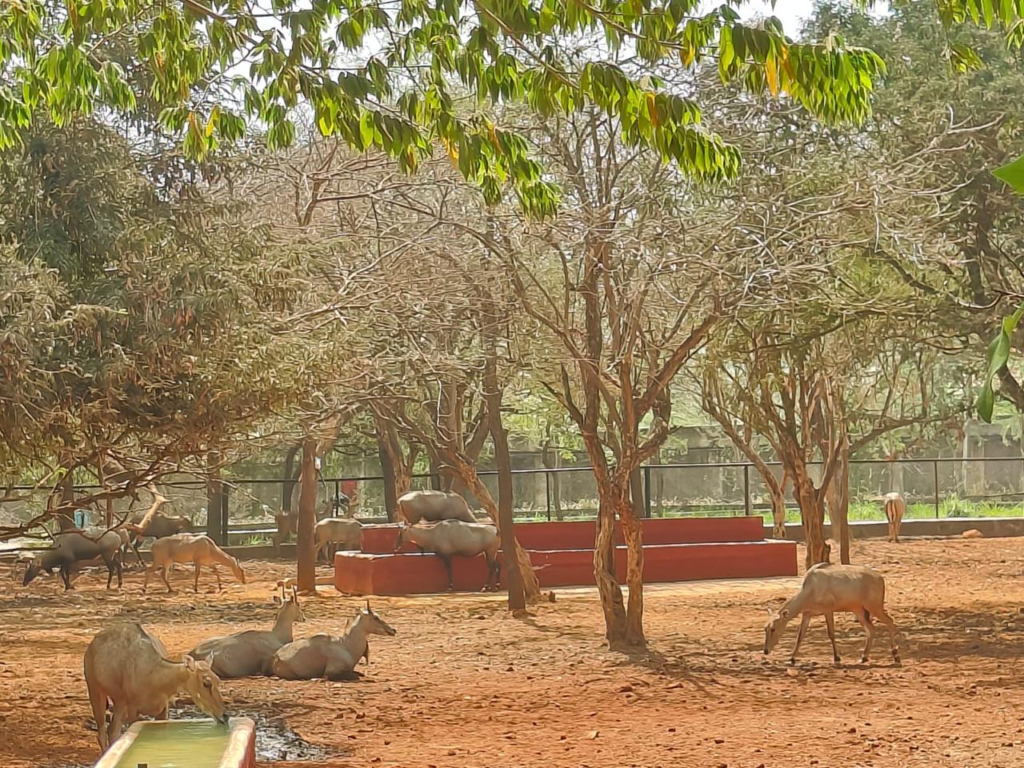
Nilgai or blue bull (also called blue cow) is Asia’s largest antelope and is native to the Indian subcontinent. Presently, all the 40+ Nilgais are being monitored and no symptoms of HS has been observed in any antelope or other herbivores, the Binkadakatti Zoo officials informed.
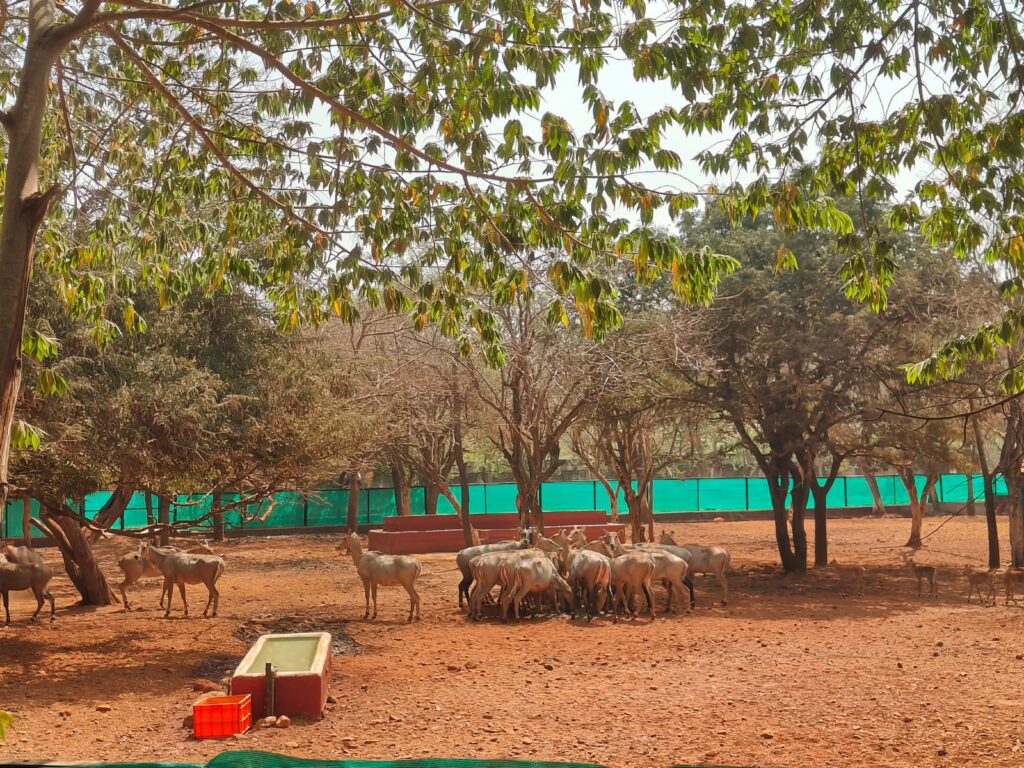
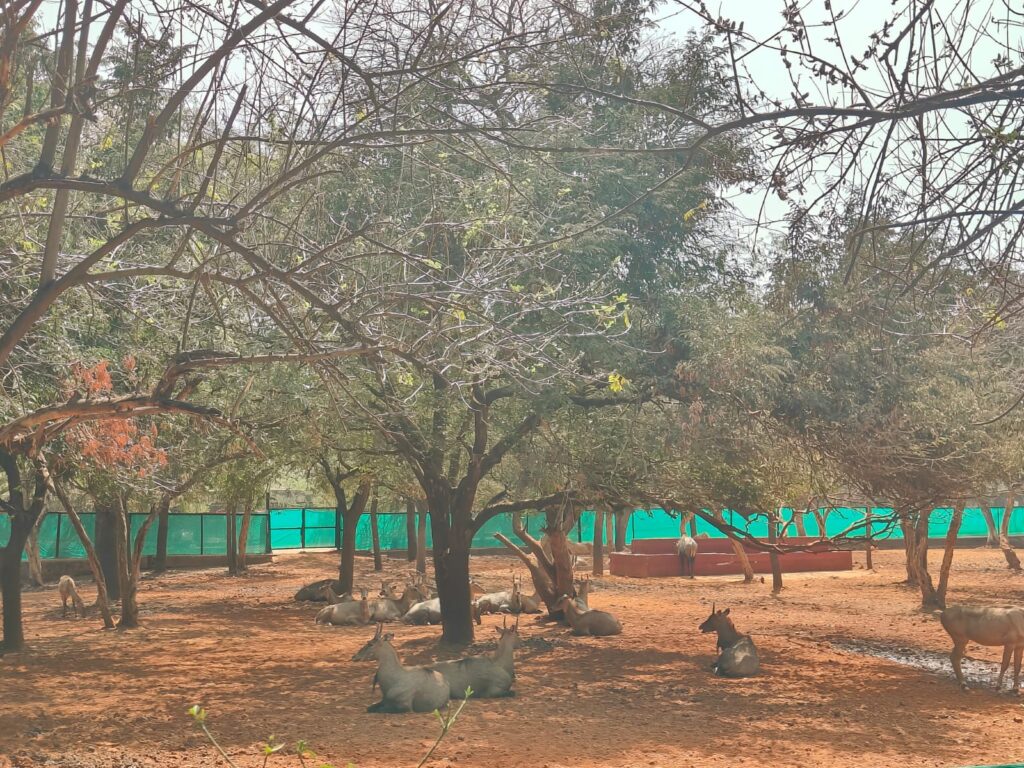
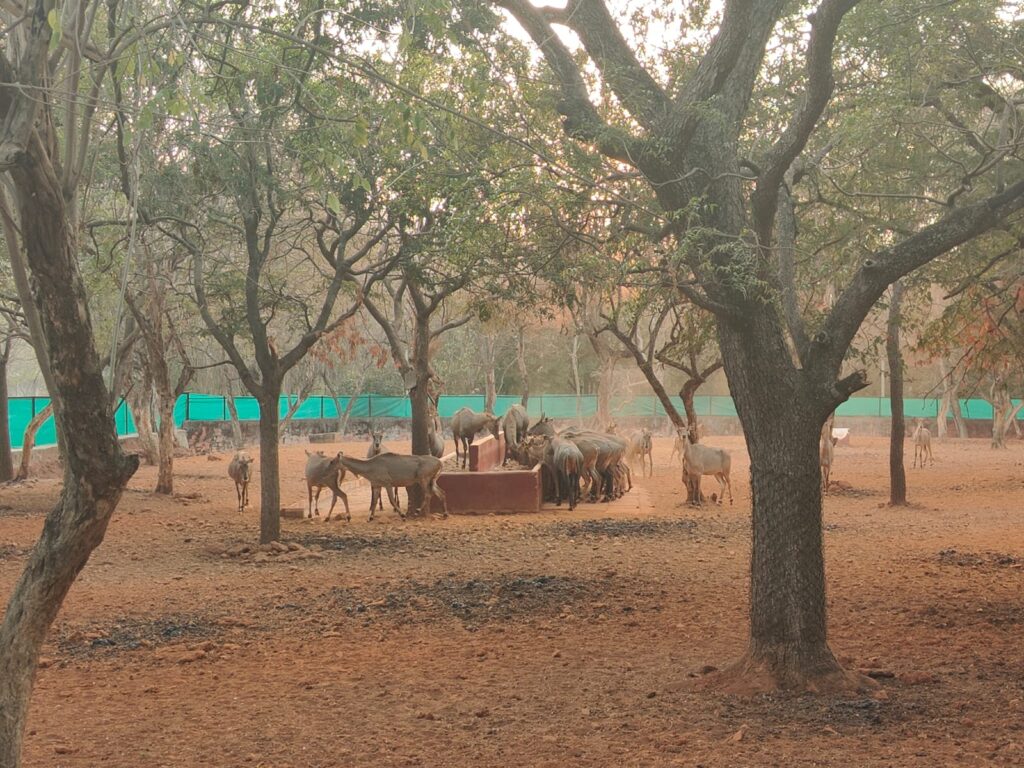
The above picture taken today shows all Nilgais in good health. In the aftermath of the shocking deaths of 31 blackbucks in Belagavi Zoo in November 2025 and death of four spotted deer in Davangere Zoo in January 2026, all protective measures had been initiated at the Binkadakatti Zoo, said Gadag DCF Santosh Kumar Kenchappanavar.
The Gadag DCF added, “The death of the Nilgai is different from what happened at Belagavi Zoo. This is a case of infighting between Nilgais for dominance and one of them was injured resulting in stress factor for the antelope. The Nilgai suffered from injuries and primary infection – pneumonia and secondary infection – HS (since the immunity was compromised as the bacterial organism is always present in the upper respiratory tract of the herbivores).”
There is no outbreak of the deadly, fatal HS in the Gadag Zoo and this was an isolated case due to infighting and injuries, the DCF said.
However, speaking to Green Minute News, IAH & VB, Professor & Head, Southern Regional Disease Diagnostic Laboratory (SRDDL) Dr Shivaraj B M said, “This was indeed an outbreak of HS in Gadag Zoo which was controlled.“
Santosh Kumar Kenchappanavar added, “We followed all standard operating procedures of the Zoo Authority of Karnataka (ZAK). We didn’t ignore the incident at all and made the incident public and all measures were started from February 4th.”
The Binkadakatti Zoo at Gadag has a healthy population of antelopes and herbivores. Presently, it has:
Blackbucks: 80+
Spotted deer: 60+
Nilgai: 40+
Sambar: 07
Gadag Range Forest Officer Sneha Ram said, “The Nilgai had suffered internal organs’ damage due to infighting followed by symptoms of pneumonia. It died on February 3 evening. The postmortem was held at 7.30 am on February 4th which revealed suspected HS on 4th late evening.”
The RFO added, “Immediately, we took action and the samples were sent to Institute of Animal Health and Veterinary Biologicals (IAH&VB) Bengaluru while the Smear test to the Veterinary College (KVAFSU) at Gadag. It was on February 7 evening, we got the results which confirmed Haemorrhagic Septicaemia.”
According to the RFO, Dr Prayag, Chief Wildlife Veterinarian (KFD) was contacted by ZAK authorities on the same day. He advised the measures to be taken immediately after the incident. This included guiding antibiotics, nutritional supplements, thermal monitoring, quarantine protocols and was deputed to lead the task that prevented any outbreak among the 40+ Nilgais in this zoo.
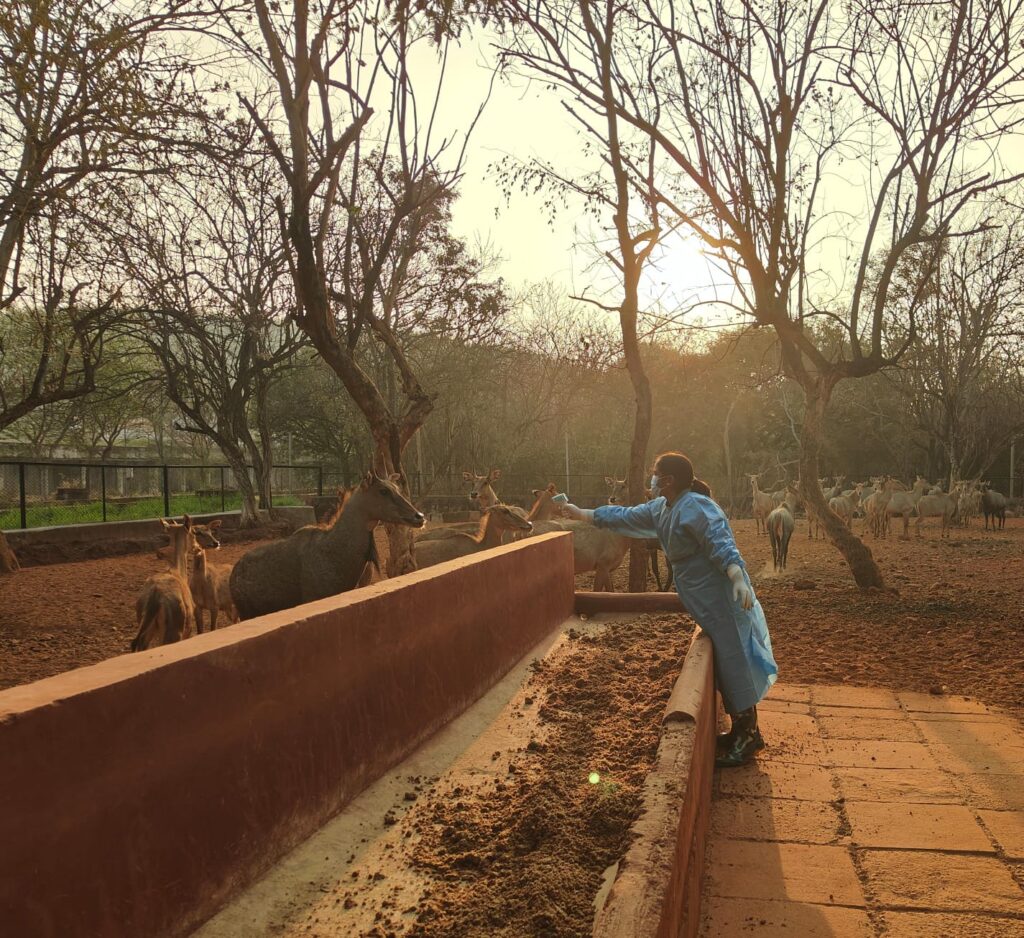
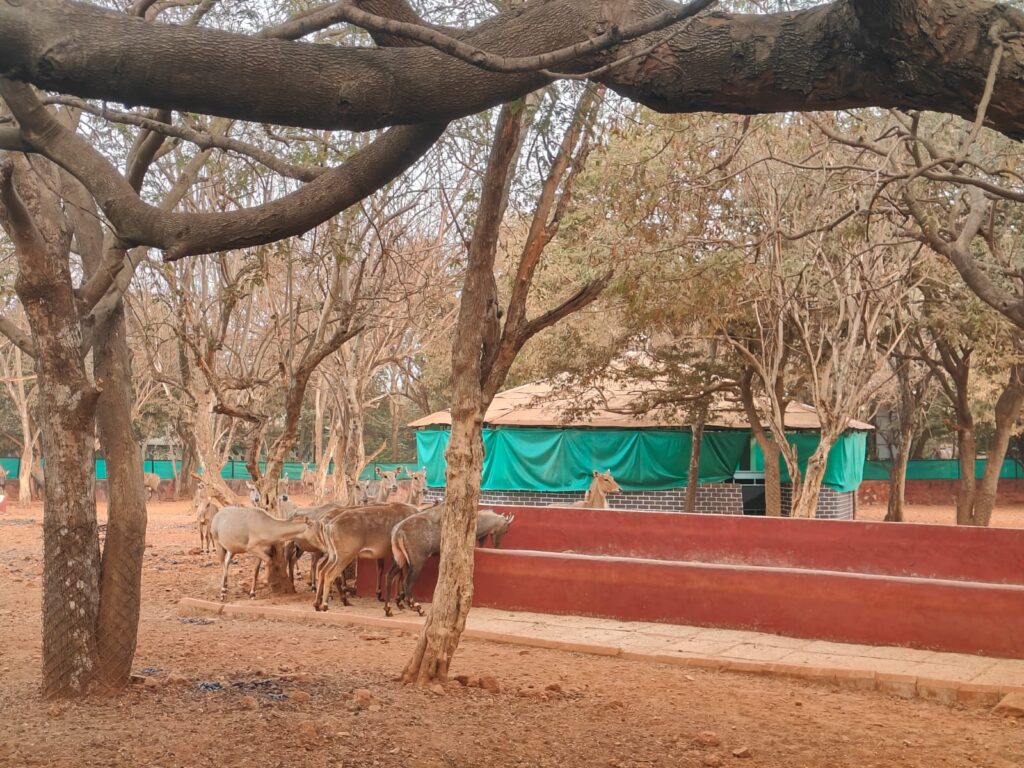
The RFO added, “On February 4 itself, all precautions and quarantine measures were initiated at Binkadakatti Zoo. All the Nilgai’s were put on antibiotics, immune booster and nutritional supplements. All the sheds were covered with green shade net and other zoo keepers were not allowed in this area where the antelopes are housed. We have ensured that there are no animal keepers at the herbivores section of our zoo who have cattle or domesticated animals at home.”
After February 4th, deaths of any antelopes or herbivores have not occurred in the Binkadakatti Zoo at Gadag. All animals are safe as all necessary precautionary and quarantine measures were initiated from 4th itself, informed Dr Pavithra, Veterinary Doctor, Gadag Zoo.
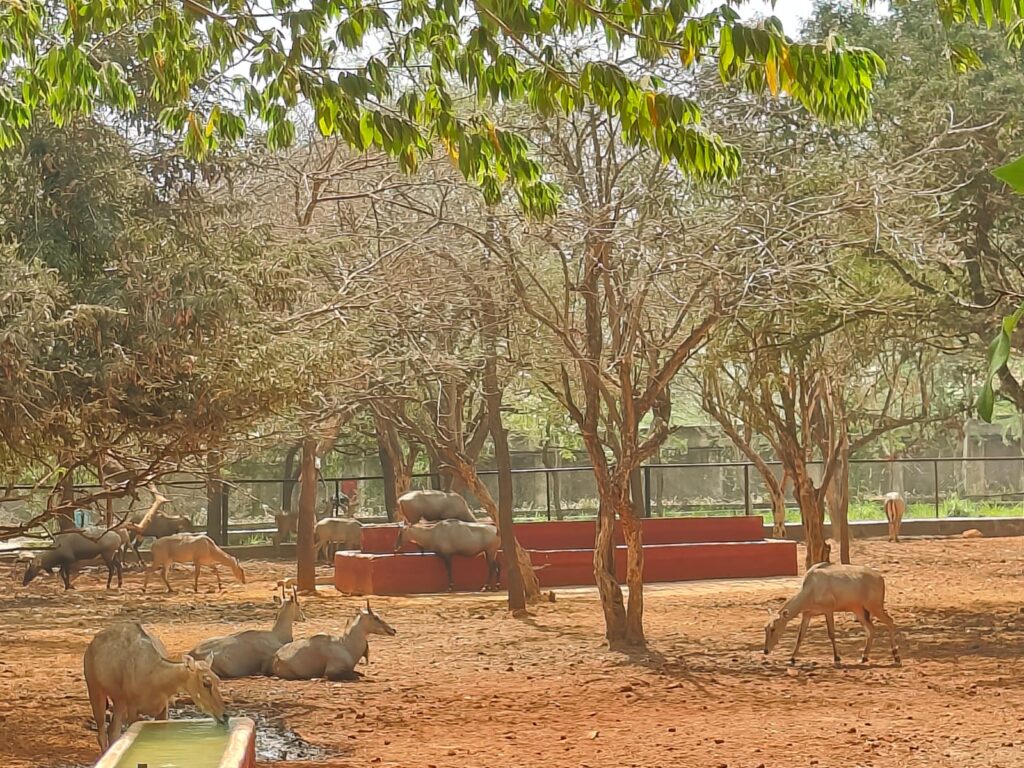
Dr Pavithra added, “All Nilgais are healthy, alert and active. Their water and feed intake is normal. None of the antelopes are displaying any symptoms of HS. They are under 24×7 observation. We are using infra-red thermal thermometers to measure their body temperature from a distance. The first symptoms of HS are fever, respiratory distress, swelling, fatigue, etc. We have put them on antibiotic treatment and also immunity boosters.”
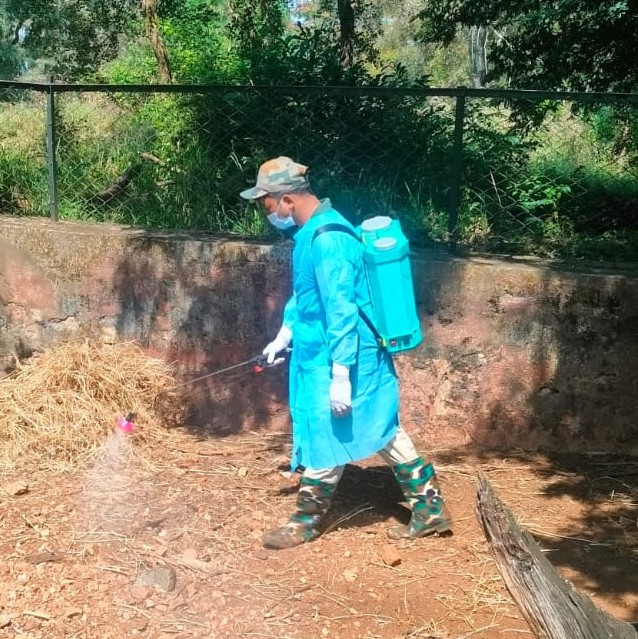
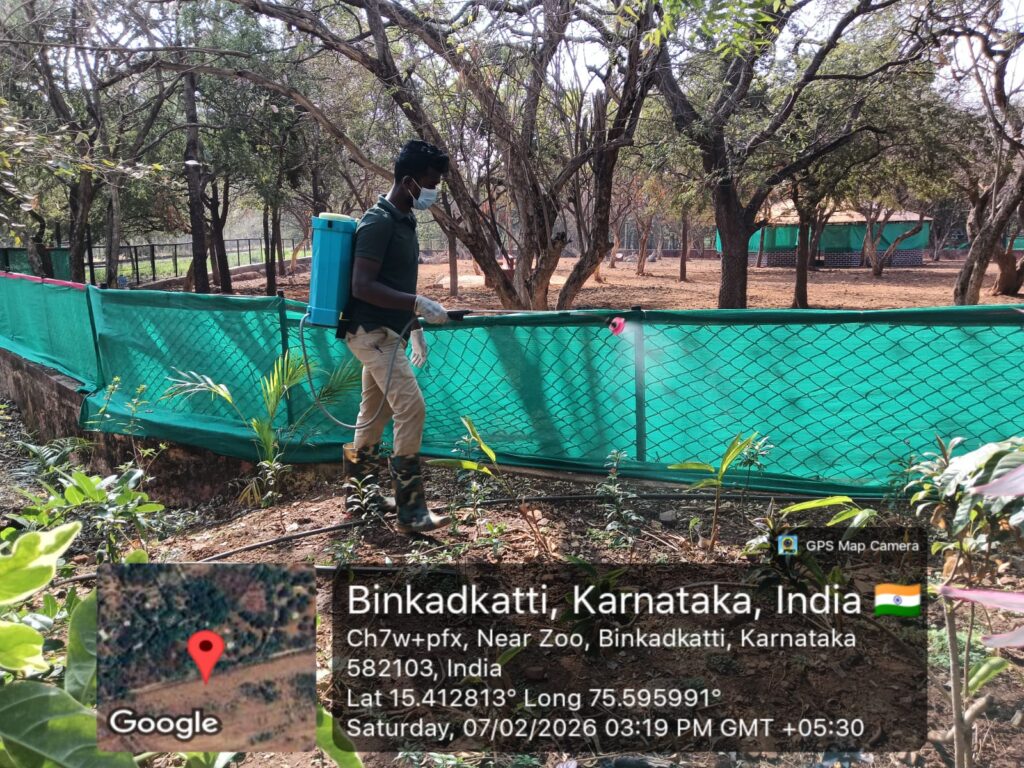
At the Binkadakatti Zoo, all isolation measures have been taken up with the Herbivores enclosures being covered by green shade nets. Further, to stop any aerosol transmission, anti-viral and anti-bacterial disinfectants are being sprayed twice – in the morning and evening. Barriers have been created and the animal keepers are on their toes while the CCTV surveillance ensures central monitoring.
BIO-SECURITY MEASURES
Apart from this, in the aftermath of the Belagavi incident, the animal keepers have been provided with masks, gloves, head caps and gum boots.
They have to sanitize and change their clothes and wear zoo uniforms before they enter the enclosures. All bio-security measures are being followed including foot dip and hand wash at both the entry and exit points to the Gadag Zoo.
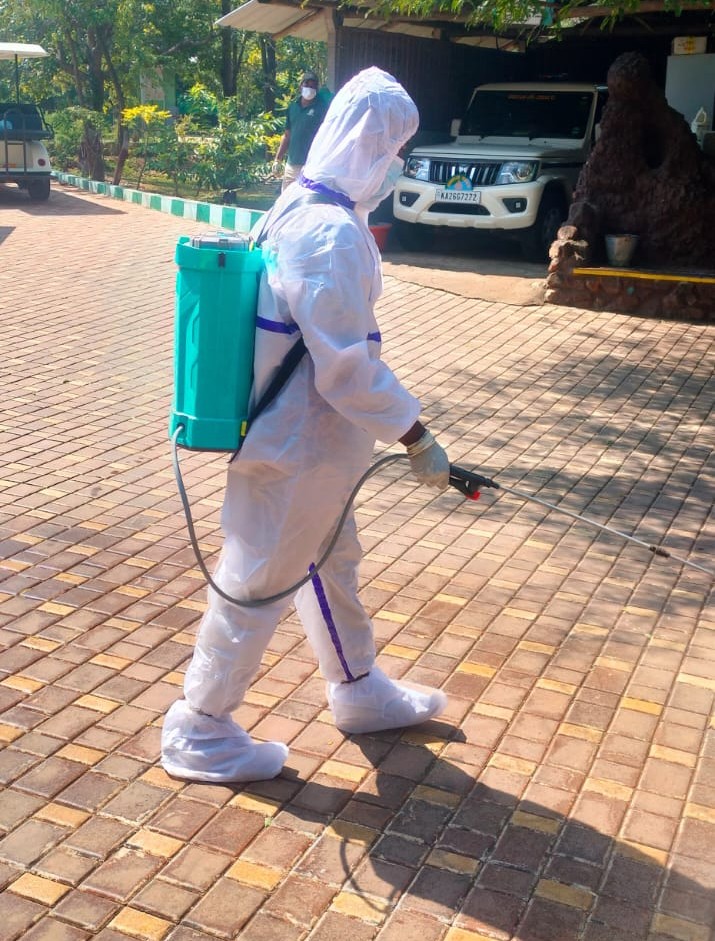
In fact, protective measures are going on a war footing at the zoo. Since the Gadag Zoo houses exotic and poultry birds, disinfectant is being sprayed here too. Further, all SOP of ZAK is being followed despite these birds being at a distance from the herbivores’ enclosures.
On the strict directions given by the health advisory committee formed in the wake of the death of the Nilgai, all steps were taken from February 4th itself which has in fact, stopped the spread of any outbreak of HS in the Binkadakatti Zoo.
When contacted Dr Prayag refused to divulge any further details, however, expressed his happiness and credited the entire team at Gadag Zoo for controlling and containing the fatal disease.