
Meera Bhardwaj:
The death of three people in Karnataka this month due to human-elephant conflict (HEC) raises many questions on conflict management and whether the High Court orders are being followed or it has just become another direction to be discarded.
Further, conflicting reports have come in – with locals in Chikkamagaluru district alleging that the forest officials said it was safe to work after the first death as the jumbos had moved away while the forest minister said the farm workers were warned by officials and it becomes the responsibility of the estate owners if they allowed workers to work in estates during times of conflict.
The death of two farm workers in a coffee estate in Chikkamagaluru district, Karnataka has raised people’s ire, continuing protests and demands for more compensation in human-elephant conflicts. Till date, Chikkamagaluru has logged 15 deaths in six years; February’s two deaths marks nine in recent times.
TRAGIC CONFLICT INCIDENTS
On Feb 22, 33-year-old Boramma, a farm worker was trampledto death by a jumbo at Hunsehalli near Pura in Nagesh Gowda’s estate, Chikkamagaluru. Earlier, on Feb 16, another farm worker, 45-year-old Ellappa Shekappa too was killed by a wild elephant in the same estate. Both the farm workers hailed from Haveri district in north Karnataka.
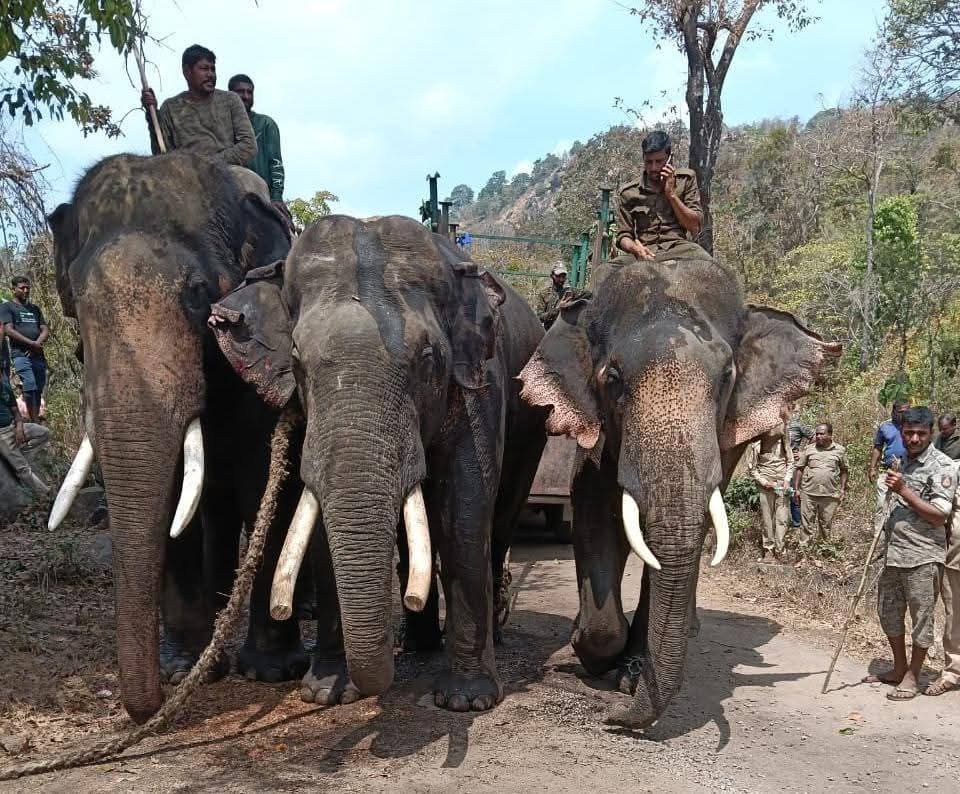
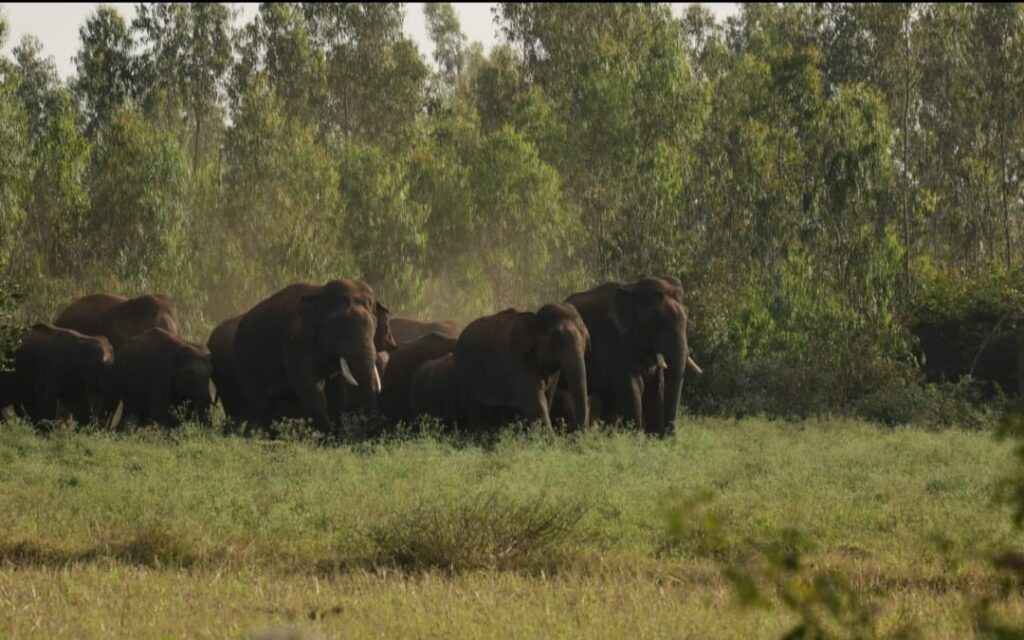
According to forest officials, 35 elephants are roaming outside the forest in Chikkamagaluru district in three groups, and it is common for them to come out of the forest in the summer season.
The two back-to-back incidents of death not only sparked protest but also bandh as local people claimed that the forest department had informed the people that the wild elephants had moved away in the aftermath of a three-day-operation. With people resuming work after the first death, farm workers resumed their duties on Feb 22 but the same day, a woman worker was trampled to death.
Chikkamagaluru’s coffee estates, once known for its serene landscapes, is today replete with protests and bandhs due to these two deaths. In a grim seven-day-span this month, these two migrant workers were trampled to death at the same Hunasehalli estate near Balehonnur. Protests erupted, highways were blockaded, and police resorted to lathis, injuring 10 officers.
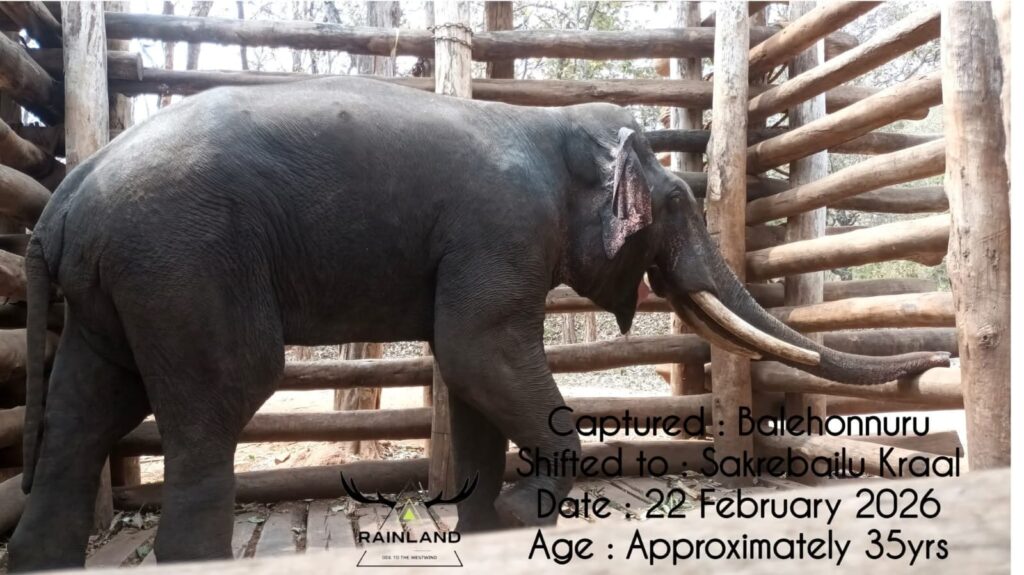
It seems the Forest Department’s capture of one tusker on Feb 22 came too late, reigniting accusations of negligence amidst Karnataka’s raging human-elephant conflicts in south interior parts of the state.
FOREST MINISTER’S INSTRUCTIONS
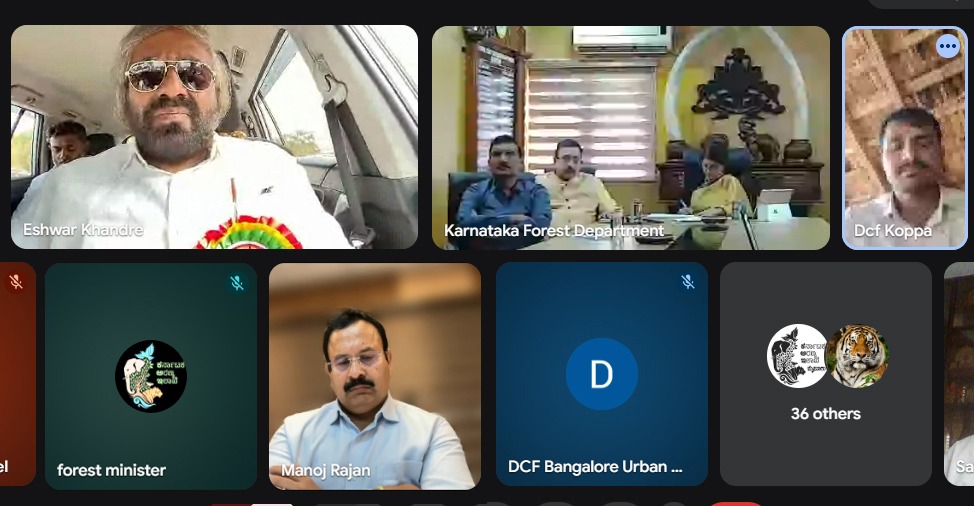
In an emergency meeting held on Feb 23, Forest, Ecology and Environment Minister instructed concerned officials to immediately take action and forward information to the plantation growers’ organization and labour organizations and local leaders as soon as information is received about the movement of wildlife in forest lands.
Eshwar Khandre instructed them to create WhatsApp groups of local leaders and landowners of villages in areas where there is wildlife-human conflict and disseminate information. The officials and staff should keep a 24×7 vigil to prevent such an incident from recurring. Section 144 should be implemented and wildlife control operations should be carried out. He suggested usage of sophisticated equipment such as thermal drones.
A Predictable Tragedy
However, the human-elephant conflict unfolded in Chikkamagaluru district despite clear warnings. Post-Ellappa’s death on 16th, forest officials deputed teams on February 18–19 for capture operations near Keremane-Beranagodu, deploying kumkis and veterinarians. Local residents claimed elephants were merely “herded away,” lulling workers back to field resulting in Boramma’s fatal encounter. Protesters torched effigies, demanding Rs 50 lakh compensation and fences; while a FIR named 29 persons for rioting.
According to the Forest Minister, locals were informed not to go to the plantation as the forest officials said that this death occurred as they went to the plantation. “If the plantation owners send workers to the plantation even after the forest department has issued a warning, such owners should be warned and the plantation owners should also be held responsible. If they show negligence, they should file a complaint. In view of the summer season, the next 2-3 months will be very difficult, he said, senior officials should go to the areas where there is wildlife-human conflict and guide the officers and staff.”
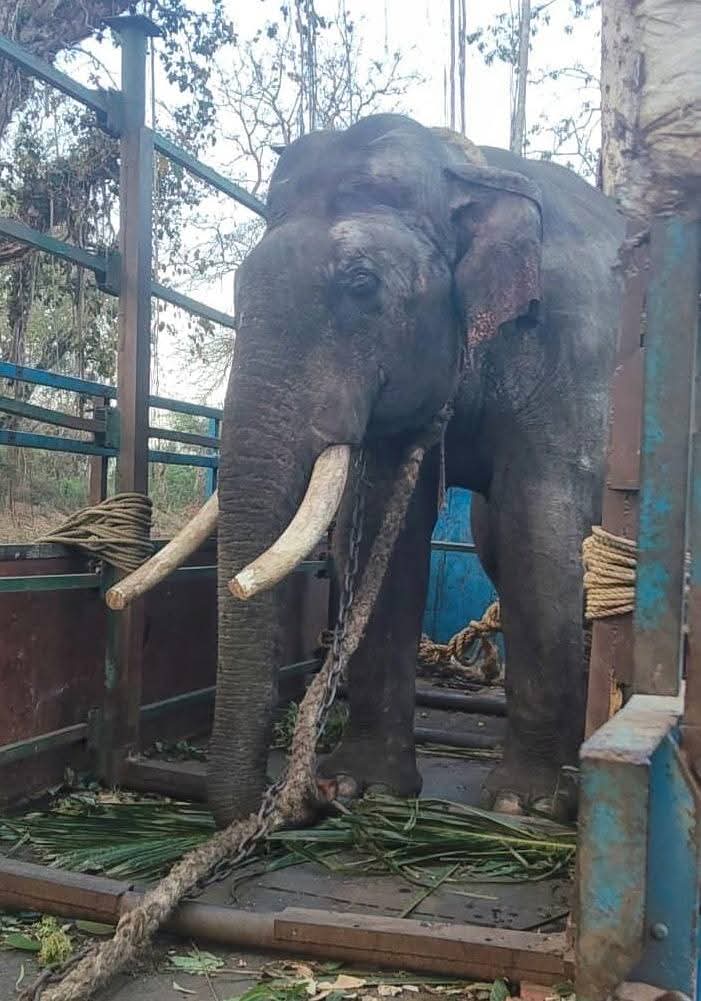
But local conservationists said, “Capture of the elephant succeeded on February 22 via darting, but why the delay? Further, reports cite tracking woes with 35 elephants in three herds while villagers decried poor alerts – no drones, no WhatsApp warnings despite Forest Minister Eshwar Khandre’s Feb 23 mandate for “immediate” notifications and warnings.”
Systemic Failures
Karnataka High Court 2023 guidelines clearly state: 24/7 cells, bulk SMS but grievance panels gather dust, as do 2025 electrocution orders for mapping and collaring.
Wildlife Vet experts add, “Repeated elephant capture operations have faltered on existing guidelines and SOPs: night darts, stress, terrain risks mirror past botches where elephants have died post-capture. Indeed, February month has turned tragic for workers as one more person, Gurumallappa was killed in an attack by a wild elephant in T Narsipura taluk, Mysuru district on Feb 17.”
FIXING THE CORE ISSUE
Wildlife experts slam reactive captures over habitat fixes – elephant corridors, solar fences, soft releases (20 sq km enclosures scientifically viable). They add, “Forest encroachments, vanishing wildlife corridors, diversion of forest lands for linear structures and climate changes have pushed herds into estates, but forest officials prioritize optics over preventive measures.”
Voices from the Ground “Teams came, elephants vanished, we resumed work, then death followed,” wailed survivors in the coffee estate. If MP Kota Srinivas Poojari urged probes; locals eyed Sringeri bandh a success even as the two deaths just turned into a statistical detail of conflict deaths. With 203 conflict deaths statewide in four years, Chikkamagaluru exemplifies governance rot at every level.
The Karnataka state government must enforce High Court mandates, invest in smart technology and train its staff, and prioritize lives over headlines or Malenad’s blood will flow on.