
Meera Bhardwaj:
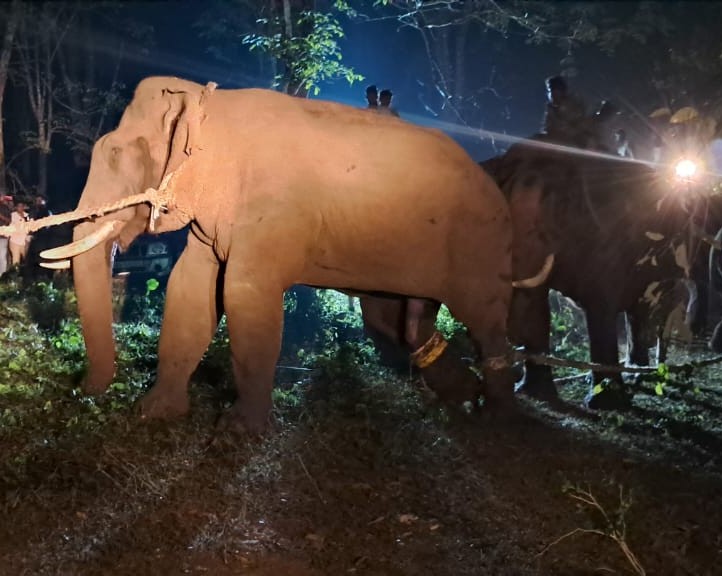
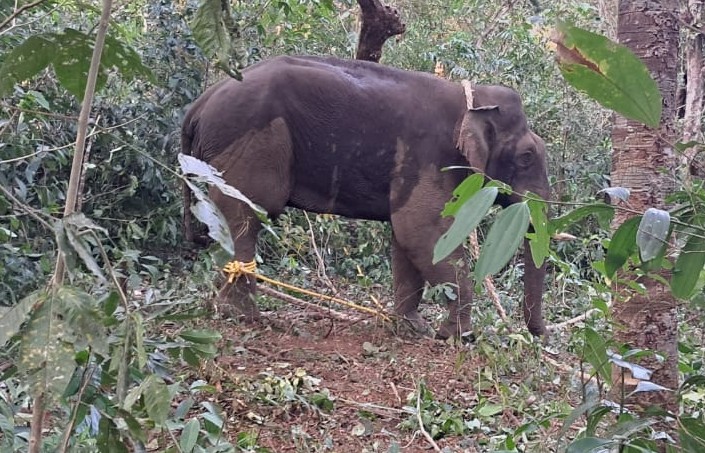
The March 2nd incident of the capture of a Makhna elephant in Channapatna, Bengaluru South district, Karnataka will go down in wildlife history as one of the most brutal operations ever done in the state. Witnessing the capture operations, eyewitnesses and wildlife activists said, it reminded them of Khedda operations. In fact, the last Khedda (trapping of wild elephants) operations was done in India during 1970-71 in the Kakanakhote forests near Kabini Rive, Mysuru district before the formulation of Wildlife (Protection) Act, 1972.
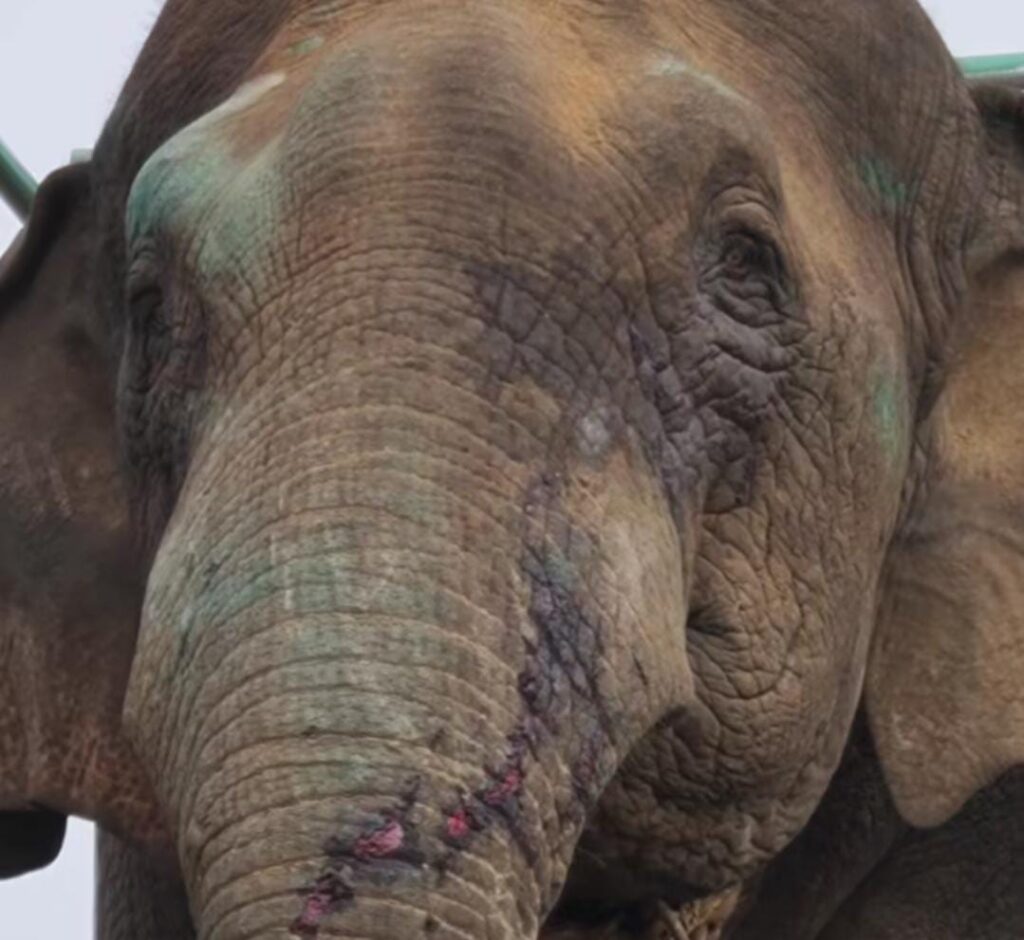
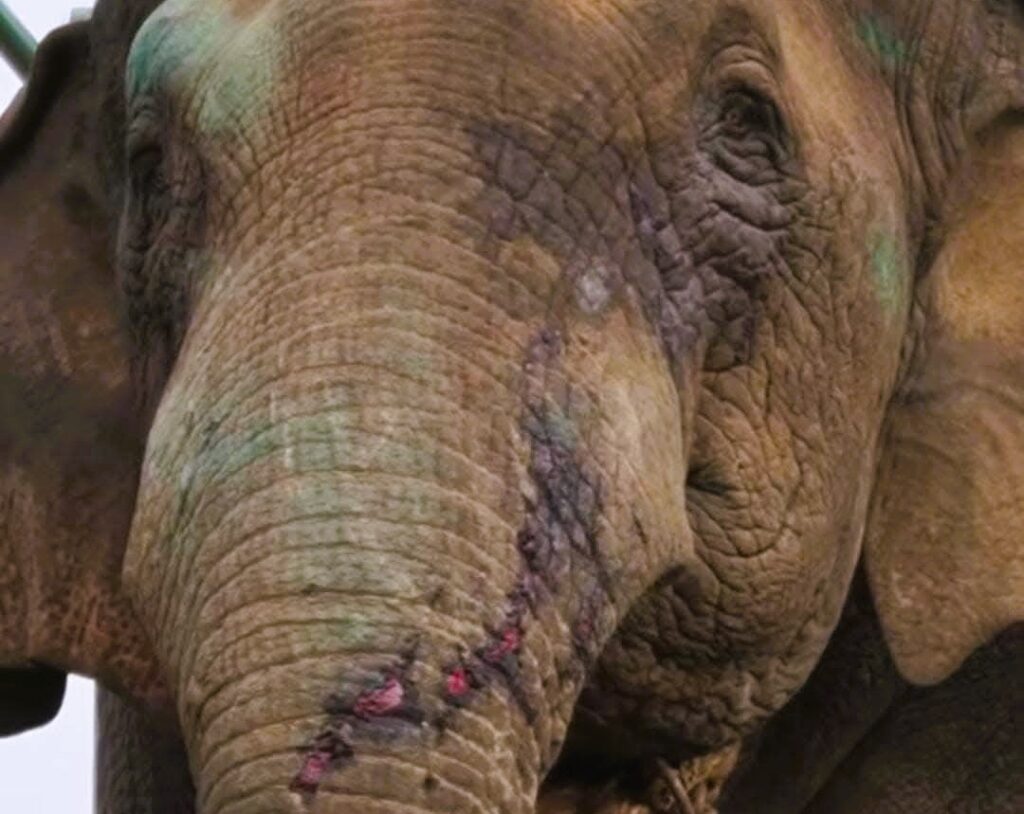
“The Channapatna Elephant Capture seemed like a grotesque spectacle of unbearable cruelty inflicted on a mute animal that left the gentle giant with injuries to its trunk from repeated jabs from a monstrous JCB apart from scratches,” claimed eyewitnesses.
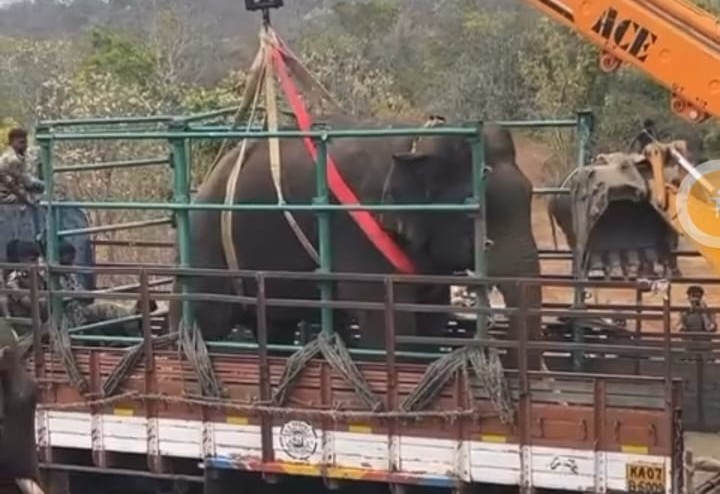
They added, “This was followed by violent shoving of its sedated body into a truck like a discarded piece of trash. We Indians consider elephants as our national animal and worship it in the form of Lord Ganesha and not dump it so cruelly because it was involved in conflicts.”
This isn’t an isolated incident or blunder in Karnataka; it’s the latest in a blood-soaked saga where Karnataka Forest Department operations prioritize expediency over ethics, traumatizing free-ranging gentle giants be it elephants, tigers or gaurs under the garb of conflict resolution.
What does the KFD say?
According to APCCF (Wildlife) Biswajit Mishra, it was an unfortunate incident and it should not have happened. Every care is taken so that the captured elephant does not sustain injury during the operations. The operations looked crude and the JCB was not required at that time when loading the elephant into the vehicle.”
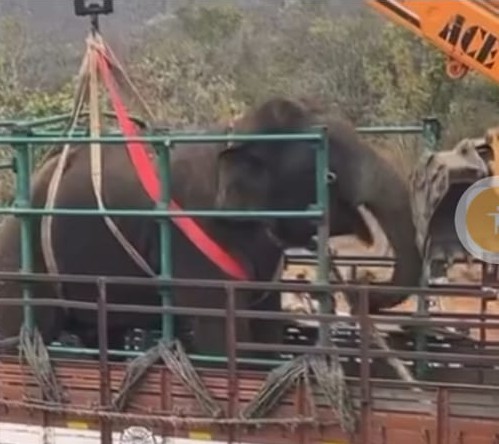
Speaking to Green Minute News, DCF Ramanagara Ramkrishna who was overseeing the operations said, “The incident happened suddenly and it was very unfortunate. When the elephant was lifted into the vehicle, the elephant kept banging its trunk against the giant arm of the JCB which should have been avoided totally. I was busy at that time talking to officials and making arrangements for its transportation. The technical team should have avoided the banging episode and maybe, to avoid the elephant to come out of the truck, they used the JCB.”
Savage Mechanics of the Horror
Many eyewitness accounts and also the viral footage of (available in the public domain) the Channapatna elephant capture operations demonstrate the horror committed by the technical team. In fact, a powerful JCB is meant for earth-moving or massive diggings in infrastructure projects and not used so frivolously or indiscriminately for animal handlings.
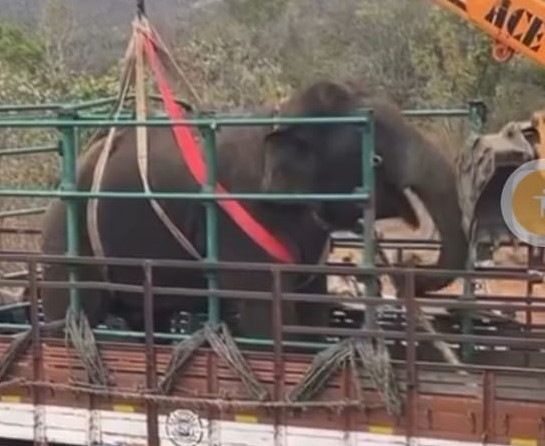
But on March 2nd, this monstrous machine was delivered repeated, forceful prods to the elephant’s sensitive snout. Now how should the JCB operator know that the elephant’s snout is its lifeline for breathing, feeding, and social bonding. Despite Kumki (trained) elephants requisitioned from Dubare Elephant Camp and tranquilizer darts, this huge machinery was used after the capture. The capture operations was done in the aftermath of farmers’ protests over crop raids near Kempikatte Kere in Channapatna taluk.
What was the Banging result?
A majestic Makhna, already stressed from human encroachments and disappearance of its habitat and corridors, now desperately fights for recovery facing an uncertain fate and captive future, stress activists. Now its injuries (which can be clearly seen in the photos) are a testament to reckless improvisation in handling conflict situation that in fact, openly mocks SOPs and guidelines given by MoEFCC time and again.
However, Ramnagara DCF said, “The injuries were sustained during the capture operations as it had scratches on its trunk due to thorny & spiny bushes and from Kumkhi elephants. The doctor examined the elephant and it is a healthy 50 plus year old animal. It has neither sustained any fractures or internal injuries due to the banging with the JCB. Action has to be taken against the technical team from the camp who were responsible for the use of JCB all of a sudden.”
According to wildlife experts, people who have been part of capture operations in the state say that earlier, there have been instances of banging by the elephant with the JCB and even during transportation. These have led to head and skull injuries and finally, causing death. In the Channapatna incident, only an X-Ray or a scan will reveal if it has sustained any fractures or internal injuries.
A Trail of Death and Debacle Last 13 years
Karnataka’s “Operation Jumbo” has captured 106 elephants since 2013, but the jumbo body count tells the real and different story.
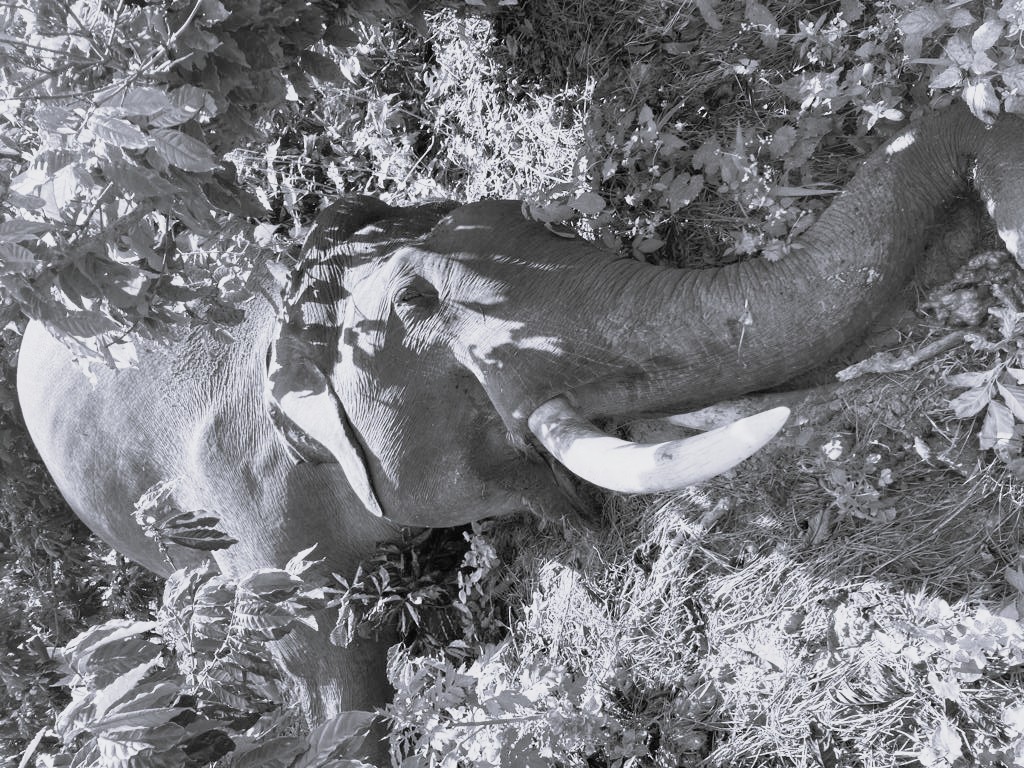
- At least three elephants perished during 2023 captures operations alone, including the Kumki Arjuna in Hassan, where autopsy has delayed the buried evidence of negligence.
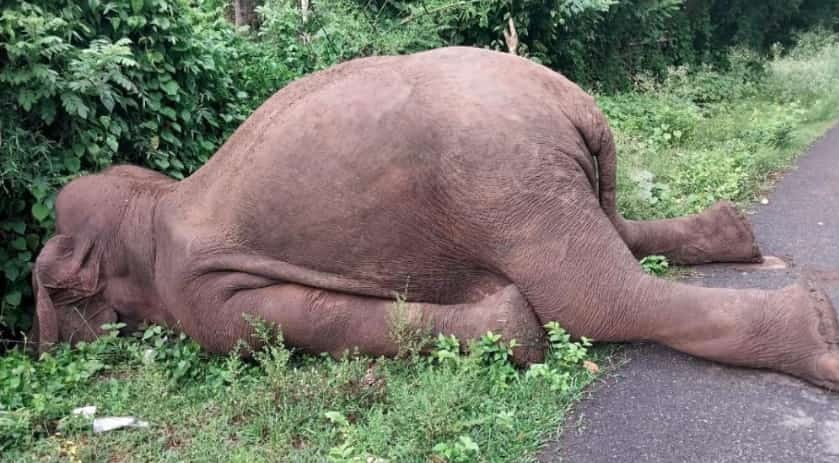
- In 2023-24, unnatural deaths spiked to 14 amid 101 total elephant fatalities, some tied to botched captures, translocations, electrocutions, poisonings, fruit blasts, kraal beatings, and post-capture stress.
- The Channapatna elephant capture echoe Kerala’s Wayanad recaptures where elephants simply dropped dead from exhaustion and abuse.
Are We going back to the Khedda Era?
Kraals, these medieval enclosures meant for captured elephants and calves, inflict physical lashes, torturous pushing and psychological torment, turning wild spirits into broken shells by their caretakers, caregivers and protectors.
This cocktail of insensitivity shown by the Karnataka Forest Department and the Karnataka government has cost us one too many elephants – 294 deaths reported statewide by late 2024. Added to these numbers, frequent captures (some botched up operations) have been fuelling the fire of elephant deaths.
Open Violation of Standard Protocols
Project Elephant’s own Recommended Operating Procedure explicitly limits JCBs to peripheral tasks like path-clearing, demanding Kumki-led immobilization and zero direct machinery contact to avoid trauma to the conflict jumbos.
APCCF (Project Elephant) for Karnataka was not available for his comments.
Yet here we are, with the Karnataka Forest Department flouting these SOPs as animal right bodies have long screamed: “unscientific and ineffective,” urging an end to wildlife captures in favour of protection of habitat and corridors and early warnings issued to people living in forest fringe areas through social media.
The Karnataka High Court has probed Section 11 permissions under Wildlife Protection Act, but accountability evaporates as who investigates the investigators when farmers bay for blood of the innocent and mute jumbos or any other conflict wildlife?
Section 11 authorizes the Chief Wildlife Warden to permit hunting or culling of specific wild animals if they are dangerous to human life/property, or disabled/diseased beyond recovery. This applies to Schedules I, II, III, and IV, requiring written orders, justifications, and minimal trauma during action. But are they actually followed to the teeth?
No More Excuses: Need for Injury Audits
For the Channapatna elephant capture, nobody can be forget the desperate banging by the jumbo against the JCB. As per Forest Minister Eshwar Khandre directions, all the guidelines must be followed but the KFD seem to have forgotten all the guidelines given by the MoEFCC.
All capture operations must face reprimands, mandatory injury audits, and suspensions of officials for every JCB-wielding in charge. They are responsible for any injury sustained during the operations followed by the irreparable mental trauma.
Now Shift now to science?
Over the years, installation of railway barricades, solar tentacle fencing, community compensation, and reversing deforestation have driven these “conflicts.” Karnataka is haemorrhaging its own elephant population to callousness; show mercy before the last wild heart stops for ever. Our persecuted gentle giants demand justice, not more and more graves.
Elephant, our national animal and a Schedule-1 protected species under the Wildlife (Protection) Act, 1972 has been treated worse than a hazardous waste matter. The Channapatna elephant – just a crop raider was captured (without a thought) – is a Makhna. This is a male Asian elephant which lacks tusks or has only very small, rudimentary tushes and is found only in India and Sri Lanka.
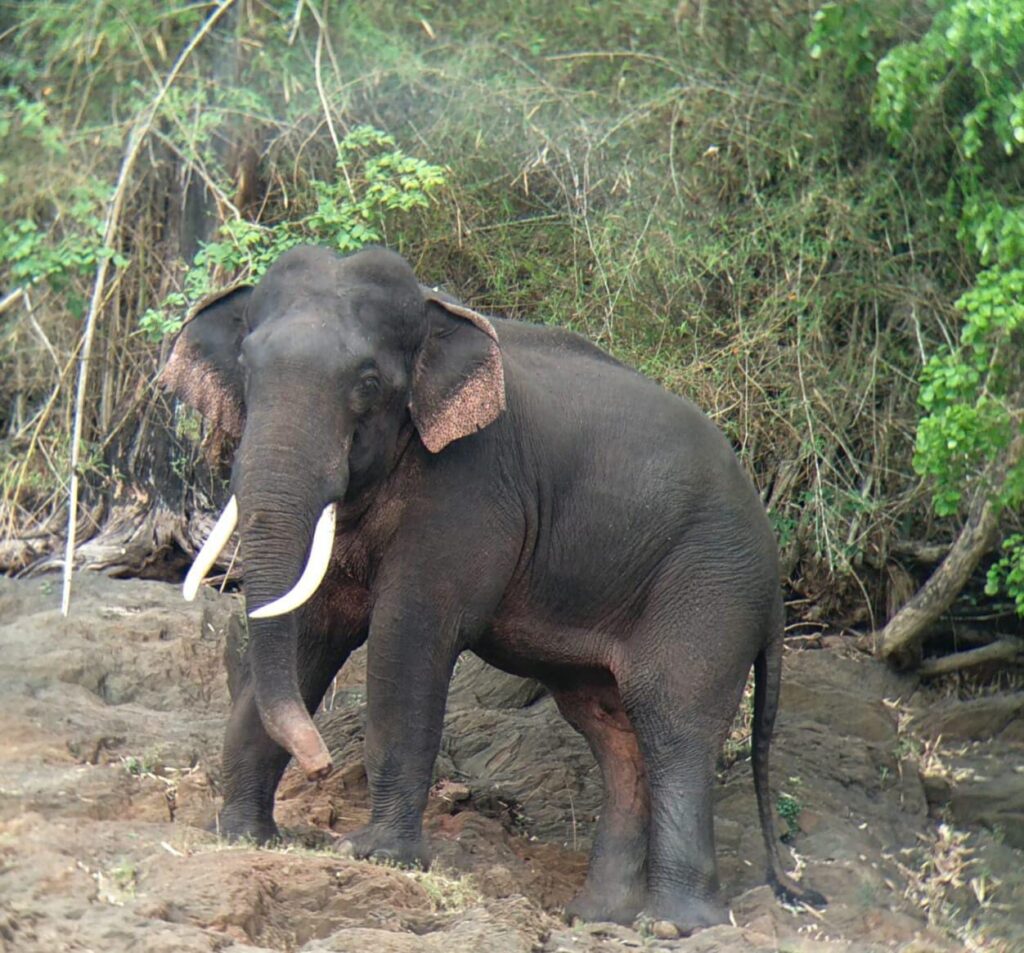
Capture of elephants has become very common in Karnataka which has the highest population of 6399 elephants (just a static statistic since the last census) in the country. Further, India is home to 60 percent of world’s population of wild elephants and has formulated the best conservation and protection strategies in the world under the WPA. But alas! Day in and day out, wild elephants are being captured as a short-term solution to address conflicts sans SOPs and guidelines.
By this time at least, Karnataka’s successive governments should have realized that capturing wild elephants will not solve the problem in the long-term. In fact, focus should be on immediate stoppage of diversion of forest lands, habitat and elephant corridor restoration and protection and not building tunnels through forests, transmission lines through forests and sinking forests for hydro projects.