
R S Tejus:
The recent move to extend power connections to human settlements inside the premier Nagarhole Tiger Reserve in Karnataka may look like an ordinary development work but it raises a very important conservation question that is happening within a tiger reserve that receives the highest protection under the Wildlife (Protection) Act.
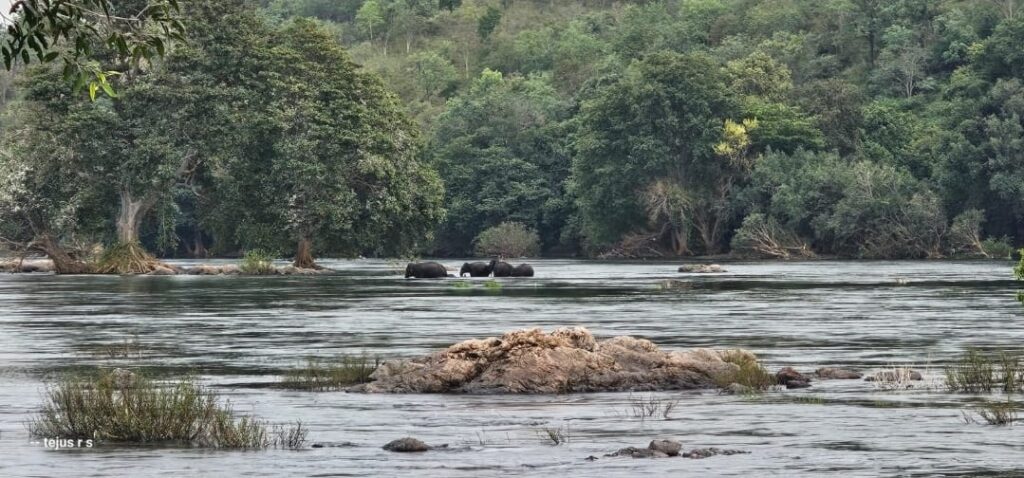
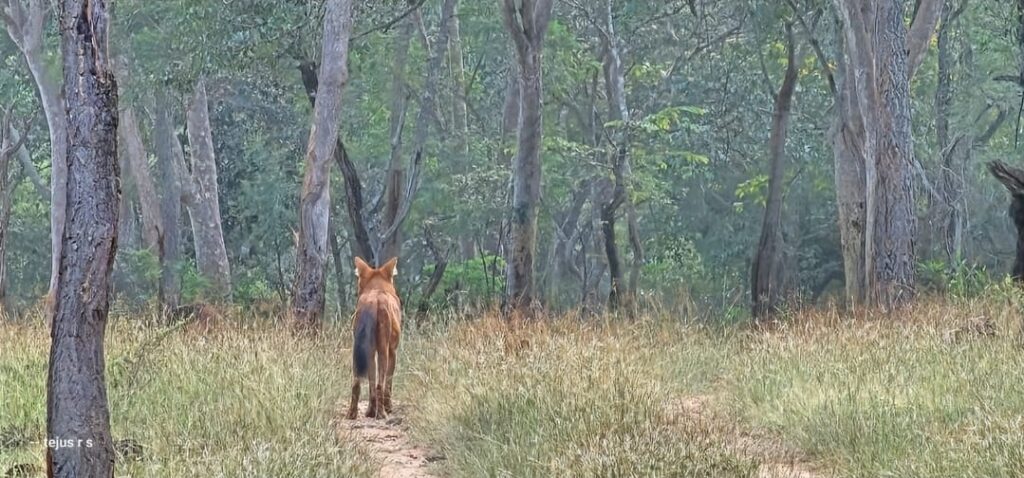
Nagarhole Tiger Reserve spreads across about 643 sq km supports one of the most important wildlife populations in India, including over 100 tigers, elephants and many other species. However, inside this forest landscape, there are 55 hamlets with nearly 6,000 forest dwellers. This leads to a simple but serious question: how long can such a situation continue inside a protected area with limited forest space?
Studies have shown that infrastructure development inside wildlife habitats rarely stops with one facility as development usually comes step by step. Today electricity, tomorrow roads, then community centres, schools, primary health centres and shops.
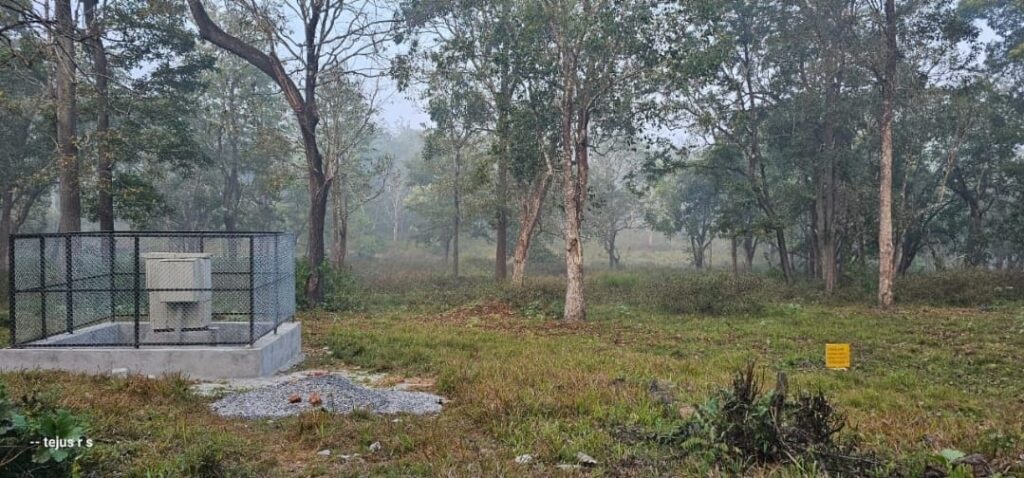
Slowly these human settlements within this tiger reserve expands. What begins as a small hamlet can gradually grow into a village and eventually a town and maybe, a city in the future. Every new structure increases disturbance to wildlife and breaks forests into smaller patches. This process is called habitat fragmentation. Fragmented forests make it easier for people to enter deep forest areas, extract forest resources and increase human-wildlife conflict. In the end, the loser is always the wildlife as it has no voice.
Many people believe that humans and wildlife can live together in complete harmony inside forests. But scientific studies show that large wildlife populations decline when they have to compete for resources with high human population densities. Such coexistence works only when human populations are extremely small like the Jarawas in Andaman or Sentinelese in Nicobar, they truly live like forest dwellers and when forest use is limited to just basic survival needs. In Indian mainland, the situation is very different. Human populations are large and forests are limited.
Another pressure comes from the commercial collection of non-timber forest produce (NTFP). Scientific reports show that activities such as cutting branches, removing bark, digging roots and destroying honeycombs can damage forest ecosystems. Studies indicate that 14 to 23 percent of certain plant species can be destroyed every year due to irresponsible extraction, and significant genetic diversity can be lost. Over a period of time, the forest itself becomes weaker and both wildlife and these people who crave for modern amenities suffer living inside the forest.
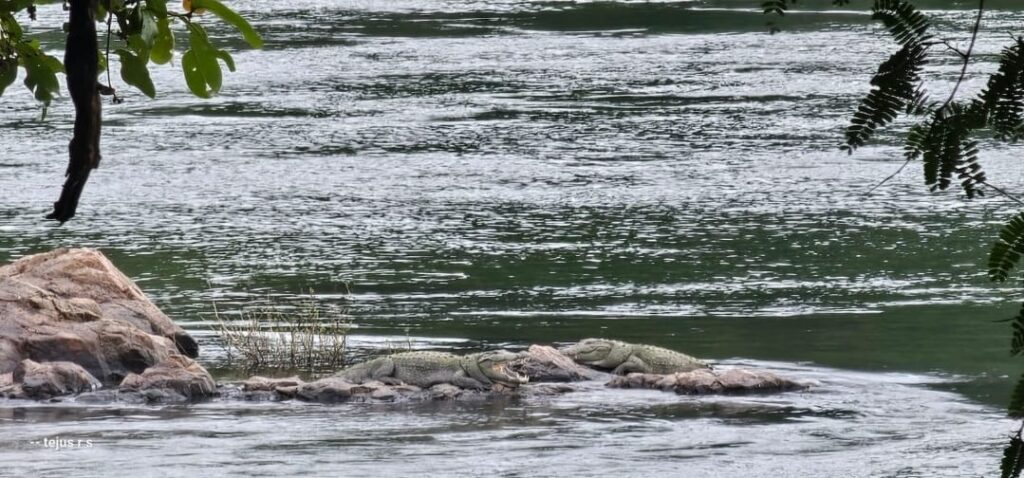
Let us not compare India’s wildlife reserves which are very small with African wildlife reserves that stretch thousands of square kilometres. In many African countries, wildlife survives in vast landscapes like the Kruger National Park with an area of 20,000 sq kms where animals can safely move across huge areas while other big animals move from country to country for instance, crocodiles and hippopotamus swimming across the Zambezi River from Zimbabwe to Zambia.
In India, protected areas like Nagarhole Tiger Reserve or MM Hills Sanctuary are relatively very small islands of biodiversity surrounded by burgeoning human settlements and rising population. Expecting these limited forests to permanently support both dense human populations and large wildlife populations is simply not realistic, the policy makers should realize.
At the same time, the central and state governments must recognise that forest dwellers also have rights and aspirations. Like every citizen of India, they have the fundamental right under Article 19 of the Constitution to move freely and settle anywhere in the country. Unfortunately, today’s forest dwellers living inside forests want access to better schools, hospitals, roads and livelihood opportunities. Wanting a better future for their children is natural but that should be outside the forests and not inside.
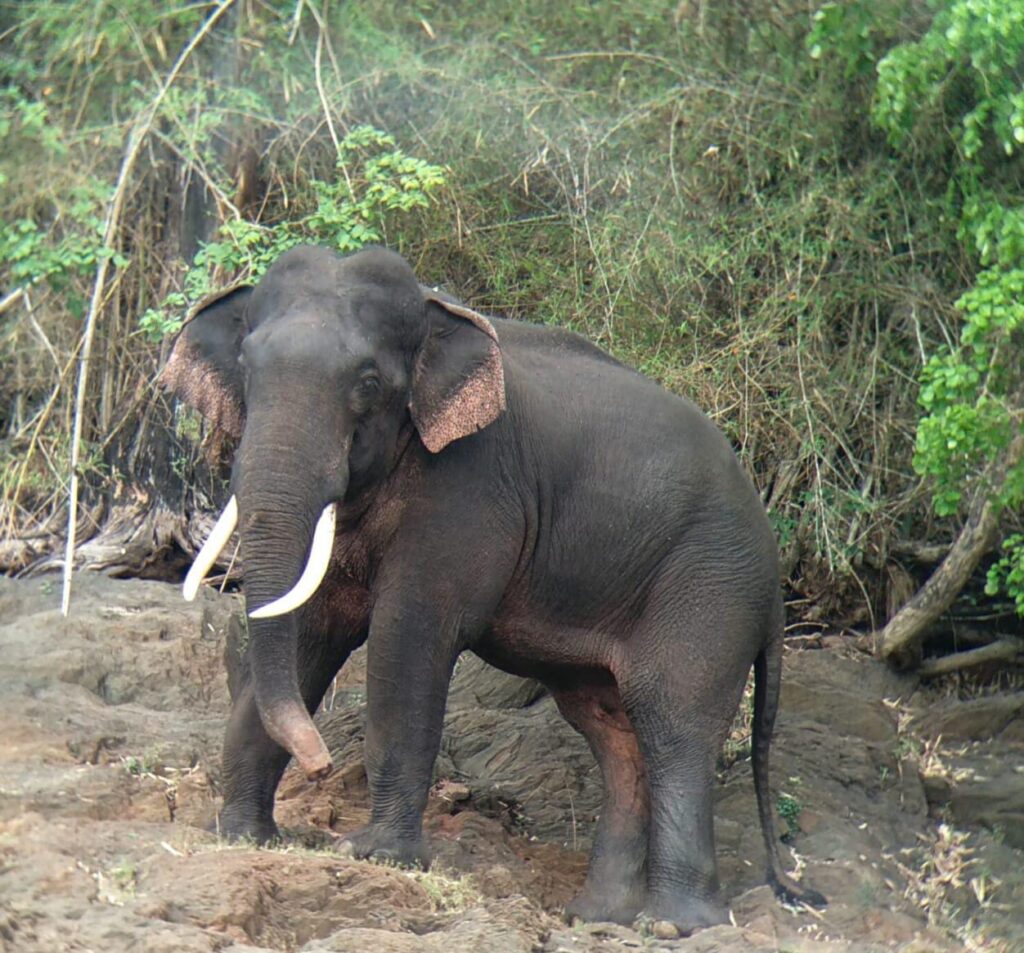
This is the reason why voluntary relocation has emerged as a very practical and humane solution for the aspirations and modern needs of forest dwellers. It is important to clearly state that voluntary relocation under conservation programmes is not forced. It is based on choice. Families who wish to move outside the forests need to be provided with land, houses, compensation, livelihoods and support system to rebuild their lives outside the forest. When done properly, voluntary relocation improves living conditions of people while allowing forests to recover and thrive.
India already has strong examples that show how well voluntary relocation can work. The relocation programme in Bhadra Tiger Reserve of Karnataka is one of the best-known success stories. Families who moved out received better housing, access to services and new livelihood opportunities.
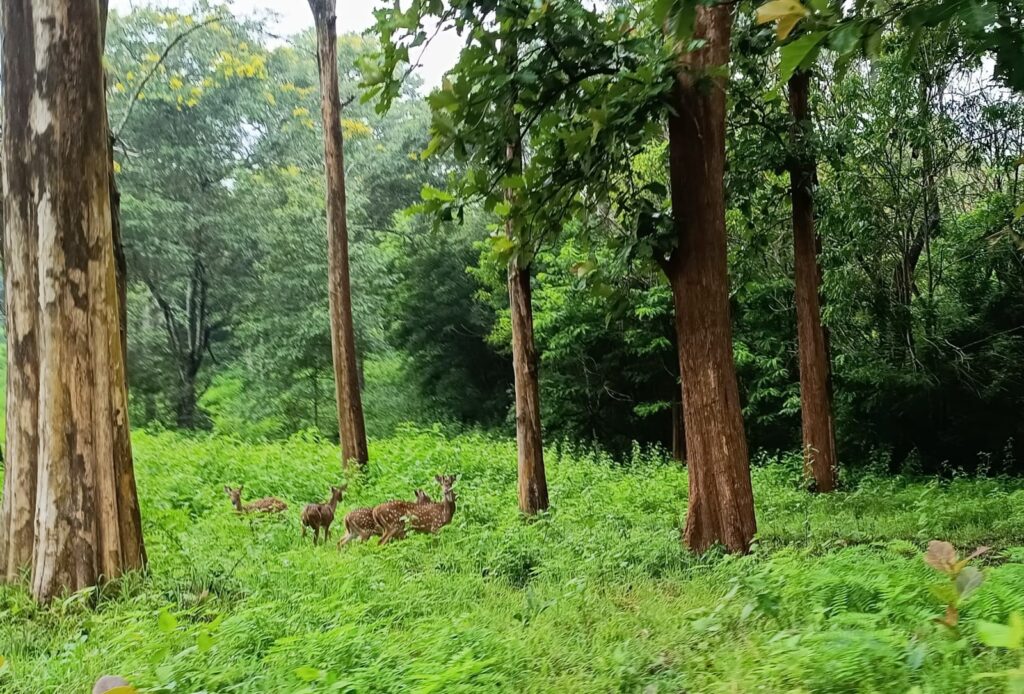
At the same time, the forest recovered and wildlife populations increased. Another powerful example comes from Debrigarh Sanctuary in Odisha, where committed forest officers led voluntary relocation efforts with dedication and transparency. These examples show that when the system works properly, both wildlife and people benefit.
Forest officers who are willing to implement voluntary relocation programs in Nagarhole Tiger Reserve also need strong support at every level. Governments, responsible NGOs and concerned citizens must assist them in carrying out these programmes properly. With the right administrative support and political will, voluntary relocation can become a positive step for conservation and human welfare.
(PHOTO CREDIT: THE FIRST FOUR PHOTOS BY R S TEJUS)