
GREEN MINUTE NEWS:
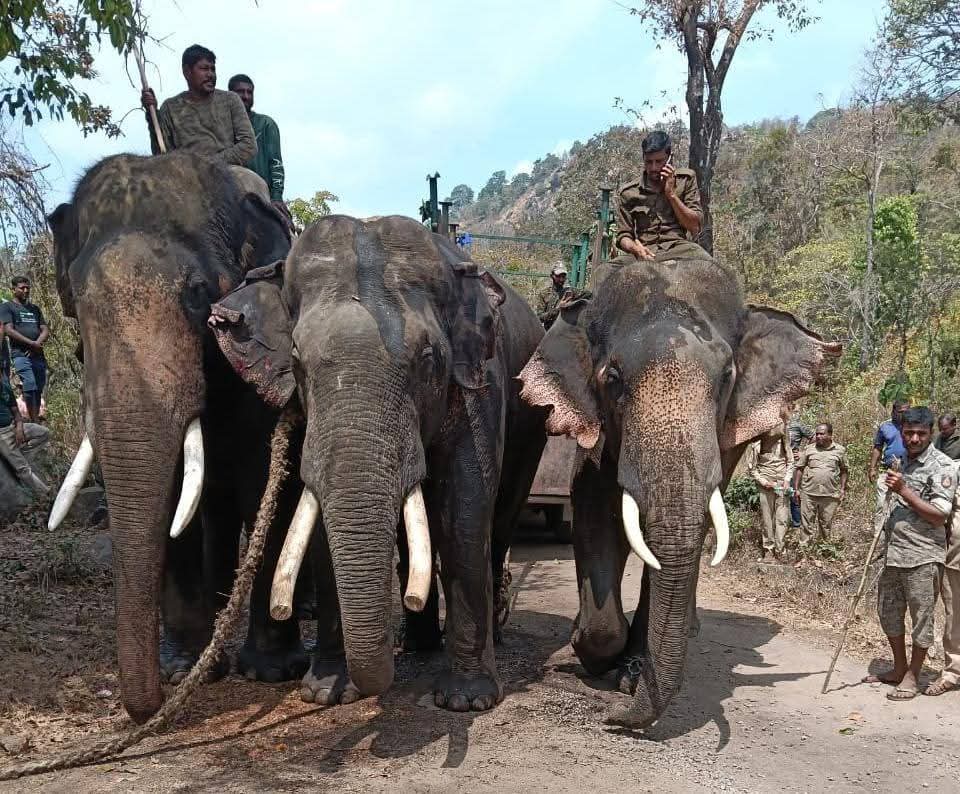
Karnataka’s forests, conflict landscapes and zoos are being asked to protect wildlife with a veterinary system that is far too thin or even abysmal, too under-funded and too neglected for dealing with a challenging task.
The Karnataka Forest Department is facing acute shortage of wildlife veterinary doctors and with rising human-wildlife conflicts, the Karnataka government has turned a blind eye.
Presently, the KFD is spending a meagre Rs10-20 lakh per year out of Rs 500 crore annual allocations for wildlife conservation and management.

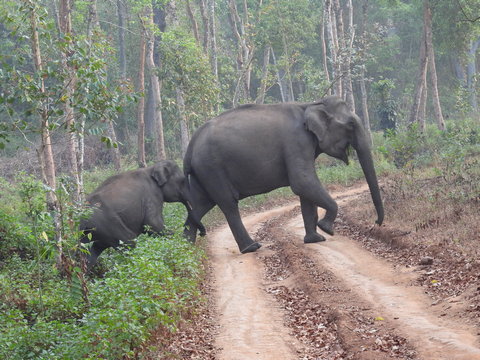
At present, only six veterinary posts have been created to address the wildlife health care requirements of the state which has 61 protected areas.
These include:
- 36 sanctuaries
- 5 national parks
- 5 tiger reserves
- 19 conservation reserves
- 01 community reserve
Apart from this, Karnataka has 14 major zoos, safari parks.
Further, four wetland protected areas with prominent bird population have been declared as Ramsar Sites.
SERVING 6 VETS ON DEPUTATION ONLY
Even these 6 posts have been filled on deputation from the Karnataka Animal Husbandry & Veterinary Services Department (KAH&VSD). It is ironical that the KAH&VS too is functioning with an acute shortage of nearly 56 percent of sanctioned veterinary posts.
Further, these officers are primarily trained and experienced in preventive and curative health mgmt of domestic livestock that is cattle, sheep, goats, pigs, and poultry.
These veterinary officers are not formally trained or specialized in advanced wildlife veterinary medicine. Further, to deal with wildlife, these vets require distinct competency in:
- chemical immobilization,
- wildlife anaesthesia,
- trauma management,
- epidemiological surveillance,
- zoo medicine,
- dealing with conflict animals &
- free-ranging wildlife interventions.
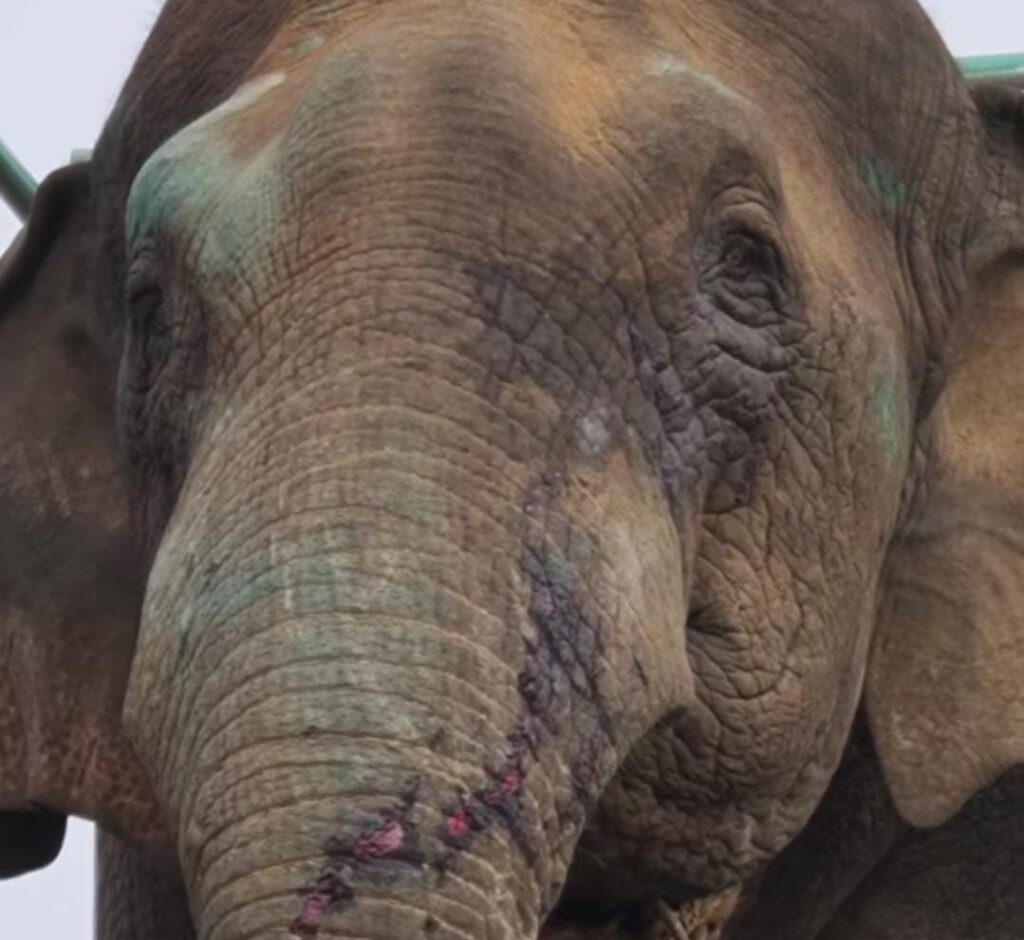
Till date, the Karnataka Forest Department has utterly failed to established a permanent cadre-based system for recruitment of qualified wildlife veterinarians with structured service rules and career progression pathways. As a result, institutional continuity, specialization, accountability mechanisms, and capacity building in wildlife veterinary services remain significantly compromised, wildlife experts stress.
The less said the better about veterinary infrastructure across zoological parks and wildlife divisions as it is severely inadequate and poor.
Most wildlife hospitals in Karnataka lack the following:
- Lack of essential equipment required to manage critical cases due to conflicts, captures, translocations, & emergency trauma.
- There is an absence of dedicated darting equipment,
- There is lack of modern anaesthesia delivery systems,
- Do not have mobile emergency units.
- Do not have field-ready medical kits,
- Do not have portable diagnostic devices,
- Do not have refrigeration facilities for biologicals,
- There is mini-laboratory support.
Over the past two years, repeated and rising wildlife mortalities have raised serious concerns regarding systemic preparedness and response capacity to deal with such situations.

KFD RECEIVES Rs 500 CRORE PER YEAR
Although the Karnataka Forest Department reportedly receives approximately ₹500 crores annually for wildlife conservation and management, information obtained under the RTI indicates that expenditure specifically earmarked for veterinary care upgradation is disproportionately low – often restricted to ₹10–20 lakhs annually.
A substantial proportion of the overall allocation of Rs 500 crore annually is reportedly directed toward major and minor civil works, with no clearly demarcated and protected budget head exclusively for wildlife veterinary services.

BOTTLENECKS IN PROCURING VETERINARY MEDICINE
Operationally, veterinary officers frequently encounter administrative bottlenecks even in procuring essential medicines and consumables. Approvals from RFOs are often required for basic treatment materials, resulting in delays incompatible with emergency care.
Paradoxically, comparatively higher expenditures appear to be incurred for post-mortem procedures, carcass disposal, and related documentation following wildlife deaths, rather than on preventive, therapeutic, and critical care infrastructure.
ONUS OF CAPTURE OPERATIONS
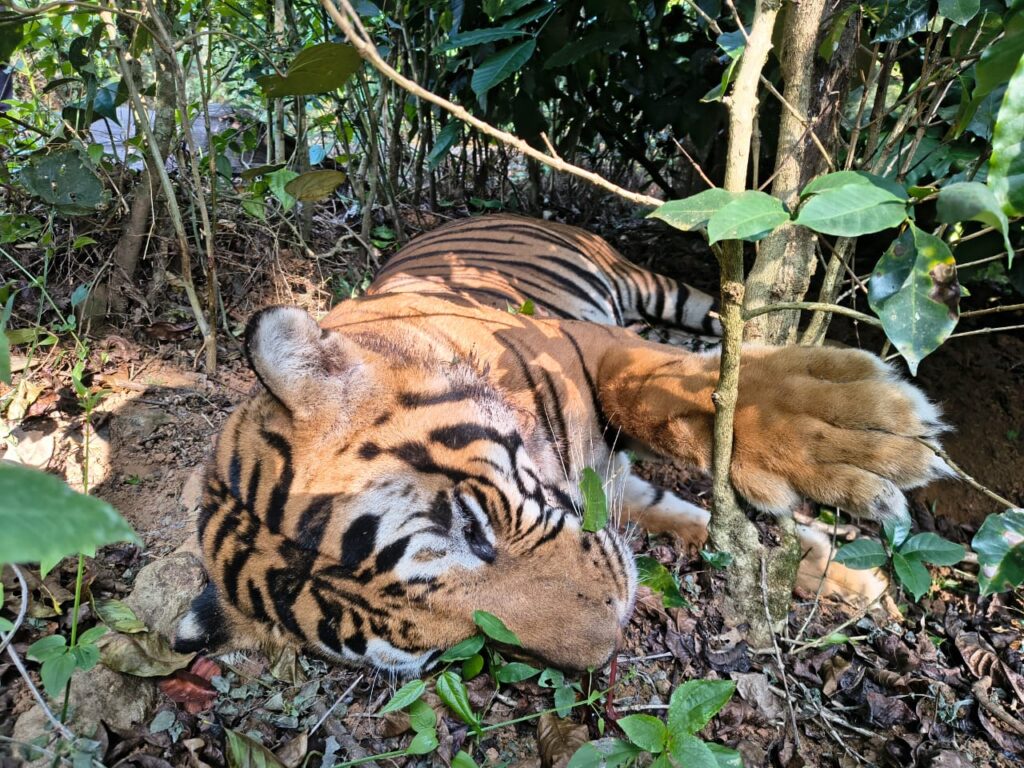
There is also a concerning asymmetry in attribution of responsibility. Whenever a wildlife capture operation is successful, the credit is typically claimed at the administrative level by DCFs or ACFs. However, in the unfortunate event of wildlife mortality particularly during capture or treatment, usually, the veterinary officer is blamed for alleged drug overdose, improper diagnosis, or procedural lapses.
In several instances, veterinarians have reportedly faced suspension under public or media pressure without being afforded an adequate opportunity for professional explanation or technical review.
OCCUPATIONAL HAZARDS
Wildlife vets arguably face greater occupational risk than many forest officials, including direct exposure to dangerous animals during capture and immobilization procedures. Despite this elevated risk profile, no structured risk allowance or hazard compensation is provided. Furthermore, outdated cadre and recruitment rules offer little or no promotional avenues, resulting in professional stagnation.
It is widely acknowledged within professional circles that vets constitute the core technical force behind successful wildlife rescue, rehabilitation, translocation, and conservation outcomes. However, given their small numerical representation, their contributions often remain institutionally unrecognized, while public acknowledgment is disproportionately attributed elsewhere.

HIRING VETS ON CONTRACT
Recent trends indicate increasing reliance on contractual recruitment of veterinarians, often without long-term salary assurance, service security, or defined working hours. Many are subjected to excessive workloads, sometimes operating continuously for extended periods without adequate rest, particularly during conflict seasons.
In the unfortunate event that a veterinarian sustains injuries during wildlife operations, they are not consistently treated as full-fledged Forest Department personnel for compensation or service protection purposes; instead, they may be repatriated to the parent Animal Husbandry Department and treated as administratively expendable.
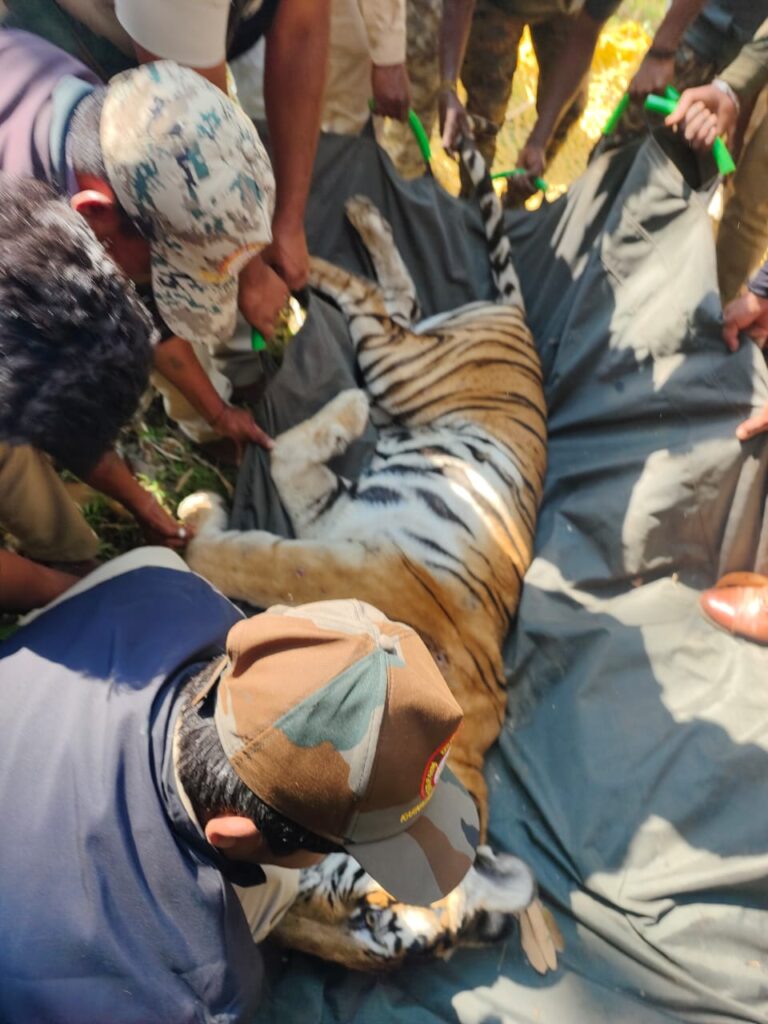
HIRING VETS WITH LIMITED TRAINING
Compounding the situation, to reduce expenditure associated with qualified veterinary officers, there appears to be a growing practice of appointing Animal Husbandry Diploma holders whose training is limited primarily to first-aid level interventions in domestic practice—for complex wildlife responsibilities. In some instances, retired veterinarians without specialized wildlife training are re-engaged at lower remuneration, potentially compromising the technical standards required for wildlife medicine.
The gravity of these systemic inadequacies becomes even more evident when one examines the situation in major wildlife institutions across the State.
THE MYSORE ZOO QUANDRY
At the Sri Jayachamarajendra Zoological Gardens in Mysuru, the largest and most prestigious zoological institution in Karnataka – the animal population is approximately 1,413 individuals, comprising about 562 mammals, 748 birds, and 103 reptiles.
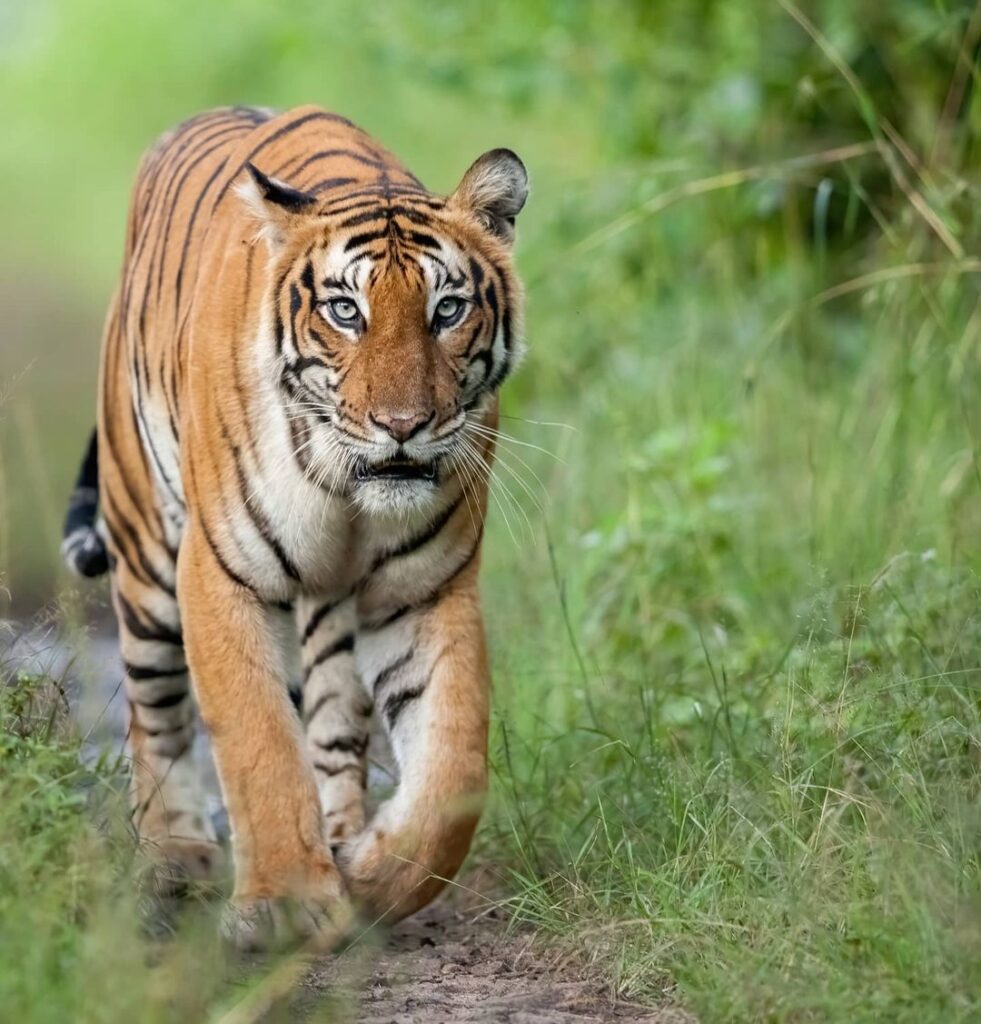
Despite these substantial and taxonomically diverse collection, only two vets are available to manage the entire clinical, preventive, surgical, quarantine, and emergency healthcare requirements of the zoo. Of these, one is on deputation from the Animal Husbandry Department, while the other is a recently graduated veterinarian appointed on a contractual basis.
In contrast, the total staff strength of the zoo is approximately 354 personnel, including senior administrative officers and members of the Indian Forest Service cadre. The disparity between the scale of administrative staffing and the critically limited veterinary manpower underscores a structural imbalance in institutional priorities, particularly in a facility where animal health forms the scientific and ethical foundation of conservation breeding, species management, and ex-situ preservation.
HUMAN-LEOPARD CONFLICT
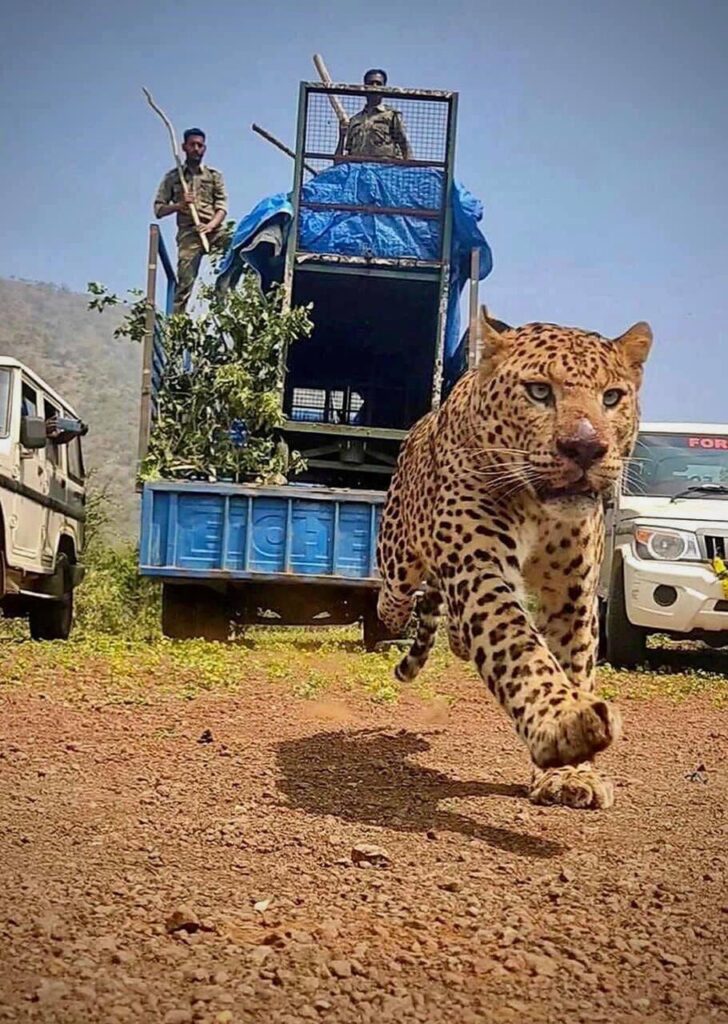
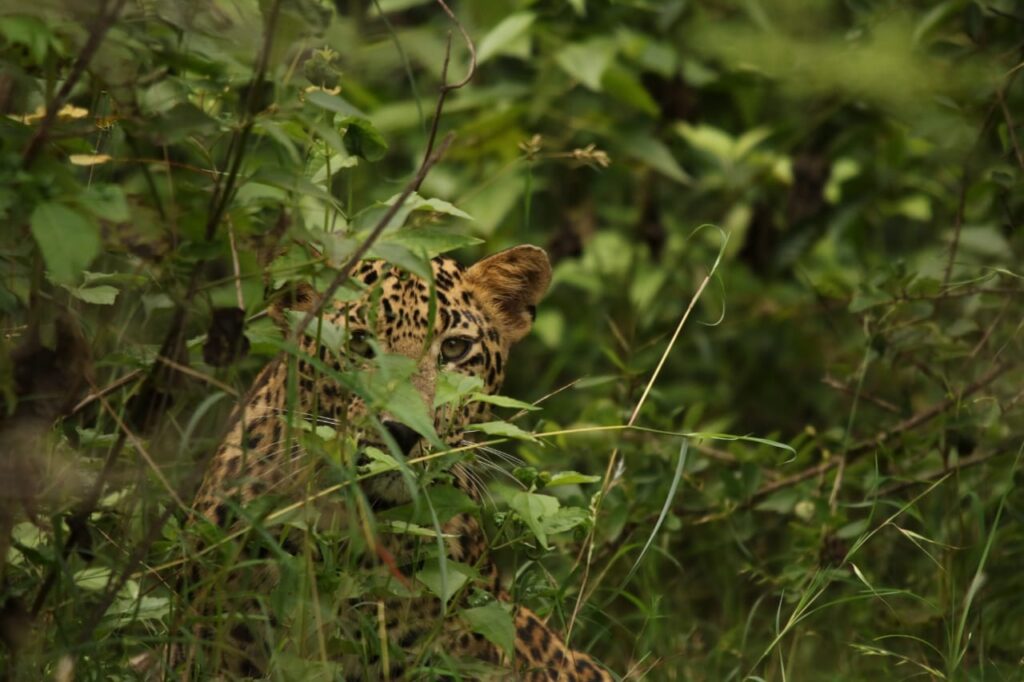
In response to the increasing incidents of human–leopard conflict across multiple districts and taluks, leopard task forces have recently been constituted.
However, these task forces do not include designated wildlife vets as integral members, notwithstanding the fact that capture, chemical immobilization, tranquilization, relocation, and post-capture monitoring are inherently veterinary procedures requiring professional supervision, pharmacological expertise, and risk assessment.
NEEDS OF ELEPHANT CAMPS
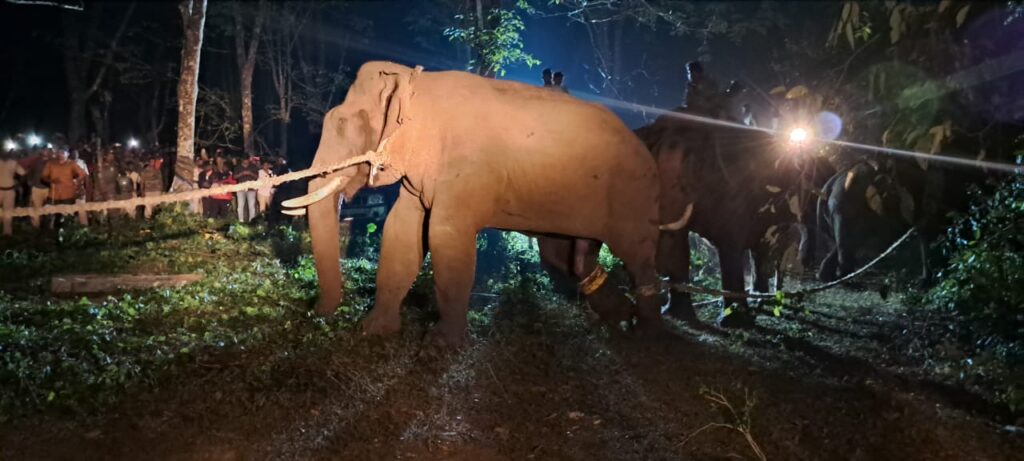
Within the Nagarhole Tiger Reserve, there are four elephant camps that demand continuous and specialized veterinary oversight. Yet, only one veterinarian is available to manage the healthcare requirements of these elephants in addition to broader wildlife responsibilities within the reserve.
Considering the complexity of elephant medicine – including foot pathology, musculoskeletal disorders, parasitic infestations, nutritional management, reproductive health, tuberculosis surveillance, and anaesthesia-related risks – the availability of a single veterinarian for such an extensive mandate is manifestly inadequate.
LACK OF VETS IN BRT, MM HILLS & CAUVERY SANCTUARY
Furthermore, there are no resident veterinarians stationed at the BRT Tiger Reserve, the MM Hills forest region, or the Cauvery Sanctuary. In these ecologically sensitive and wildlife-rich landscapes, the KFD depends largely on vets from the AH Department, who are either on temporary deputation or simultaneously burdened with extensive domestic livestock responsibilities. Such arrangements are neither sustainable nor compatible with the specialized, rapid-response, and evidence-based healthcare demands of wildlife management.
In this background, it is imperative that, at minimum from the current financial year onwards, the KFD should initiate recruitment of at least 34 qualified wildlife veterinarians, in accordance with the recommendations of the Central Zoo Authority of India, based on parameters such as animal population distribution, species diversity, disease incidence patterns, and conservation workload. These appointments must be regular, cadre-based positions and not contractual engagements.
PREFERENCE TO MASTER DEGREE HOLDERS
Preference should be accorded to candidates possessing a Master’s Degree in Wildlife Veterinary Practice, which is presently offered by the Karnataka Veterinary Animal and Fisheries Sciences University, including its programme facilities in Kodagu.
Notably, more than 40 postgraduate specialists have already graduated in this discipline and remain a valuable but underutilized human resource for the State. These specialists should undergo advanced orientation and capacity-building training at premier institutions such as the Wildlife Institute of India or other internationally recognized wildlife research and training centres abroad, to ensure global standards in wildlife health management.
Each appointed wildlife vet must be supported with adequate para-veterinary staff, a dedicated and well-equipped field vehicle, modern chemical immobilization systems, portable and stationary diagnostic equipment, functional laboratory backup, cold-chain infrastructure for vaccines and biologicals, and appropriate communication and surveillance tools.
Until that happens, Karnataka will continue to project conservation ambition without building the clinical backbone needed to support it. And in the end, it is not the file, the department or the public narrative that suffers most, but the injured elephant, the trapped leopard, the sedated tiger and the voiceless wild animal that does not get timely care.
Karnataka cannot claim wildlife leadership while starving wildlife medicine or staff, infrastructure and respect. From tiger reserves to zoos, the state’s animals are being left to depend on an emergency system that is skeletal on paper and fragile on the ground.
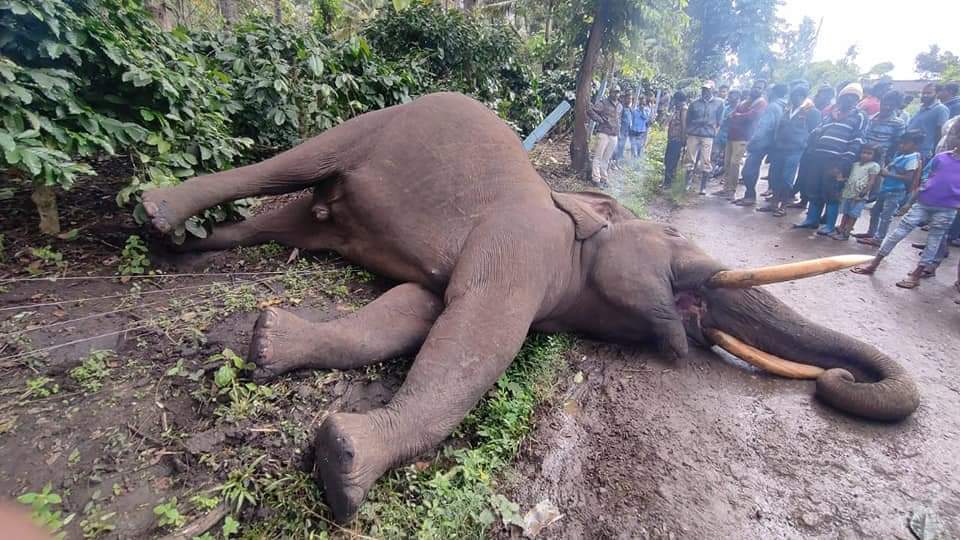
The cumulative effect of these – Karnataka’s wildlife health management system currently functions without a stable, specialized, adequately staffed, and professionally empowered veterinary framework. Unfortunately, many within the public domain and media remain unaware of the internal operational realities and structural constraints under which wildlife vets function but put the entire blame on them during incidents of wildlife deaths or capture operations.
A comprehensive structural reform is urgently warranted to ensure that wildlife conservation in Karnataka is scientifically robust, ethically defensible, administratively accountable, and sustainably implemented.