
Meera Bhardwaj:
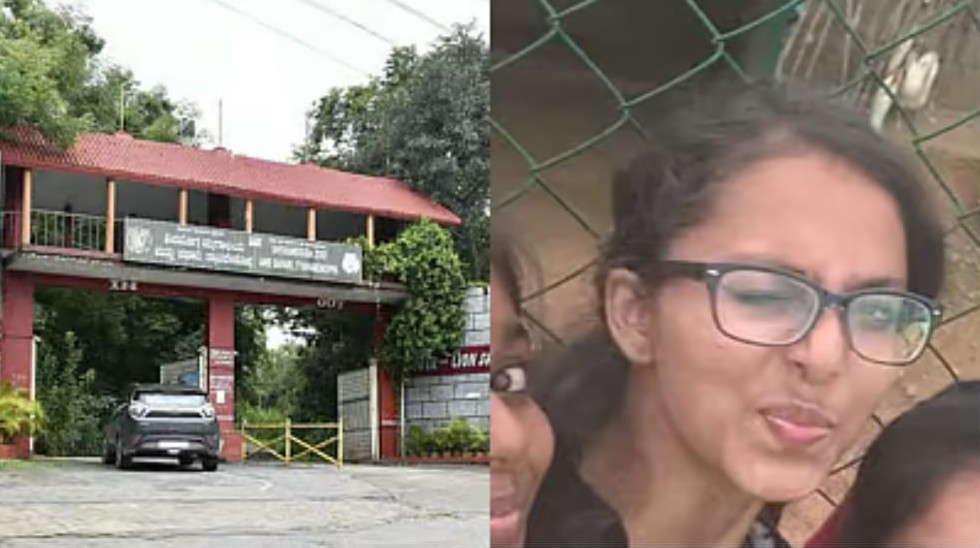
The death of a veterinary trainee doctor at the hands of a hippopotamus in Shivamogga Zoo has sent shock waves amidst the veterinary community in Karnataka. Alas! The life of a young and dedicated trainee veterinary doctor, Dr Samiksha Reddy who had successfully treated a leopard – was snuffed out so suddenly – is indeed a tragedy and displays the lack of any safety measures or adherence to protocols when dealing with a megafaunal species.
There are conflicting reports on the cause of death of Dr Samiksha Reddy with vets alleging that the young vet was forced to enter the area to treat a hippo at 11.30 in the night while zoo authorities said she was checking the hippo and fell down and was attacked. However, sources in the forest ministry deny it and said she entered the area on her own to collect the stools of a pregnant hippopotamus for research work and she died when the hippo attacked her.
Despite the existence of a standard operating procedure (SOP) to deal with every wildlife species which varies from tiger to leopard to elephants to hippos, now how could this incident happen? Was the standard protocol ignored in this case remains a mystery?
Veterinary sources from Shivamogga alleged, “There was total negligence on the part of zoo authorities – be it the time of entering the enclosure which was midnight and further, there was no other person with her at that time. 27-year-old Dr Samiksha Reddy was still a trainee vet and was hired on contract a few months back and it remains a mystery – how was she allowed to deal with a hippo (a megafaunal species) on her own without any support staff or even the caretaker of the hippo.”
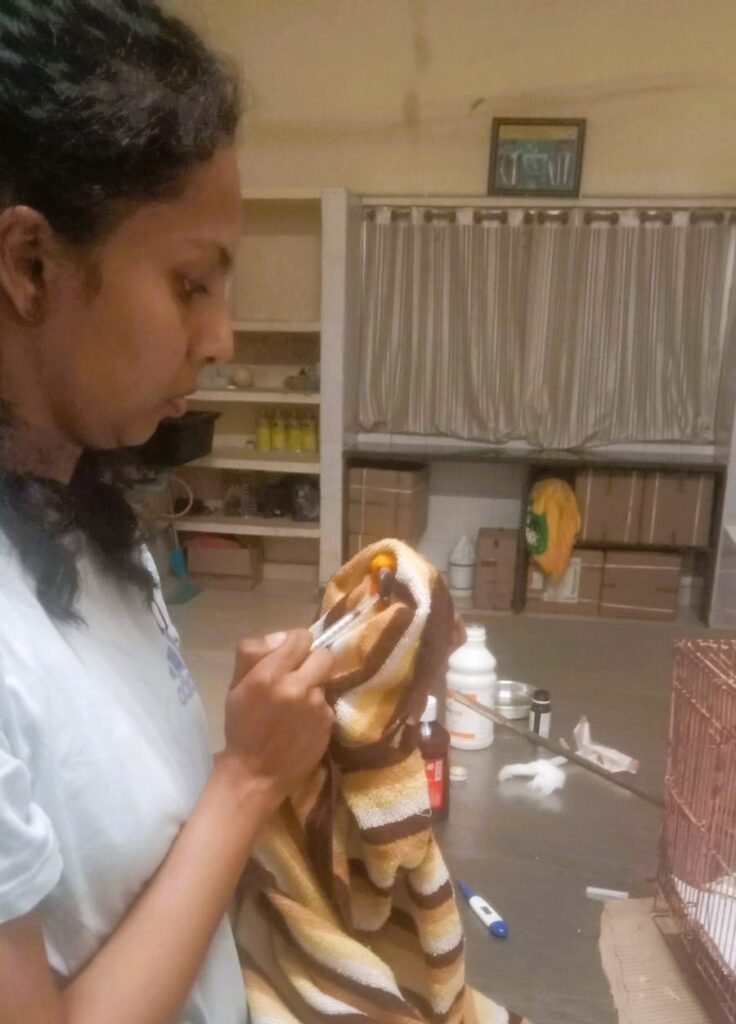
Speaking to Green Minute News, Amarakshara, Executive Director & DCF, Shivamogga Zoo & Safari said, “In fact Dr Samiksha Reddy had gone to the zoo for treatment of a caged bird. After that, she (who was accompanied by other zoo staff) went to the enclosure to check the temperature of the hippopotamus which was pregnant. While taking its temperature, she skidded and fell down and that’s when the hippo attacked her. Investigations are presently going on.”
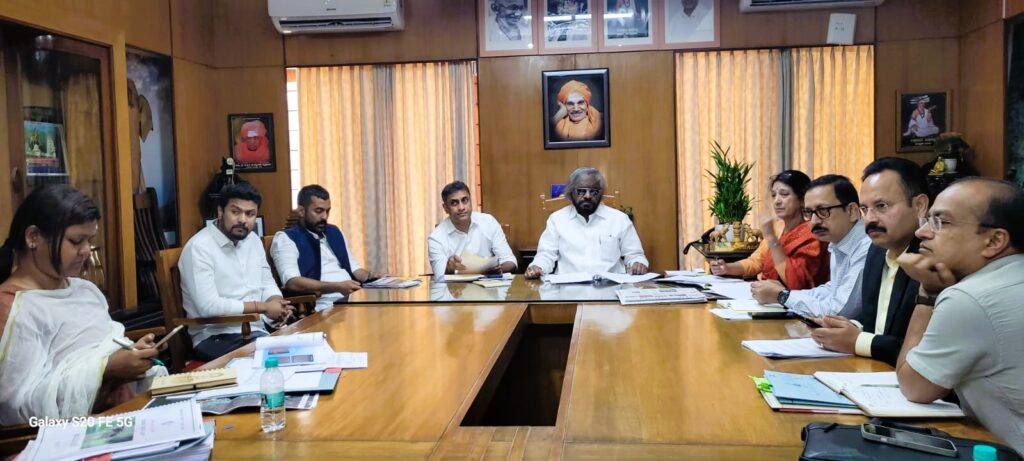
Expressing his condolences, Forest, Ecology and Environment Minister Eshwar B Khandre informed that the young trainee vet had gone to treat wildlife at the Shivamogga Zoo when she was attacked by a hippopotamus. He has directed that the family of the deceased young doctor should be provided immediate compensation as per the rules and has also given clear instructions that veterinarians in all zoos in the state should follow the Standard Operating Procedure (SOP) while treating any wildlife.
Dr Samiksha Reddy, who was recently appointed on a contract basis, was injured when a pregnant hippo attacked her while she was inside the enclosure at 11.30 pm last night. She was immediately admitted to a hospital in Shivamogga where she breathed her last at around 6.30 this morning, the hospital doctors said.
The incidents of injuries/deaths sustained by vets in the last 15-16 years has been occurring now and then. Karnataka has seen fatal injuries and mortalities during wildlife intervention incidents of both vets and frontline forest staff (many forest staff have died and have been injured time and again in conflict areas). I have listed a few of them only :
- In November 2023, Dr Kiran, attached to the Bannerghatta Biological Park was grievously injured in a leopard attack.
- In August 2023, elephant expert H H Venkatesh (expert in darting of jumbos) was severely injured in darting operations in Hassan and later succumbed to his injuries.
- In April 2023, Dr Vinay S, Chief Veterinary Officer, KFD was severely injured in an elephant attack in Shivamogga district.
- In January 2008, Dr G K Vishwanth attached to Bannerghatta Zoo died after suffering severe injuries when attacked by a wild tusker and two captive elephants in 2007.
Serious hippo attacks on zoo staff in Vadodara and Vandalur which have been reported in the country has already showed that large captive megafaunal species are a known occupational hazard – requiring rigid precautions, not casual or over confidence.

Veterinary doctors stress, “This is what happens when a government runs wildlife institutions on habit, hierarchy, complacency, and follows SOPs on paper only. Vets are transferred on deputation from Animal Husbandry department who are totally inexperienced and have to learn on the field how to treat wildlife be it a tiger or elephant or an Indian Gaur. In fact, vets are pushed into extreme-risk situations as if courage alone can save them in any dangerous situations. And this is what happened in the case of Dr Samiksha Reddy.”
Instituting an inquiry, Eshwar Khandre has also instructed that a team comprising senior veterinarians and forest officials should investigate the tragedy and submit a report within seven days.
The Forest Minister also directed that an investigation be conducted by a CCF-rank officer into the matter and a report be submitted within 7 days. A compensation of Rs 30 lakh has been suggested to be paid to the family of the veterinary doctor.
On the state government’s decision to set up an inquiry, a wildlife expert said, “There must be an independent inquiry, and it must name names. There must be a statewide safety audit of every zoo, safari, rescue centre, and wildlife treatment unit. There must be compulsory species-specific standard operating protocols backed by criminal liability for reckless violations.”
The hippopotamus (or for that matter any elephant, tiger, gaur or leopard) did what any dangerous wild animal will do. “The real issue is what the authorities failed to do & who cleared the operation? Who assessed the enclosure risk and also ensured species-specific safety measures? Now who confirmed physical barriers, keeper coordination, escape protocol, rescue backup, and trauma response? Who checked whether the vet had enough trained support and who decided that the situation was safe enough?, question many retired field duty forest officials and vets.