
R S Tejus:
In Karnataka’s Protected Areas (PA), the removal of invasive species such as Lantana camara and Senna spectabilis is now being demonstrated as habitat restoration. The project is attractive: remove weeds, restore native species, involve local communities, use CSR funds, and then support Eco-Development Committees.
But behind this model – is a fundamental question that remains unanswered: after years of removal of invasive species, where are the clear, long-term success stories of preventing the spread of this invasive species?
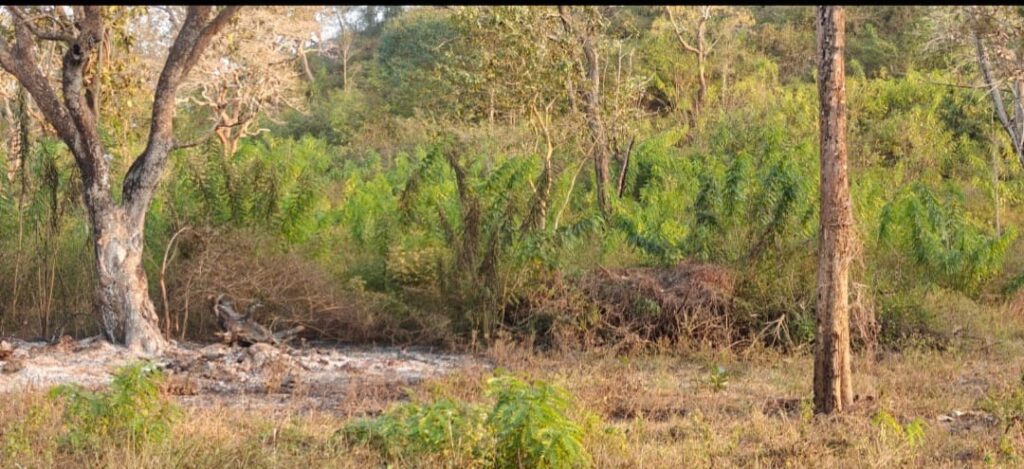
LANTANA CAMARA
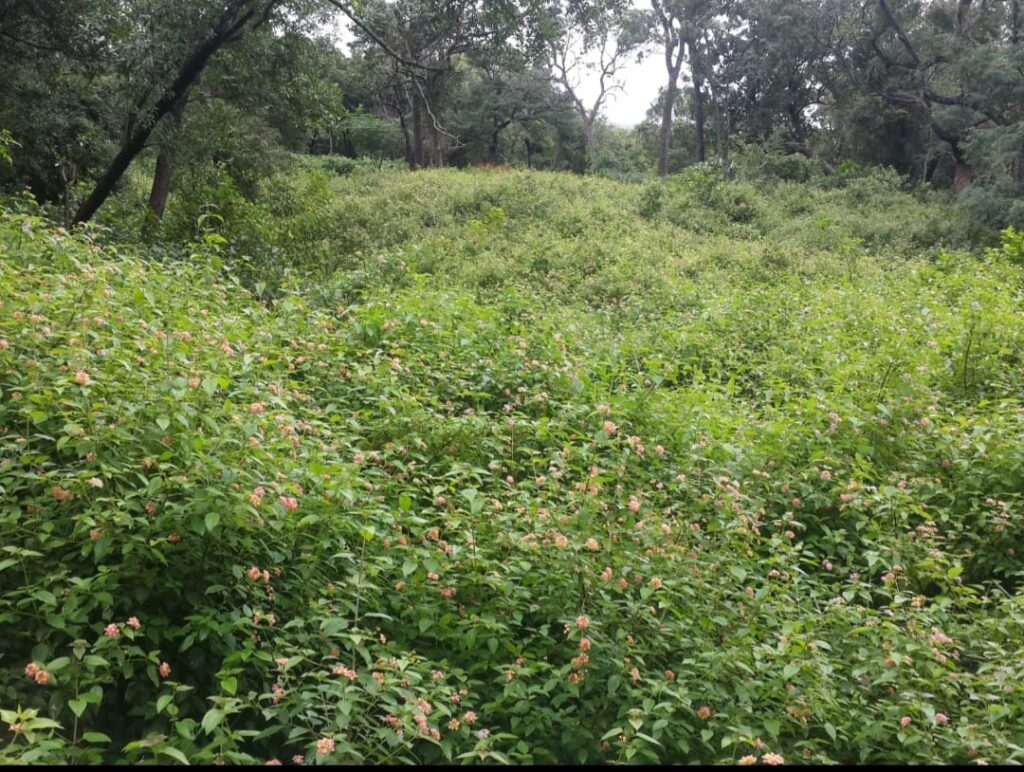
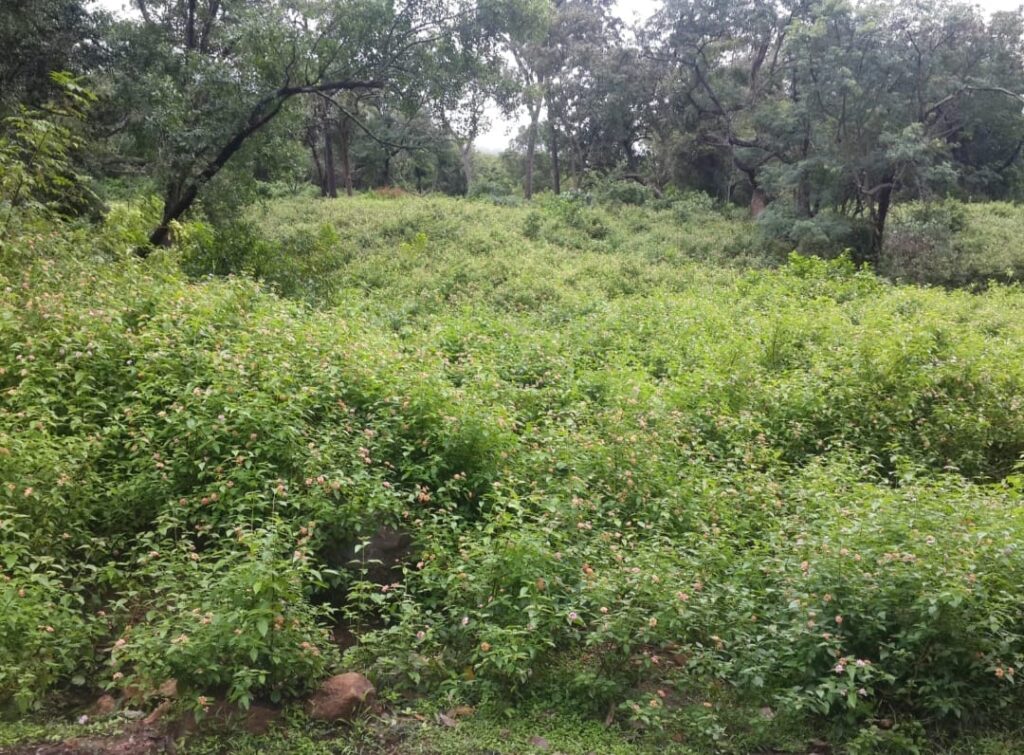
The history of invasive species in Indian forests is closely linked to colonial-era plant movement, ornamental introductions, plantations, timber extraction and later land-use disturbances. Lantana camara, native to tropical America, was introduced as an ornamental plant which later escaped into the wild. Over time, it disturbed forests, open canopies, grazing pressure, fires, roads and forest edges helped it spread.
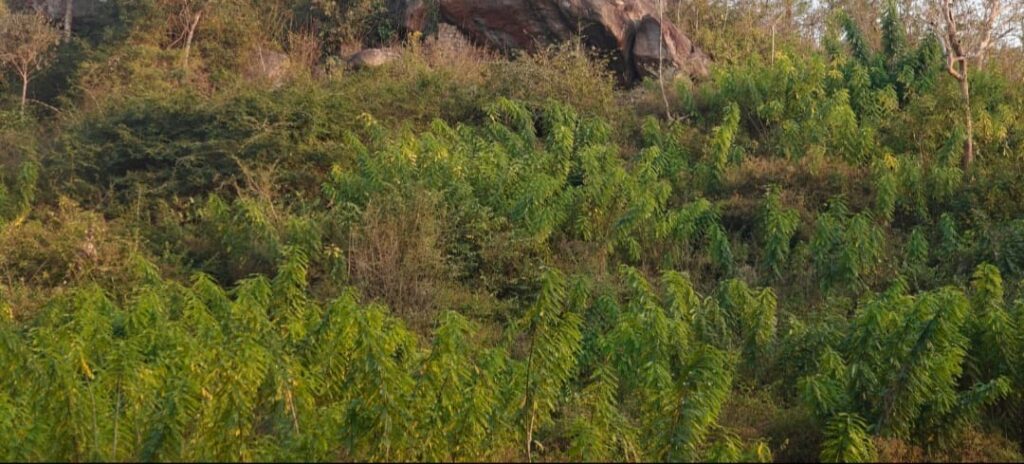
SENNA SPECTABILIS
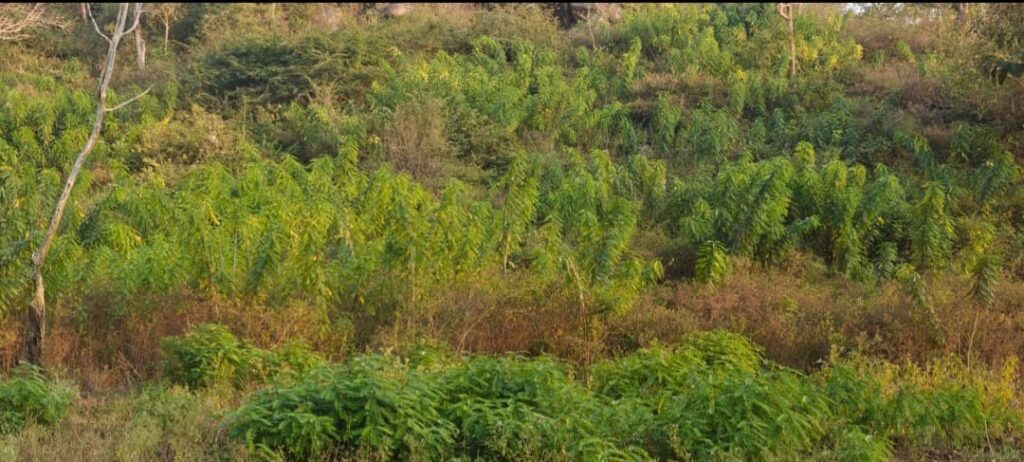
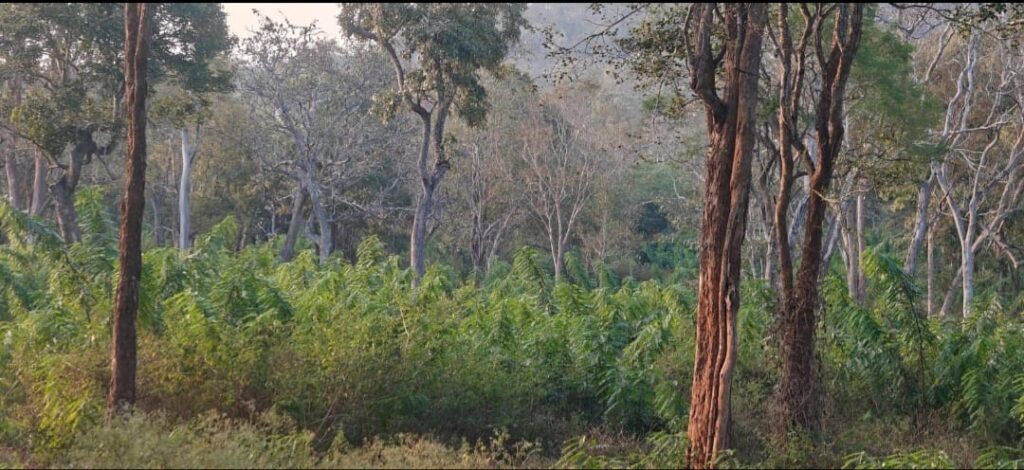
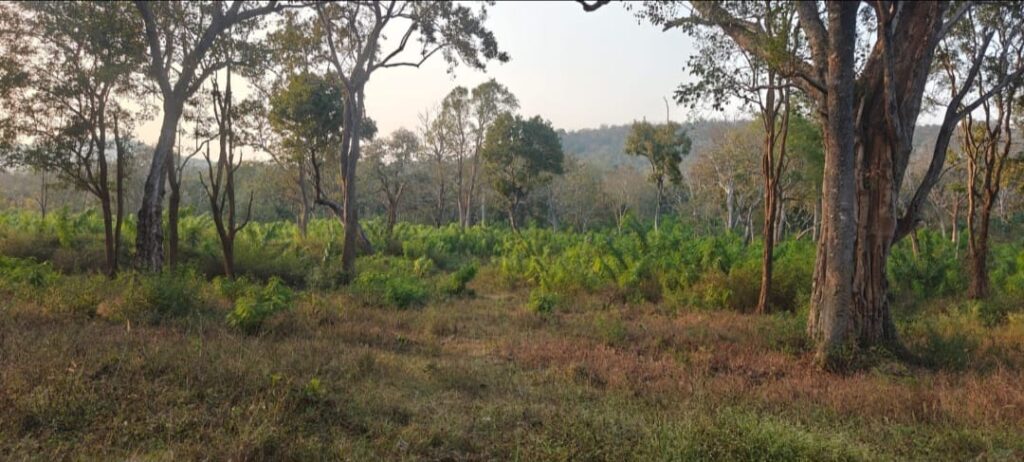
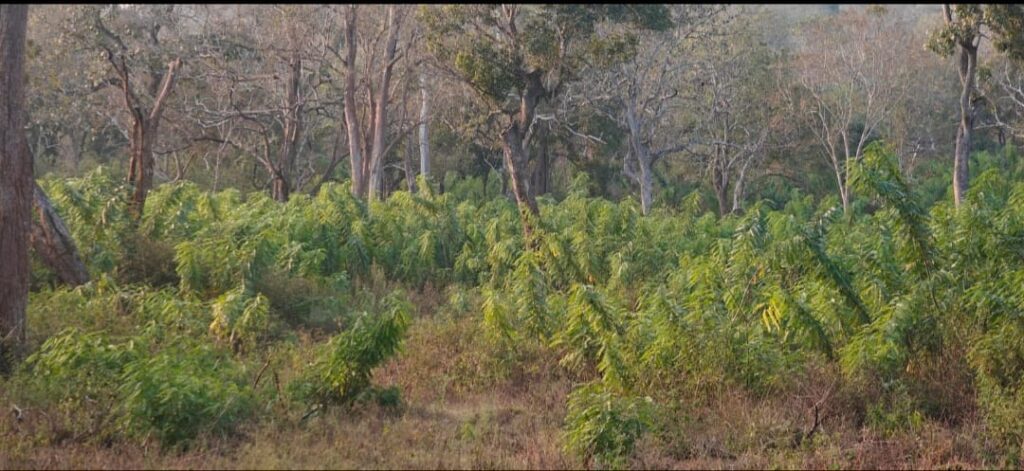
Senna spectabilis, also introduced from outside India, has become a serious problem in parts of the Western Ghats and the southern protected areas. These invasions did not happen in isolation. They expanded because forest systems were repeatedly opened, disturbed and weakened. That history is important because it shows that invasive species are not just botanical problems; they are also symptoms of long-term disturbance.
The issue is not whether lantana and Senna are invasive. The Karnataka Forest Department’s Circular No. PCCF(WL)/D/CR-06/2025-26, dated 31-12-2025, titled “Removal and disposal of Invasive Alien plant species (like Lantana camara, Senna spectabilis, etc.,) and Ecological-Restoration of habitats,” itself says their rapid spread has degraded wildlife habitats, affected herbivores and increased human-animal conflict. But the same circular also calls their management “challenging” and says it needs “continuous and systematic efforts.” This means removal is not a one-day success story. It is a long ecological responsibility.
IMPACT NOT YET ESTABLISHED
Dr. Sanjay Gubbi, a renowned conservationist brings a necessary caution into this debate. “Invasive plant species undoubtedly affect floral, bird and insect diversity. However, their impact on large mammals is not yet clearly established,” he says.
Gubbi points out that despite extensive Lantana and Senna invasion, Bandipur and Nagarhole continue to support some of the highest densities of elephants, tiger prey and other large mammals. This does not make invasive species harmless. It only means management must be based on site-specific science, not broad assumptions.
DO THEY REDUCE FOOD INSIDE FORESTS?
The elephant-conflict argument also needs closer scrutiny. It is often said that invasive species reduce food inside forests and force elephants to come out, leading to crop loss and conflict. This may be true in some places, but is it the whole truth? Or are elephants coming out because forests have been repeatedly disturbed by grazing, fires, roads, tourism pressure, waterholes, plantations, settlements, fencing, fragmentation and other human interventions?
Blaming invasive species alone is convenient because it avoids the harder question: who disturbed the forest in the first place? For many pseudo conservationists, this is the uncomfortable part of the debate.
FAILURE OF MECHANICAL REMOVAL
A decorated conservation scientist shares a similar point from another angle. According to his view, exotic plants such as Lantana spread because of deeper disturbances: excessive livestock grazing removed palatable species, and timber and firewood extraction opened the canopy for sunlight-demanding plants.
His argument was that repeated mechanical removal has failed in landscapes such as Nagarhole-Bandipur and elsewhere, while money continues to be spent on it instead of protection and voluntary relocation of people.
The PLOS ONE paper “A Battle Lost? Report on Two Centuries of Invasion and Management of Lantana camara L. in Australia, India and South Africa” supports this caution.
It records that governments in India, Australia and South Africa tried aggressive Lantana control for nearly two centuries, but these efforts were largely unsuccessful. The paper also notes that Lantana has invaded around 13 million hectares in India. If two centuries of control have not produced clear landscape-level success, then every new removal project must be questioned more carefully.
In this background, Karnataka’s current model needs public scrutiny.
Earlier, there was a tender model in protected areas such as Bandipur Tiger Reserve, where invasive removal work was divided section-wise, with each section reportedly costing nearly ₹40 lakh. That tender has now been abolished. Under the present route, NGOs and agencies may participate, and money can flow through Eco-Development Committees or Village Forest Committees.
On paper, this looks better than a contractor-led model. Local committees may get money. NGOs may bring CSR support. The forest department may get additional field capacity. But the ecological question remains the same: did the forest recover, or only the plant was removed?
HAND REMOVAL BETTER?
The circular tries to build safeguards. It says hand removal should be prioritised because it causes minimal disturbance to habitat and native species. It says new roads and tracks should not be created for invasive removal. It asks for mapping of low, medium and high-density infestation, with priority for high-density areas. It says treatment blocks may be 25, 50 or 100 hectares and should form part of contiguous 400–500 hectare heavily infested areas. It requires baseline data, drone images, videos and geo-coordinates before work begins.
These details show that invasive removal is not meant to be casual field activity. It is supposed to be planned, documented and monitored.
Senna, however, is different from lantana in management urgency. One IFS officer said it is extremely imperative to remove Senna because, if not removed, it can make habitat difficult for prey animals. The circular also says Senna suppresses native tree recruitment and that its removal can help degraded forest regenerate. But even here, caution is visible. The exercise, according to the officer, is being kept to around 10% of a particular protected area. That is the right principle: intervene where necessary, but do not turn the entire protected area into a worksite.
The science of seed dispersal makes the issue even more complex.
Dr. Gubbi notes that “Many wild animals, including bulbuls, sambar and gaur, consume the fruits of invasive plants and disperse their seeds. Livestock feed extensively on Lantana and aid its spread.” A recent Bio-tropica paper, “Seasonal Diet and Seed Dispersal by Sloth Bears Melursus ursinus in Western India,” adds sloth bears to this problem by showing their role in seed dispersal, including for Lantana camara.
For Senna, the paper “Native mammals disperse the highly invasive Senna spectabilis in the Western Ghats, India” identified Asian elephants as the major disperser, with dung helping germination. In Wayanad, Senna reportedly expanded from less than 15 sq km in 2012 to more than 78 sq km by 2020, covering about 23% of the sanctuary. These numbers show why Senna cannot be ignored. But they also show why removal alone cannot solve the problem if dispersal continues through wildlife, livestock and disturbed forest edges.
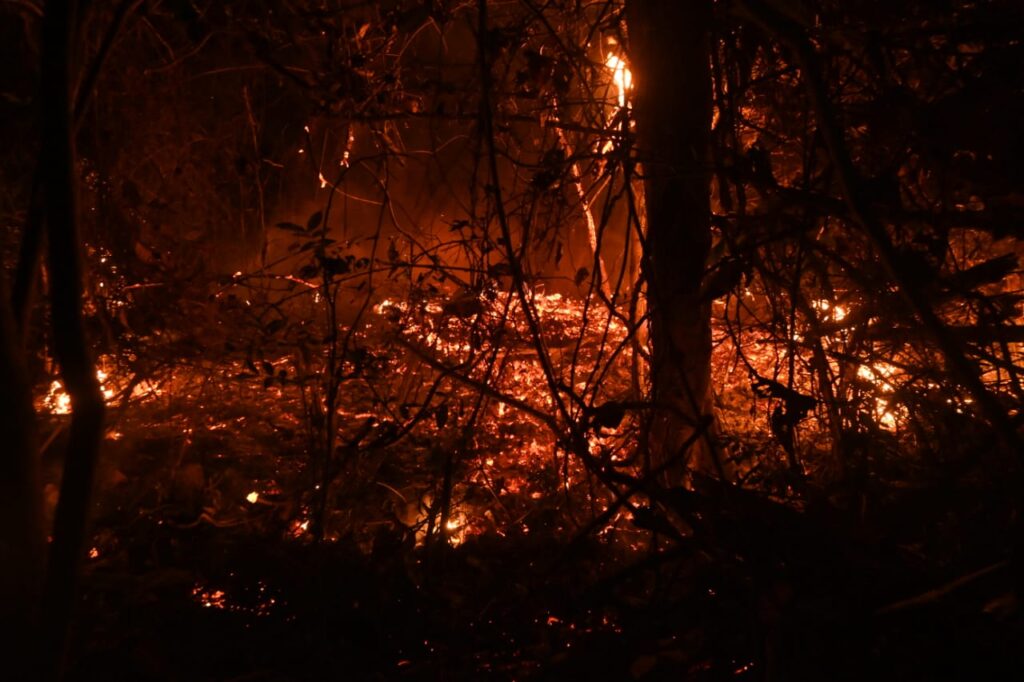
WHAT ABOUT FIRES?
Fire is another uncomfortable part of the debate. A conservationist criticised some “pseudo conservationists and organisations” for supporting frequent fires while also demanding Lantana removal. His question was direct: if fires help the spread of lantana, how can the same people promote fire and removal at the same time?
Dr. Gubbi also says invasive species management must address ecological drivers such as seed dispersal, livestock grazing and fire regimes. “Unless we tackle these underlying factors together, invasive species are likely to recolonise restored areas,” he says. That is the heart of the matter. If grazing continues, if fires continue, if canopy disturbance continues, if artificial habitat alteration continues, then removal becomes a cycle. Clear today, recolonise tomorrow, clear again next year.
CSR FUNDING
CSR funding adds another layer. The circular allows entities, agencies and NGOs to remove or dispose invasive plants using CSR funds or other sources, but only through a formal tripartite MoU between the EDC/VFC, the agency or NGO, and the officer in charge of the protected area. It also requires due diligence on previous experience, credibility, reputation and track record. This means the forest department itself recognises that outside participation needs checks.
PRODUCT DEMAND?
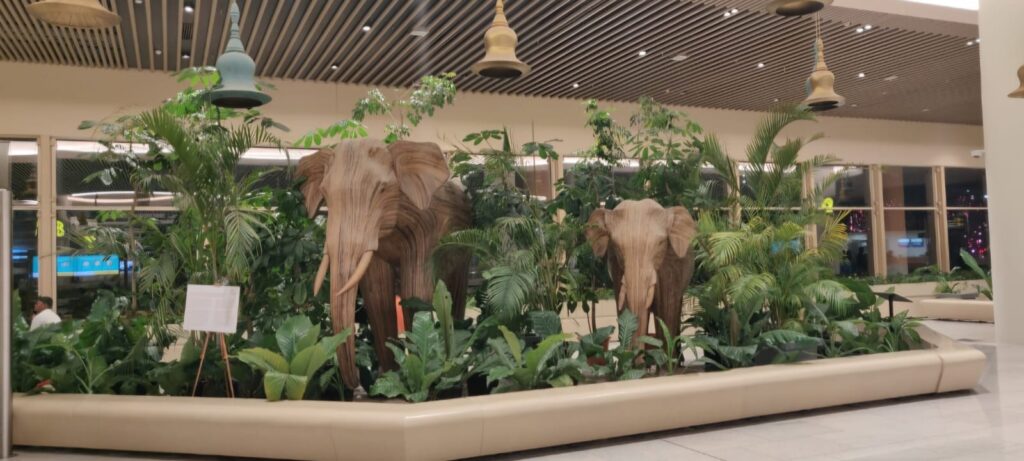
There is also a product economy around removed material. The circular says Lantana can be used for biochar, briquettes and furniture, while Senna can be disposed of as pulpwood. Outside the circular, invasive-plant products, including Lantana furniture and elephant sculptures, have created public demand. This may support livelihoods, but it raises a serious question: should product demand influence forest intervention? If the market for such products grows, will removal of invasive species remain science-led, or will forests become supply zones?
The circular requires an Invasive Species Removal Journal, ecological indicators before and after removal, monitoring photo points, 100% perambulation after removal, one 10 m × 10 m monitoring plot for every 5 hectares, and mandatory third-party evaluation. It also says restoration must continue for 2–3 years after removal, while Senna sites need 3–4 years of monitoring for sprouts and seed-bank regeneration.
These are strong safeguards. But they must be public. Where are the ISR journals? Where are the drone records? Where are the third-party evaluations? Where are the reinvasion rates? Where is the proof that cleared areas became self-sustaining native habitats?
The answer cannot be “remove everything” or “remove nothing.”
- Senna must be removed where it threatens prey habitat and native regeneration.
- Lantana removal must be minimal, manual, site-specific and scientifically justified.
- CSR money, NGO visibility, product demand or EDC funding should not decide forest management.
The core of conservation must return to protection: preventing fires, reducing grazing pressure, stopping canopy disturbance, avoiding unnecessary habitat alteration, strengthening field protection and allowing natural regeneration.
There is also a difficult ecological question that is rarely discussed openly: after more than a century of spread, have some invasive plants already become part of the working ecosystem in certain landscapes? This does not mean lantana or Senna should be protected or celebrated. But it does mean that removal cannot be guided by emotion alone. Some birds, mammals and insects may now use these plants for food, cover or movement, even while the same plants harm native regeneration. This makes the issue more complex. A plant can be ecologically harmful and still be used by some wildlife.
NO BLIND REMOVAL
That is why the answer cannot be blind removal everywhere. If an invasive plant has become embedded in a disturbed landscape, sudden large-scale clearing may create fresh ecological shocks unless the site is restored properly and monitored for years. The better question is not whether these plants are “good” or “bad” in a simple sense. The better question is where they are causing clear ecological damage, where removal will actually help, and whether the original disturbance that allowed them to spread has been addressed.
A forest is not restored because an invasive patch is cleared. It is restored when the disturbance that allowed the invasion is removed first. Invasive plants may have entered the system, but they entered through disturbance. The solution, therefore, cannot be disturbance in another form. It must be protection, restraint and science-led intervention.
(PHOTO CREDIT: R S TEJUS – TWO IMAGES OF LANTANA SPREAD IN MM HILLS, ALL THE OTHER IMAGES BY DR SANJAY GUBBI IN BANDIPUR)