
GREEN MINUTE NEWS:
Year 2025 ends on a very tragic note with the loss of eight elephants in a train collision in Assam. The gentle giants have been killed on railway tracks, highways, roads, electrocuted, poached for its ivory & skin, accidental deaths in pits and canals, retailatory killings and what not. Despite being a keystone species for survival of Indian forest ecosystems, the population of elephants is declining year after year in India as importance is being given – more for development, urbanization and survival of humans.
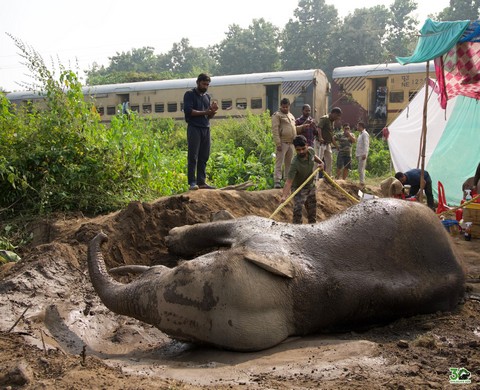
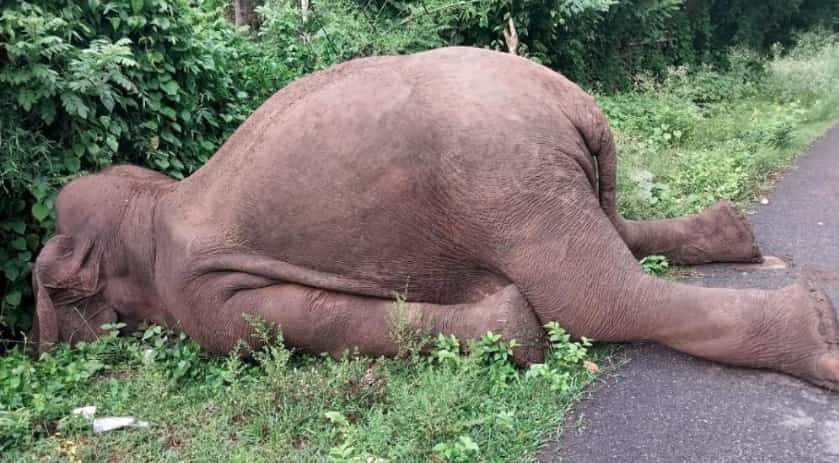
The killing of 8 elephants on railway tracks of Assam has reignited concerns over the frequency of such deadly encounters between wild animals and rail networks crisscrossing forest regions of India. What makes this loss even more heartbreaking is that it was preventable but alas! Such incidents recur again and again.
A high-speed passenger train struck a herd of wild elephants in Assam’s Hojai district in the early hours of December 20, 2025, killing at least seven adult elephants and a young calf. The Rajdhani Express, bound from Sairang to New Delhi, collided with the herd while they were crossing railway tracks outside a designated elephant corridor, leading to the derailment of five coaches.
Proven technologies now exist that can detect elephant movement near railway tracks and provide early warnings to train operators. When properly installed and used, these systems have been shown to dramatically reduce, and in some cases nearly eliminate, collisions between trains and elephants.
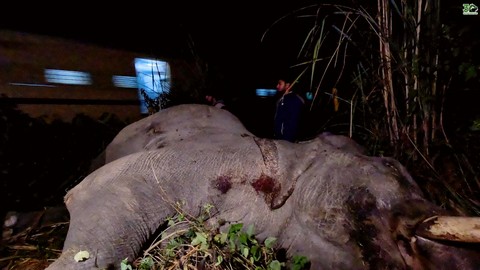
The railway line involved in last week’s collision did not have such elephant detection systems in place. Had they been installed, we firmly believe these eight elephants would still be alive today.
Bani, our wild-rescued elephant calf, is a painful reminder of this very danger. Two years ago, she was struck by a speeding train within a known elephant corridor, leaving her paralysed and killing her mother.
“While Bani was fortunate to survive and has since regained much of the function in her legs thanks to the dedicated and persistent efforts of Wildlife SOS veterinarians and collaborative efforts of global experts, the eight elephants in Assam were not given even a fighting chance. The absence of protection because an area is not officially recognised as an active elephant crossing zone is not a minor technicality, it is a failure we can no longer afford to overlook. The death of eight elephants in a single incident is not just a statistic; it pushes an already endangered species closer to the brink,” expressed Geeta Seshamani, Co-founder and Secretary, Wildlife SOS.
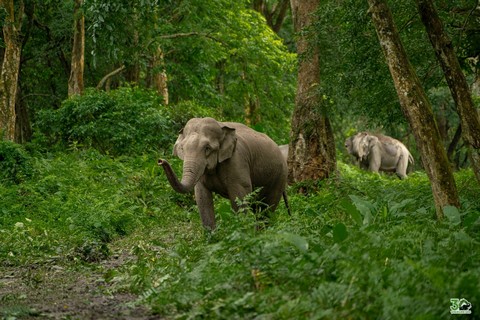
In the wake of a recent study, the accident carries even greater weight. India’s first-ever DNA-based national elephant census, conducted by the Wildlife Institute of India, Project Elephant, and the Ministry of Environment, Forest and Climate Change, has revealed that the country now only has 22,446 wild elephants. This marks a concerning 25% decline from the estimated 29,964 elephants in 2017. That means 7,518 elephants have vanished in only seven years, averaging out to three elephants lost every single day. If this doesn’t shock and alarm us, what will?
“The low numbers of Asian elephants have worried conservationists since 1986, when the species was first placed on the International Union for Conservation of Nature (IUCN) Red List as Endangered – a category that signifies a very high risk of extinction in the wild. Nearly 40 years later, their numbers continue to fall, a warning that should concern every one of us, not just domestically but globally,” states Kartick Satyanarayan, Co-founder and CEO, Wildlife SOS.
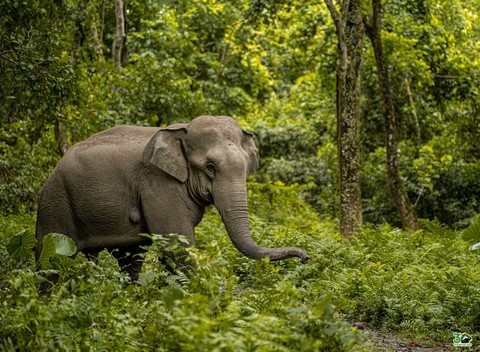
This latest incident is far from isolated and has in a single moment, further reduced a population already shrinking faster than previously understood. According to recent figures, the death toll of elephants hit by trains has been going up steadily. As of late 2025, at least 94 elephants have been killed on railway tracks in India since 2019, including four such accidents in 2025 alone.
“On the ground, we, at Wildlife SOS, are working across high-conflict regions to reduce such accidents and foster coexisting attitudes among the masses. The teams assist forest departments with early-warning systems, conduct real-time conflict response, map elephant movement patterns, and work with local communities to prevent risky encounters. These interventions, though impactful, require widespread adoption to be effective. When people understand why elephants move the way they do, they will engage in safe practices near railway lines, report herd movements swiftly and become essential partners in early warning,” informed Satyanarayan.
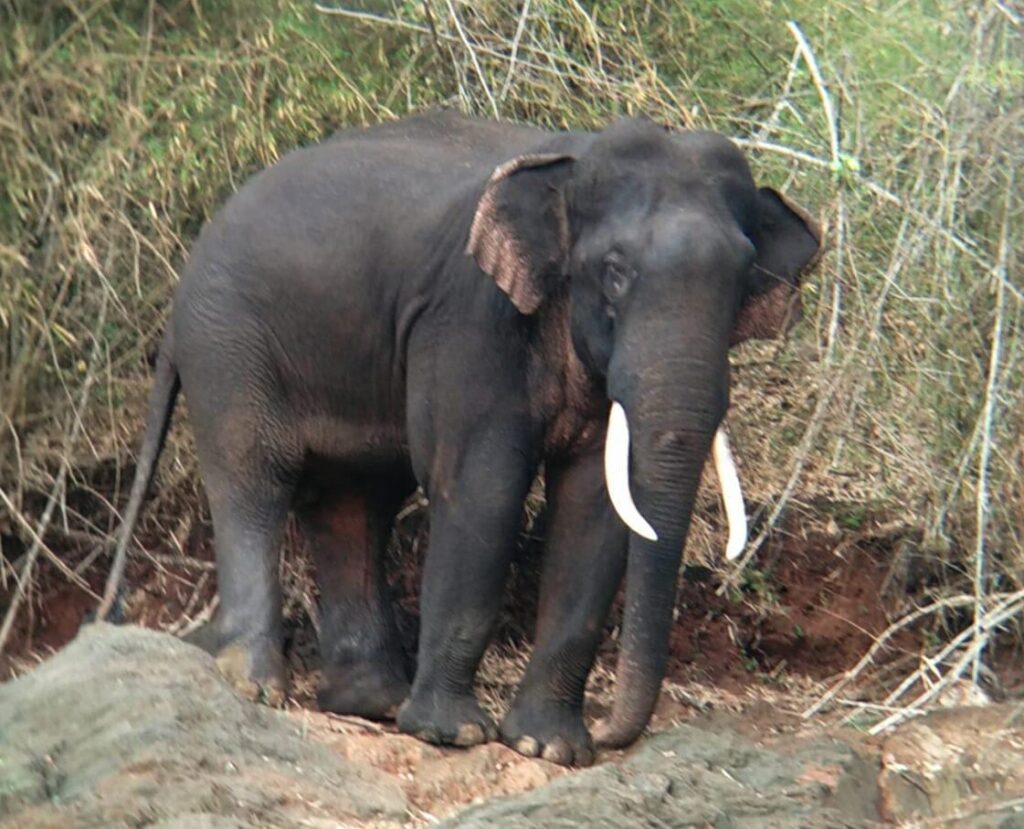
The findings of the new census fuel our unwavering conviction: the survival of wild elephants is within our reach, provided we fiercely protect their natural habitats and foster peaceful coexistence with people who share their landscapes. In Chhattisgarh, our teams are bringing this vision to life — going from village to village to empower rural communities with knowledge about elephant avoidance, sharing practical safety techniques, and offering guidance on safeguarding crops and property.
At the same time, dedicated biologists are on the ground, working with locals to guide elephant herds back toward forests instead of crop fields. Through such collaborative and compassionate efforts, Wildlife SOS is not only reducing conflict and preventing retaliation, but building a foundation of understanding and mutual respect between humans and elephants. This approach has proven successful – a model of harmony that, alongside broad landscape level initiatives, is lighting a hopeful path forward for India’s elephants and the people who call these wild places home.
“For nearly two decades, Wildlife SOS has been a beacon of hope for India’s elephants, leading impactful initiatives to conserve these magnificent animals. Our dedicated team works tirelessly to protect vital habitats, respond swiftly to conflicts, rescue elephants suffering in captivity, and provide lifelong sanctuary, care, and medical support to those who cannot return to the wild,” Seshamani remarked.
Through our renowned Elephant Conservation and Care Centre and innovative, community-driven conflict mitigation programs, we tackle every challenge whether it’s restoring lost habitat, reducing human-elephant conflict, preventing poaching, or ending the exploitation of elephants in tourism and labour. Each rescue, medical intervention and awareness campaign showcases our commitment to securing a vibrant future for both wild and captive elephants in India. We take immense pride in this mission, inspired daily by the remarkable resilience and spirit of elephants when they are given the protection and respect they deserve.
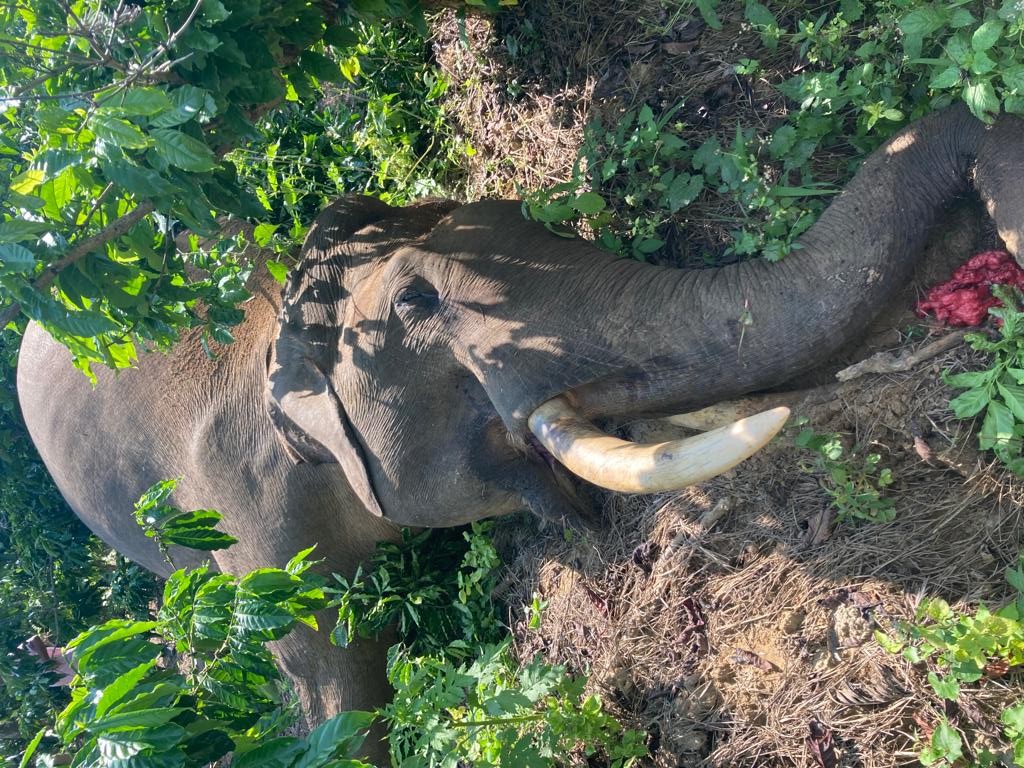
We owe it to the 8 elephants we lost last week in Assam and to those still struggling to survive to ensure that no elephant dies from a tragedy in India that could have been avoided.