
Meera Bhardwaj:
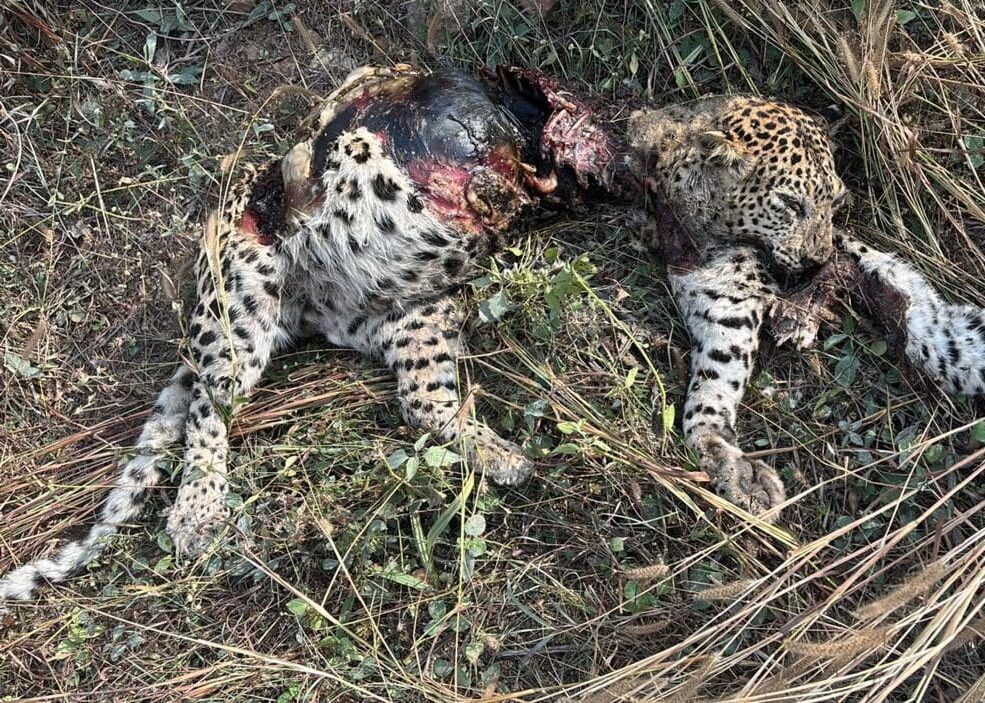
Inquiry is going on into the death of a pregnant leopard in the Kaggalipura Range, Bengaluru Urban Division. All the necessary samples from the dead leopard and the rock samples have been sent to the Forensic Science Laboratory (FSL) in Bengaluru. It is suspected that the four-year-old leopard with its three unborn cubs may have died in a blast from a nearby stone quarry unit.
Meanwhile, a Wildlife Offence Report (WLOR) which is an initial report has been filed by forest officials for offenses under the Wild Life (Protection) Act, 1972 againt S P Enterprises and Solivara, Survey No: 51 where the leopard death occurred.
The forensic report for ascertaining the cause of death is expected within a week. Although Karnataka’s first wildlife forensic science lab in Bengaluru, located at the State Forensic Science Laboratory in Madiwala, is ready for launch but it is yet to open. They need to speed up as the wildlife forensic science lab is expected to resolve hundreds of pending cases and boost conviction rates for wildlife offenses in Karnataka. Presently, lot of delays are occurring as samples have to be sent either to Hyderabad, Chennai or the Wildlife Institue of India.
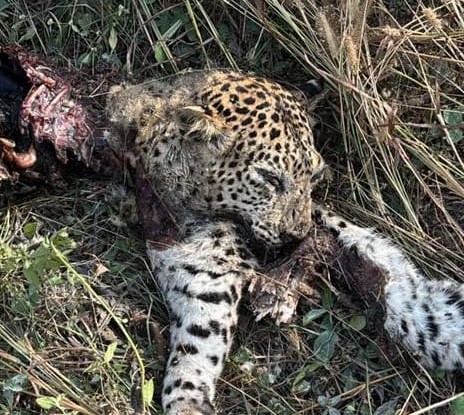
The body of a dead female leopard was found by the patrolling forest staff of Kaggalipura Range, Bengaluru Urban Division on December 27, 2025. It was found in a “Mango Grove” adjoining a stone quarry enterprise. Further, on examination, it was found to have died 2-3 days back and the body had been eaten by stray dogs.
UNNATURAL DEATH
Post mortem (PM) has revealed that the female leopard was pregnant and was carrying three foetuses. The PM was done by a trained local vet who collected all the samples for forensic examination. Further, it has died in unnatural circumstances as other causes like poaching, snaring, territorial fight, etc has been ruled out as no body part is missing. There were no gunshot wounds, no traces of infighting and no colour changes in its internal organs. Samples from the carcass has been sent for toxicology tests,” said V Ganesh, Assistant Conservator of Forests (ACF), Bengaluru South Sub-division, Karnataka Forest Department.
“However, the Standard Operating Procedure (SOP) of the National Tiger Conservation Authority (NTCA) for conducting detailed post-mortem examination of big cats was not followed in this case,” alleged a wildlife conservationist closely tracking the inquiry.” He added, “And, this is not first time this has happened even though the Forest Minister has time and again instructed them to follow all NTCA’s SOP and necessary protocols.”
The Bengaluru South ACF further said, “Currently, the RFO is inquiring into the issue. The cause of the death has to be ascertained – whether it is due to any toxicity or from an impact caused by blasting in the nearby stone quarry – S P Enterprises. We have seized the stones found at the death spot and sent it to FSL for ascertaining any skin, tissue or hairs, etc on the stones. The leopard body was not found in a forest area but in a gomaala land (Survey No: 51 Solivara) falling in the Chikkanahalli village limits.”
ISSUE OF ILLEGAL QUARRYING?
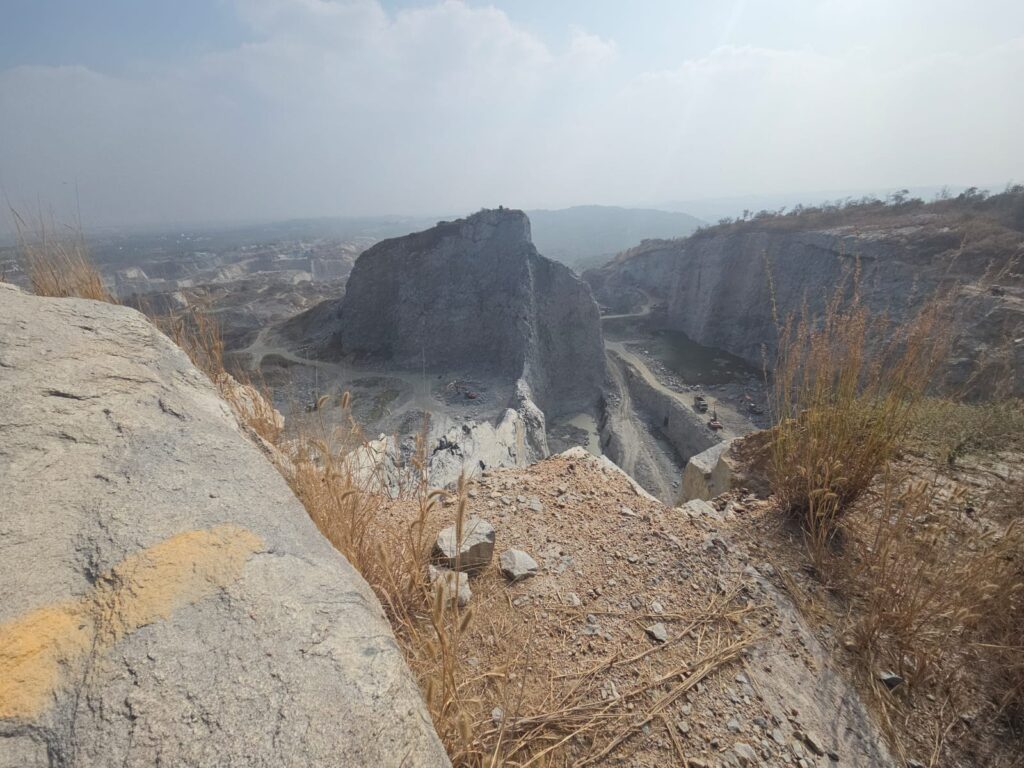
The State Mines and Geology Department also conducted a field visit for checking whether any illegal stone quarrying is going on in the Kaggalipura area. This area falling in the Bengaluru Urban Division has about 70-80 stone quarrying units operating here. The ACF further stressed, “No mining is taking place in the forest area but in the gomaala lands and most of them possessing mining leases for quarrying while permission is given to them by the concerned authorities for blasting.”
Meanwhile, Yeshwantpur legislator H T Somashekar has made serious allegations that illegal mining is taking place in the forest area especially in the area falling under his constituency. The MLA has further demanded an inquiry into “illegal mining” activities in the aftermath of the death of the leopard. In view of this, Forest Minister Eshwar Khandre announced that an inquiry will be done to elicit whether illegal mining is taking place in forest areas and also find the reasons for the death of the pregnant leopard.
LEOPARDS THRIVE IN BENGALURU QUARRY SITES
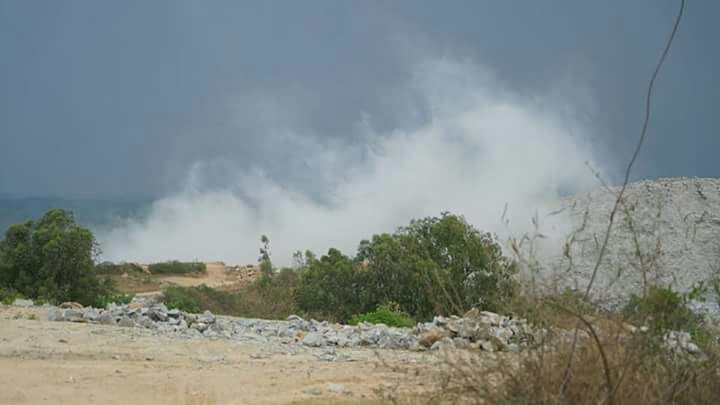
As per the First Information Report, the dead leopard, was discovered inside a grove near a stone quarry site and the blasting resulting in a cascade of massive stones – may have hit the leopard and caused the big cat’s death. However, forest officials say that leopards not only come out of forests to gomaala lands (which are the hub of mining activities in Bengaluru) and farmlands in search of easy prey like stray dogs, goats, pigs, hens, etc but also for breeding purposes.
In the last 2-3 months, 16 leopard cubs have been discovered in the Bengaluru South Sub-division as leopards maybe, find this place ideal for their breeding activity.
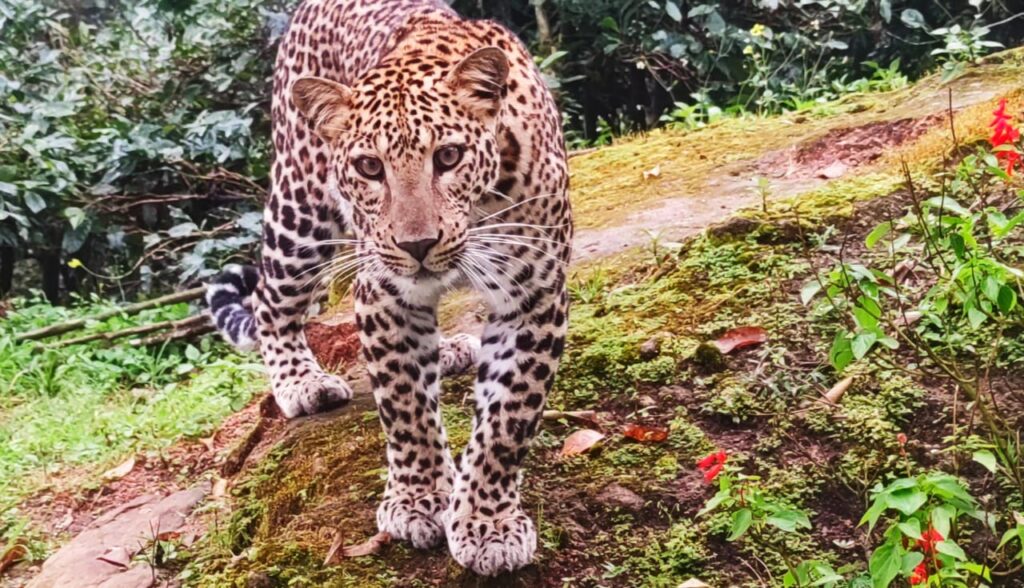
Coming down to the issue of leopard population in Bengaluru, Kaggalipura Range alone has 45 leopards while Bannerghatta has more than 40 leopards. Added to this, in the surrounding areas from Anekal, Magadi, TG Halli, Nelamangala, Khoday’s factory, Roerich Estate, Turahalli forests, U M Kaval, B M Kaval to Hessarghatta, there are 60-100 leopards.
NO BARRIER FOR FEEDING
In fact, Bengaluru has become a thriving habitat for leopards for many reasons. Compared to tigers, leopards have no barrier for feeding as they eat stray dogs, sheep, goat, hens, etc and they are very flexible in their feeding habits. Further, cattle lifting is pretty high in some of these areas and compensation is paid by the forest department.
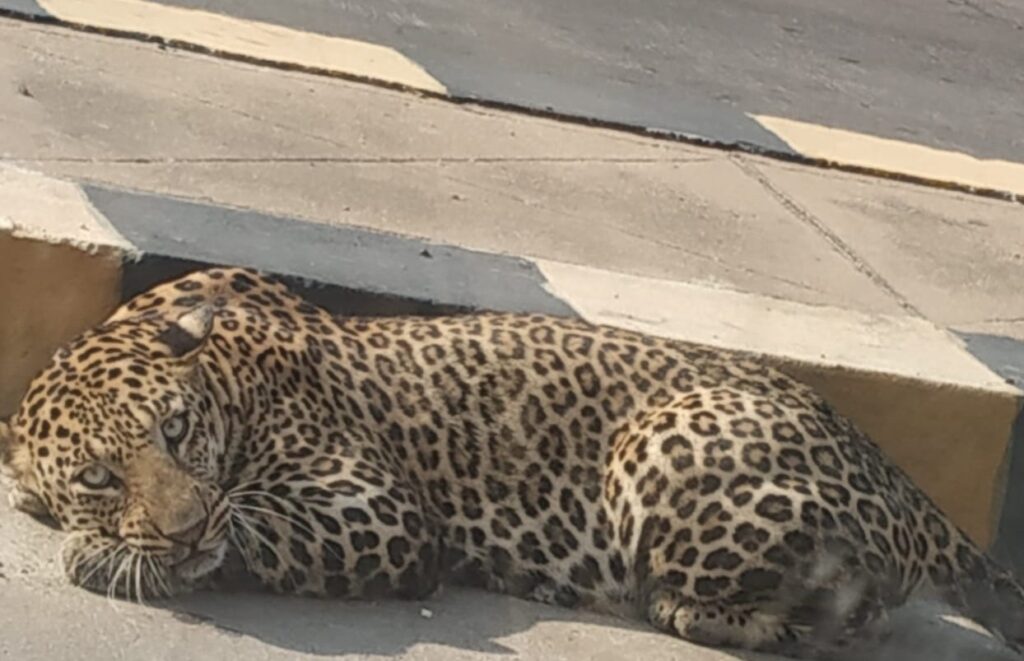
Further, requests for caging the leopards too are increasing day by day as their population is increasing. The breeding rate of leopards is very high and is 3-4 cubs per litter. Even though, survival rate is 50 per cent, their population in Bengaluru is rising and they have adapted to the urban surroundings with plenty of water and easy prey available. The movement of leopards in the fringe areas – all around Bengaluru is pretty frequent, say forest officials.