
Meera Bhardwaj:
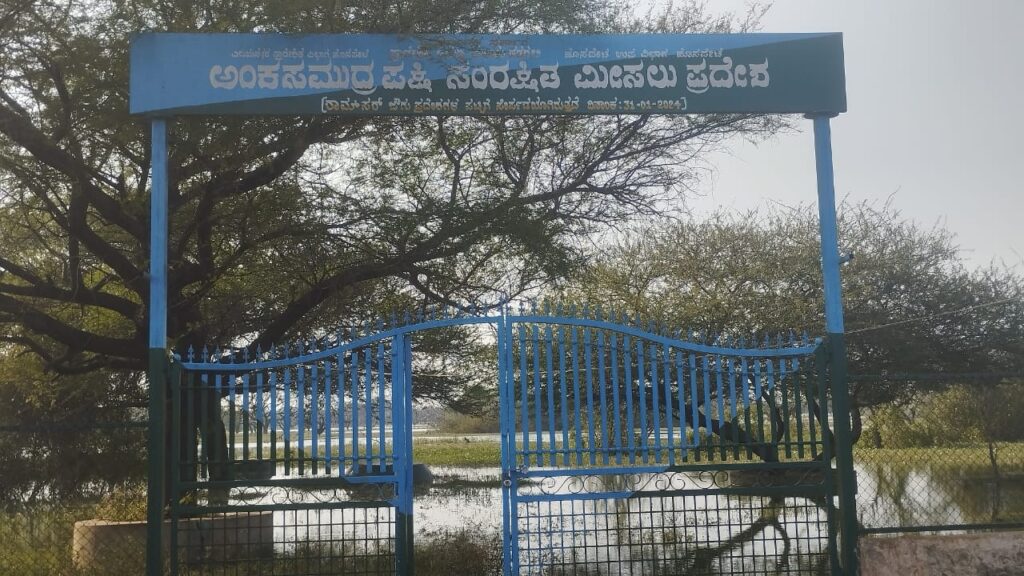
A record number of bird sightings – crossing more than 274 species have been observed at Ankasamudra Bird Conservation Reserve, Karnataka this season. A haven for diverse bird species, this time between December-January, Ankasamudra is witnessing the arrival of many migratory birds and other species from different parts of the country. A Ramsar Site, Rs 21 crore has been sanctioned for protection and development of this bird conservation reserve.
Spread over 98.8-hectare area, Ankasamudra Bird Conservation Reserve is located near the backwaters of Tungabhadra Dam at Hagaribommanahalli, Vijayanagara district, Karnataka, India.
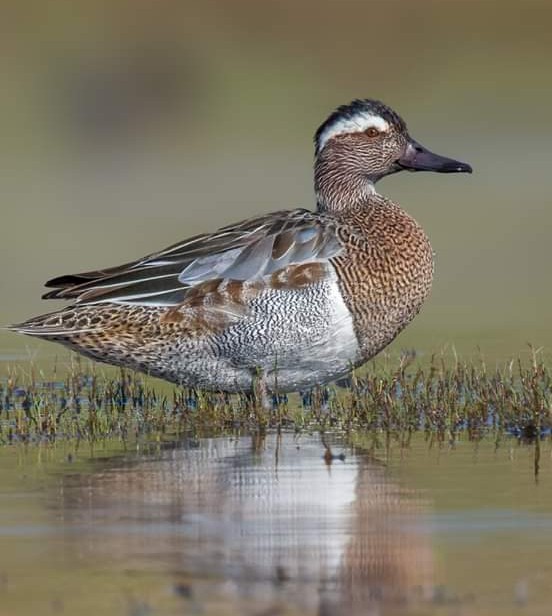
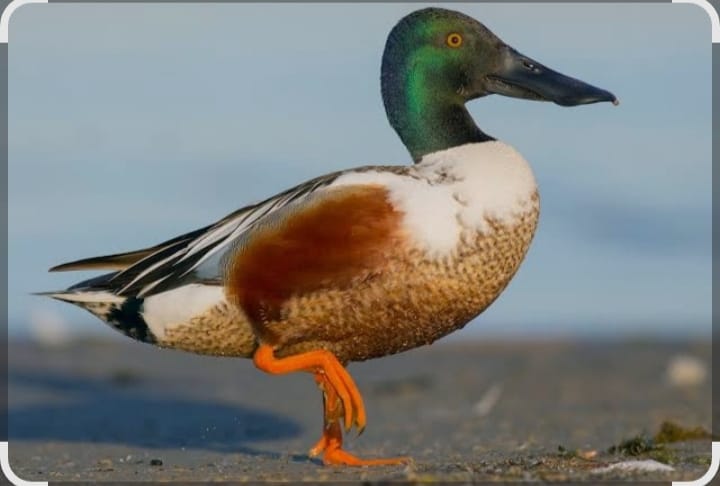
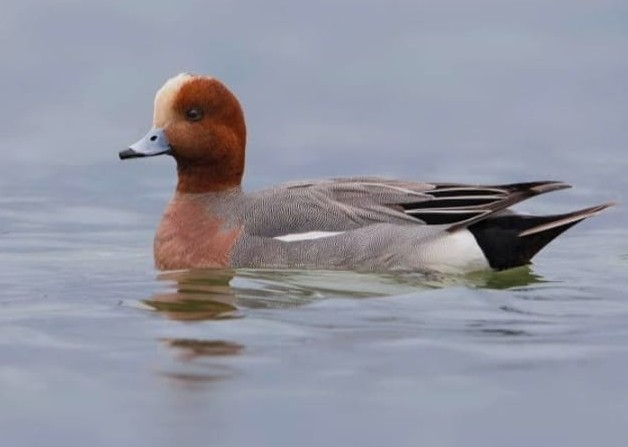
Vijay Ittigi, bird conservationist from Hagaribommanahalli adds, “The bird density is very high this time and we have seen more than two lakh garganeys, northern shovelers and Eurasian Wigeons. Currently, from January 3-18, we are recording bird activity in nine wetlands of Hagaribommanahalli alone.”
Early this year, a lot of activity has been witnessed in this waterbody with 155 species recorded in the last 8 days of January alone. Usually between November-February, one can see the highest number of migratory birds. However, throughout the year, herons, egrets, cormorants, spot billed ducks, darters, kingfishers, bulbuls are common residents in this lake.
MORE THAN 274 SPECIES RECORDED
Speaking to Green Minute News, Vijayanagara DCF Anupama H said, “Migratory birds keep on coming and the total count of birds this season can only be ascertained by March. However, this time more than 274 bird species have been observed since December.”
Further, the Asian Bird Wetland Survey was carried out on Sunday (January 4) however, this report is yet to come. This was done in association with Bombay Natural History Society, students of Kuvempu University and others. In this annual project, water birds are counted in wetlands across Asia.
The sighting of such a diverse number of birds at Ankasamudra has attracted birding groups and birdwatchers from all parts of the country. And being close to Hampi, the World Heritage Site, it attracts many tourists and nature lovers.
This in fact, highlights the rich biodiversity of Ankasamudra, a man-made lake, especially after it received the Ramsar Site recognition in February 2024. Being a designated Ramsar Site, Ankasamudra is recognized for its significant biodiversity as a wetland crucial for resident and migratory waterbirds.
Ankasamudra is particularly known for breeding species like Indian cormorants and Painted storks and also for its abundant Karijali (Acacia) trees.
Providing nesting sites and serving as a vital water source for the drought-prone regions of this district, Ankasamudra fulfils the multiple Ramsar Site criteria for global importance.
Rs 21 CRORE FOR PROTECTION, DEVELOPMENT
Ankasamudra has been sanctioned Rs 21 crore not only for its protection but also for its development like facilities for birders and visitors, said Vijayanagar DCF. However, the project priority is for protecting the conservation reserve.
DCF Anupama adds, “Since it is a notified CR, most of the funds will be for its protection that is boundary consolidation and stop all further encroachments. We have one APC with four members and one more APC will be added. Also, work on small facilities like two rooms, washrooms, drinking water facilities will be taken up. A Nature Education Centre too will be set up. The budget has been provided with the DPR being readied and the work will start from 2026-27.”

CASE BOOKED AGAINST PARAGLIDERS
On January 4th, some people were found paragliding over Ankasamudra Bird Conservation Reserve which was reported by activists. This is not the first time – such a dangerous activity over the protected area has happened as they were almost hitting the birds to get a closer look at the migratory birds.
Vijay Ittigi adds, “The noise created by the paragliders (as they were gliding round the protected area) not only caused disturbance to the birds and its breeding activity but also disrupted the biodiversity rich habitat of Ankasamudra. We were actually recording the bird species here as this is the first time, so much of bird activity has been seen – suddenly these paragliders came over the reserve – some birds panicked and fled due to the acute noise. In fact, migratory birds will change their route if such things happen at Ankasamudra again.”
The DCF said, “We have taken action and booked a case against three people who were involved in paragliding over the conservation reserve. Inquiry is going on – the violators claimed that they had no knowledge of prohibition of paragliding over a protected area.”
A HAVEN FOR MIGRATORY BIRDS
To escape the harsh winters in Russia, Central Asia, Mongolia and Europe, many migratory birds which arrived have been documented by birders and the Karnataka Forest Department.
The exact number of birds at Ankasamudra Bird Conservation Reserve changes seasonally, however, recent reports this January, confirm its status as an ideal destination for diverse species.
Anti-Poaching Camp Forest Watcher Raju at Ankasamudra reports the highest bird activity ever and sighting of thousands of migratory birds and more than the usual number of bird species including a rich number of migratory ones.
A VITAL STOP OVER FOR BIRD
Early morning and before dusk, significant numbers of local and migratory waterbirds like pelicans, storks, and ducks arrive in large numbers. Since Ankasamudra is a vital stopover for migratory species, so, large flocks of egrets, ibis, and various ducks cab be seen. Recorded populations include thousands of Asian Open bills, Black headed Ibis, Indian Cormorants & Spot-billed Pelicans which support key global populations.

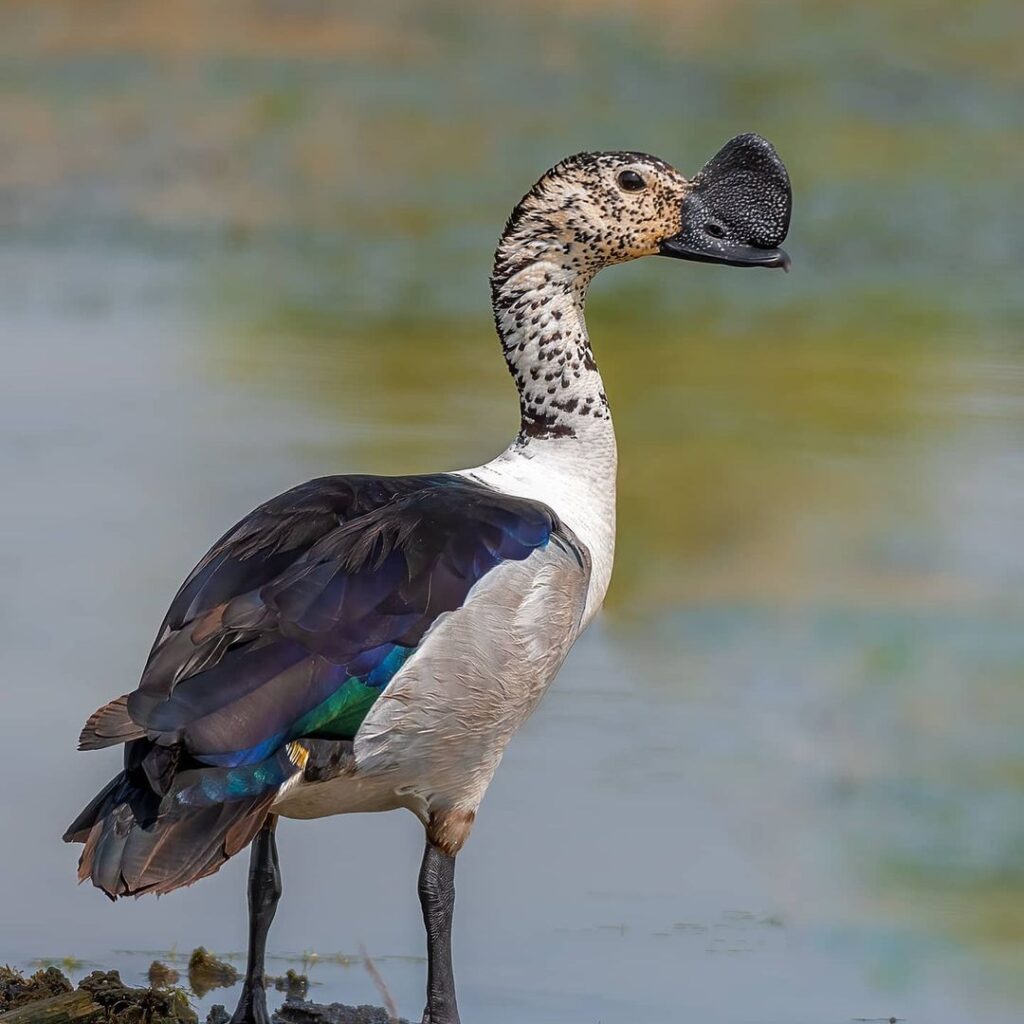
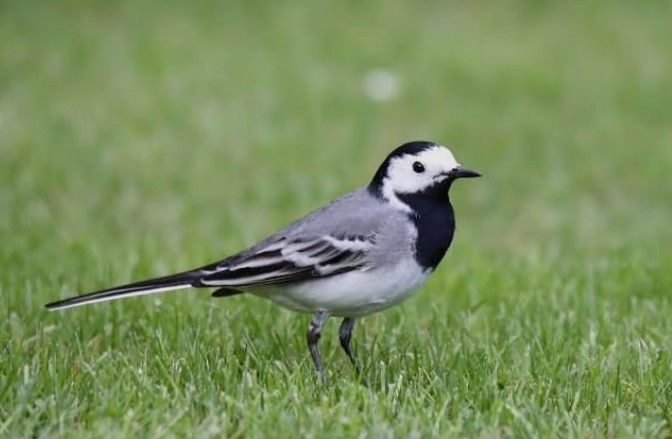
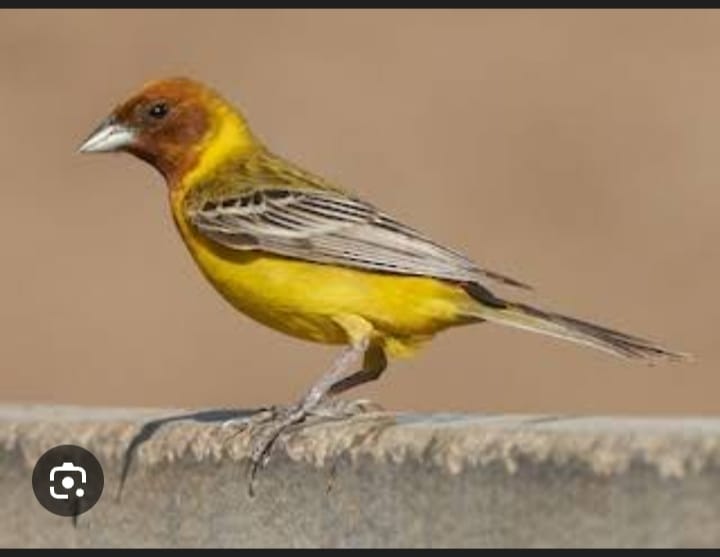
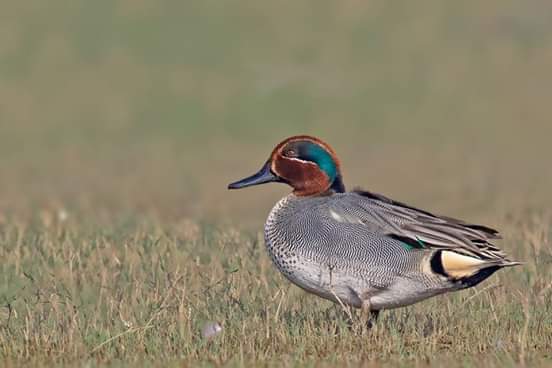
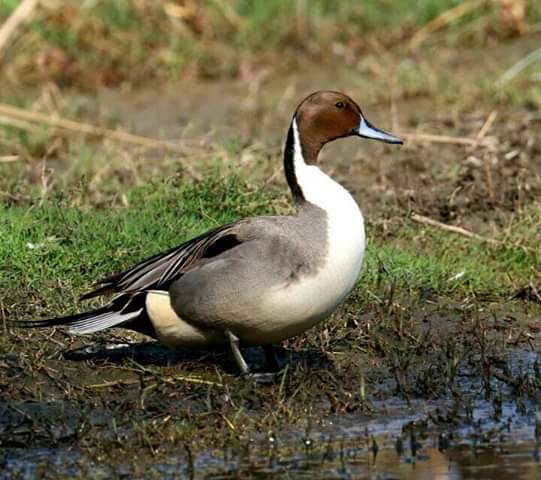
Migratory birds that have been documented include – Fulvous Whistling duck, Knob billed duck, Common teal, Northern Pintail, Garganey, Gadwall, Eurasian Wigeon, Northern Shoveler, Red Headed bunting, Black headed bunting, yellow wagtail, White wagtail, Clamorous reed Warbler, Lesser Whitethroat, and many more.
(PHOTO CREDIT: ALL PHOTOS EXCEPT PARAGLIDING ONE – PROVIDED BY RAJU, FOREST WATCHER, APC, ANKASAMUDRA BIRD CONSERVATION RESERVE)