
Manjunath S Nayak:
The Karnataka Forest Department (KFD) has initiated pre-emptive steps to prevent any human-leopard conflict incidents across the northern districts of Karnataka. Training workshops for forest staff personnel, awareness campaigns on human-leopard conflict and use of technology to monitor leopards are some of the preventive steps taken up by the Dharwad Circle of the KFD.
Thermal Drones have been provided to track the movement of leopards in and around human settlements.
This is part of a pro-active conservation strategy adopted by KFD so as to save the leopards as also people living in peripheral areas of protected areas and other forests.The drones used by the Karnataka Forest Department are generally equipped with high-resolution thermal cameras, enabling 24×7 monitoring. Some operations have utilized advanced models like the DJI Mavic 3T Enterprise.
Unlike the south interior districts of Karnataka where the conflict is acute, human-leopard conflict is not so prevalent in northern districts. However, in the recent past, incidents have happened in Ballari, Koppala, Gadag, Haveri, and Dharwad due to habitat loss from mining and quarrying activities, and agricultural encroachment.
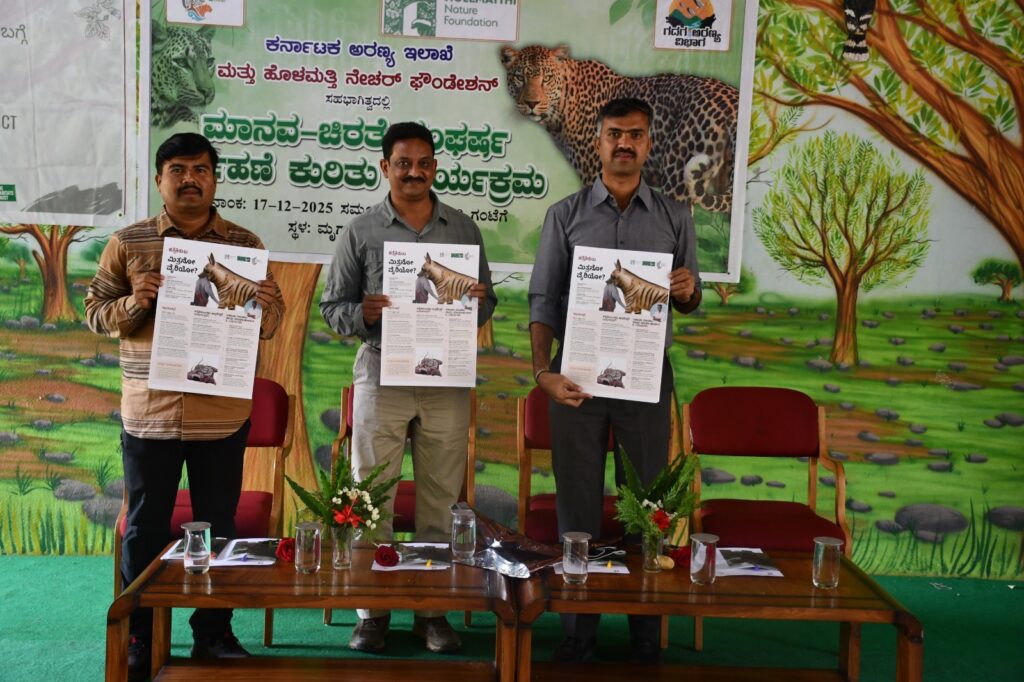
PRE-EMPTIVE STEPS FOR CONFLICT MITIGATION
In this regard, many pre-emptive steps have been taken by Karnataka Forest Department to mitigate the conflict issue. Forest officials cite a general lack of public awareness about conflict with leopards, their behaviour, leading to fear and retaliatory killings, which is a major cause of leopard mortality.
The Karnataka Forest Department has implemented several reactive measures to mitigate the conflict between leopards and humans. According to Dharwad Circle CCF Vasant Reddy, mitigation measures have been taken up to:
- Provide training to the forest staff including frontline personnel
- Give leadership and capacity building skills, and
- Human-leopard conflict management skill.
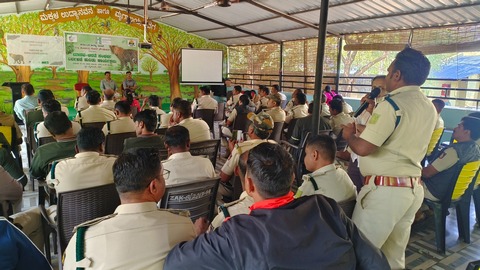
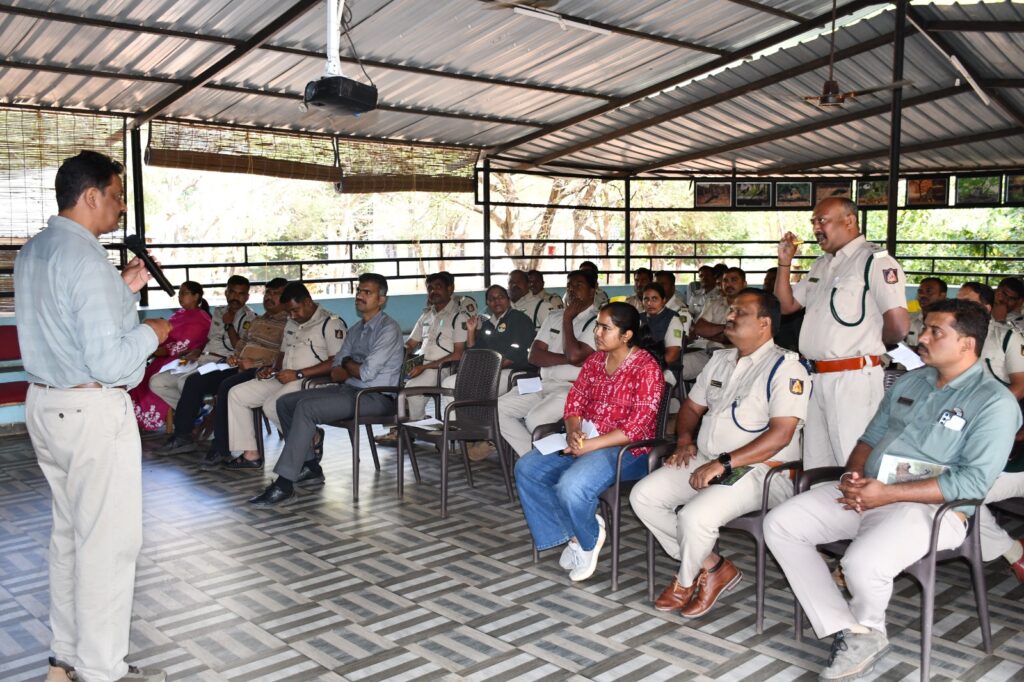
Recently, a workshop was organized in Gadag district and this specialized training was carried out by Conservation Biologist and Leopard Expert Sanjay Gubbi and his team from Holématthi Nature Foundation.
In fact, all the three divisions in Dharwad Circle have been provided thermal drones to monitor leopard movement, according to forest officials. Apart from this, they have sufficient cages in the three divisions to capture leopards in the event of any conflict situation.
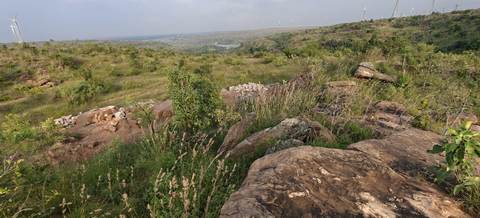
PRO-ACTIVE CONFLICT MANAGEMENT IN THREE DIVISIONS
Speaking to Green Minute News, Vasant Reddy, CCF Dharwad Circle said, “Leopards are found everywhere now in the state, however, fortunately we don’t have much conflict in these three divisions.”
The CCF added, “But, our staff capacity should be up to the mark to handle any incident of leopard-human conflict. Managing the public and bringing awareness about such conflict situation is very necessary so that the wildlife is captured in unavoidable situation and is also safely driven back to their habitat.”
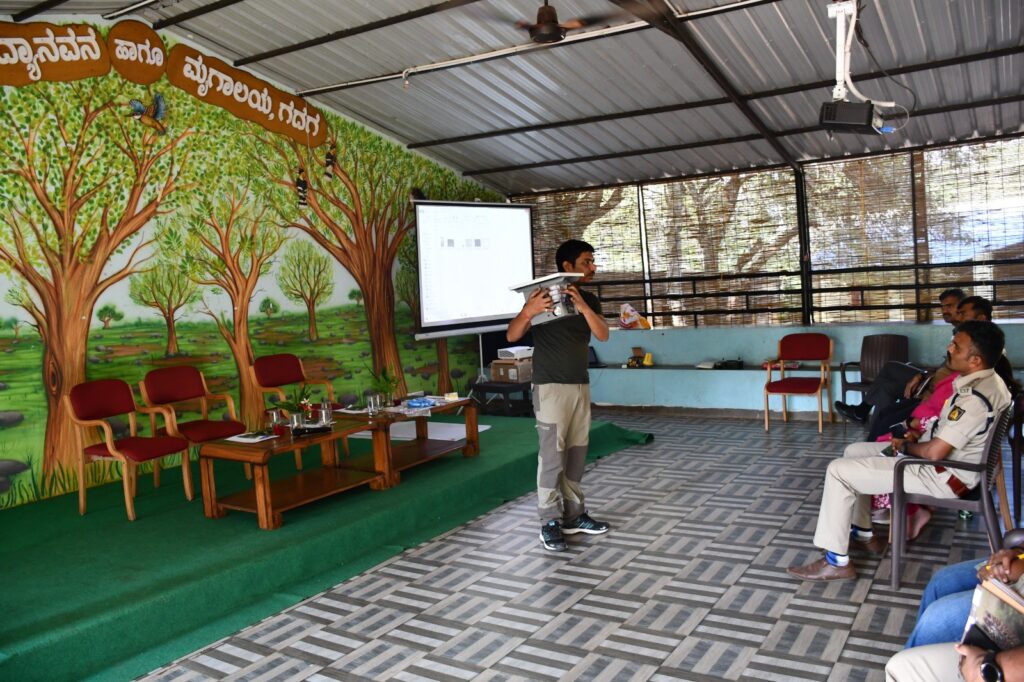
The Karnataka Forest Department has planned to take up public awareness programmes in schools and colleges and also with local farming communities. These awareness programs are being done in collaboration with Sanjay Gubbi’s team and local wildlife experts.
“Although human-leopard conflict is currently not widespread in Gadag district, it is important to take a pre-emptive approach by strengthening the capacity of frontline forest staff,” informed conservation biologist Sanjay Gubbi.
HABITAT LOSS, EASY PREY
Recent studies indicate that human-leopard conflict is an acute and rising challenge acrossKarnataka. Added to this, districts in northern Karnataka including Ballari and Koppala, Gadag, Haveri, Dharwad and Belagavi are facing habitat loss, rapid urban development, and the availability of easy prey like stray dogs in human settlements. The primary cause of human-leopard conflict is encroachment of forest lands for agriculture, mining, and urban development. This has not only shrunk the leopards’ natural habitat but also resulted in spillover of leopard population into human settlements.
The unscientific disposal of solid waste in peripheral urban areas attracts wild boars and stray dogs, which in turn become an easy and primary food source for leopards, drawing them closer to human settlements.
TRANSLOCATION NOT A SOLUTION
Scientific studies suggest that the common practice of capturing and translocating “problem” leopards has had little impact on reducing overall conflict and can even increase the probability of attacks in new areas, as other leopards quickly fill the vacant space left by the captured leopards.
In fact, this aggravates the conflict issue and worsening the situation in the conflict areas. With big cats having homing and territorial instincts, there is an increase in conflicts near the release sites, cite scientific research papers and advise habitat management like elimination of waste sites which attract stray dogs, protecting livestock population and other measures.
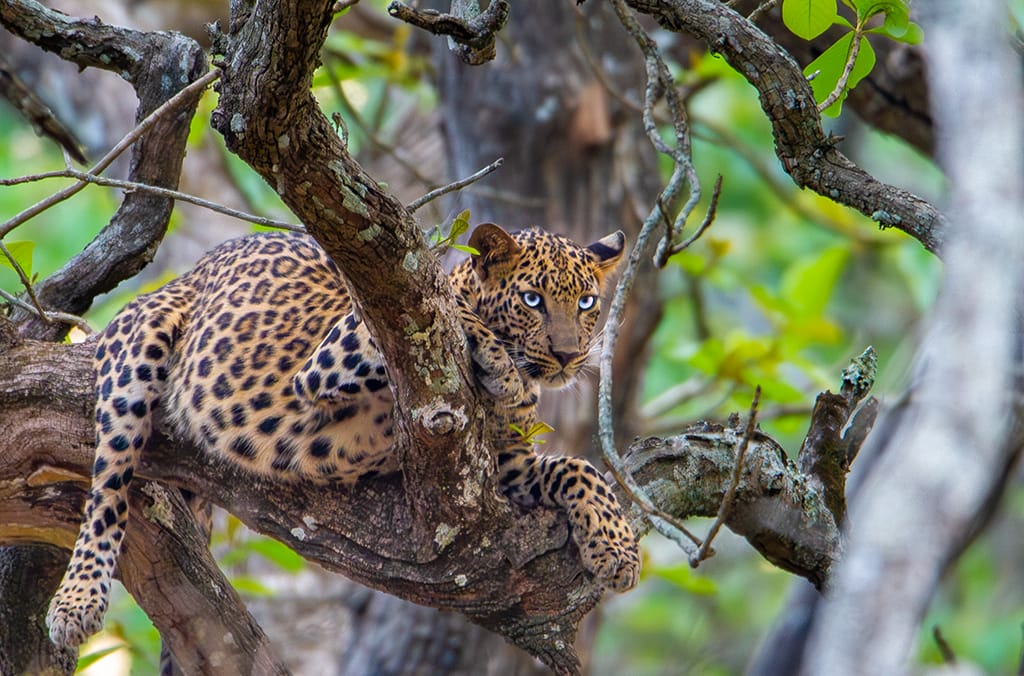
(Leopard Picture Credit : Sunil Kumar Maralkunte, Wildlife photographer)