
Meera Bhardwaj:
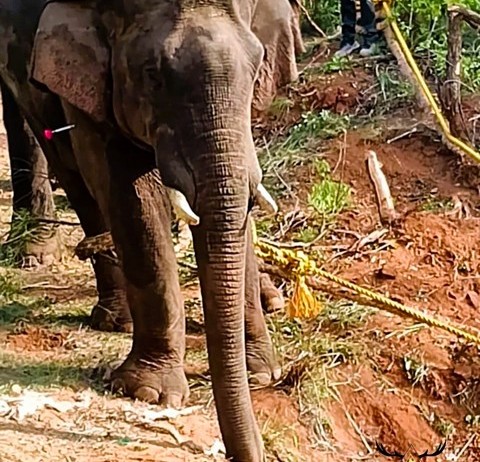
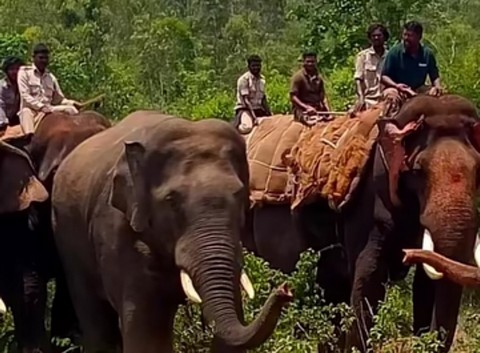
The Channapatna tusker capture on June 25, 2026 has raised many questions on whether Standard Operating Procedures (SOP) guidelines given by MoEFCC & Karnataka was adhered to in this capture operations. On Thursday, the Karnataka Forest Department (KFD) captured a “trouble causing tusker” in Chikkamannugudde forest area of Channapatna taluk, Bengaluru South district with wildlife experts, wildlife conservationists, retired forest officials and activists citing many a violation in the elephant capture operations.
In this background, Karnataka Chief Wildlife Warden and PCCF (Wildlife) Kumar Pushkar has instituted an inquiry into the incident wherein a tusker was captured successfully on June 25 and later released into the wild. The concerned Conservator of Forests will look into the allegations of violations committed during the capture operations and submit a report soon.
In fact, on March 2, 2026, a similar incident had occurred when a Makhna elephant was captured in a brutal manner in Channapatna taluk as an earthmover was used to push the elephant with its trunk sustaining injuries due to repeated jabs by the JCB. And activists had remarked the elephant capture operations resembled the erstwhile Khedda operations in Karnataka.
WHAT WENT WRONG ON JUNE 25?
According to wildlife conservationists, everything went wrong right after the “first darting” was completed and the tusker was successfully captured. Now why was a “second darting” attempted when the tusker was successfully captured after first darting.
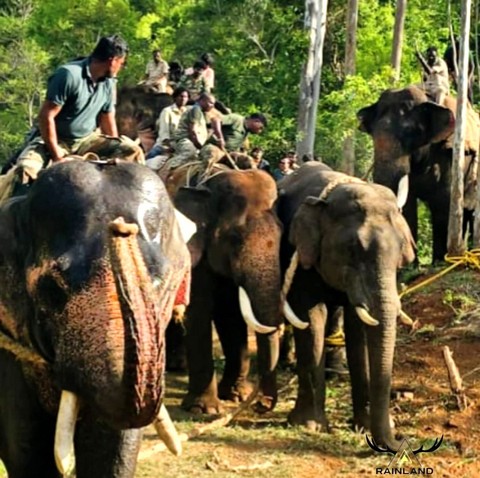
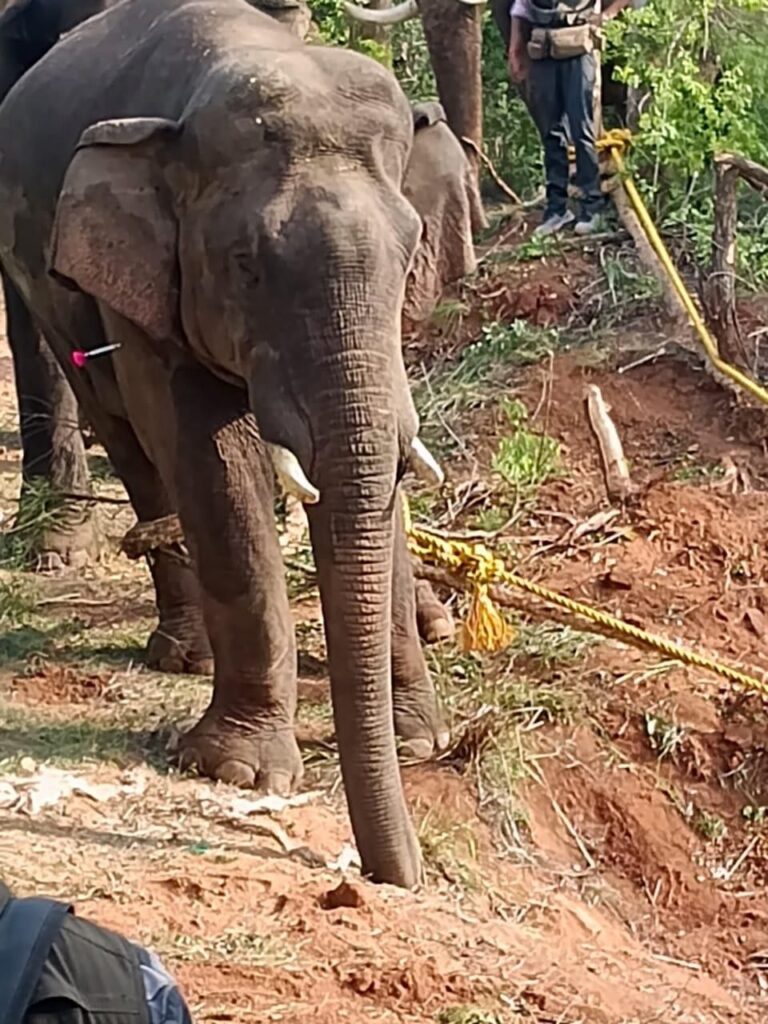
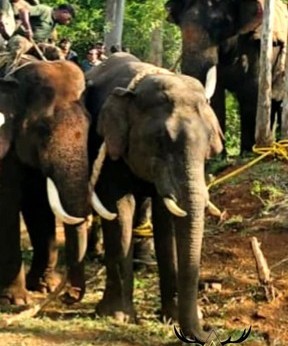
All hell broke loose as the ropes holding the tusker loosened when it was to be loaded on to a truck for transportation. Not just this, the second dart’s (using XYLAZINE) placement on the leg has been questioned by wildlife conservationists. This capture operations in Bengaluru South district involved a team of vets, sharp shooters, six Kumki elephants, mahouts, assistants, helpers and a big squad of more than 100 Karnataka Forest Department personnel.
VIOLATION IN CAPTURE OPERATIONS
Joseph Hoover, former member of Karnataka State Board for Wildlife and United Conservation Movement has called for an inquiry into the June 25 Channapatna Tusker Capture operations. “Since the chief minister is holding the forest portfolio, he should take cognizance and order an inquiry & I will be submitting a memorandum to him on Monday. Now how many times did they dart? The second one should have been darted at the thigh region. Worried that the tusker will die, they injected glucose and revived it. And, they wound up the capture operations hurriedly and released the tusker back in the forest.”
Joseph Hoover further adds, “Can elephants be darted at any part of the body? It is Dr Ramesh Huliya, the veterinary doctor who is responsible for these operations and should take full responsibility for violating the SOP guidelines. Don’t they have other wildlife vets other than Dr Huliya? Take the case of Arjuna’s death when he died during capture operations for all the wrong decisions taken by this vet. If they don’t follow the SOP, why do they need it in the first place?”
INQUIRY INTO JUNE 25TH INCIDENT
Speaking to Green Minute News, Chief Wildlife Warden Kumar Pushkar said, “I have already issued orders for the Conservator of Forests to conduct a detailed inquiry into the incident. In fact, this was a successful elephant capture operation and the elephant was released back into the wild. There have been some issues of violations which will be investigated as the life of both the elephant and the forest staff is at stake during such operations.”
Regarding allegations of an old and frayed rope used to tie the tusker after its capture, the Chief Wildlife Warden said, “The net rope was slightly loose and they found this when it was being led to the lorry which was about one kilometre away. Since it was loose and so many people were in the midst of a capture operations – additional sedation was done. Further, the ropes were tightened and rectified. Then the health parameters of the tusker were checked and since the body temperature of the elephant was going up, it was given medicines and only after the temperature came to normal, and after further checkups, the tusker was released back in the wild.”
IGNORING SOPs FOR CAPTURES
However, wildlife experts claim, “If the publicly available video images are anything to go by, the operation failed its first duty: to treat a wild elephant with maximum caution and minimum harm. Instead, it raises urgent questions about competence, supervision, accountability and whether the animal’s welfare was genuinely treated as a priority.
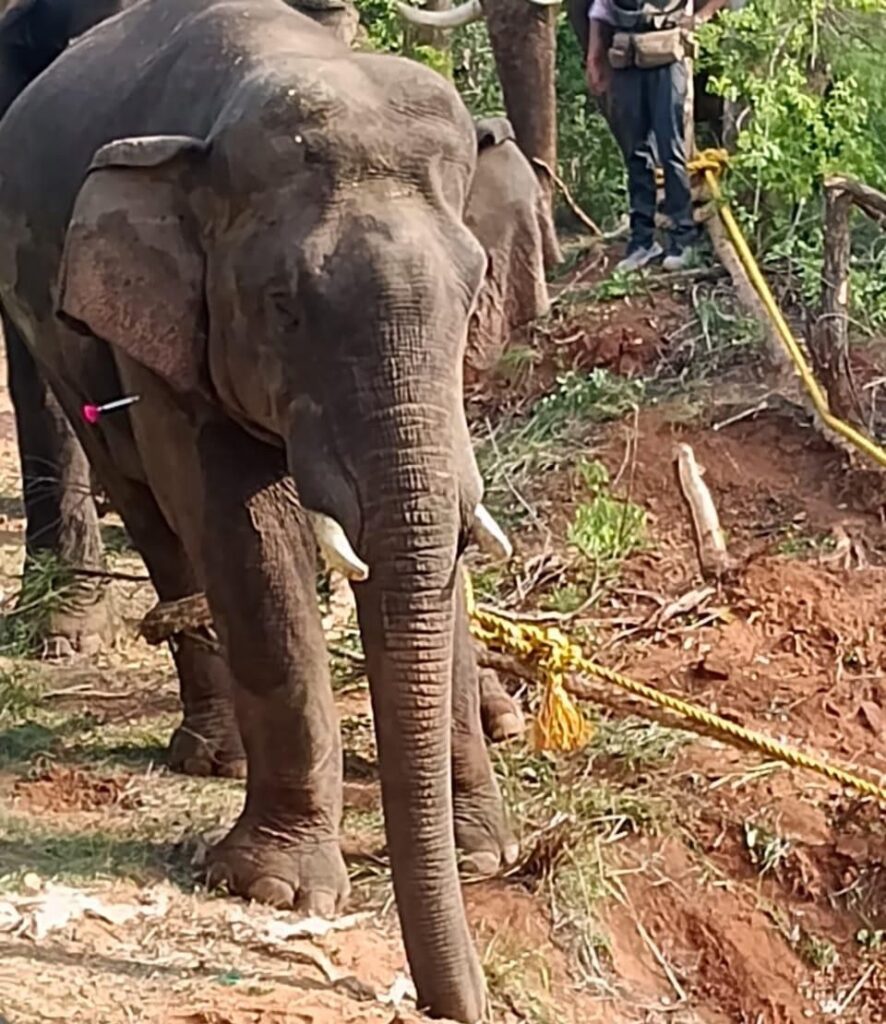
They further add, “The most disturbing and glaring fact is the apparent dart placement on the limb. If that is indeed where the elephant was darted, the operation demands harsh scrutiny. Elephant tranquilization is not a casual act and certainly not a field improvisation and this operation has to be thoroughly looked into:
- A poorly placed dart increases stress, prolongs struggle, and exposes the animal to unnecessary danger.
- This is not a minor technical lapse; it is a warning sign that those in charge either did not respect protocol or were incapable of following it properly.
WHY THE NEED FOR SOPs?
Elephant capture must be the last resort, not the first visible response to public pressure in conflict situations. In Karnataka, captures are becoming more frequent with rising human-wildlife conflict; So, they require:
- Advance planning,
- Veterinary leadership,
- Trained handlers,
- Emergency readiness, and
- Clear command structure.
- Clearance of crowds
- Deployment of adequate police
THE CHAIN OF CARE
When these essentials are ignored, the entire operation becomes a gamble with a very alert, high-risk animal. The public may see a tusker eventually restrained, but they do not see the “chain of care” that should ensure the elephant does not suffer unnecessary fear or injury. If that chain is broken, the operation has already failed regardless of the immediate outcome.
Calls for sharper scrutiny are especially relevant as one wildlife expert observed, “If Dr Ramesh was part of the operation who darted, then the scrutiny should be even sharper, not softer. In a field where one mistake can cause immense suffering, accountability must be explicit, not symbolic.”
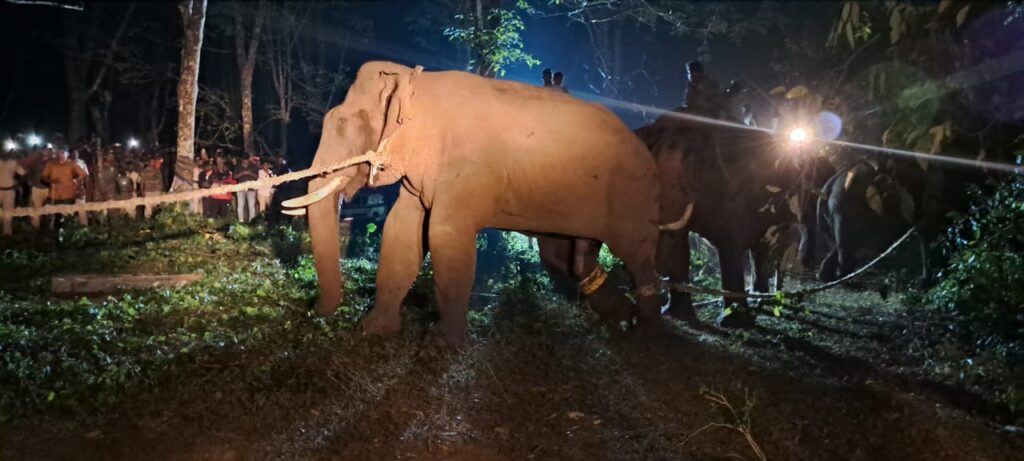
A senior veterinarian in Delhi outlined what proper procedures for Elephant Captures should include:
- Video coverage of the entire darting, handling process
- Recording rectal temperature, heart rate, respiratory rate, pulse
- A full physical examination noting fresh wounds;
- Morphometry and tusk measurements
- Collection of blood samples for health assessment
- Usage of new, strong ropes for limb and neck restraint;
- Trimming sharp tusk tips if needed; and
- Continuous video until antidote is administered & the elephant is fully revived and standing.
According to the SOP for elephant captures, the operation team must produce video as proof.
They must also explain, technically, why a high dose of anaesthesia was given when the Channapatna tusker was already roped and being loaded onto a lorry as such a situation itself creates high stress.
Several operational red flags merit inquiry. Which anaesthetic drug was used for the second darting, and what dose was administered?
ALLEDGATIONS OF USAGE OF OLD ROPES
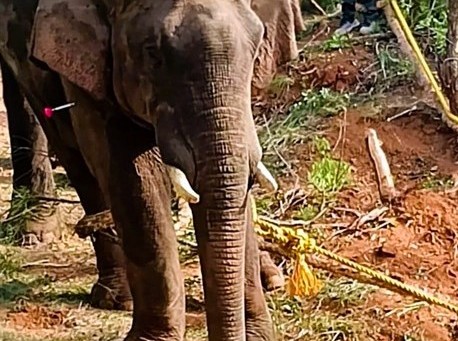
A wildlife expert questions, “Why was Etorphine used again while the animal was roped and being loaded? The images suggest ropes may have broken or dislodged; this raises the possibility that old, degraded ropes were used instead of newly purchased ones.” Such a lapse could force a “top-up” dose that causes hyperthermia, respiratory distress, or inadequate reversal due to improper antidote dosing.
However, CWW Kumar Pushakar said, “In this case, the violation was the rope was loosely tied and neither frayed nor degraded ropes were used. In fact, a new rope can be used 5-6 times and we need not use new rope for every operation. There was some technical problem which will be investigated soon. Since too many people were on the ground and anybody could have been trampled upon as the ropes were loosely tied. So, the tusker was immobilized again.”
Activists have called for inquiry into allegations of fake bills for rope purchases in the Channapatna Tusker Capture case as compromised equipment endangers both animals and staff.
WHO TAKES THE ONUS?
This tusker deserved a carefully planned capture, not a controversy. It deserved a professional wildlife vet team that followed SOPs rather than improvising under pressure. Responsibility extends beyond the capture moment. The lead veterinarian must justify the decision to return the captured wild elephant to the forest, question wildlife experts. “Who is monitoring the tusker now, and how far has it moved?”
Countering this, Kumar Pushkar said, “We are continuously monitoring the tusker after its release in the wild. It has not been radio-collared. These so-called experts are not ready to understand the ground situation. Even though, we aim to follow the SOP, there are problems encountered sometimes in difficult terrains. And the best practices are followed to protect both the elephant and the people. We do not have doctors like Dr Ramesh Huliya and it is a team work and a lot of care has been taken to ensure successful capture operations without any injury or deaths.”
As per SOP, whoever led the Channapatna Tusker Capture Operation:
- Must produce the capture videos,
- Explain the anaesthesia choices and dosages,
- Account for the ropes and equipment used, and
- Show the chain of clinical care for the animal before, during, after capture
- Only transparent, technical, document-backed answers will restore public trust &
- Ensure future interventions prioritize elephant conservation.
NEED FOR ANSWERS
In the background of the institution of an inquiry into the incident, some more Key Questions have been asked by wildlife conservationists and they are the following:
- Who supervised the darting?
- Was the veterinarian actively directing the procedure,
- Or merely present in name?
- Was the operation rehearsed?
- Were appropriate tools and backups in place?
- If these questions remain unanswered, the KFD is not managing conflict
- In fact, it is raising doubts.
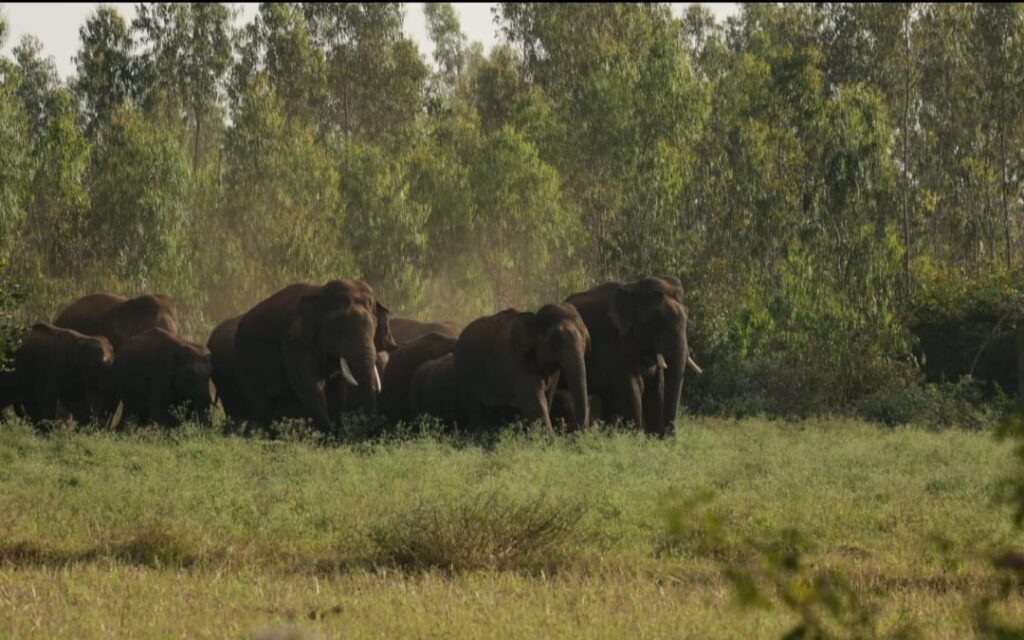
ENDANGERED ASIATIC ELEPHANTS’ CONSERVATION?
Asiatic elephants are endangered; so, success must be measured by whether the tusker was handled lawfully, humanely, and scientifically. If haste trumped discipline in Channapatna, that was not a conservation intervention but institutional carelessness wrapped in official authority. Regarding the capture operations, the CWW says, “Although it was successful, there were violations and they need to be addressed – technical violations, too many people on the ground, lots of people hampering the operations and making viral videos, etc. But if KFD stops capture operations, then who will do it with conflicts rising?”
Conflict elephants do not appear in a vacuum: habitat loss, corridor disruption, shrinking forest cover, and relentless human pressure push them into trouble, activists say. Yet instead of addressing these root causes, the prevailing system often reaches for short-term fixes: capture, move, and declare the problem closed. That approach treats symptoms as if they were the disease and endangers elephant conservation in India.