
R S Tejus:
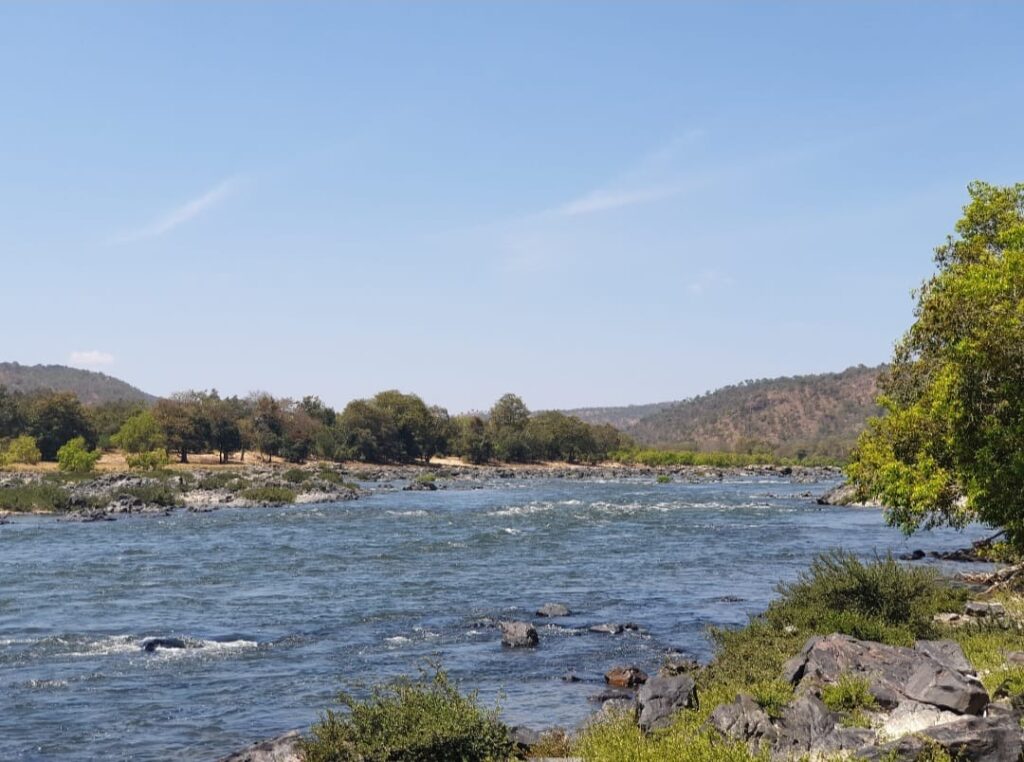
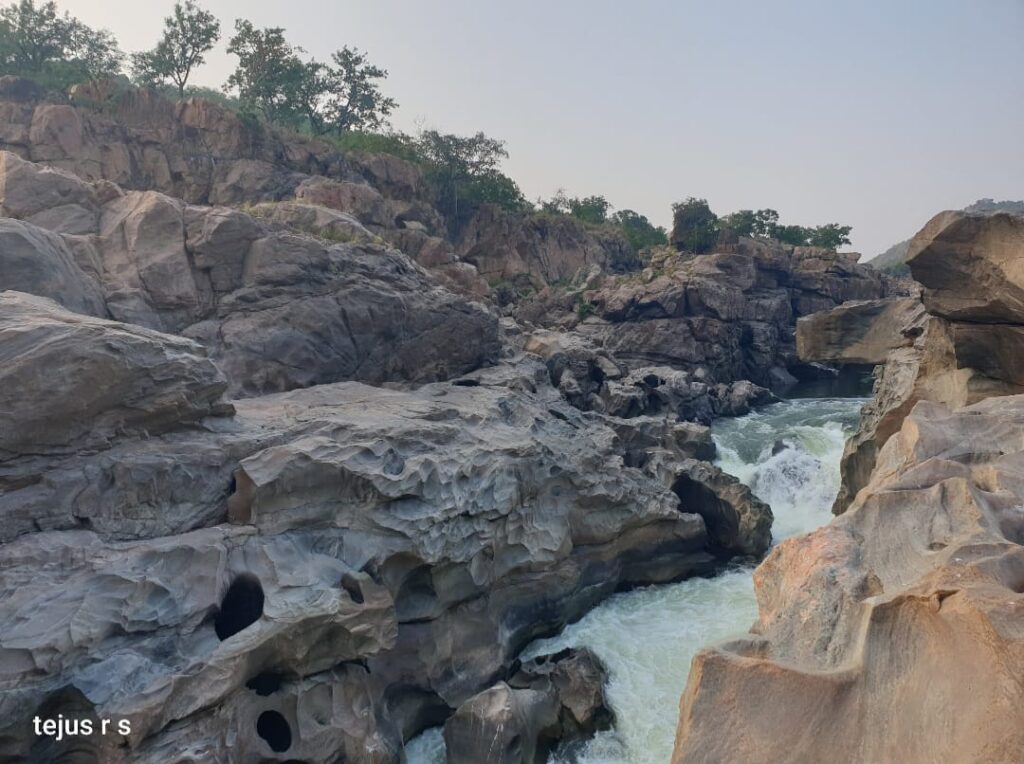
Spelling doomsday for south interior parts of Karnataka, the Karnataka State Board for Wildlife (KSBWL) has recommended geo-technical studies and various other studies for the proposed Mekedatu Balancing Reservoir & Drinking Water Project inside the Cauvery Sanctuary that is located in Mandya, Chamarajnagara and Bengaluru South districts of Karnataka.
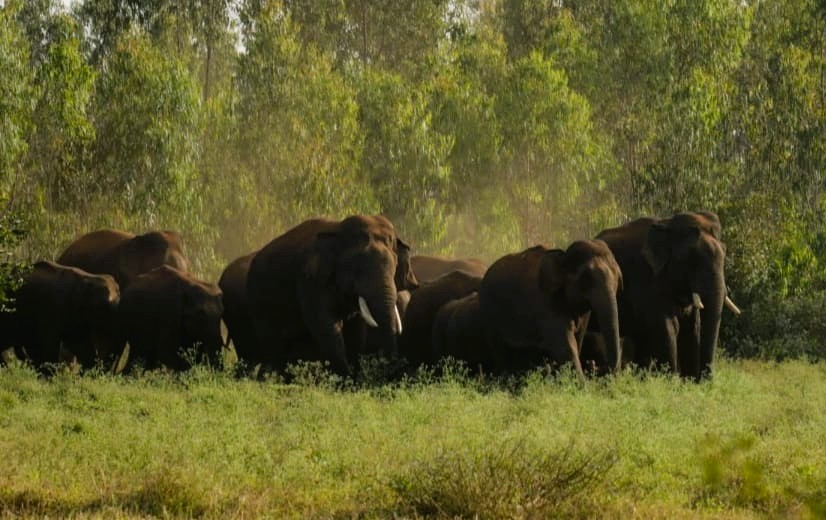
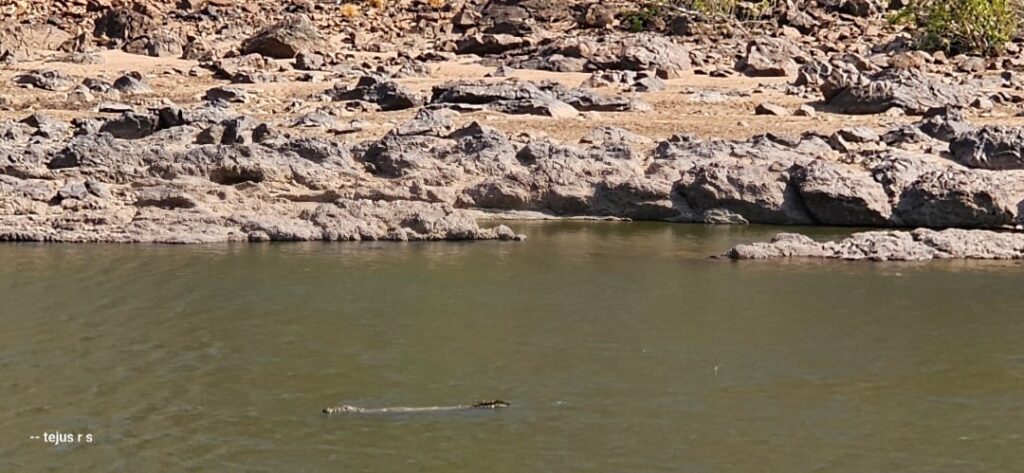
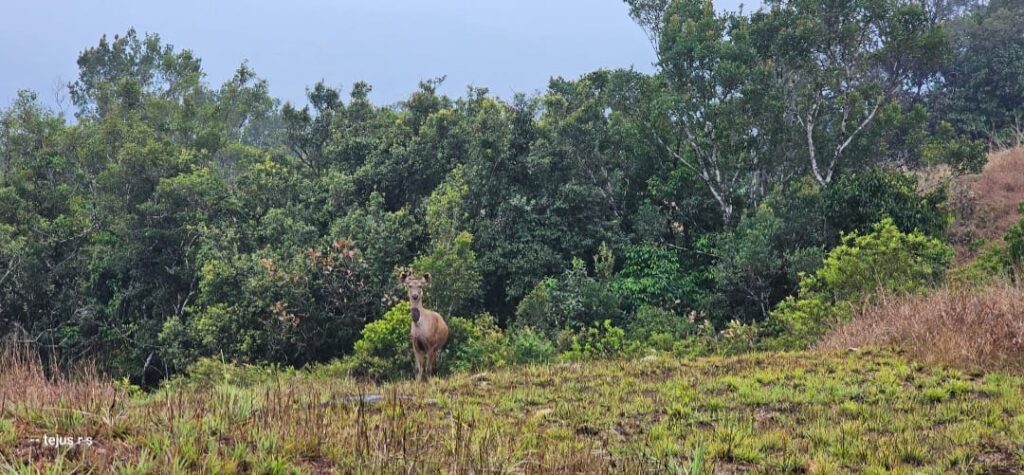
Spread across an area of 1000 plus square kilometres, this Protected Area is home to tigers, leopards, elephants, antelopes, honey badgers, macaques, langurs, wild boars, grizzled giant squirrels, wild dogs, and 280 bird species. With the Cauvery River dividing the sanctuary into two halves, it shelters mugger crocodiles, smooth coated otters and Deccan Mahseer. A vital part of the Nilgiri Biosphere, the Cauvery Sanctuary is home to more than 400 elephants with their movement seen criss-crossing between Eastern and Western Ghats landscapes.
THE JUNE 20 MEETING OF KSBWL
When the Standing Committee of the Karnataka State Board for Wildlife (KSBWL) met on June 30, the meeting appeared routine with five absentees. The agenda included confirmation of the previous meeting, an action-taken report and a handful of fresh proposals. But a closer look at the 200-page document tells a larger story about how Karnataka’s protected areas are increasingly becoming the destination for development projects.
The agenda was packed with proposals involving roads, transmission lines, irrigation schemes, telecommunications infrastructure, bridge construction, educational infrastructure near protected areas, quarry leases, tourism and the proposed Mekedatu Balancing Reservoir Project.
Individually, each proposal may appear reasonable. Roads improve connectivity, power lines strengthen electricity supply, tourism generates revenue and drinking water projects address growing urban needs. However, when such proposals repeatedly come before the Karnataka State Board for Wildlife, an important question arises:
Are protected areas slowly becoming spaces where development is routinely negotiated rather than landscapes where conservation receives the highest priority?
The action-taken report from the previous meeting reinforces this concern.
Several projects considered in April have already been recommended and has moved through the regulatory process which will Spell the doomsday for “Protected Areas” in Karnataka that includes:
- Transmission lines in Kudremukh National Park,
- Infrastructure near Bannerghatta National Park,
- Road projects in the Sharavathi Valley Landscape,
- Widening of highways through the Pushpagiri–Kudremukh tiger corridor,
- Irrigation projects, telecommunications facilities and transmission infrastructure within the Cauvery Sanctuary.
- Most proposals were recommended with conditions before being forwarded to higher authorities.
Conditions are an important part of environmental regulation. Underground cabling, wildlife mitigation measures and restrictions on new roads can reduce ecological damage. But mitigation should not replace the more fundamental question that the Karnataka State Board for Wildlife is expected to examine: it seems like KSBWL has become a wildlife clearance board in reality since the new government was formed as most of the projects are located the backyard of the chief minister’s home turf?
Does a project belong inside a Protected Area landscape in the first place?
Among all the proposals, none carries greater ecological significance than MEKEDATU BALANCING RESERVOIR PROJECT.
Officially, the proposal before KSBWL is only for survey and investigation.
The user agency Cauvery Neeravari Nigam Ltd seeks permission to:
- Conduct geo-technical investigations,
- Drill twenty (20) boreholes,
- Carry out seismic studies,
- Demarcate the Full Reservoir Level,
- Undertake biodiversity assessments,
- Enumerate trees and
- Collect baseline environmental data for preparing future environmental studies.
They claim they will utilize existing forest roads would be used to transport machinery, while any new roads would require separate approval.
On its own, this appears to be a technical exercise. However, the annexures attached to the proposal make it clear that these investigations are only the first step towards the larger Mekedatu Balancing Reservoir and Drinking Water Project.
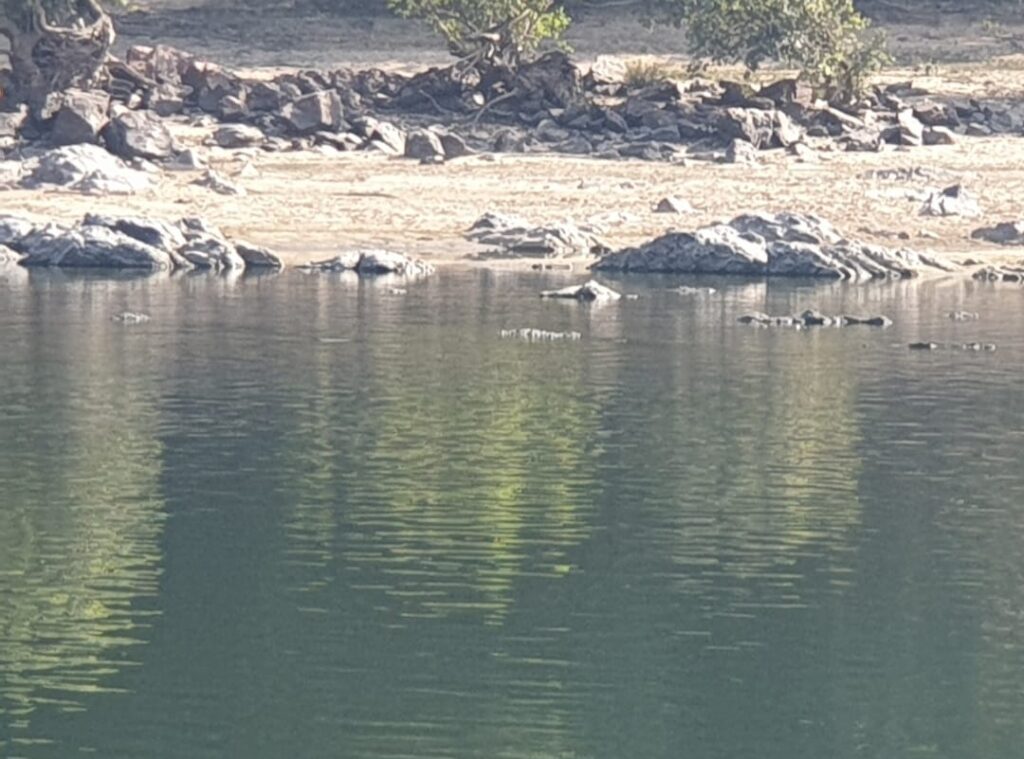
According to documents submitted by Cauvery Neeravari Nigam Limited, the Mekedatu Project proposes:
- A balancing reservoir with
- A storage capacity of 67.16 TMC,
- A 400 MW hydropower station,
- A concrete gravity dam,
- An underground powerhouse,
- A tail-race tunnel,
- A new bridge and
- Water supply infrastructure for Bengaluru.
DIVERSION OF 4879 HECTARES OF FOREST LAND INSIDE CAUVERY SANCTUARY
The Mekedatu Project proposal also states:
- It requires diversion of 4,879.02 hectares of forest within the Cauvery Sanctuary,
- Besides, diversion of reserve forest and
- Diversion of non-forest land.
The documents openly acknowledge that the Cauvery Sanctuary forms part of the Mysuru Elephant Reserve and serves as an important landscape for elephants and tigers.
The MEKEDATU BALANCING RESERVOIR project is often presented as a drinking water scheme for Bengaluru.
The official documents, however, show that it is also a major hydropower and infrastructure project involving extensive engineering works within a Protected Area.
Perhaps the most striking contradiction lies elsewhere.
The approved Management Plan of the Cauvery Sanctuary itself identifies the proposed Mekedatu Balancing Reservoir project as a future ecological threat.
It warns that the disastrous Mekedatu Balancing Reservoir Project would permanently change:
- Pattern of the land use,
- Submerge nearly 5000 hectares,
- Destroy riverine forests,
- Affect habitats used by species
- Impact Deccan mahseer and
- Impact Otters, and
- Impacts Mugger Crocodiles,
- Impacts countless riverine species
- Disrupt elephant movement across the landscape.
- Fundamentally alters the sanctuary’s ecological character.
This makes the current proposal particularly significant as the management plan is an eco-disastrous project.
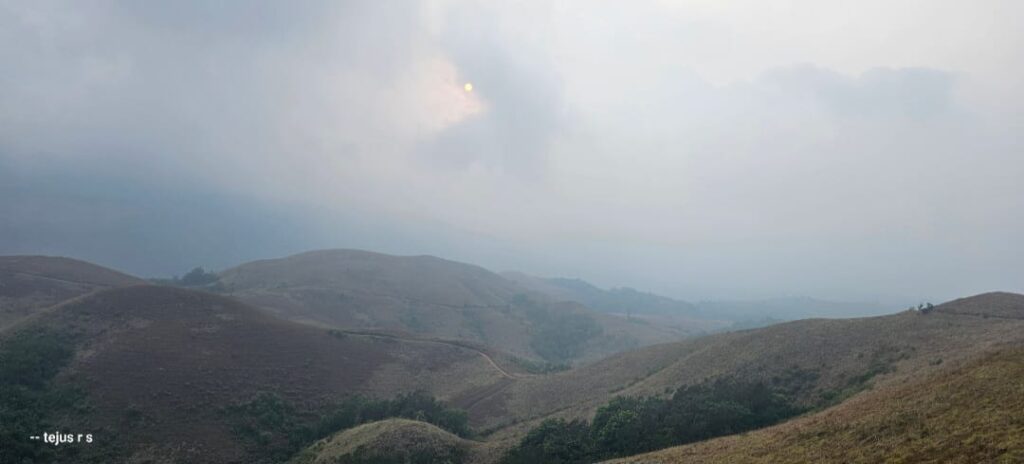
The Karnataka State Board for Wildlife is not simply considering 20 boreholes. It is considering the first official step towards a project that the sanctuary’s own management plan recognises as having far-reaching ecological consequences.
The Concern Extends Beyond Mekedatu.
Roads, transmission lines, irrigation projects, tourism expansion and quarry proposals may all have individual justifications. Yet wildlife experiences them collectively. Habitat fragmentation rarely occurs because of one project alone. It happens gradually, as multiple interventions reduce connectivity, increase human presence and alter landscapes over time.
The Karnataka State Board for Wildlife occupies a critical position in this process as it cannot become the mouthpiece of the state government.
- It is one of the few statutory bodies expected to “independently examine” whether development proposals are compatible with the purpose of a Protected Area.
- Its responsibility goes beyond prescribing conditions.
- It must also assess cumulative ecological impacts and ask whether alternative locations or approaches exist before permitting new interventions.
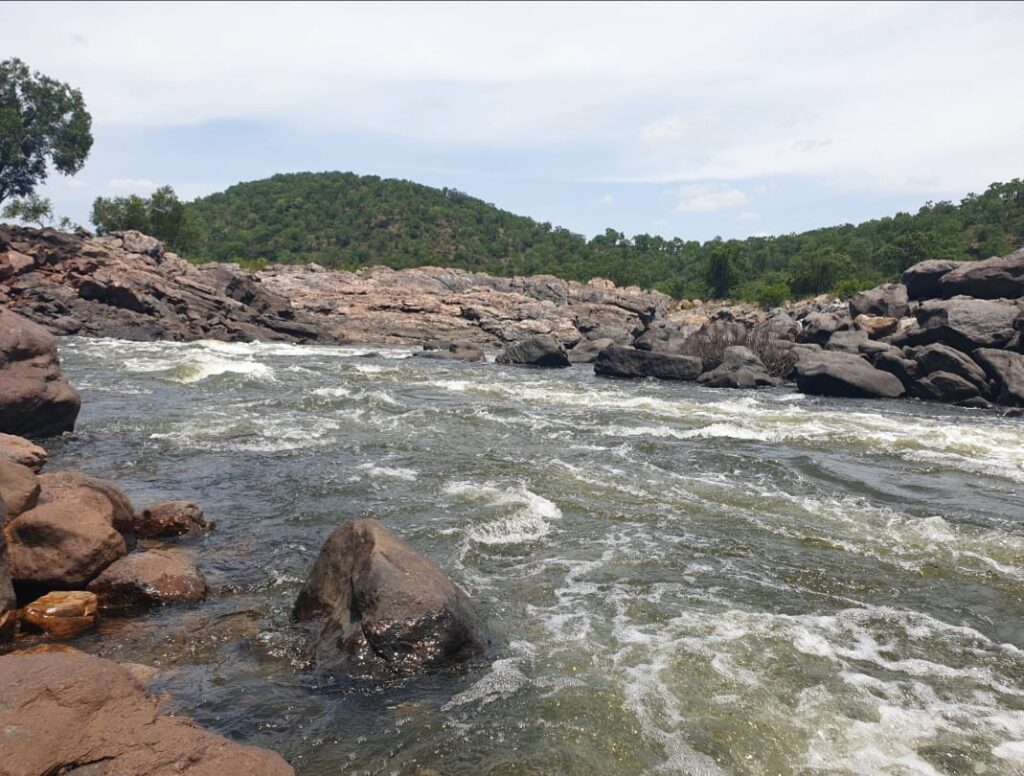
The June 30, 2026 KSBWL meeting therefore, represents more than another administrative exercise.
It reflects the difficult balance Karnataka must strike between meeting developmental needs and protecting some of its last remaining natural landscapes. As pressures on forests continue to grow, the credibility of conservation institutions will increasingly depend not on how efficiently projects move through the approval process, but on how effectively those institutions uphold the ecological values they were created to protect.
The recommendation of so many linear structures, power lines and hydro-electric projects inside Protected Areas by the KSBWL shows how neither the political leaders, the elected representatives, nor the board members and of course, the guardians and sentinels of the forests – the Karnataka Forest Department have not stood true to their oath as protectors of forests in the background of severe climatic changes.
(PHOTO CREDIT: ALL IMAGES BY R S TEJUS)