
Meera Bhardwaj:
The successful capture of a wild tusker on June 27, 2026 in Channapatna taluk, Bengaluru South district – has raised a query whether an identified, moving conflict tusker and that too in a moving herd can be darted in this manner? Now what does the National and Karnataka SOPs for Elephant Captures say?
Under the nationally mandated Standard Operating Procedures (SOP) of MoEFCC for elephant captures, darting a moving elephant is strongly discouraged, and in most scenarios, explicitly prohibited to ensure the safety of the animal, the darting team and the forest personnel.
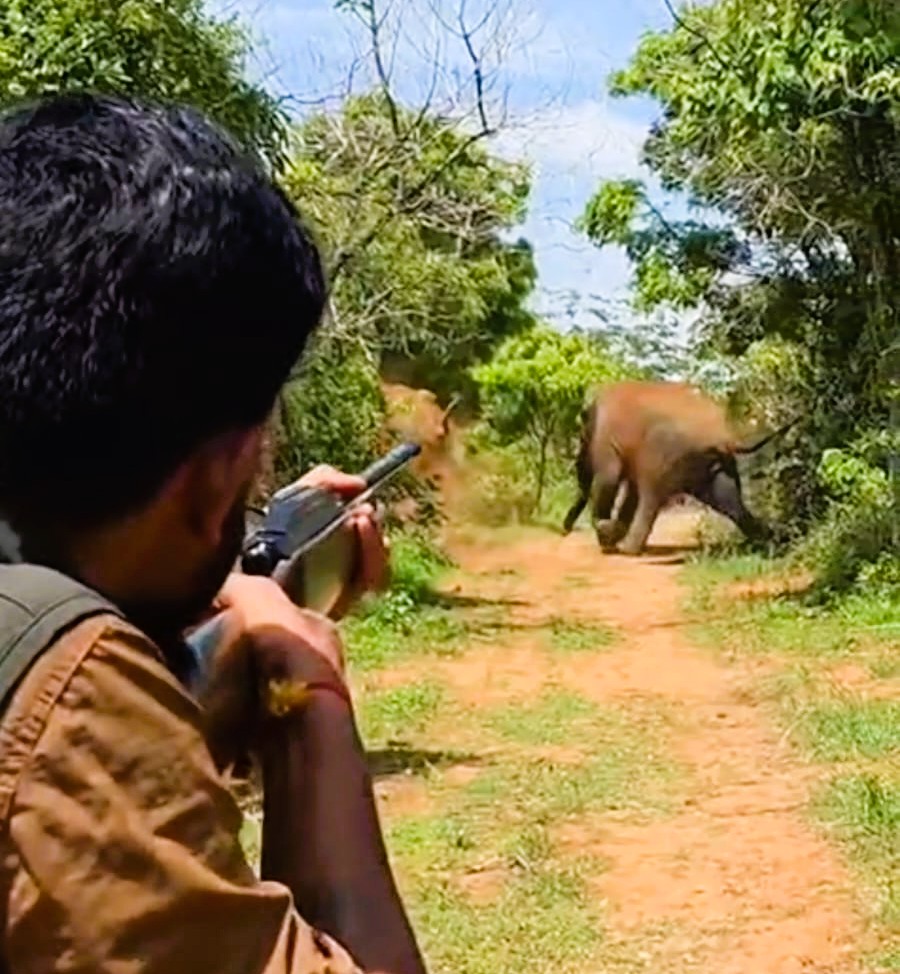
A recent video of June 27 capture operations showing a dart being fired over a moving elephant in a herd highlights a troubling practice: attempting chemical immobilization under uncontrolled, high-risk conditions.
Now what does the images indicate as per the Veterinary Community?
- The shooter is firing at a moving target in close range with at least one conspecific nearby.
- The dart passes above the visible elephant rather than striking it.
- The environment is open, with vegetation and likely uneven ground.
- Further, other individuals in the herd are present out of shooter’s line of sight.
- The scene suggests limited planning, sub-optimal marksmanship, and inadequate safety controls.
The highly regulated Karnataka Forest Department’s SOP for Asian Elephant Capture mandates, “Darting a moving elephant or fleeing animal is highly discouraged due to the risk of the elephant suffering a fatal fall or fleeing into water bodies where it may drown. If an animal is agitated and moving rapidly, the team must first track it, utilize barricades, or use drone surveillance to guide it to an open, flat, and safe terrain before attempting the shot.”
DARTING @ MOVING ELEPHANTS
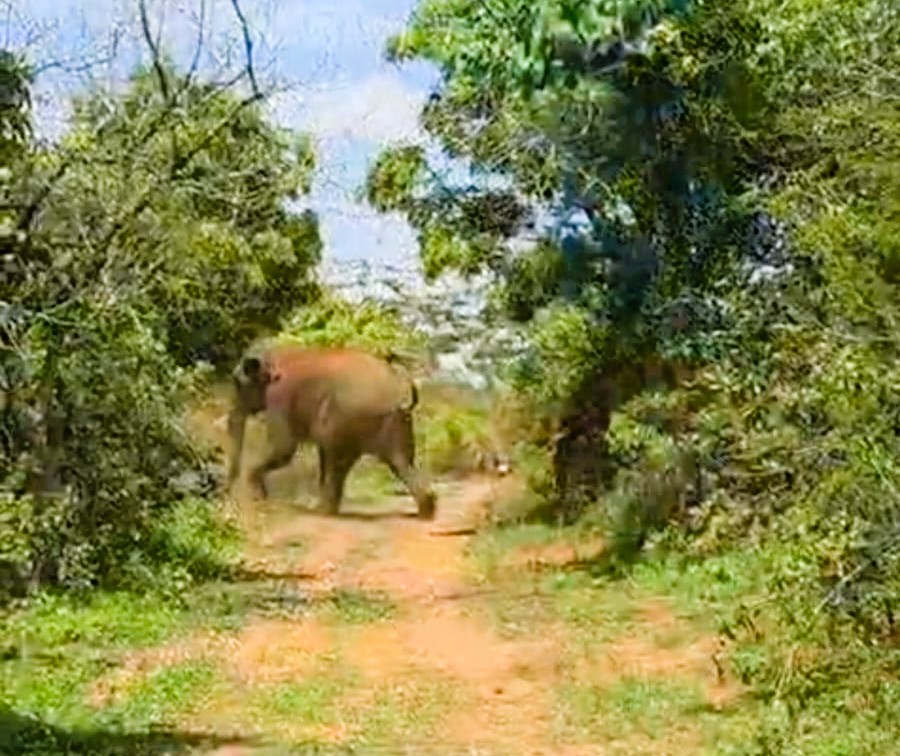
However, in the June 27 Channapatna Tusker Capture case, the video released in the public domain clearly shows how the identified moving elephant in a moving herd was darted.
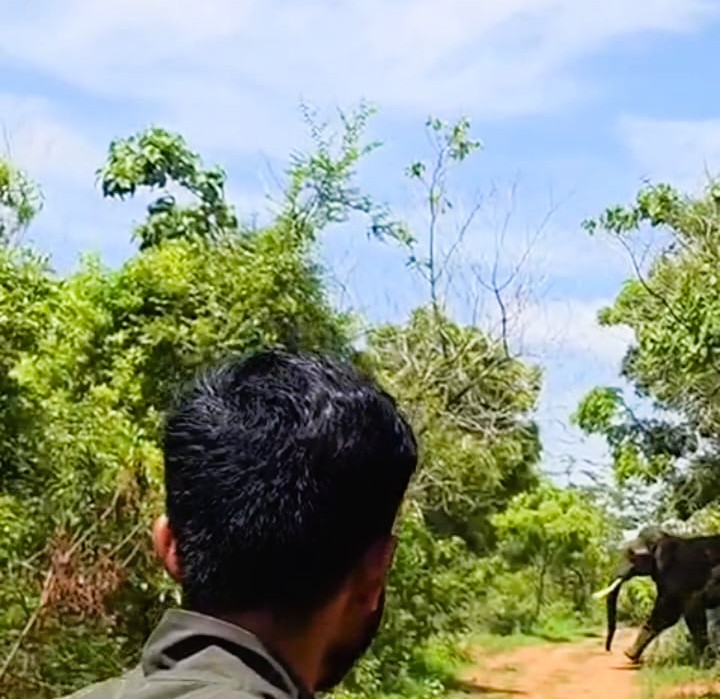
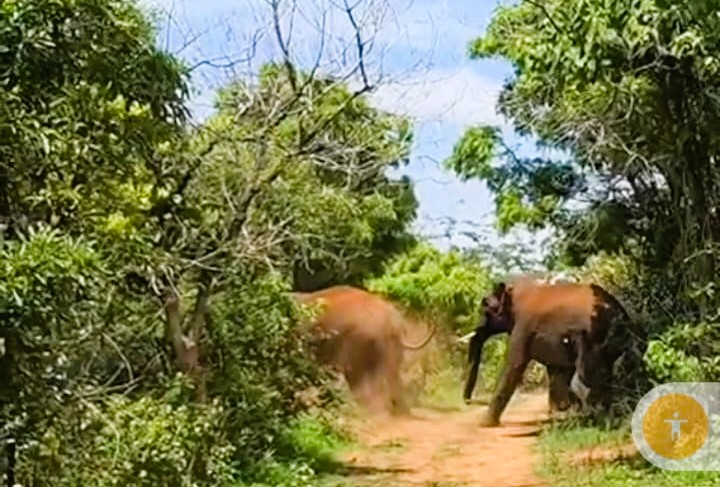
Former member Karnataka State Board for Wildlife & United Conservation Movement, Joseph Hoover adds, “In Sunday’s Channapatna Tusker Capture operation, Dr Ramesh Huliya shot a dart at moving elephants which were crossing a path. The dart flew over one of the elephant’s back. Violating SOPs, Huliya has been shooting and posting reels while on duty during capture operations at Channapatna. Despite number of controversial incidents, the blue-eyed vet of the Karnataka Forest Department, continues to be sent on capture operation missions. It raises many an eyebrow.”
Wildlife experts who reviewed the video add, “The concerned vet deputed from Nagarhole can be seen darting a moving elephant which is not only agitated but also panicking. The dart can be seen going above the body of the tusker but the vet tries again to dart the moving elephant as it flees and raises dust. The darting seems to be done very close to the moving animal and not maintaining a safe distance.”
CAPTURE OPERATIONS IN CHANNAPATANA
Speaking to Green Minute News, Ramanagara DCF Ramakrishna said, “Out of the four conflict tuskers between the age of 25-30 years, the second elephant seen in the video was identified for capture on June 27 and permission was given by the CWW. In fact, permission was given for capture of two tuskers – one was captured earlier on June 25. These tuskers were moving and sometimes, slowing down and we were targeting the second one inside the forest area.”
Darting not possible if we don’t follow the moving tuskers as in a real situation, the SOP cannot be followed to the teeth, the Ramanagara DCF added. “All the vets too are bound by SOP. He was at a safe distance with a moving vehicle on his side. The identified tusker was tranquillized on the same day with a single dart. Veterinary doctor Ramesh Huliya was deputed from Nagarhole Tiger Reserve and the concerned DCF of Nagarhole should take action for making a short reel with music on the darting operations and report it to the PCCF (Wildlife).”
WHAT IS THE SOP?
According to wildlife veterinarians, darting a free-ranging, moving elephant in India requires strict adherence to the Recommended Operating Procedures (ROP) for the Capture and Translocation of Elephants, formulated by Project Elephant and the Wildlife Institute of India. As wild elephants are highly dangerous when chemically immobilized while on the move, operations must follow a highly orchestrated phase-by-phase protocol.
As per the Elephant Capture & Translocation Guidelines, the identified animal should be approached without exciting it.
THE IDEAL STATE FOR DARTING IS:
- Elephant is either stationary or slowly walking
- Usage of specialized dart guns
- Safe, effective delivery of tranquillisers
- Aim for thick muscle areas – thigh, shoulder or rump
- Maintain a safe distance of 30-40 meters.
- Elephant should not be moving in a herd
- Avoid hitting vital body parts
- Deploy skilled marksmen to avoid missing the target
- Should be done in a safe environment.
HIGH RISK INTERVENTION
On their part wildlife experts opine darting a moving elephant is a high-risk intervention and operation and this should be avoided at all costs. When darting a moving elephant, the dart may bounce off and may even go over the moving animal as it has happened in Channapatna.
INSUFFICIENT TRAINING IN DARTING
Unsafe field darting is often the result of insufficient training in ballistics, pharmacology, herd behaviour, and emergency response. Darting moving animals can provoke running, stampedes, separation of cow-calf bonds, or aggressive charges toward people or vehicles, increasing mortality or injury risk, says a senior vet from Delhi.
The video of a dart passing over an elephant should serve as a trigger for accountability:
- Stricter SOPs,
- Better training, and
- Stronger institutional support.
Whenever and wherever emergency immobilization is truly required or necessary, it must be conducted only by trained teams under regulated conditions that prioritize predictable pharmacology, robust monitoring, and minimized disturbance to the herd.Darting an elephant herd while animals are moving is not merely a technical error – it is a foreseeable and preventable threat to animal welfare and human safety.