
Meera Bhardwaj:
The recent incidents of death of captured tiger cubs in Karnataka has shocked many wildlife think tanks, former forest officials and wildlife experts. Between October-November-December 12th, a few prime tigers and tigresses and 13 tiger cubs have been captured in Karnataka to deal with a very challenging spillover population and the resulting conflict situation especially in Chamarajanagar, Mysuru & Kodagu districts of Karnataka.
Unfortunately, seven tiger cubs died in captivity for various reasons. The captured tiger cubs had to bear the brunt of prolonged separation from their mother, followed by isolation, captivity and development of health complications. Now is it possible for the Karnataka Forest Department to take care of very young tiger cubs that are less than six months in a rescue centre is the million-dollar question?
NOV-DEC CAPTURES & 4 TIGER CUB DEATHS
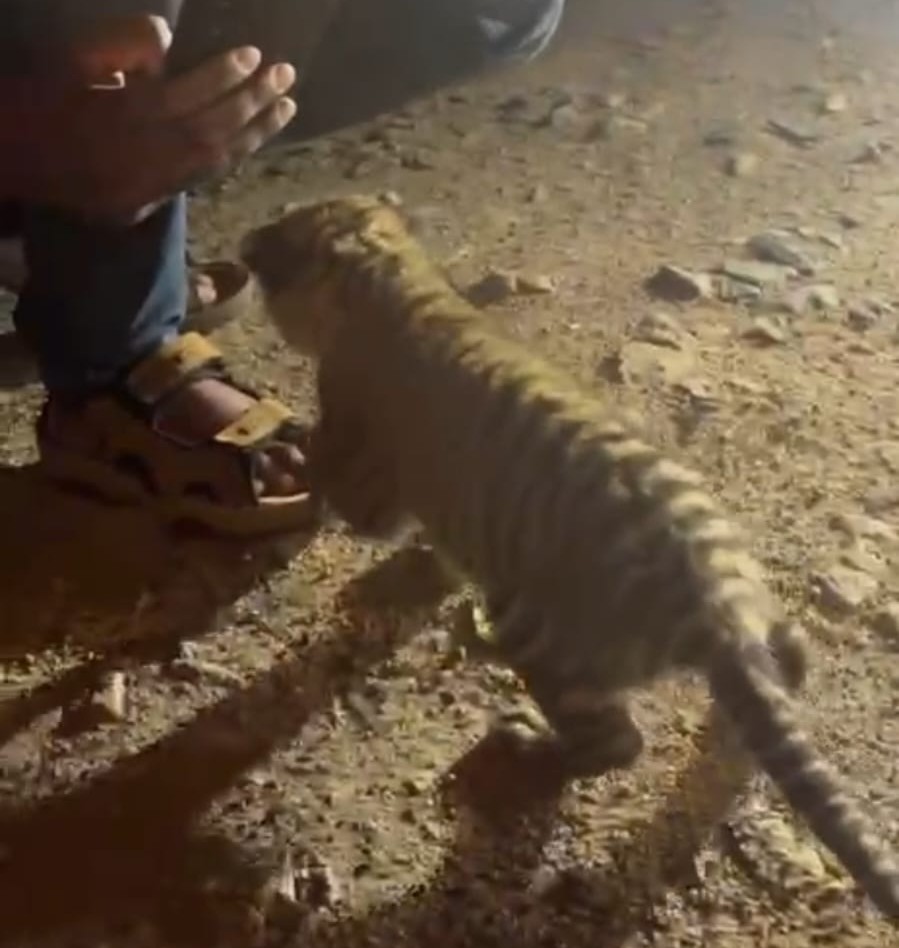
Four tiger cubs that were captured on November 30 at Gowdankatte village in Hunsur taluk, near Nagarhole – died at the Chamundi Wildlife Rescue and Rehabilitation Centre, Koorgalli, Mysuru due to a suspected viral infection and various other complications on December 1, 5, 7 and 9th respectively.
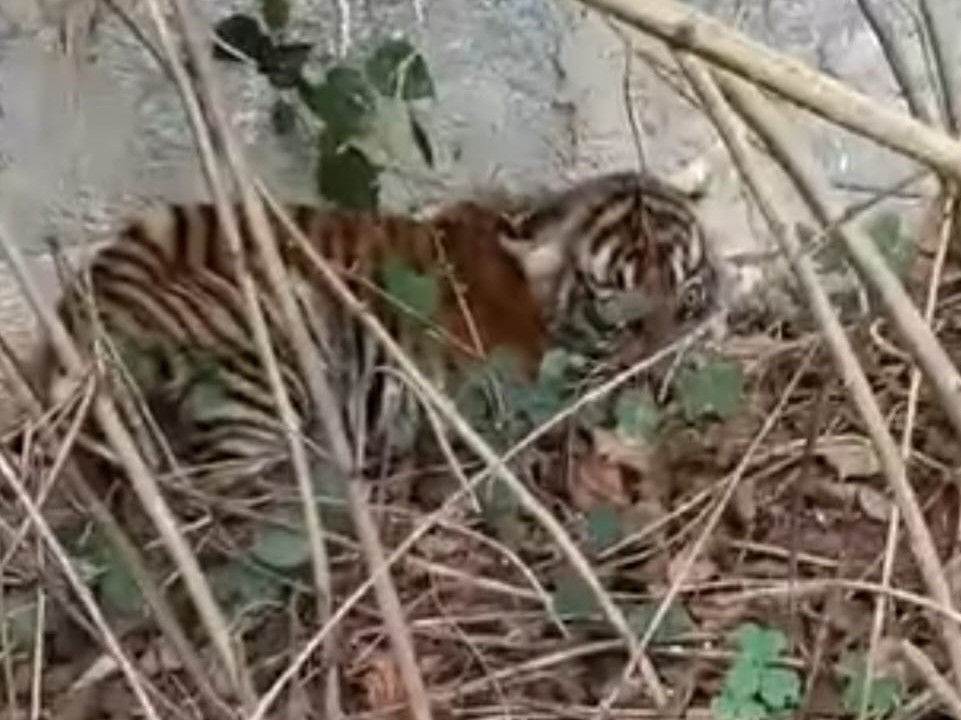
However, one glaring fact cannot be ignored, all the tiger cubs were just four-months-old and had been separated from their mother for three days as it was darted and captured on November 27 and shifted to Koorgalli rescue centre, Mysuru.
The impact of this capture was huge – resulting in death of four tiger cubs due to starvation, loss of feeding by mother, its warmth and finally, loss of complete immunity.
OCTOBER CAPTURES & 3 TIGER CUBS DEATHS
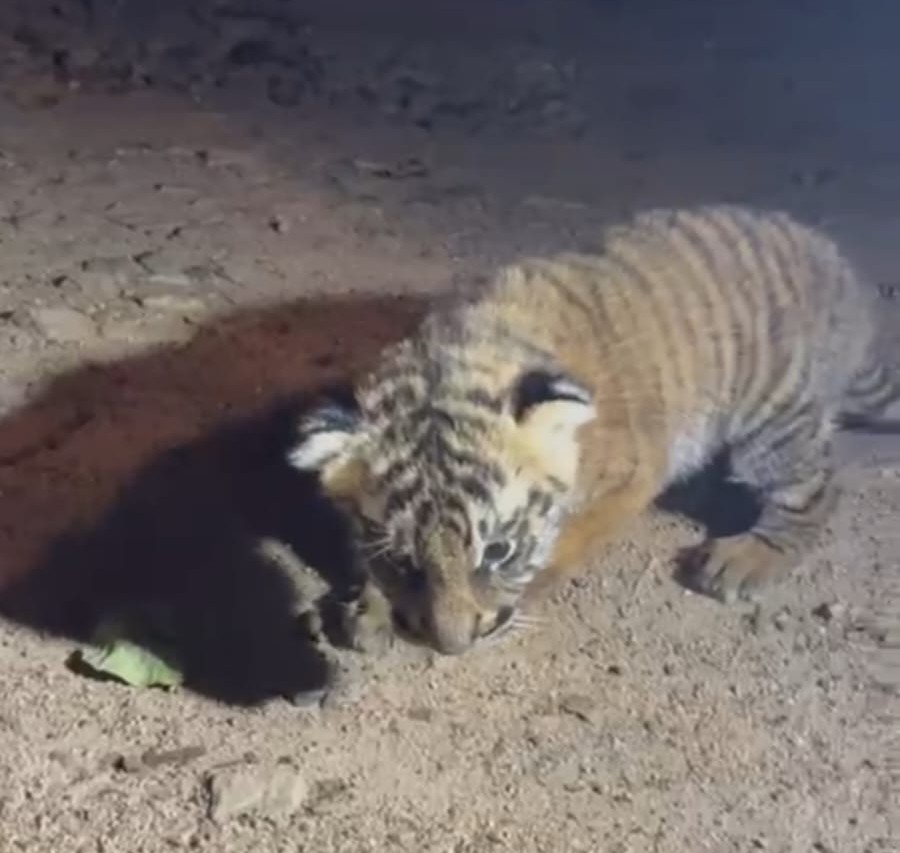
In mid-October, three tiger cubs which had strayed from the BRT Tiger Reserve was found by an estate manager who had kept them for 3-4 days. But an official statement claims, the 3 starved cubs were found by patrolling staff in Punajur Range of BRT. They rescued the tiger cubs (abandoned by their mother) and shifted them to the Koorgalli rescue centre as the mother could not be traced.
Out of the three cubs, two died in Koorgalli and one cub which was later shifted to Bannerghatta Rescue & Rehabilitation Centre, Bengaluru also died due to severe infection. This incident clearly shows the various challenges involved in rehabilitation of cubs and whether they can survive in an artificial setting that lacks both expertise and facilities.

BANDIPUR-NAGARHOLE FACING MORE CONFLICTS
Apart from this, October and November months saw an escalation of human conflict with tigers with wild cats straying into villages from both Bandipur and Nagarhole tiger reserves due to shrinking tiger habitat vis-à-vis their rising population and availability of easy prey in the villages surrounding the PA.
With public outcry in the affected villages, six cubs were captured in the Sargur and Nanjangud taluks of Mysuru district within a month. This included a tigress and her three cubs rescued near Gundlupet around November 10, and two male cubs rescued on October 27.
IS KARNATAKA FOLLOWING NTCA’S SOP?
In the wake of rising tiger capture/rescue incidents in Karnataka, wildlife experts say, “Capturing healthy tigers and their cubs for lifelong confinement in rescue & rehabilitation centres or zoo-like facilities is completely against Wildlife Protection Act, 1972 and the Standard Operating Procedures (SOP) of the National Tiger Conservation Authority (NTCA).”
India’s premier tiger authority, the NTCA, in fact, emphasises in‑situ management and re‑wilding with release of tigers and their cubs back into the wild wherever feasible.
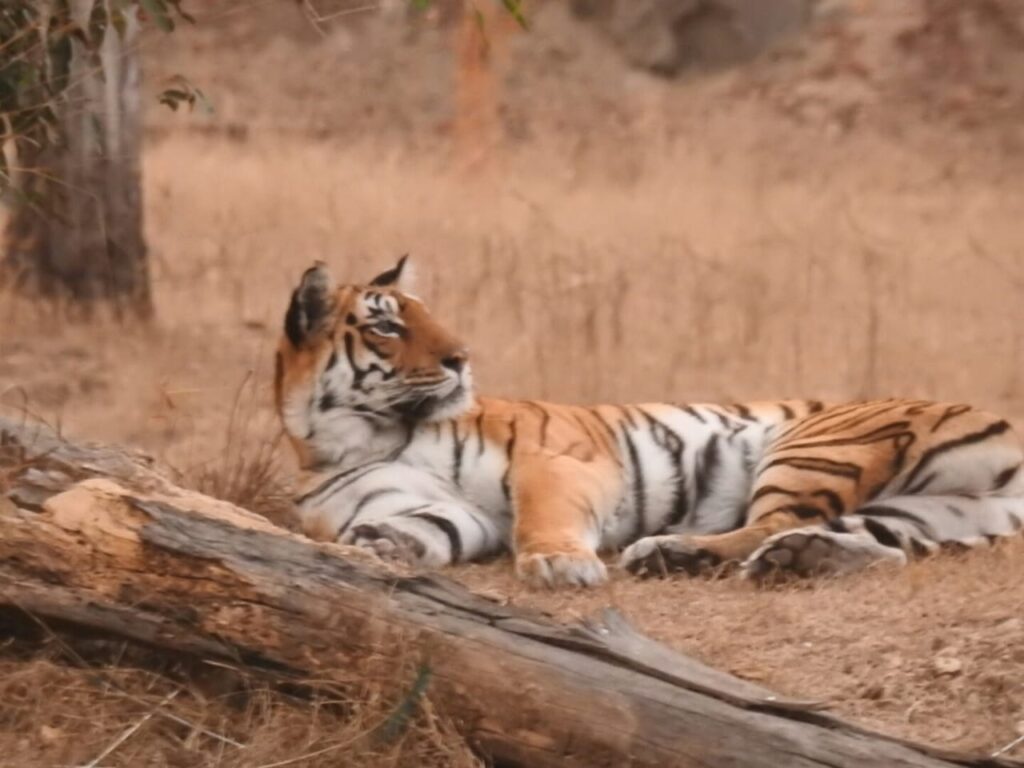
“In the recent past, these captures have often been a knee jerk reaction and a response to public and political pressure and institutional convenience rather than conservation necessity. Such measures often risk turning tigers, India’s flagship species, into display animals instead of being free‑ranging apex predators” experts say.
As per 2022 All India tiger estimation, after Madhya Pradesh, Karnataka has the second highest population of 563 tigers across tiger reserves, Protected Areas and territorial areas. However, with a significant population in Bandipur and Nagarhole Tiger Reserves, the acute conflict in the last few months has raised a big question mark on the survival of these apex predators in this tiger landscape.

Now what is NTCA’s SOP mandate on orphaned and abandoned tiger cubs as also old and injured tigers?
In October and November 2025, at least 11 tiger cubs were captured in Karnataka, primarily in the Mysuru and Chamarajanagar districts, as part of operations to manage human-wildlife conflicts on the fringes of Bandipur and Nagarhole and also BRT tiger reserves.
The NTCA’s SOP clearly states that the first option is to rear cubs within in‑situ enclosures for “wilding or re‑wilding” purposes. It also mandates subsequent release and not to shift them to ex‑situ rescue & rehabilitation centres or zoos.
On Tiger Captures, the NTCA prescribes:
- Detailed protocols for Minimal human contact
- Naturalistic Enclosures with availability of Wild prey
- Radio‑collared release, once Cubs show independent hunting and avoidance behaviour
- This underlines that “captivity is a last resort” for captured tigers or cubs
- The rescue centre is only for incapacitated tigers or otherwise for animals not releasable
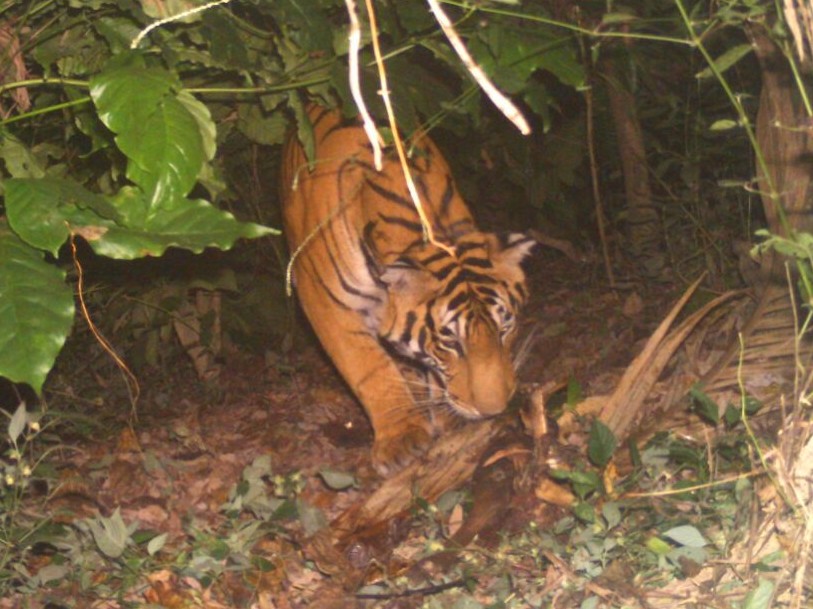
What is the SOP for Straying Tigers?
NTCA’s SOP for straying tigers in human‑dominated landscapes prioritises:
- Driving or assisting the animals back to suitable forest habitat
- Capturing and releasing it in low‑density, secure forest after proper assessment and
- Transfer to zoos only in cases of tiger injury, incapacitation or deemed unfit for release
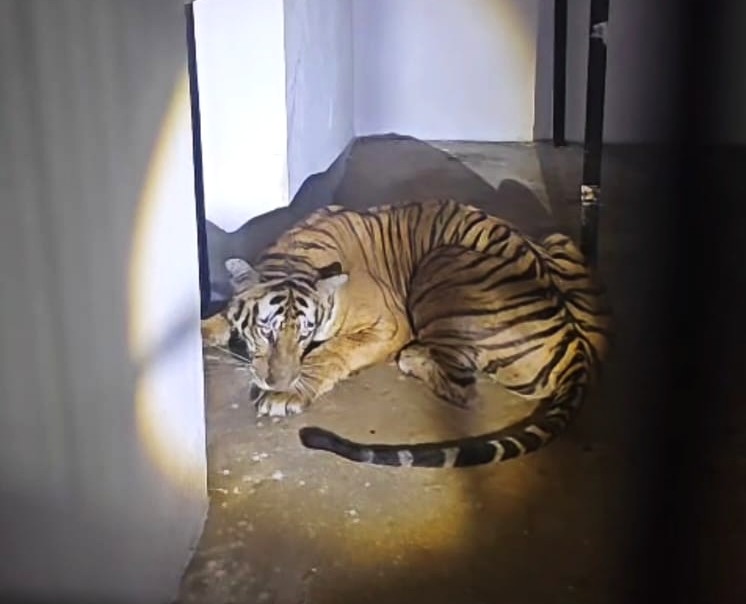
All the above decisions are vested in the hands of Chief Wildlife Warden. But such decisions have to be within the NTCA framework that stresses conservation of free‑ranging tiger populations and not over housing individual tigers in captivity as happening in Koorgalli centre.
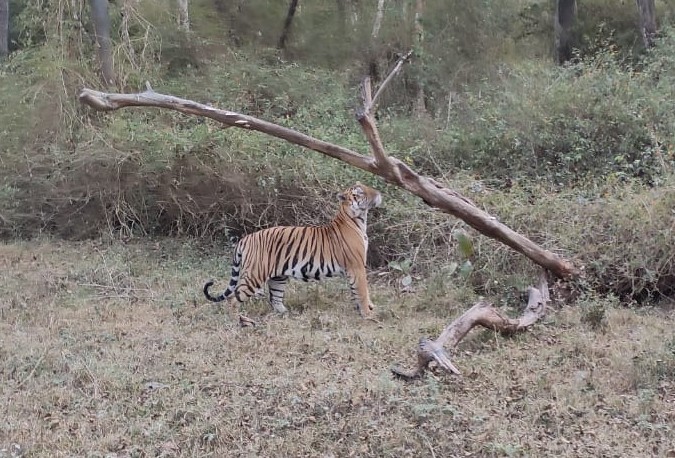
Why Routine Tiger Capture in Karnataka is Unscientific?
From a population and behavioural ecology viewpoint, removing healthy, breeding adult tigers or releasable tiger cubs from the wild undermines natural demographic processes and territorial dynamics, especially in source populations where NTCA’s “active management” SOP seeks to maintain a landscape‑level connectivity.
Scientific evidence from India and elsewhere shows that captive‑reared big cats have poor survival, distorted hunting and conflict‑prone behaviour after release, offering little or no conservation gains compared to simply protecting existing wildlife and their habitat.
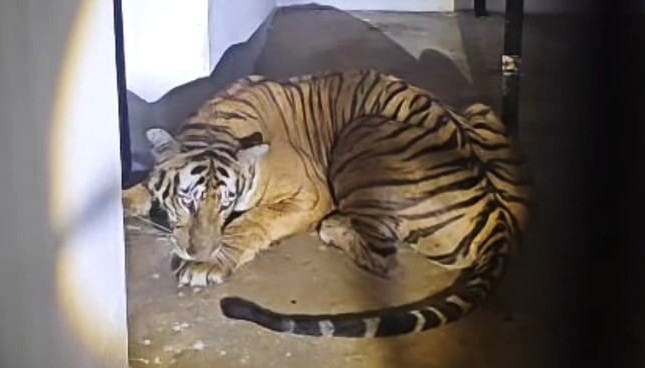
Impact of Caging Tiger Cubs
Behaviourally, tiger cubs raised in close proximity to humans or in small, barren cages results in cubs losing fear of people. Further, they fail to learn complex hunting and territory skills.
Such tiger cubs often become conflict animals if released anytime. This is precisely why NTCA insists on large, natural in‑situ enclosures and minimal human imprinting during the wilding phase.
Plight of Tigers in Rescue Centres
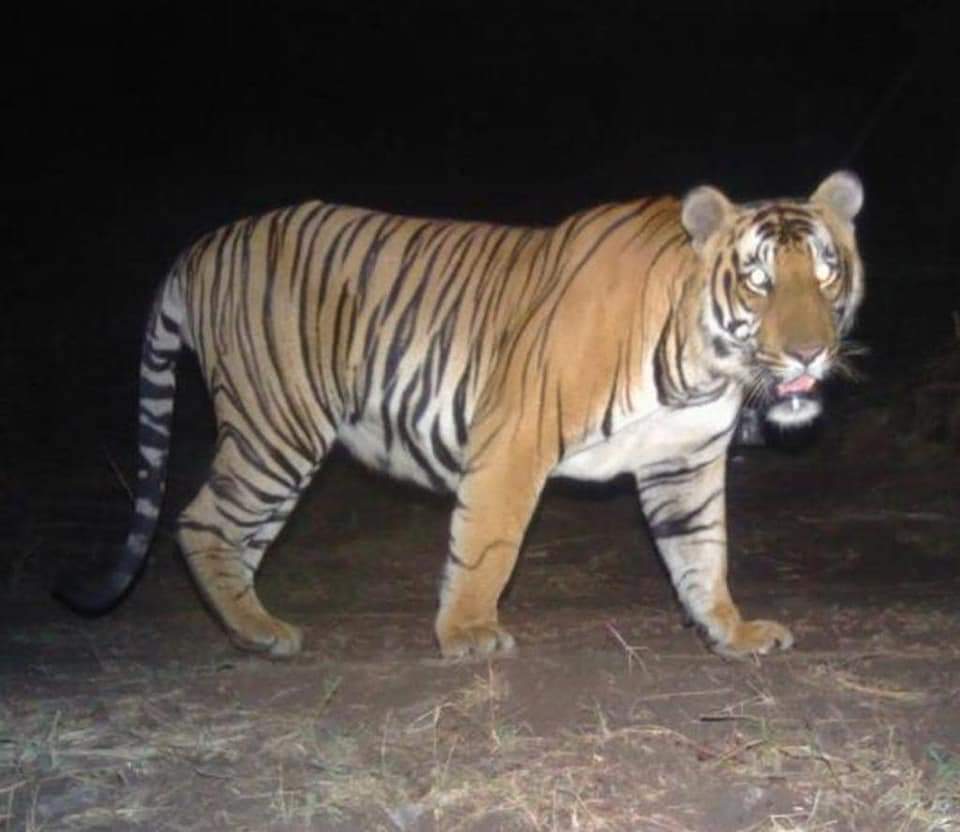
Capturing conflict tigers and keeping them in rescue and rehabilitation centres has become the order of the day. In fact, such centres are interspersed with high human presence and artificial feeding of tigers. This directly contradicts NTCA’s science‑based trajectory towards independent, wild behaviour. Welfare and ethical costs of tiger “rescue” and its captivity is another matter.
Wildlife biologists say, “Long‑term captivity of wide‑ranging apex predators like tigers and leopards in small or sub‑optimal enclosures is associated with stereotypic pacing, stress‑related disease, infections, and shortened lifespan, raising serious welfare and ethical concerns when the animal was originally healthy and free‑ranging.”
Why are Rescue Centres not Conservation Tools?
NTCA’s wide-ranging guidelines for tiger safari/tiger display restrict the use of tigers to individual tigers unfit for re‑wilding. The tiger authority implicitly recognizes that such facilities are not conservation tools but holding options and should be used as a “last resort” for big wild cats that cannot survive in the wild.
Publicly branding every captured tiger and cub as “rescued” obscures this welfare cost and dilutes the hard legal obligation under the Wildlife (Protection) Act and NTCA directions. Therefore, it is the duty of the wildlife authorities to secure “wild populations in situ” rather than converting them into living exhibits or tourism assets.
Tiger Captivity is Not the Solution
The risks of tiger captivity normalise a “perverse cycle” where conflict or injury (sometimes triggered by poor landscape management), becomes a justification for permanent captivity.
So, tiger captivity is not the solution, efforts should be on habitat restoration, conflict‑mitigation and scientific re‑wilding in affected tiger habitats, opine tiger experts.

Conflict, Politics and Institutional Shortcuts
In many high‑profile cases of tiger conflict or injury, the following aspects has impacted the survival of tigers in their habitat.
They are the following:
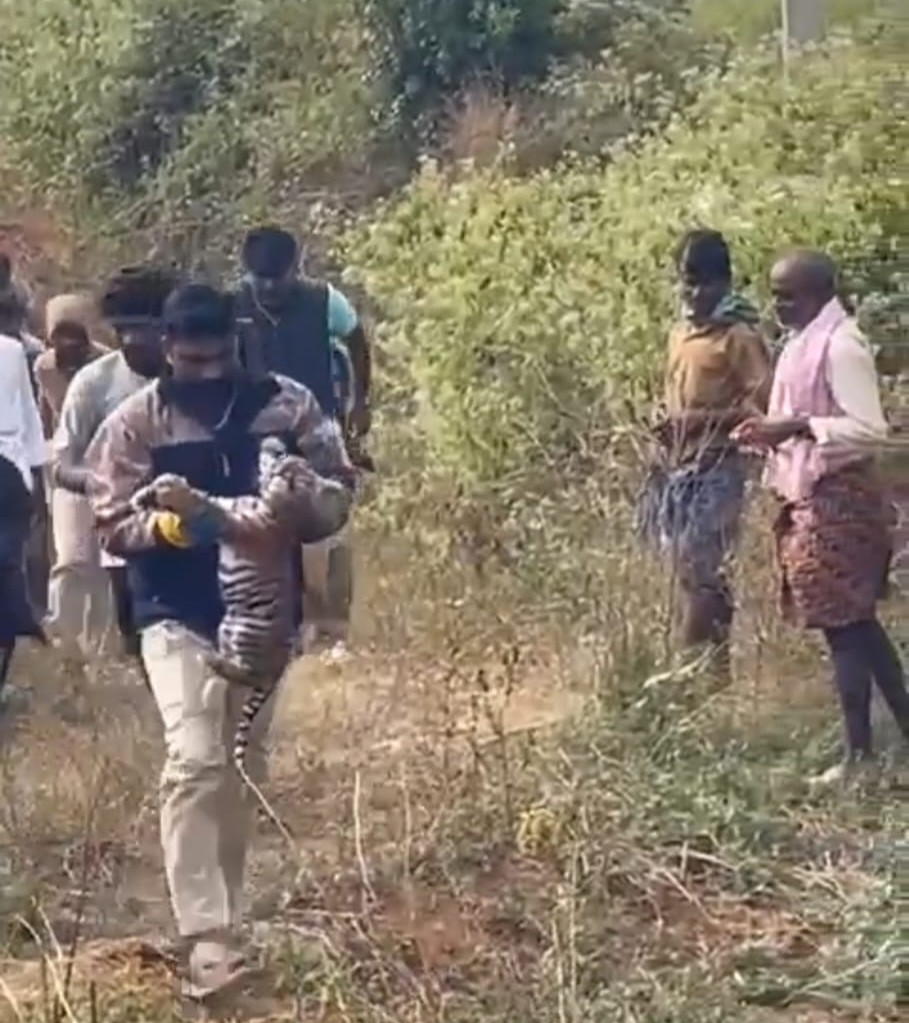
- Local political pressure, interference
- Media hype & hysteria
- Labelling of conflict tigers as maneaters,
- Demand for immediate capture,
- Pushing for removal of tigers from conflict zones
Need to Follow NTCA’s SOP
Rather than this, the concerned State Forest Departments be it Karnataka or Maharashtra, they should concentrate on the slower, more technical option of tiger monitoring, conflict‑proofing and, wherever appropriate and possible, in‑situ wilding and release in the wild should be followed.
The NTCA’s carefully crafted Standard Operating Procedures was designed precisely to prevent the populist solution of “remove the tiger” from the conflict area. However, decision‑making by wildlife managers should be anchored in science‑based assessments of tiger behaviour and health and also its habitat.
Lifelong Sentence for Tigers
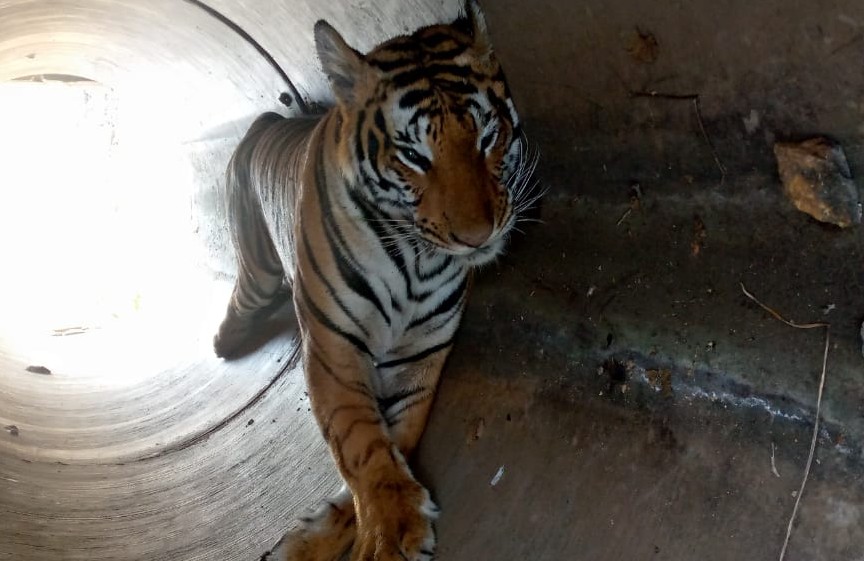
Once tigers or cubs enter rescue & rehabilitation centres, bureaucratic and logistical inertia makes return to the wild extremely unlikely in the wake of people baying for its extermination. Such a measure effectively converts a supposedly “temporary rescue” into a “lifelong sentence” that NTCA never intended for healthy or potentially releasable tigers.
Indian scientific and policies on tiger conservation is very clear: capture and confinement must be an exception reserved for genuinely unreleasable individuals. While the default should be legal, ethical and ecological and must be towards re‑wilding and release in accordance with the SOP of the NTCA.
Even though, we may celebrate increasing tiger numbers in Karnataka having the second highest tiger population in the country, but commensurate with this, the habitat has not increased. In fact, villages and tourism infrastructure have intruded into their spaces and corridors, resulting in conflicts and finally, their capture and captivity, for no fault of theirs.