
GREEN MINUTE NEWS:
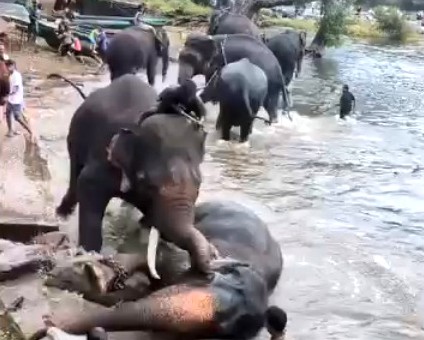
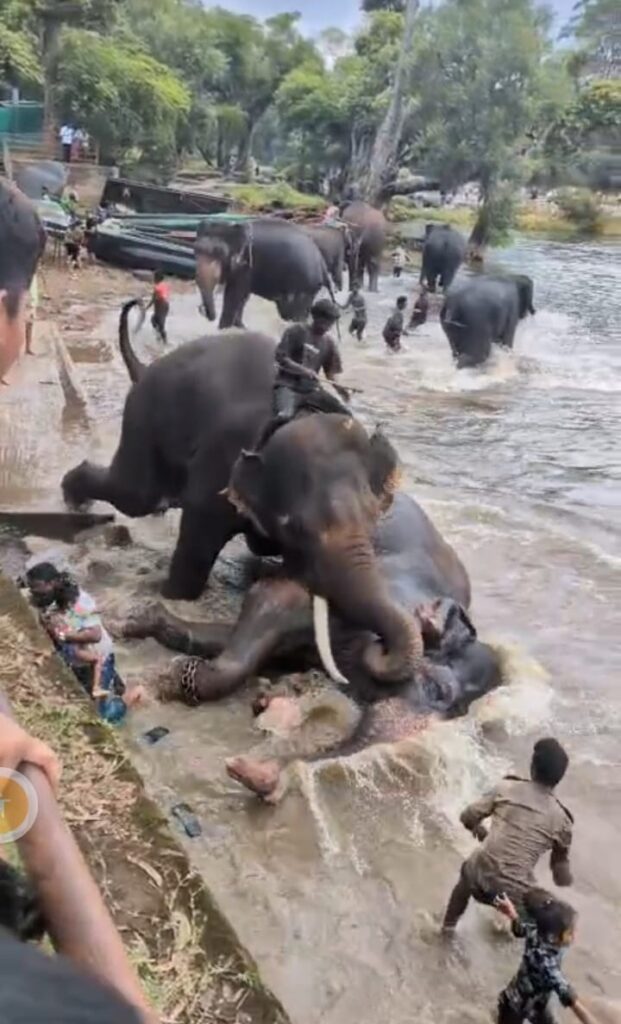
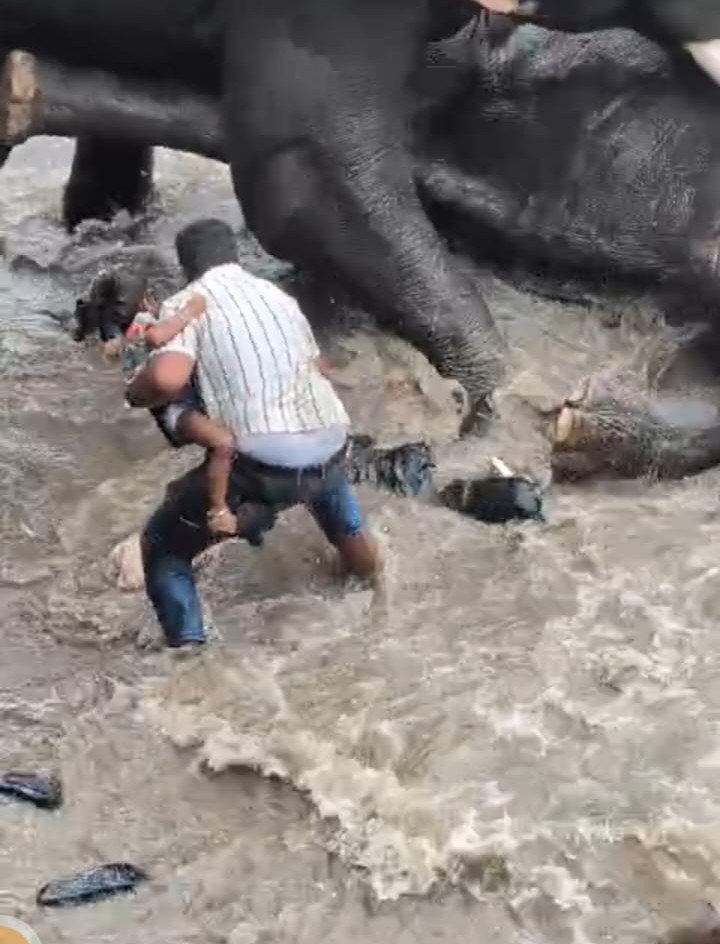
A tourist from Chennai died at Dubare Elephant Camp, Kodagu district, Karnataka on Monday when she was caught in a fight between two camp elephants. Tulsi, the 33-year-old Chennai tourist was accidentally crushed under one of these elephants that fell during a fight between two jumbos at the Dubare Elephant Camp in Kodagu district of Karnataka.
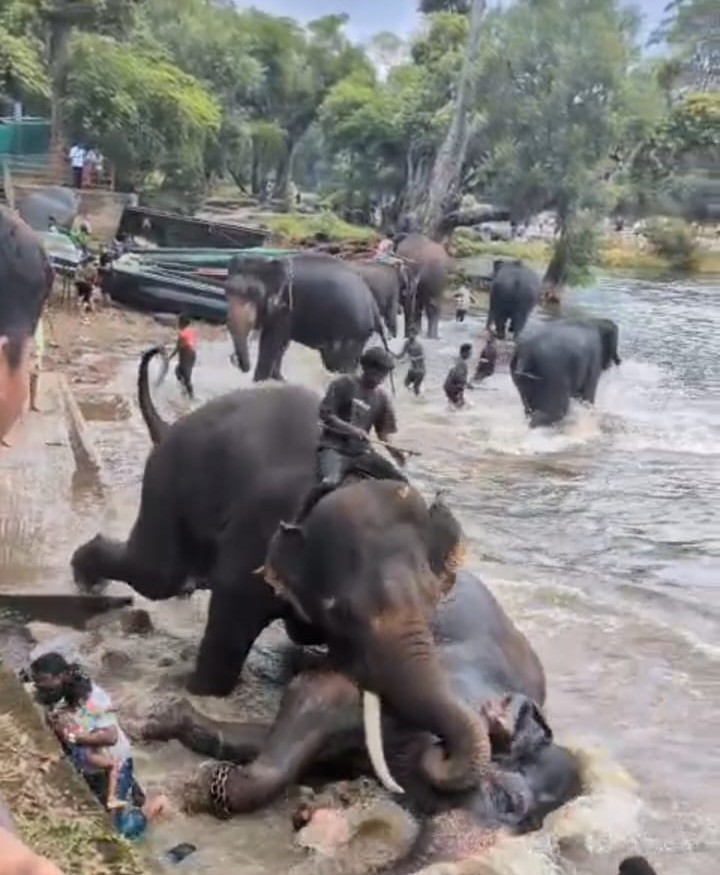
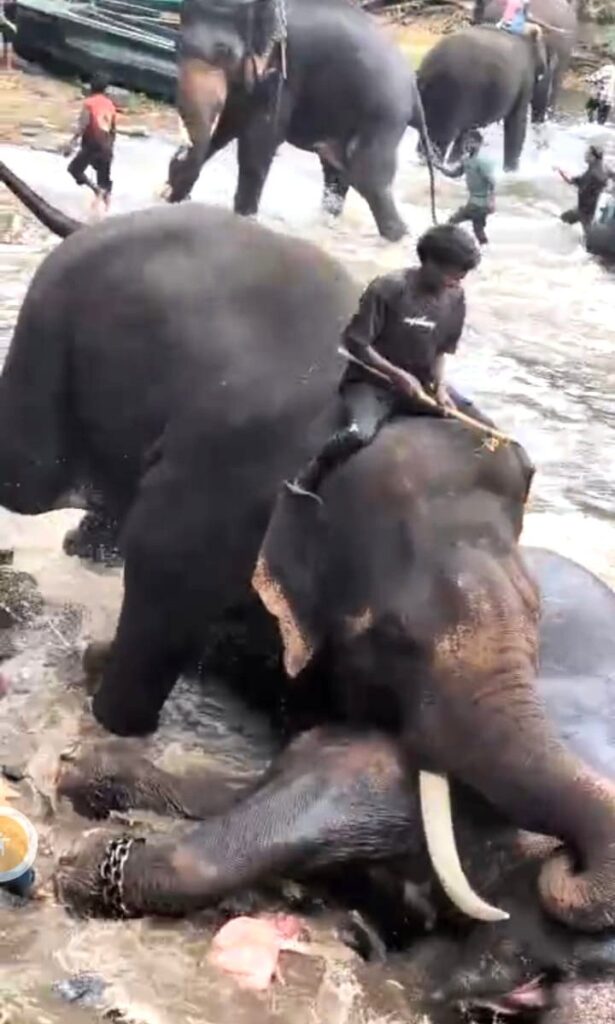
The incident happened when this tourist with her family was standing near the river while the elephants were being bathed at the Dubare Elephant Camp. The tame elephants Kanchan and Martanda got into a fight while they were bathing in the Cauvery River.
Now why should tourists be allowed to watch or participate in the bathing or feeding activities of camp elephants is a big question? There have been repeated incidents of captive elephants killing their mahouts or helpers in India and it is not surprising such an incident has happened when people are allowed so near to the camp elephants.
KANCHAN-MARTANDA FIGHT
According to forest officials, despite being controlled by the mahouts, elephant Kanchan, who had come forward, punched elephant Martanda. With the result, elephant Martanda missed and fell down and the Chennai tourist got trapped under the elephant and died. Further, one elephant was severely injured after being gored in the lower abdomen by the tusk of another elephant.
This was an incident that no one could have predicted. However, a thorough investigation has been ordered into this incident and also instructed to take measures to prevent such incidents from happening again.
Wildlife activists from Karnataka said this is a shocking incident. They add, “It is indeed a tragedy but why are people allowed so near to the elephants – bathing in the Cauvery River. Is it a spectacle to be watched? If so, it should be watched from a distance and not so near them. Even if they are camp elephants – they are after all wild and their instinct to fight with their companions or other jumbos is not lost. It is very difficult to predict the behaviour of captive elephants as many of them maybe, frustrated leading a unhappy life in captivity.”
MAINTAIN SAFE DISTANCE FROM WILDLIFE, SAYS FOREST MINISTER
Condoling the death of the woman, Forest, Ecology and Environment Minister Eshwar Khandre said, “There is a need to maintain a certain distance from wildlife. No matter how tamed wild animals, including elephants, are, it is difficult to understand the nature of the animals. Further, it is also difficult to predict when and how they will behave or react.”
The Forest Minister further said, “I have suggested that steps be taken to restrict touching the trunks of elephants, standing next to them and taking photos, allowing tourists to wash their bodies, feeding them food such as jaggery, bananas, etc, and also ensure that tourists maintain a certain distance from wild animals.”
ADOPT SOP TEMPORARILY
In view of eco-tourism activities in elephant camps, for the safety of tourists/mahouts, it has already been suggested to temporarily adopt Standard Operating Procedure (SOP) for camp activities until a SOP is officially issued, the Forest Minister stated in a note to Karnataka Chief Wildlife Warden and PCCF Kumar Pushkar.
Similarly, for the safety of tourists visiting elephant camps, it is suggested to formulate a SOP immediately. Further, at any elephant camp, tourists should be prohibited from going within at least 100 feet of an elephant, standing and watching the elephant bathe, and from approaching elephants for any reason to take selfies, photographs, or to touch them. It is also suggested to issue orders to implement immediately that tourists should not feed elephants with their own hands.
TOURIST IMPACT ON CAMP ELEPHANTS
Captive elephants generally fail to find happiness or true well-being, as captivity fundamentally restricts their natural roaming instincts, their unique social, and foraging behaviours.
Elephants are highly intelligent animals and possess complex emotional needs which most elephant camps or conventional zoo fail to provide. There is neither the space nor the social structures in elephant camps which is required for them to thrive as they do in a natural environment.
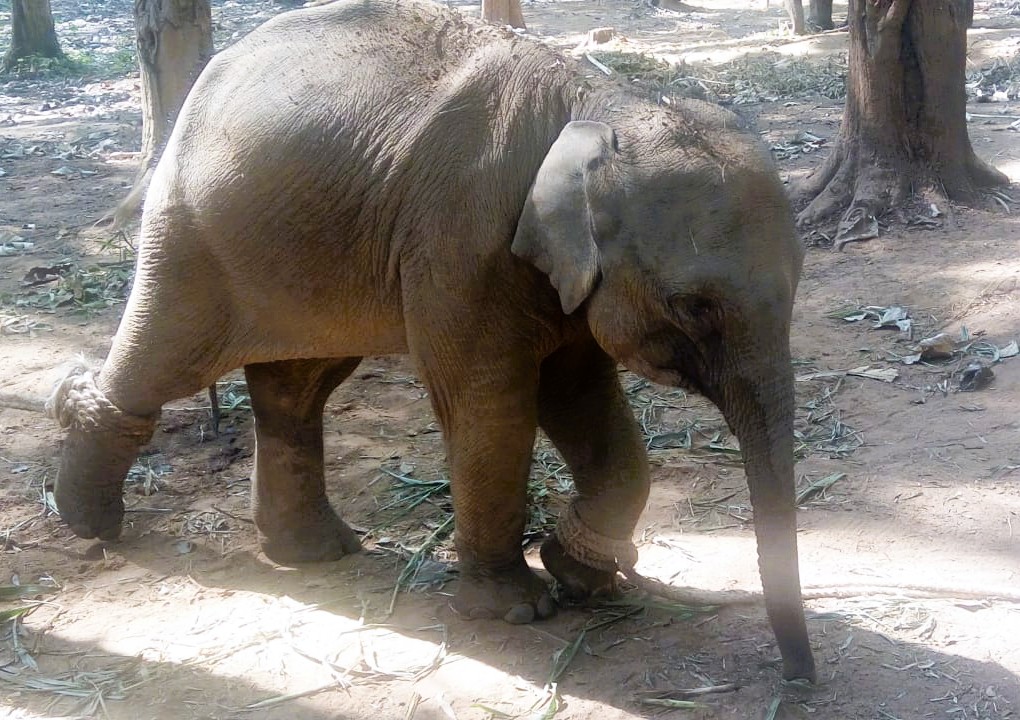
Even in the best forest camps based near rivers in Karnataka, their movement is heavily restricted, they are sometimes chained depending on their behaviour, and their social structures are very artificial compared to what they are used to in the wild. In fact, nature cannot be replicated for these elephants to thrive in captivity.
Activities that allow close public interaction, such as intense bathing sessions, riding tourists, or feeding, and touching them can be highly stressful for the animals. When jumbos are forced to carry people on their backs and also allowed to be touched or fed, they may not be in a mood to entertain humans. In fact, this can deviate from their natural, undisturbed routines and result in such accidents.