
Green Minute News:
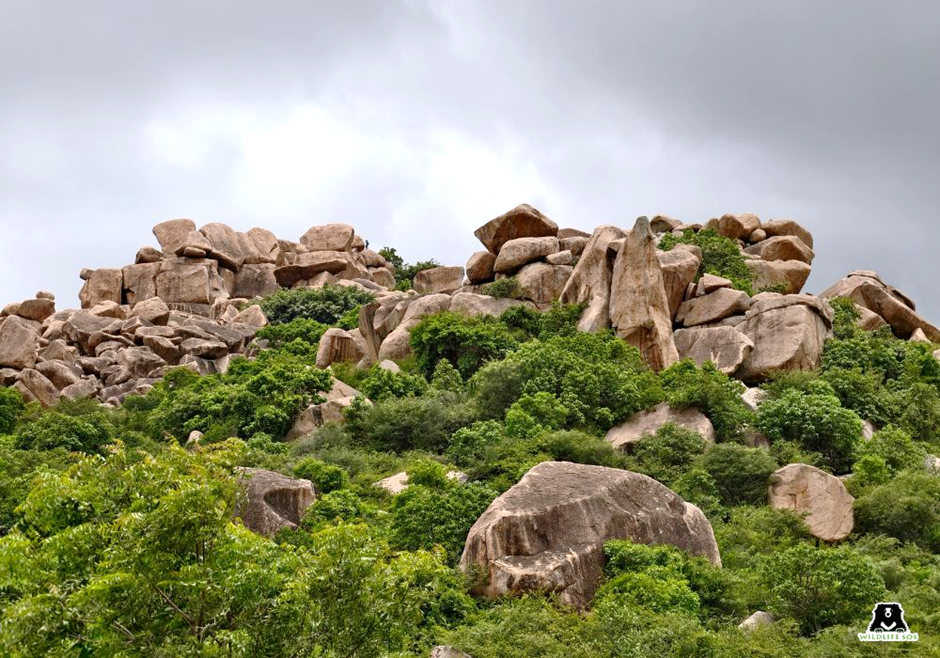
A 40-acre-degraded scrub forest ecosystem has been restored at Ramdurga Valley, Gangavati taluk in Koppal district of Karnataka. Once a barren landscape, today it supports sloth bears, leopards, pangolins, wolves, and many bird species. Further, streams and water sources in the region have also revived.
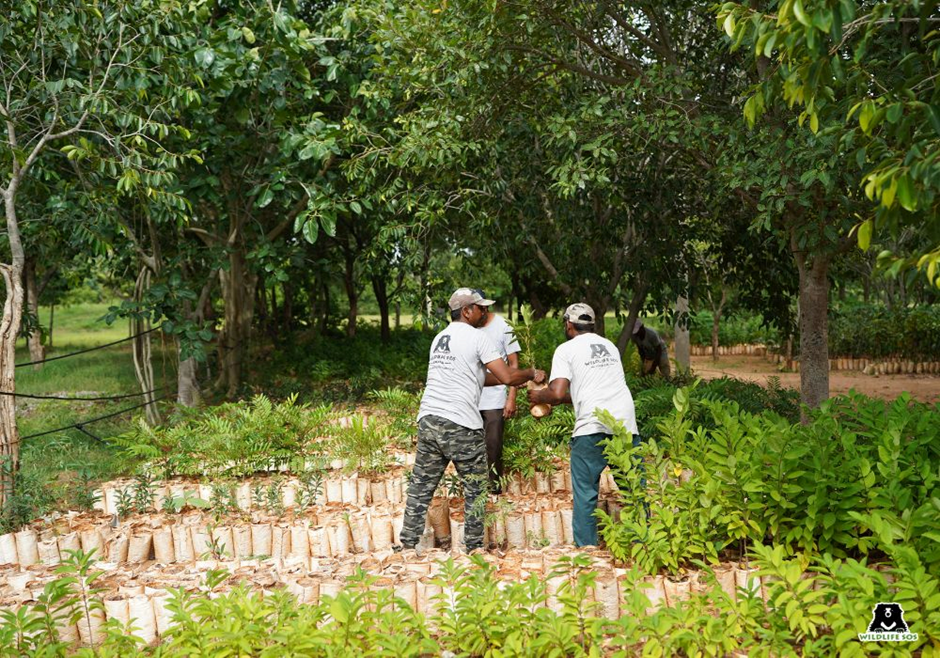
This was a heavily degraded land as it had been devastated by illegal quarrying, deforestation and forest fires, but now a wildlife organization has restored this habitat by involving local communities in their protection efforts. Over 10,000 native saplings were planted in a joint effort with the local communities living in this valley.
Wildlife SOS has demonstrated that local conservation efforts can in fact, reverse ecological decline. They further demonstrated how local conservation endeavours can reverse biodiversity loss. The organisation has called upon citizens, policymakers and communities to urgently scale up conservation action before the country’s irreplaceable biodiversity is permanently lost.
Geeta Seshamani, Secretary, Wildlife SOS stated, “India’s biodiversity loss is not inevitable, it is a choice. And so is its reversal. When local communities become guardians of their land and when a forest guard in Ramdurga prevents a fire, when a villager calls our helpline to report a distressed animal, these are acts of conservation in their most powerful form.”
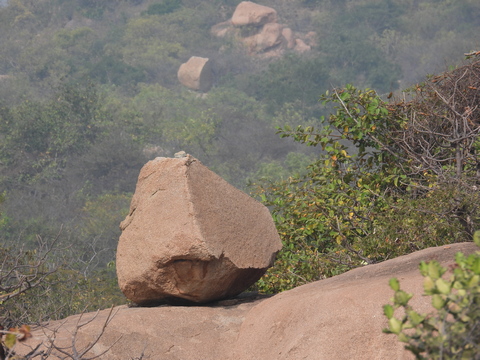
Just like Hampi in Vijayanagar district, Koppal district too boasts of a diverse and unique wildlife ecosystem characterized by its rocky terrain, scrub forests, and grasslands. This area is an ideal habitat for a variety of species ranging from apex predators to a range of herbivores and birds. If one can find leopards in the rocky hills, the innumerable caves are providing shelter to sloth bears.
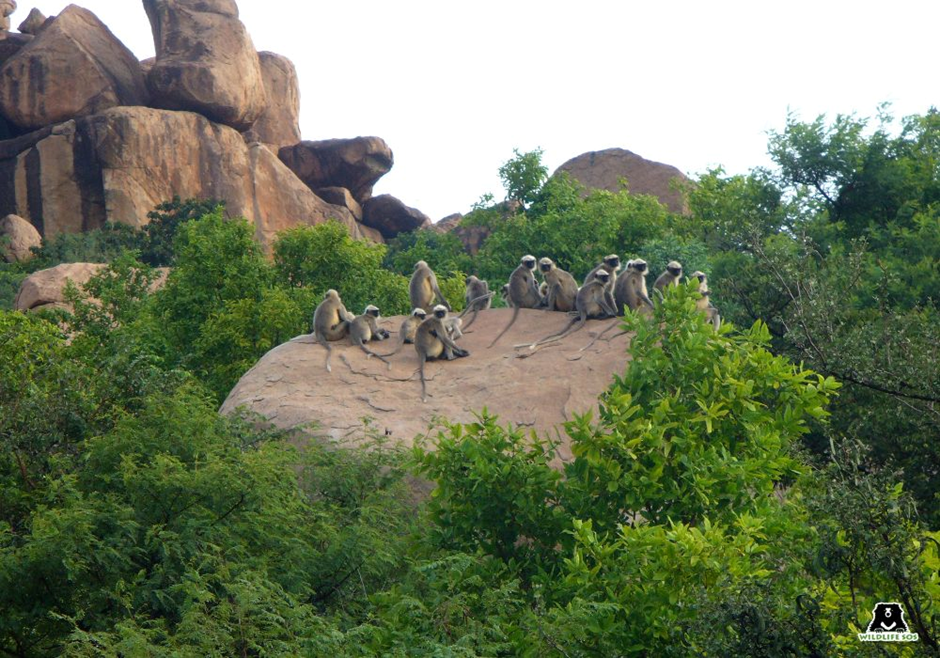
Other species like the Indian Gray Wolf, striped hyena, golden jackal, fox, blackbucks, chinkara and the rare rusty spotted cat have made their home in this diverse wilderness of the Deccan Plateau. Apart from this, the habitat attracts a whole range of bird species like yellow-throated bulbuls, Indian Eagle Owls, plum headed parakeets, etc while the Tungabhadra ecosystem is home to the smooth coated otters.
Dr Arun Sha, Director of Veterinary Services added, “The Ramdurga valley showed us that when we restore the land, wildlife returns. But wild space is shrinking fast. This is why investing in community-based conservation programmes that create local stewardship of biodiversity is so critical.”
Presently, India harbours nearly 8 percent of all recorded species on the planet despite covering just 2.4 percent of its landmass. This extraordinary natural wealth is disappearing rapidly under habitat destruction, human-wildlife conflict, illegal wildlife trade and climate change.
The organisation calls upon citizens, policymakers and communities to urgently scale up conservation action before more of the country’s irreplaceable biodiversity is lost.Kartick Satyanarayan, CEO adds, “Biodiversity is not an abstract concept, it is a forest coming back to life, a stream flowing again.”
Large-scale infrastructure and development projects continue to intensify pressure on fragile ecosystems, disrupt critical wildlife habitats, and threaten the delicate ecological balance across the country. According to the UN, around one million plant and animal species are threatened with extinction globally.
Unfortunately, Koppal district in Karnataka has not received the same attention from policy makers to protect its unique rocky terrain, scrub forests and grassland habitat with varied wildlife. Added to this, grasslands are being considered as wastelands and they are undergoing conversion to agricultural lands or giving way to setting up of steel plants and solar panels.