
GREEN MINUTE NEWS:
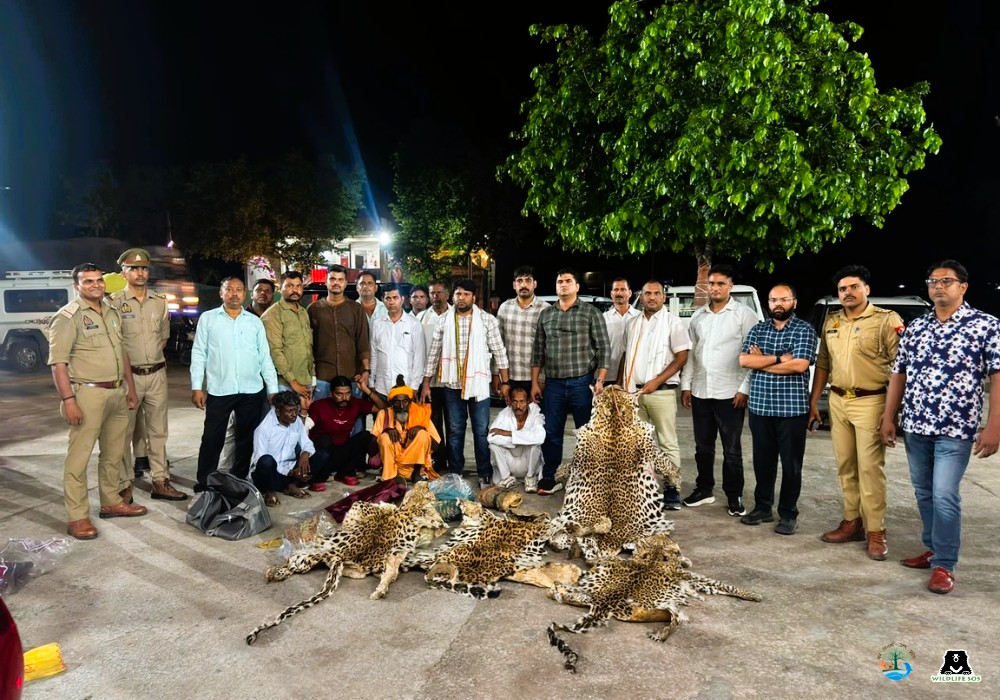
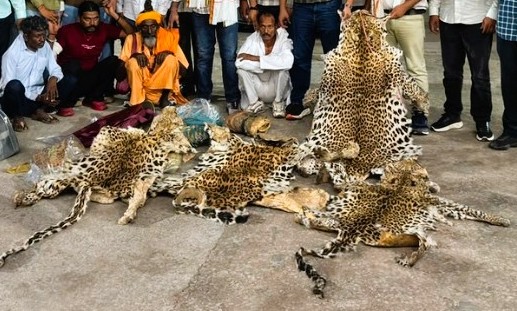
In one of India’s largest leopard skin seizures in recent years, 10 leopard skins have been seized on Agra-Gwalior Road in Uttar Pradesh (UP). A joint operation between the Uttar Pradesh Forest Department, UP Police and the Wildlife SOS group, four people were arrested on July 23 with a four-wheeler carrying a cache of 10 leopard skins.
This is a major breakthrough against organized wildlife crime in India and the Uttar Pradesh Forest Department and Police, working on intelligence support provided by Wildlife SOS, busted a well-connected poaching & smuggling gang operating in central India. The wildlife poachers were reportedly coming from Madhya Pradesh and transporting the 10 leopard skins and were heading to Delhi, Haryana and other parts of north India for illegal sale of the leopard skins.
Over several months, Forest Watch, the Wildlife SOS Anti-Poaching Unit, meticulously verified the intelligence, monitored the suspects’ movements, and confirmed that the contraband consisted of genuine leopard skins before alerting enforcement authorities in UP. According to Uttar Pradesh Forest Department, inquiry will be conducted by Mathura ACF. Investigations are presently going on to verify the origin of the leopard skins, and also identify the wildlife traffickers who are likely to be spread across various states.
Currently, the authorities are investigating the linkages of the criminals and where the leopards were killed and where the smugglers have been conducting their business in the past.
“Today is a dark day for India as 10 leopards have lost their lives for human greed! This is a stark reminder that organized wildlife crime threatens our country’s biodiversity wealth. Every successful operation against wildlife traffickers disrupts criminal networks & protects endangered wildlife,” said Kartick Satyanarayan, CEO, Wildlife SOS.
Rajesh Kumar, IFS, DFO, Agra, said, “The actionable intelligence provided by them enabled us to intercept the accused at the right time and seize wildlife contraband. The investigation is continuing, and we are committed to identifying backward and forward linkages in this illegal network and ensuring those responsible are prosecuted under the Wildlife (Protection) Act.”
“Every leopard removed from the wild is a loss to our delicate and fragile ecosystem and threatens long-term survival of the species. Recovering ten leopard skins indicates the scale at which organized poaching networks operate. This operation demonstrates the value of collaboration between NGOS and enforcement agencies to tackle this menace of poaching and illegal wildlife trafficking, adds Geeta Seshamani, Secretary, Wildlife SOS. “
Wildlife trafficking syndicates have become sophisticated, well organised and are often operating across state borders. The busting of this inter-state wildlife smuggling network clearly indicates how reliable intelligence, sharing of information, coordination between various state enforcement agencies and wildlife groups are necessary so as to end the menace of wildlife hunting and poaching in states with sizable population of big cats and elephants.
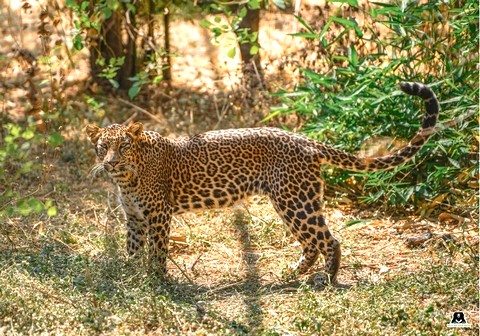
The Indian leopard (Panthera pardus fusca) is protected under Schedule I of the Wildlife (Protection) Act, 1972, receiving the highest level of legal protection in India. Despite this, illegal hunting for skins and body parts continues to pose a serious threat to wild leopard populations, driven by organized criminal networks and illegal wildlife markets.