
Manjunath Nayak:
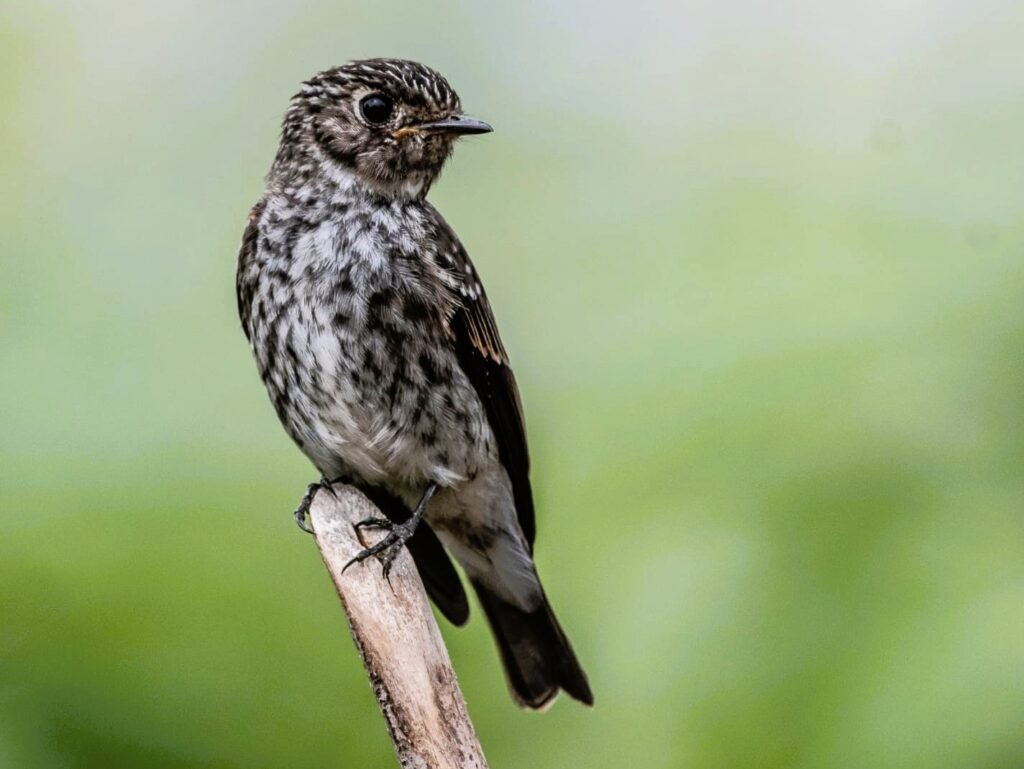
After a gap of 12-long-years, the Dark sided flycatcher has been sighted in Karnataka. The dark sided flycatcher is also known as Siberian or Sooty flycatcher. Dark sided flycatcher is an extremely rare winter vagrant, migratory bird. They normally breed in Himalayas but winters across South East Asia.
Its record of observation in the southern parts of India is indeed very rare. Last time, it was recorded in November 2014 at Nandi Hills near Bengaluru, Karnataka by birder Nitin Prabhakar and Deepa Mohan.
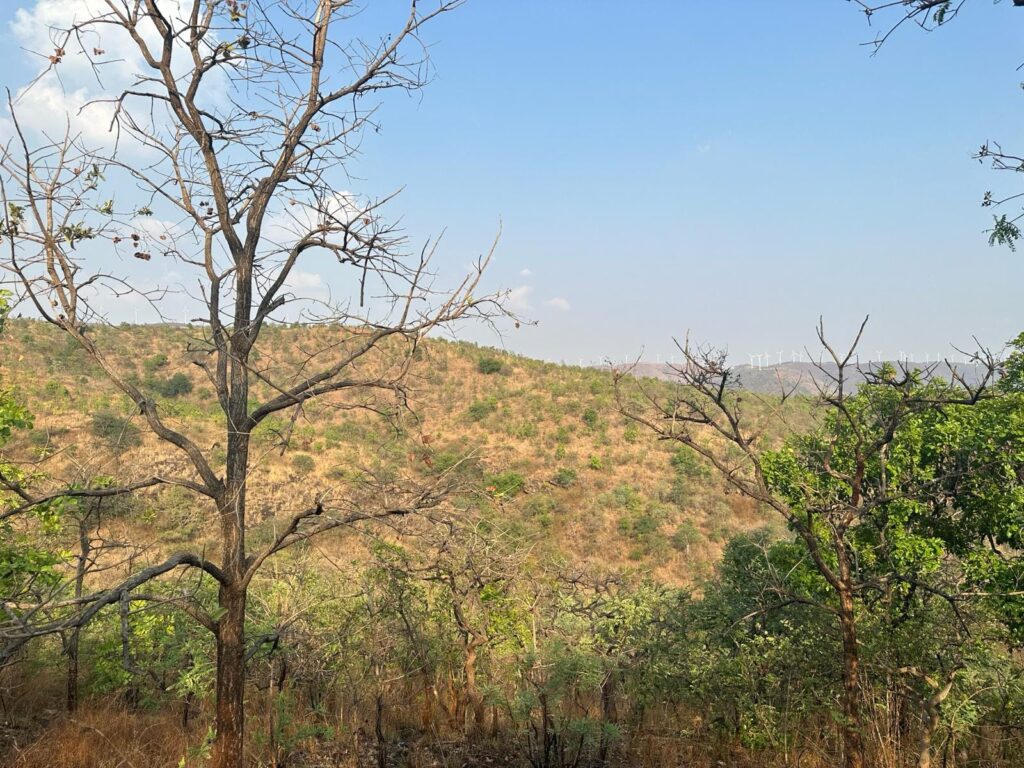
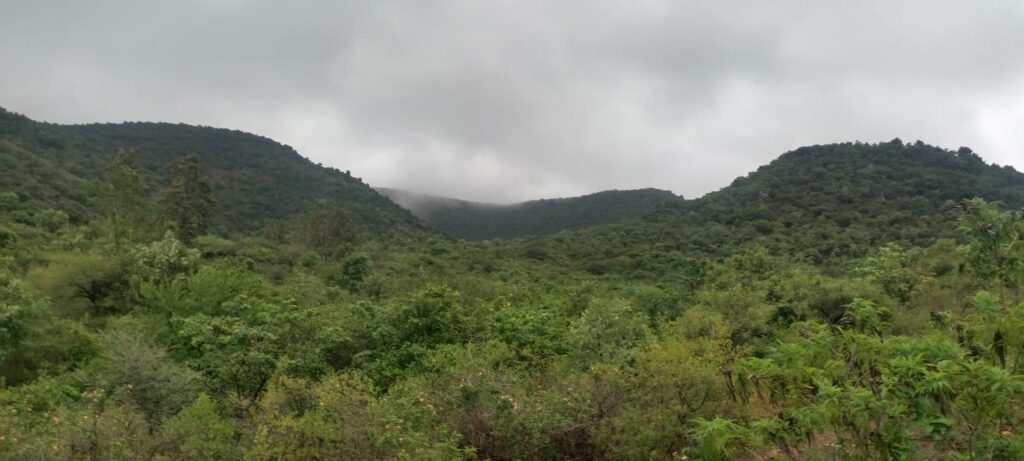
Now after more than a decade, the dark sided flycatcher was recorded on 7 November, 2026 in the Kappatagudda range by birder Sunil Yalagi and his daughter Ganga who too is an enthusiastic wildlife photographer.
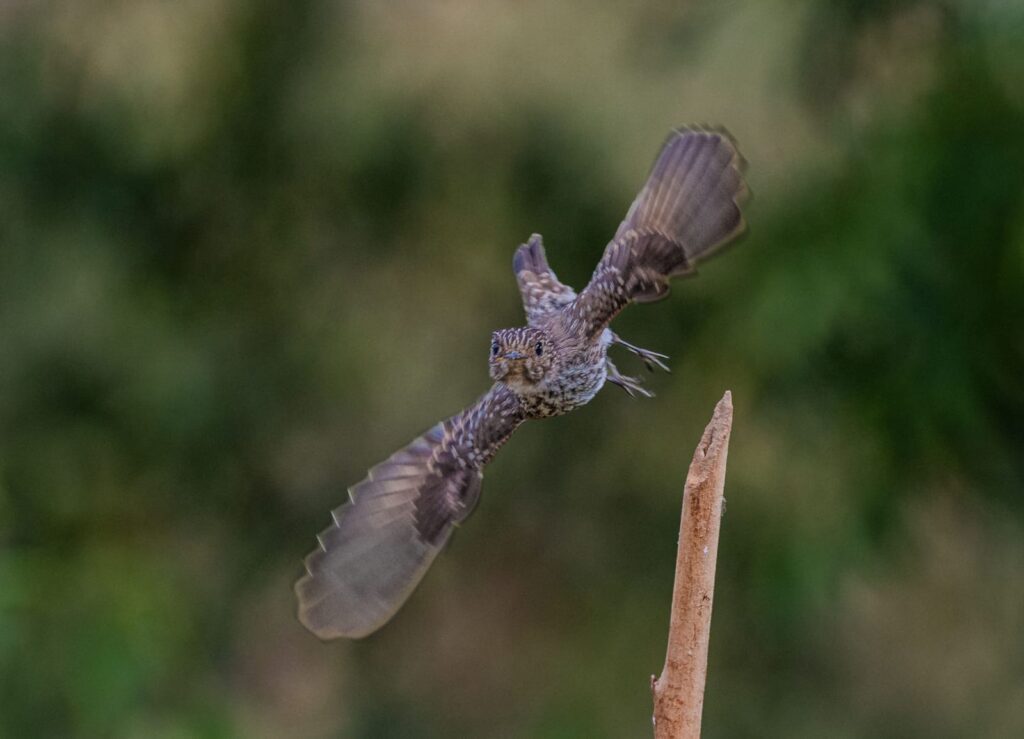
When both of them were documenting migratory birds suddenly Ganga sighted a small bird which they had never seen. Sunil photographed the bird; however, they identified it as a juvenile pied bush chat. But later bird experts Harish Skunda and Sangamesh Kadagad confirmed it as Dark sided flycatcher.
Speaking to the Green Minute News, Sunil Yalagi said “Finding such a rare migratory bird in Kappatagudda range is matter of pride for us.”
The Dark sided flycatcher is a subtle but striking bird that blends into the dense forest undergrowth with its olive brown upperparts and greyish underparts.
Males can be distinguished by their darker flanks and subtle white streaks on their throat, while female have a more muted appearance.
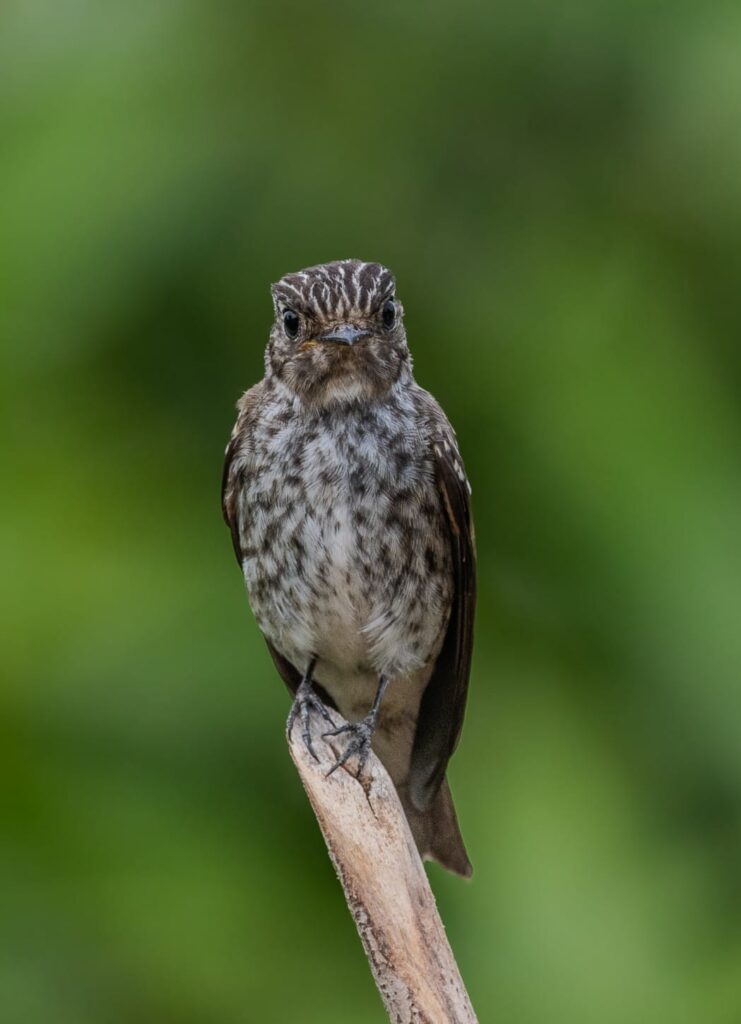
The flycatchers are usually known for their stealthy movements and are well known for their insect catching prowess and quick abilities.
Like other flycatchers, this passerine bird perches on open branches for a longer period and this is usually to swoop on passing insects and feed on it. In fact, it darts out stealthily and quickly snatches the insect, however, frequently returns to its perching spot – to gorge on its prey in all silence.
Under the IUCN List, the bird has been listed as of least concern due to its wide range of distribution and stable population, however, continued protection of its forest habitat is important for its long-term survival.
The dark sided flycatchers are usually found in coniferous forests, woodlands, mixed forests and mountainous ranges of the Himalayas including north-west, eastern and central ranges but during the winter season, they are found to be migrating to diverse forest habitats sometimes in the foothills of hill stations and sometimes as far as Peninsular India and so, have been observed in Karnataka.
(PHOTO CREDIT: ALL IMAGES COURTESY SUNIL M YALAGI)