
Parashuramegowda*:
The issue of transfer of land from the Karnataka Silk Industries Corporation (KSIC) Silk Filature Factory at T. Narsipura, Mysuru district to the Department of Youth Empowerment and Sports, Karnataka for the construction of a sports stadium has generated a lot of ire and protests from farmers and environmentalists.
The reason for opposition to this sports stadium project is – it will necessitate felling of 500 trees with many of them being over 100-years-old. This is also a well-known biodiversity habitat, sheltering butterflies, birds, reptiles, mammals and other species.
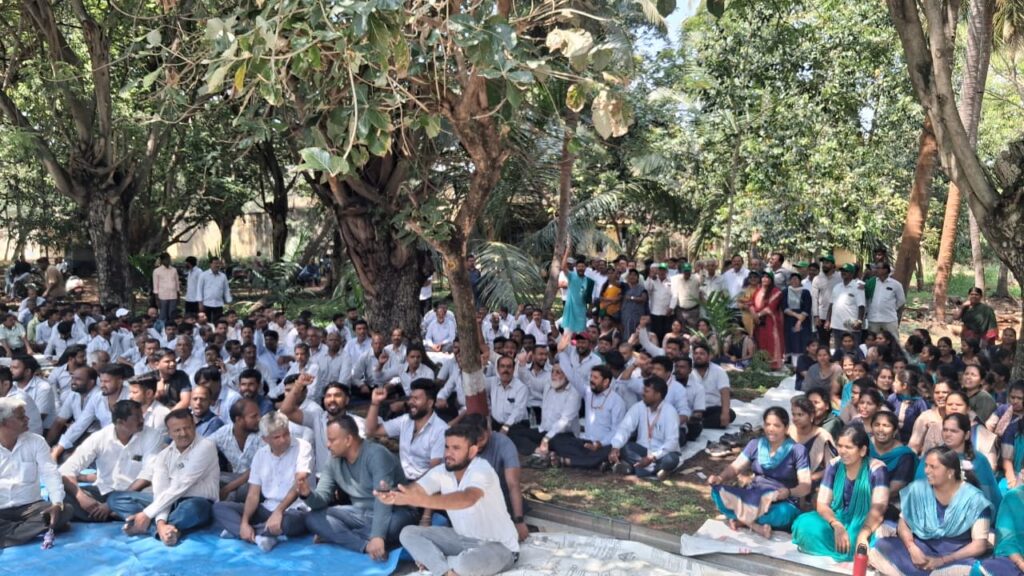
The Karnataka government’s commitment to developing sports infrastructure is indeed commendable but constructing a sports stadium on the KSIC heritage land is neither acceptable to the employees, farmers nor environmentalists.
The sports stadium project poses significant challenges to both farmers and the environment and, therefore, this proposal warrants serious reconsideration from the state government.
Environmental and Biodiversity Concerns
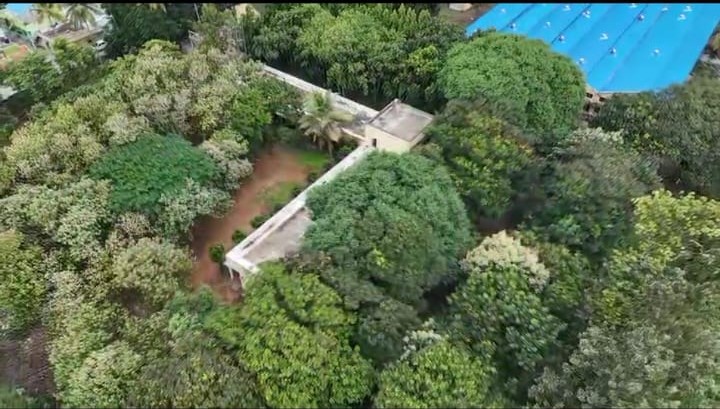
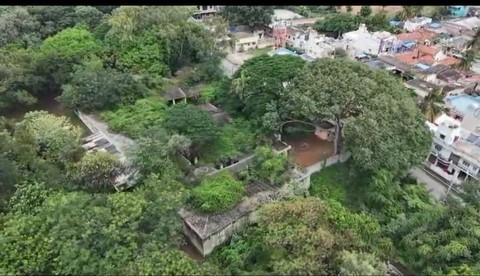
The 13.5-acre KSIC Silk Filature Factory campus is not merely an industrial land but also a vital biodiversity heritage site. This is a much-needed lung space in an otherwise heavily populated area in T. Narsipura taluk of Mysuru district in Karnataka.
The KSIC Silk Filature Factory campus hosts nearly 1,000 trees, ranging from native, rare saplings to varied tree species that are well over 100 years. This extensive green cover provides critical ecosystem services and serves as a verdent oasis amidst increasing urbanization.
This heritage green space at T Narsipura plays a very crucial role in:
- Carbon sequestration
- Air quality improvement
- Temperature regulation
- Microclimate moderation
- Groundwater recharge
- Preventing environmental degradation
Invaluable Green Assets
In an age of climate crisis and environmental challenges, these pockets of biodiversity and green cover at T. Narsipura are invaluable assets that must be protected and preserved.
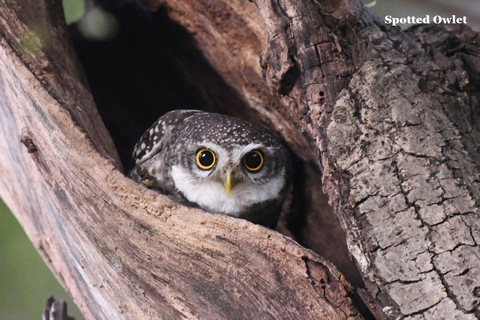
This huge green belt amidst the sprawling KSIC Silk Filature Factory campus hosts nesting and breeding activities of various birds and other faunal species.
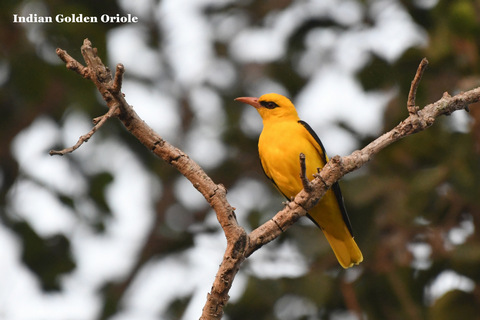
The KSIC Silk Filature Factory campus currently provides a vital habitat for several bird species, mammals, butterflies, bats, herons, egrets, and numerous other insects, creating a thriving ecosystem within the industrial area.
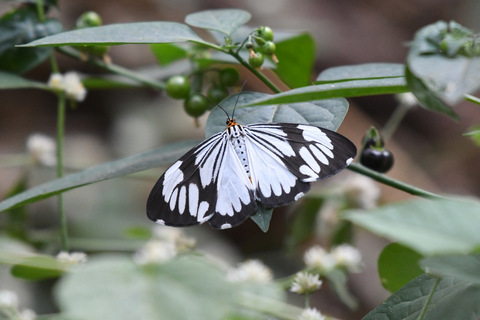
Various species of butterflies have been recorded and documented by naturalists in this green belt and activists say with the felling of such a massive number of flowering and fruit trees, it will sound the death knell for many butterflies, bats and insects.
Massive Felling of Heritage Trees:
The proposed stadium construction would necessitate cutting down over 500 trees which would:
- Cause irreversible damage to local biodiversity
- Destroy habitat for numerous species
- Eliminate a crucial lung space for the surrounding community
- Violate Environmental Protection Act, Wildlife Protection Act.
- Contradict Karnataka’s commitment to climate action and green initiatives
Mysore Silk Saree Heritage and Economic Significance
The KSIC Silk Filature Factory at T. Narsipura was established in 1912 by Maharaja Sri Nalvadi Krishnaraja Wodeyar (Krishnaraja Wadiyar IV) of the Mysore Kingdom, making it a heritage unit with over a century of service to Karnataka’s iconic silk industry.
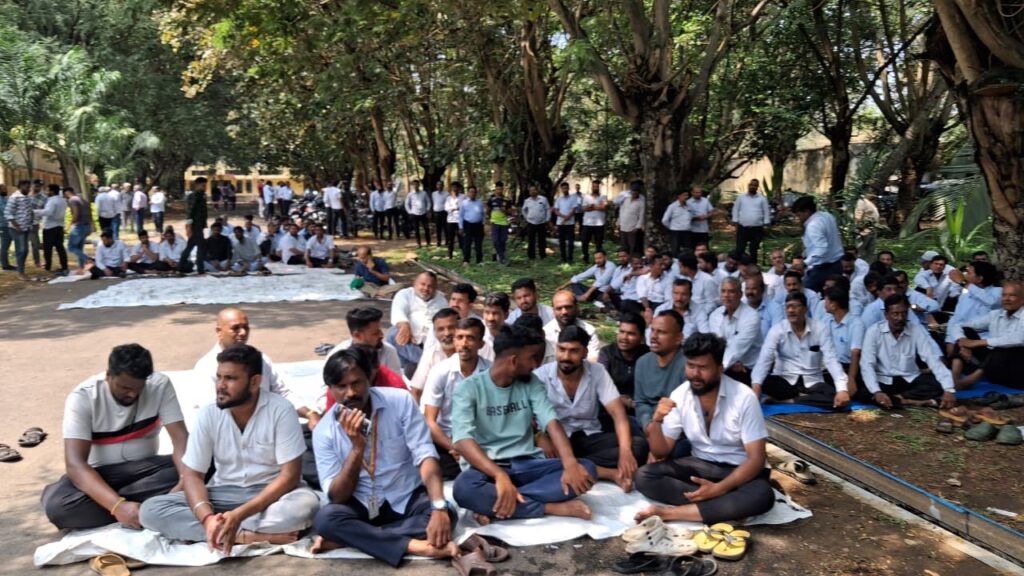
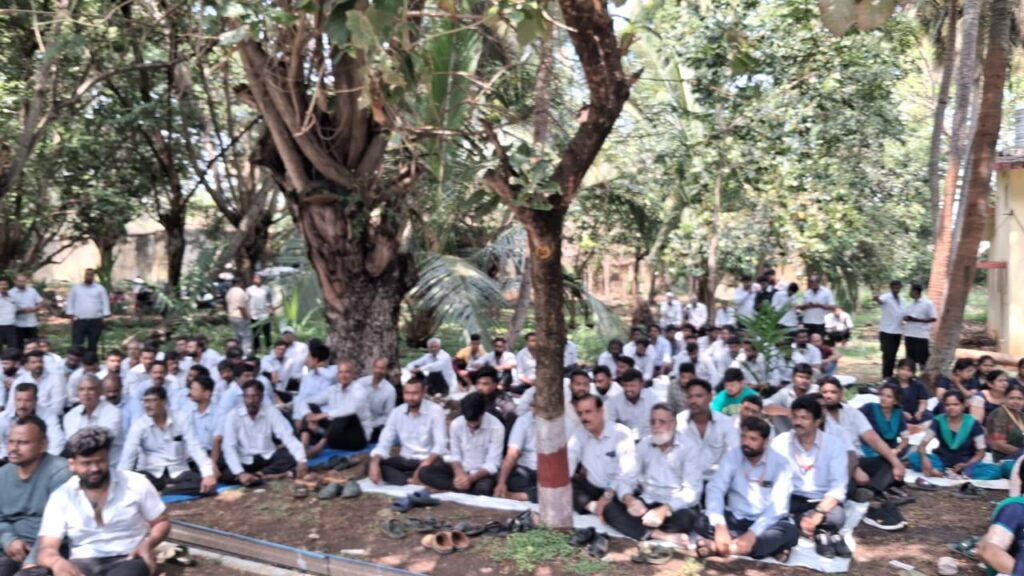
This facility currently provides direct employment to over 200 people in T. Narsipura taluk and serves as the raw silk production unit that supplies high-quality silk yarn essential for weaving the famous Mysore Silk Saree.
The State government should keep in mind that Mysore Silk Saree is a product with Geographical Indication (GI) tag status that brings pride to Karnataka and India.
Given the unprecedented demand for authentic Mysore Silk Saree, which the KSIC has been struggling to meet, any disruption to this critical production facility would adversely impact both the silk industry and the livelihoods dependent on it.
Operational and Future Development Concerns
The land transfer would severely compromise KSIC’s operational capacity and future expansion plans:
1. Space Constraints: The remaining land would be insufficient for modernization initiatives, expansion of production facilities, or installation of essential infrastructure such as an Effluent Treatment Plant (ETP).
2. Regulatory Compliance: KSIC would be unable to maintain the mandatory 33 percent green cover within the campus as required by environmental regulations.
3. Operational Destabilization: The removal of such extensive green cover and the resulting spatial constraints would fundamentally destabilize factory operations.
What about KSIC Employees’ Welfare?
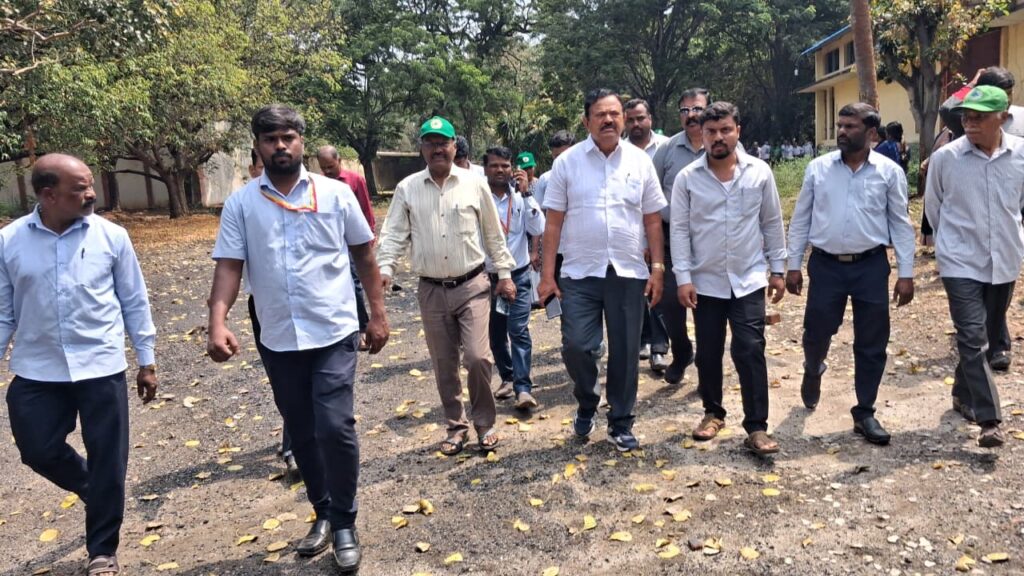
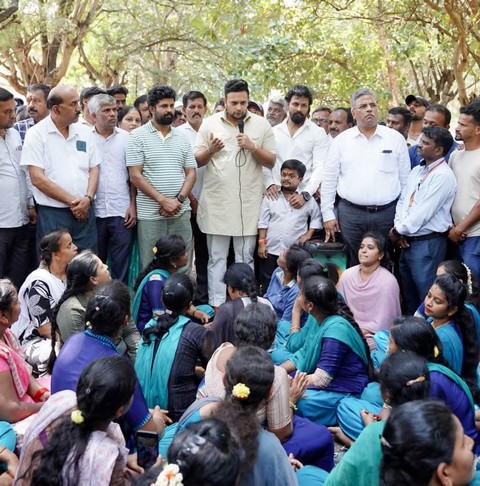
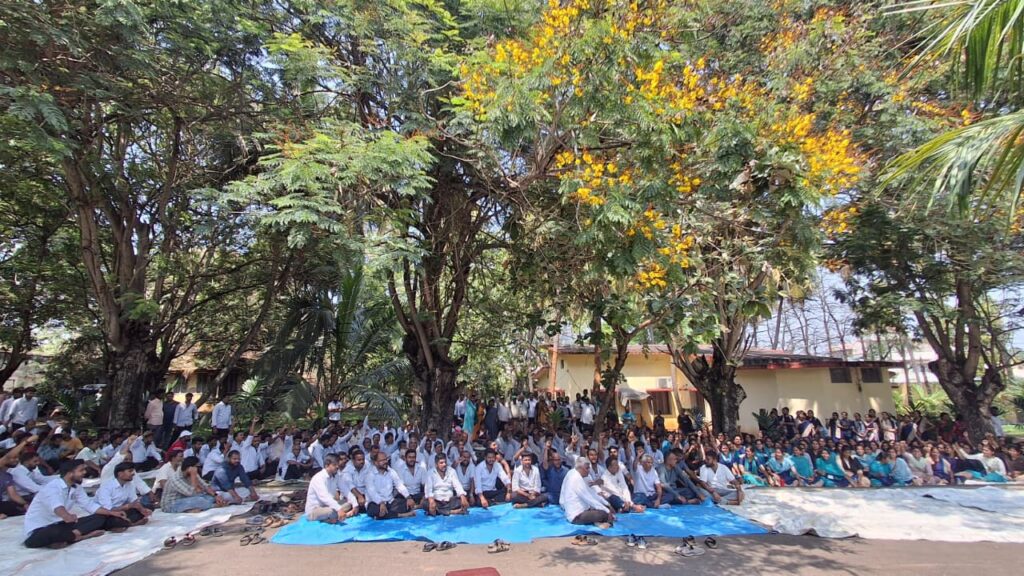
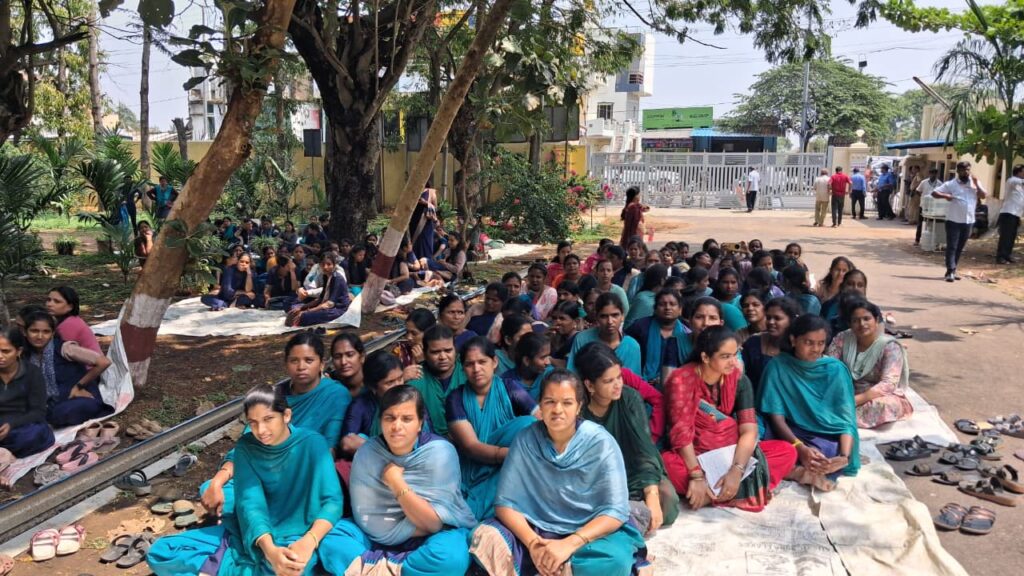
The KSIC factory employees, who have dedicated their life to Mysore Silk Saree – producing world-class silk, are deeply worried about their future and job security. Any disruption to the factory’s operations would directly affect their livelihood and the economic well-being of the families living in this part of Mysuru district.
The KSIC management has also expressed strong concerns about the land transfer, emphasizing that the facility requires all available land for sustainable operations and future growth.
Technical Unsuitability for a Sports Stadium
The proposed land parcel has an L-shaped configuration, which is not ideal for a sports stadium construction from an engineering view point and design perspective.
Further, this geometric constraint of the KSIC Silk Filature Factory land would lead to inefficient space utilization and increased construction costs.
Appeal to State Government
In view of the above considerations, environmentalists, activists and farmers appeal to the state govt to:
* Reconsider the stadium construction on the land transferred from the KSIC Silk Filature Factory at T. Narsipura
* Direct the concerned departments to identify an alternative location that does not compromise heritage industrial units, employment, biodiversity, or environmental assets.
* Restore the land to KSIC to ensure the continued protection and development of this century-old silk production facility.
The Parisarakkaagi Naavu (People for Environment) organization opines that Karnataka has several alternative sites that would be more suitable for sports infrastructure development without compromising our heritage industries, critical green cover, and environmental assets.
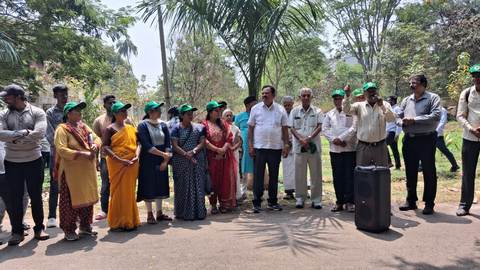
They add, “We hope that this matter is considered in the larger interests of preserving Karnataka’s industrial heritage, protecting employment, safeguarding our environment, our precious biodiversity and address the crucial, escalating climate crisis.”
(Author Parashuramegowda is General Secretary, Parisarakkagi Naavu – People for Environment organization)