
Shankar Sharma:
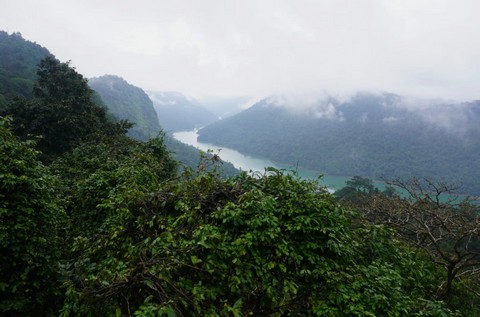
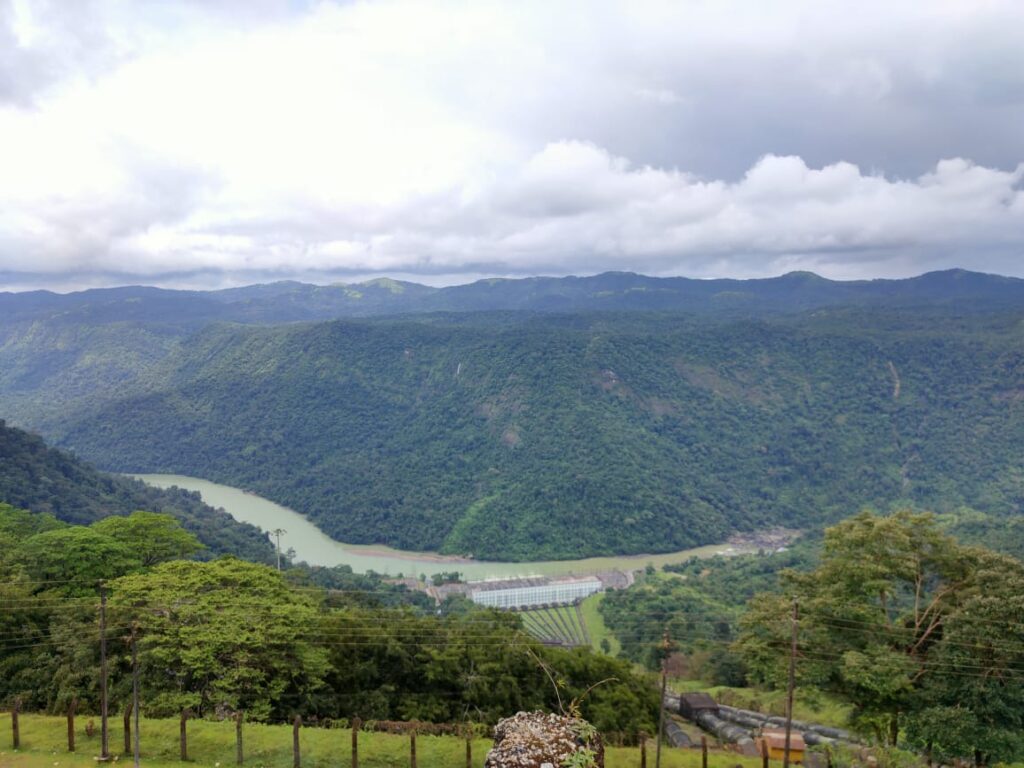
As per the Minutes of Meeting of the 89th meeting of the National Board of Wildlife (NBWL) in New Delhi in February, the two-member-expert committee’s field report on the viability of the 2000 MW Sharavathi Pumped Storage Project (PSP) which rejected this project – was referred to in the meeting but shockingly, the NBWL is yet to reject the “wildlife clearance” for this eco-disastrous project that is proposed inside the Sharavathi Valley Lion Tailed Macaque Sanctuary, Sagar , Shivamogga district of Karnataka.
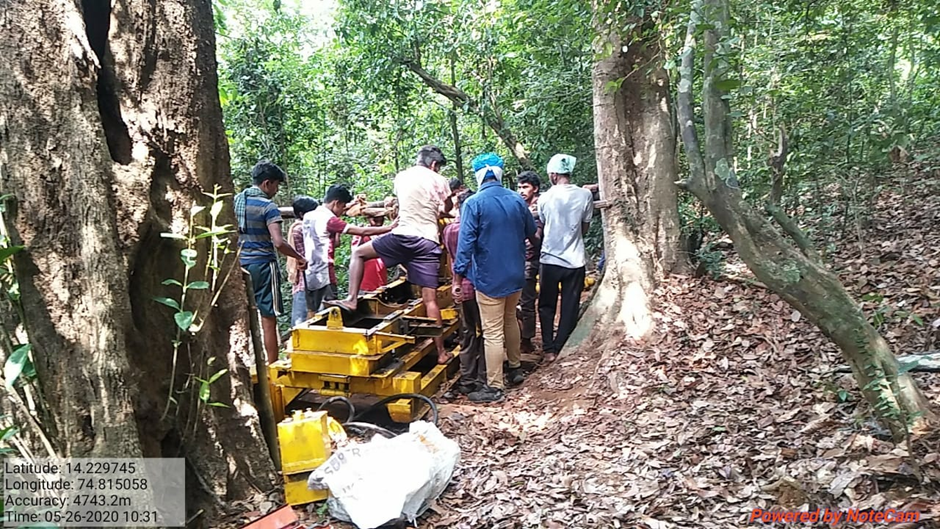
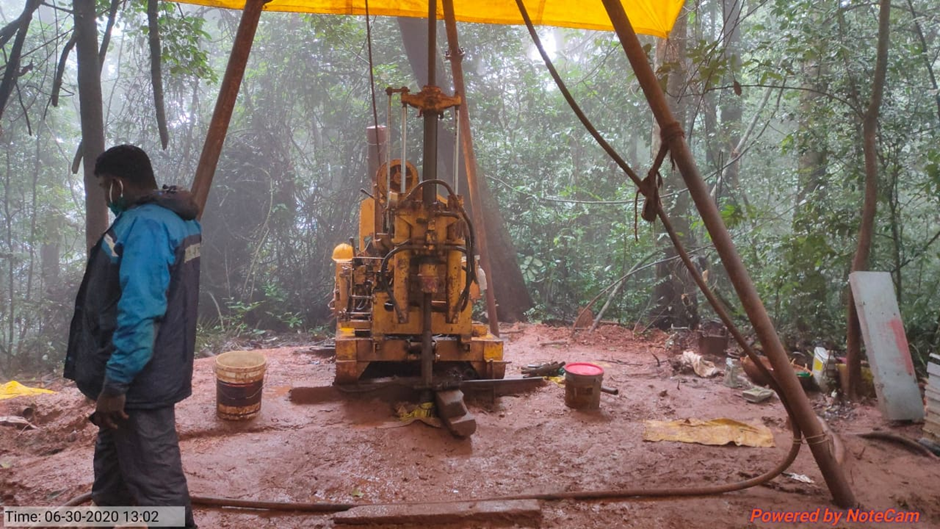
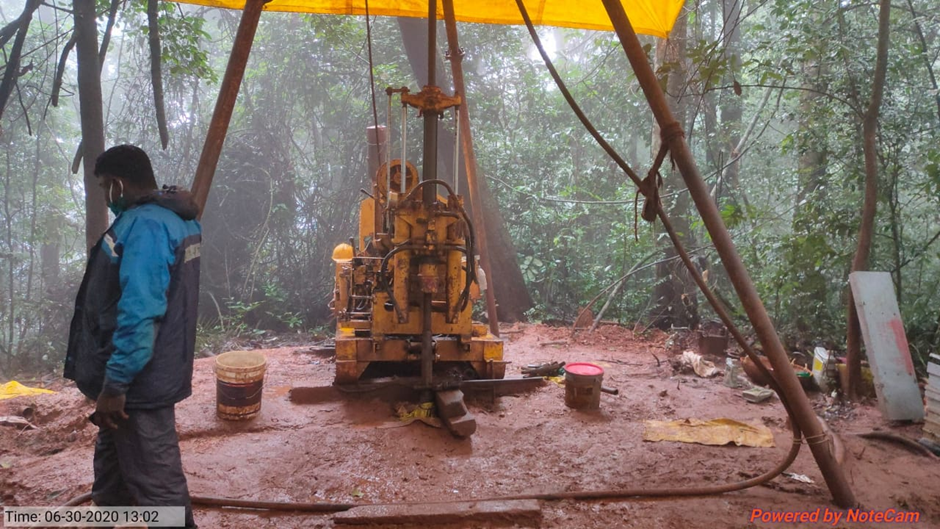
Since early 2000, this project was initiated as a small project, but in 2017, it was turned into a massive 2000 MW Pumped Storage Project. In 2020, a geo-technical study was taken up inside the protected area of Sharavathi Valley Lion Tailed Macaque Sanctuary and later in 2023, it gained momentum, with the state government pushing the project for its implementation. Despite opposition, the survey was conducted during monsoons in 2020 and the project came into spotlight with the project receiving terms of reference by the MoEFCC in 2023. However, the Standing Committee of the NBWL also granted “in principle approval” in 2025.
In fact, the field visit report by the NBWL Expert Committee comprising Dr. H S Singh and Prof Raman Sukumar and Inspector General, NTCA (who is Member-Convener) was referred to just as an attachment to the associated agenda of the meeting. Earlier, the expert committee’s rejection of the Sharavathi PSP had provided a sense of relief to many environmentalists, activists, farmers and other concerned citizens, who read this report. It is a matter of consolation that the major findings, and the summary view of this Committee not to recommend the project for implementation seem to have been positively viewed in the meeting.
However, it is a matter of disappointment and disbelief that NBWL has not yet decided to reject Wildlife clearance for the project proposal, despite the fact that the field report has stated unambiguously and in adequate details, that the project proposal can lead to the violation of the letter and spirit of Wildlife Protection Act, 1972.
The section 4.2.4 (Implications for Landscape Resilience) of this field report has stated:
” …the proposed Sharavathi Pumped Storage Project does not entail the construction of a new dam or large-scale submergence but its location within a highly biodiverse and sensitive and already fragmented ecological landscape warrants a precautionary approach. “
The field report said the ecological significance of both forest and non-forest areas as functional wildlife habitat, particularly for the Lion Tailed Macaques and other forest-dependent species, requires explicit recognition.
The potential impacts of the project are not limited to the numerical extent of forest land proposed for diversion, but also encompass habitat fragmentation, disturbance to wildlife, cumulative ecological stress, and longer-term alterations in habitat quality and connectivity. These considerations are fundamental to informed appraisal under the provisions of the Wildlife Protection Act, 1972, and to safeguarding the long-term ecological integrity and viability of wildlife populations within the Sharavathi Valley landscape.”
KEY FINDINGS OF THE REPORT
Section 6 (Key findings) of the expert committee report, after listing ten major concerns also says, “The ecological and economic feasibility of the project is highly questionable, and its implementation is likely to cause substantial and irreversible damage to the country’s ecological integrity, with serious adverse consequences for the long-term sustainability of the national economy.”
The term “precautionary approach” mentioned in the recommendations of this report should clearly refer to the same terminology used in the Precautionary Principle, as in Principle 15 of the Rio Declaration on Environment and Development, adopted by the United Nations Conference on Environment and Development in Rio de Janeiro, Brazil, 1992, which had stated: “In order to protect the environment, the precautionary approach shall be widely applied by States according to their capabilities. Where there are threats of serious or irreversible damage, lack of full scientific certainty shall not be used as a reason for postponing cost-effective measures to prevent environmental degradation.”
Assuming that NBWL consciously believes in the letter and spirit of such a Precautionary Principle, as enunciated in Rio Declaration on Environment and Development, it is shocking that the 89th meeting of NBWL has not deemed it essential to summarily reject the project proposal to build a 2,000 MW PSP within Sharavati LTM Sanctuary, Karnataka.
Section 7. (Conclusions and recommendation) of the expert committee report says:
“Upon comprehensive examination of the proposed Sharavathi Pumped Storage Project, including its stated objectives, technical justification, ecological setting, statutory considerations, and the concerns raised during field inspections and stakeholder interactions, the Committee observes that the project primarily involves temporal shifting of electricity generation rather than contributing to any net increase in power generation.
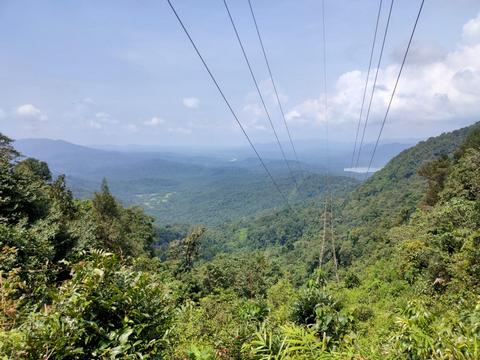
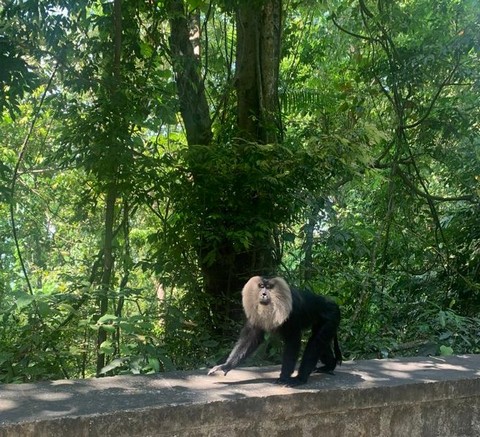
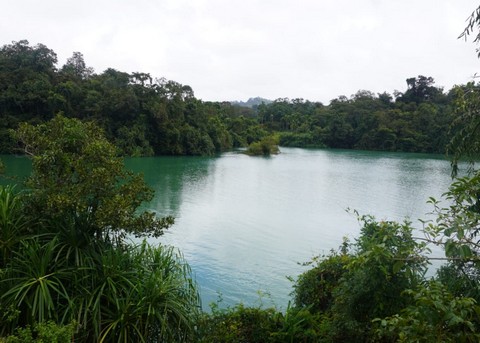
The Sharavathi PSP project is situated within a legally protected area and ecologically sensitive landscape that supports the northernmost viable population of the endangered Lion Tailed Macaques.
The landscape also functions as an important tiger movement corridor, and sustains a high diversity of rare, endemic, and threatened species. The Committee notes that the proposed activities are likely to result in
- habitat fragmentation,
- disturbance to wildlife,
- cumulative stress on forest and riverine ecosystems, and
- long-term degradation of ecological integrity in an area already under pressure from existing infrastructure.
The present proposal lacks compelling technical merit, environmental sustainability, or alignment with public interest, the report stresses. Accordingly, in adherence to statutory conservation mandates, the Committee does not recommend its approval. ”

Whereas the above referred committee might have deemed it necessary to play safe, and hence, might have referred to some additional pieces of information from the project proponent, it should be clear that the kind of information/ clarification sought will not, qualitatively/ quantitatively, alter the fact that “The present proposal lacks compelling technical merit, environmental sustainability, or alignment with public interest.”
In view of such unambiguous recommendations from NBWL’s own special Committee; and another clinching report (the field survey report (SIR) by the DIGF (Central), RO, MoEFCC, Bengaluru on the Project proposal) had recorded a set of diligent, objective and rational observations of serious concern to the environmental protection of the Sharavati Valley LTM Sanctuary. Further, public hearings in September, 2025 in Shivamogga and Uttar Kannada districts and other numerous concerns have been clearly opposed the project while environmentalists, farmers and affected communities in the last 5-6 years have expressed their serious concerns.

It is disappointing to note that NBWL has decided to unnecessarily procrastinate the inevitable decision to reject the approval for the project proposal. It is hard to imagine how such a procrastination can be of benefit to anyone, certainly not to our country as a whole, and the same can only lead to the wastage of time and resources of all the concerned people and entities, especially for MoEFCC.
Such an irrational approach of NBWL, as can be noticed in some of its MoMs, such as that of 89th MoM, may indicate the reason for multiple decisions of NBWL. This might have been a factor leading to the erosion of biodiversity wealth in the country. In this regard, the larger context of the credible threat to the ecology of the country because of about 200 potential proposals for PSP in river valleys of our country, as has been identified by Central Electricity Authority, should gain hugely relevance to deploy BESS instead of PSPs in river valleys.
The central government has to seriously review the very need for PSPs in river valleys, and objectively take a policy stand to diligently consider only BESS in place of PSPs to enable the integration of the optimum level of renewable energy into our power grid, and also to adequately protect the biodiversity richness of our country.
Sadly, many of the meetings of NBWL seem to consider and/ or approve the request for the diversion of forest lands even within PAs for the installation of 4G/ 5G mobile towers, and/or for laying of Optical Fibre Cables. Whereas, the diversion of forest land sought in these projects may not be large individually, together they will be considerable in a year, considering the fact that the demand for such associated activities can only escalate all over the country.
In view of inadequate forest & tree cover in the country as against the National Forest Policy target of 33 percent of the total land area, NBWL should seriously consider challenging the very need for the installation of 4G/ 5G mobile towers, and/or for laying of Optical Fibre Cable within the PAs. As compared to the unacceptably huge cost to the country from the destruction of the protected areas (PAs), the additional cost to our society of such techno-economically feasible/ attractive alternatives to the telecom companies should be small.
But what is essential for the NBWL and other agencies of MoEFCC to become highly rational and keen to diligently consider all the available options, including seeking recommendations from the public, to effectively protect the environment in the country.
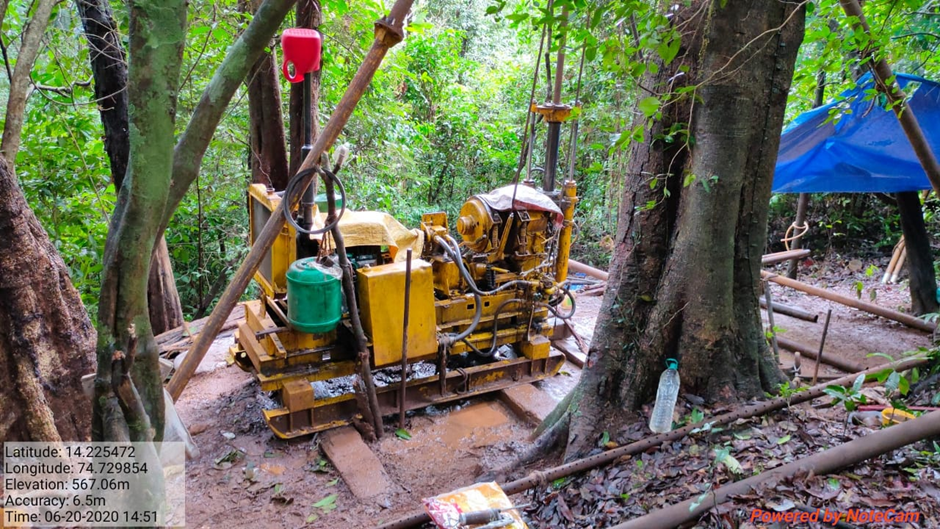
In a larger context, the observation made by the NBWL committee in its report on Sharavathi PSP says, “Such projects can cause substantial and irreversible damage to the country’s ecological integrity, with serious adverse consequences for the long-term sustainability of the national economy.”
Can people of our country expect NBWL, which is a regulatory body for protecting the true welfare of Wildlife, to become highly rational and diligent in all such matters of great concern to our county? In fact, it should not become a Wildlife Clearance board to speed up developmental projects as many projects in the last decade have been cleared hastily.
(THE AUTHOR IS A POWER AND CLIMATE POLICY ANALYST, BASED IN SAGAR, SHIVAMOGGA DISTRICT, KARNATAKA)