
Meera Bhardwaj:
Although the Karnataka Government has clarified Biodiversity Heritage Site tag for Bengaluru Cantt Railway Colony was withdrawn under no pressure, the question remains whether Bengaluru air quality is going the Delhi way too. The last two to three decades, Bengaluru (once known for its forests, gardens, green traffic junctions, green spaces, avenue trees and mango groves) is today desperately struggling to retain a bit in the wake of development of commercial spaces, large-scale residential construction, and infrastructural projects like the IT parks, Metro Rail, road widening, flyovers, underpasses, parking lots and what not.
Bengaluru has witnessed a drastic decline in green cover – 68 percent in the 1970s to as low as 3-4 percent today. This has severely impacted the environment and ecology resulting in water scarcity, increased temperatures, development of localized urban heat islands, poor air quality, and biodiversity loss. In the wake of these adverse happenings, many environmental groups and individuals are waging a losing battle through street campaigns and even filing of cases in the courts in the recent times.

UNSUSTAINABLE DEVELOPMENT CAUSING HAVOC
With both the Central and State Government’s push towards unsustainable development in the city and emphasis on foreign investments and opening of many IT parks and IT enabled services to saturation levels, it is a do or die battle for the environmental activists. Vijay Nishant, Project Vruksha Foundation says, “The withdrawal of the Cantt Railway Colony Biodiversity Heritage Site tag notification has come as a shocker to many activists and they are totally disheartened the way Bengaluru city is losing its precious and few remaining green spaces especially in the CBD areas, northern and western parts of the city.”
To protect the breathing spaces and green areas that is essential for Bengaluru city, 371 trees in 8.61 acres of Cantonment Railway Colony were declared as a Biodiversity Heritage Site by the state government, however, the Centre has put a spoke in the wheel as no permission under Railway Act was possible. This is what the state government says but for the people of Bengaluru who took to the streets and launched a three-month campaign without a break – this withdrawal comes as a bombshell as studies done by IISC, Azim Premji University and various other surveys done by research scholars and NGOs show that Bengaluru city is facing an urgent environmental crisis and needs immediate action and correction.
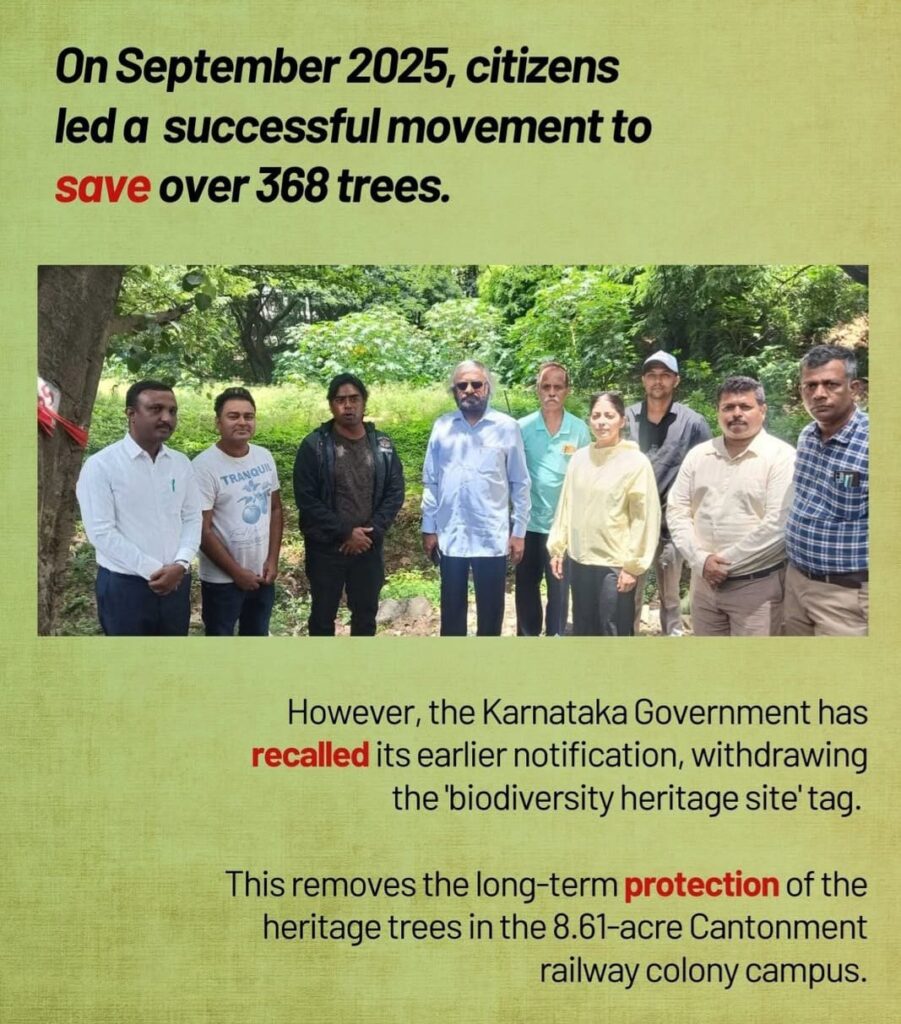
Clarifying that they did not bow to any pressure, Forest, Ecology and Environment Minister Eshwar Khandre said in Belagavi on Tuesday, “The State government’s notification declaring 8.61 acres of Bengaluru Cantonment Railway Colony as a Biodiversity Heritage Site has been withdrawn as no one is allowed to interfere with any land belonging to the Railway Department under the Railway Land Act. The decision to withdraw it was taken as there are restrictions under the Railway Land Act.”
What is the Railway Land Act?
The “Railway Land Act” generally refers to provisions within India’s Railways Act, 1989, which governs the vast land holdings of Indian Railways. This focuses on acquisition, management (like the Rail Land Development Authority (RLDA) for commercial use), usage rights (easements), and duties to maintain land and provide accommodation works for landowners. This Act empowers Railways to build infrastructure, manage encroachments, develop vacant land commercially (RLDA), and defines responsibilities for works like bridges and drains affecting adjoining properties.
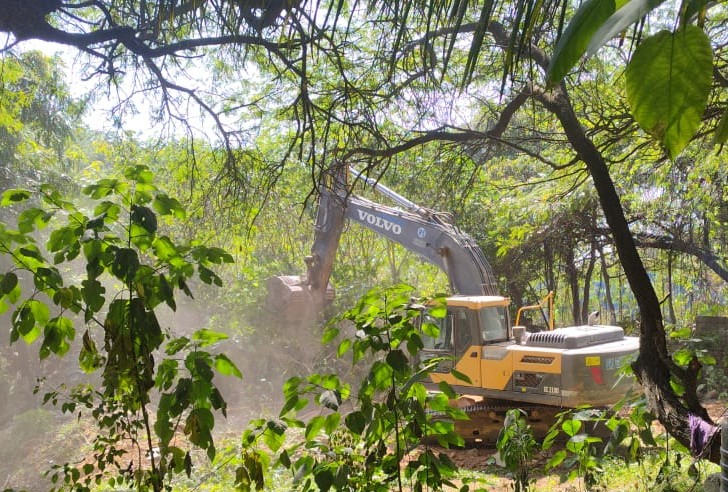
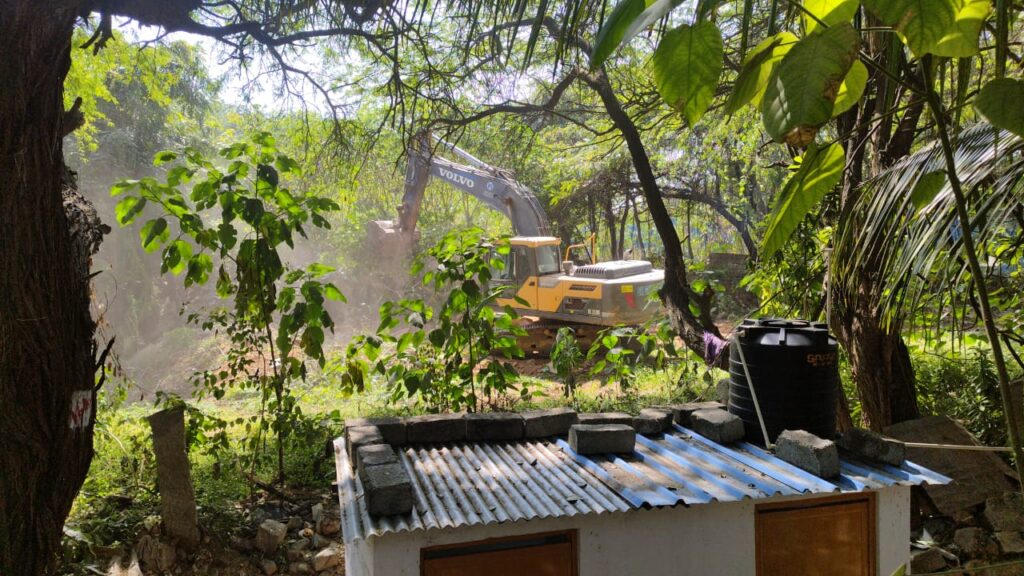
Railway authorities can cut trees on railway land under the Railways Act, 1989, primarily for safety (signal obstruction, track maintenance, preventing accidents) and operational needs. But for this, they require coordination with state Forest Departments and this power isn’t absolute and involves specific procedures, and permissions (like the BBMP DCF in this case or State Forest Department), and potential compensatory measures especially for large-scale felling or projects impacting sensitive ecological areas.
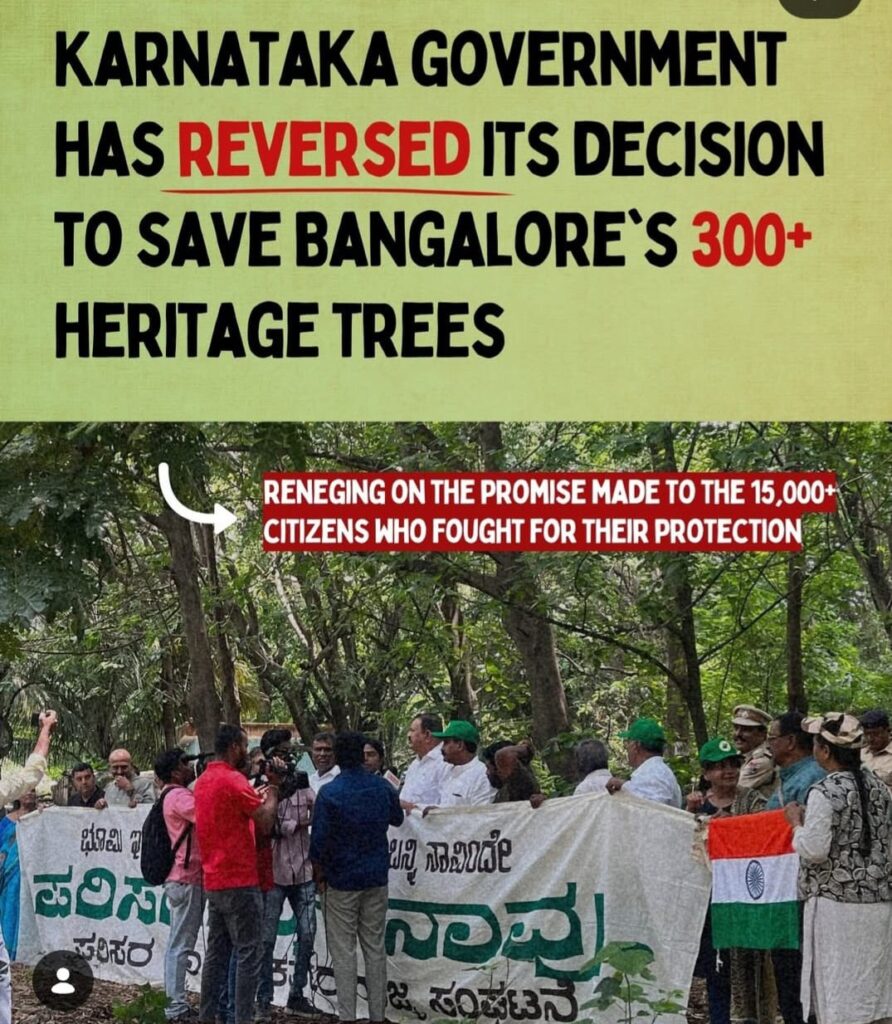
SAVE RAILWAY CANTT COLONY CAMPAIGN
In this regard, officials spoke to the Railway Land Development Authority who informed that the RLDA is committed to environmental protection and has promised to relocate and replant the affected trees. Further, the Railway Land Development Authority has given a written assurance to enforce any law in force under Section 37(1) of the Biodiversity Act and to protect the green cover by planting saplings even after construction of buildings in the existing area and to protect the biodiversity of the Cantonment Railway Colony, Forest Minister clarified.
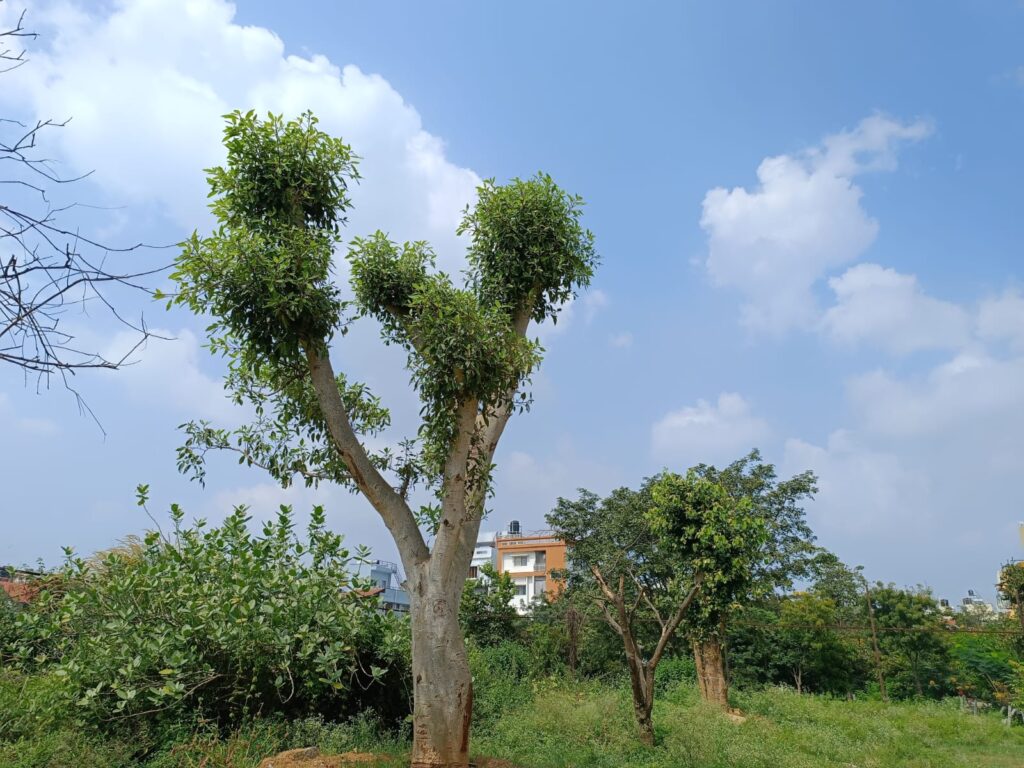
See in the above picture, a 20-year-old tree that was relocated to a different place in Poorna Prajna Nagar, Uttarhalli, south Bengaluru is thriving now. However, these trees were less than 20 years of age as old trees with massive canopies do not survive. Further, activists say they are going ahead with their Save Cantonment Trees Campaign in the days to come as such massive felling of 400 trees that are 50-60 years old will cause irreversible ecological damage leading to permanent depletion of urban green cover. Relocation of such old heritage trees that too from a site which saw the visit of Mahatma Gandhi to the Railway Colony to another area is not ecologically feasible as these old trees may not survive in a new area.
Environmental activists A T Ramaswamy, Venkatesh H M , Alexander, Akshay Hebblikar, Bhargav, and citizens Priyadarshini, Sunita, Sadiq and Jhatakaa organization have taken a lead in saving the Bengalur Cantt heritage trees. Not only the heritage value of this site is lost but also the ecological value with felling of these trees will be permanently lost, concludes all activists and citizens.