
R S Tejus:
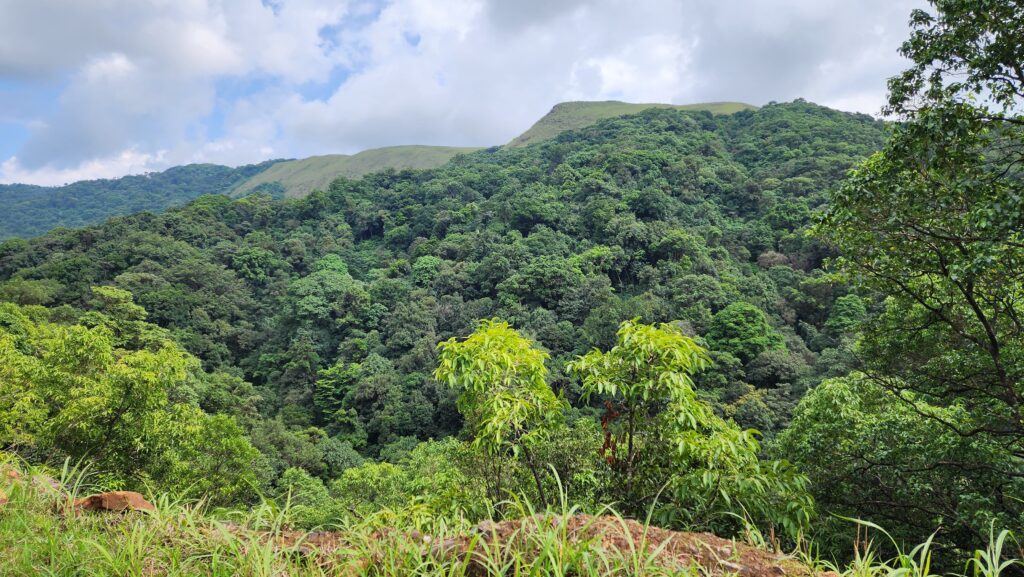
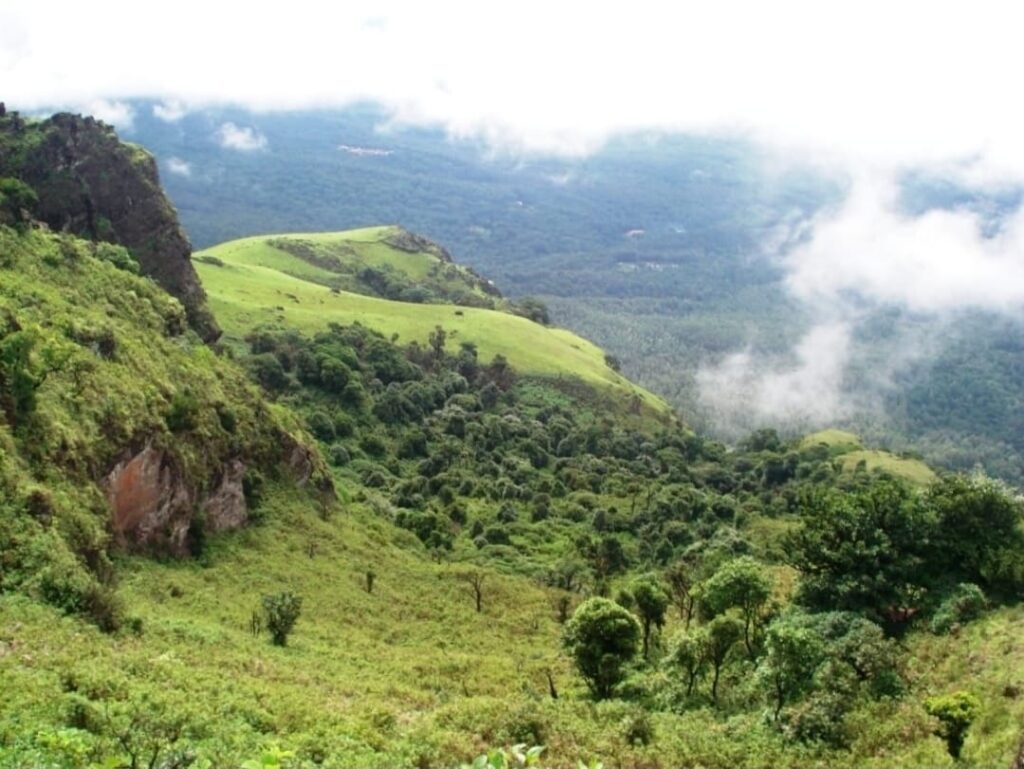
A proposal to build a ropeway connecting Kaimara to Seethalayanagiri in Chikkamagaluru district, Karnataka, India has resurfaced once again. From Seethalayanagiri, it is only a few kilometres to Mullayanagiri, the highest peak and one of the biodiversity rich regions of Western Ghats in Karnataka. This fancy idea had earlier been floated during the BJP government (2019-23) and was strongly opposed by conservation groups such as WildCAT-C and other activists in Chikkamagaluru.
Now the proposal is being revived again, but the Siddaramaiah led Congress government has failed to answer the most basic question: what exactly is the purpose of this ropeway?
The justification being offered is pretty vague. Officials claim that it will reduce the ecological footprint on the hills and allow visitors to enjoy scenic views from above. These arguments sound attractive on paper but fail to stand up to ecological or practical scrutiny.
A Fragile Landscape Under Pressure
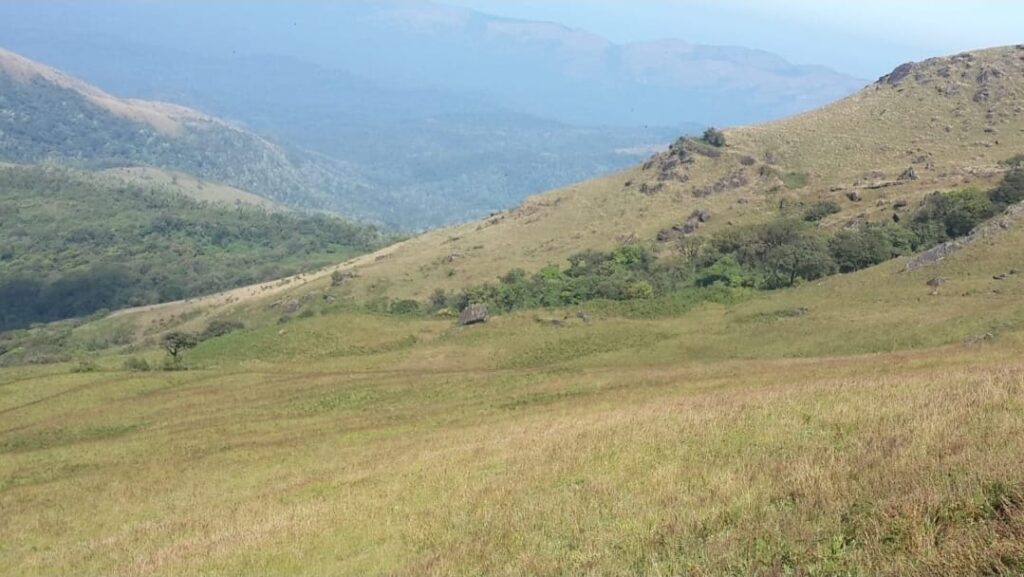
The Mullayanagiri–Bababudangiri hill ranges lies in the heart of the Western Ghats, one of the world’s most important biodiversity rich landscapes. Unlike the relatively younger Himalayas, the Western Ghats are much older and ecologically fragile. Even small disturbances can trigger long-term ecological consequences.
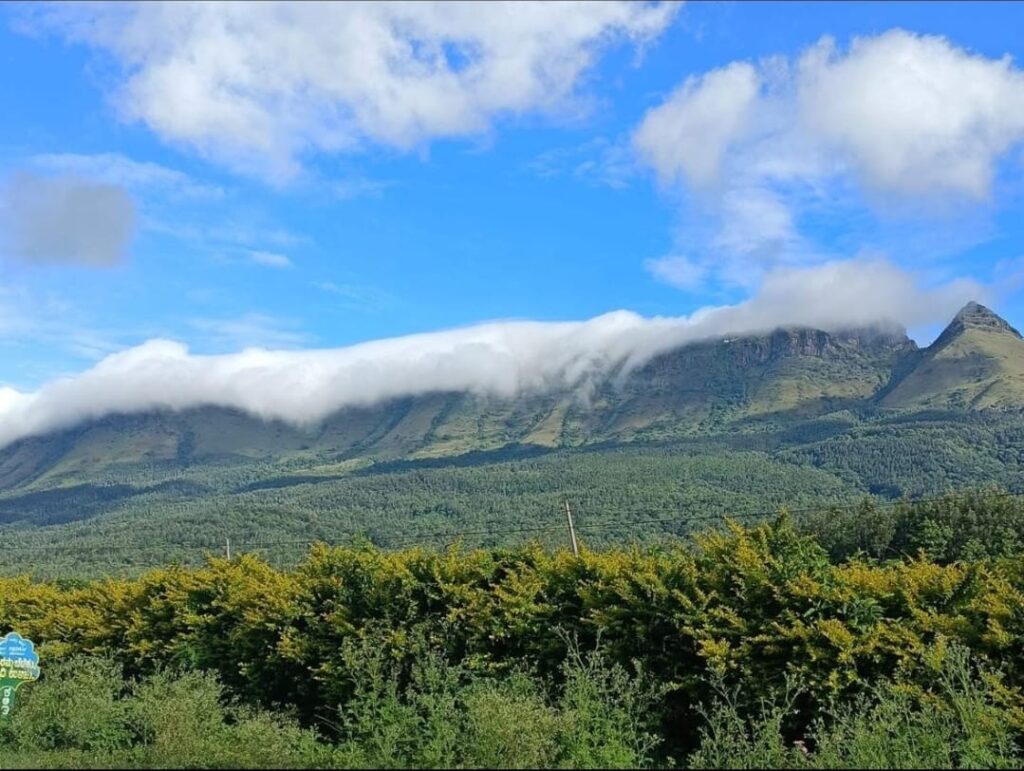
When pressure increases on such fragile landscapes through frivolous infrastructure projects, the impact is not limited to a single hill. It affects entire hydrology and watersheds, leading to:
- Drying of streams and rivers
- Soil erosion and landslides
- Fragmentation of wildlife habitats
- Increased tourism pressure and garbage accumulation
The Mullayanagiri hills play a critical role in feeding river systems that sustain agriculture and communities across the region and beyond.
What the proposal Indicates
It notes that the ropeway project is planned between Kaimara and Seethalayanagiri, covering a stretch of about 6.8 kilometres (6813 metres). The ropeway project is being considered as part of a tourism initiative and discussions have been held with departments such as tourism, revenue and forest.
However, the project is still at the stage of surveys, feasibility assessments and preparation of a Detailed Project Report (DPR). It also indicates that various clearances and technical evaluations will have to be conducted before any decision is taken.
This means that the Karnataka government is preparing to spend substantial public funds merely to study the feasibility of the project, even though the need for such a project has never been clearly demonstrated.
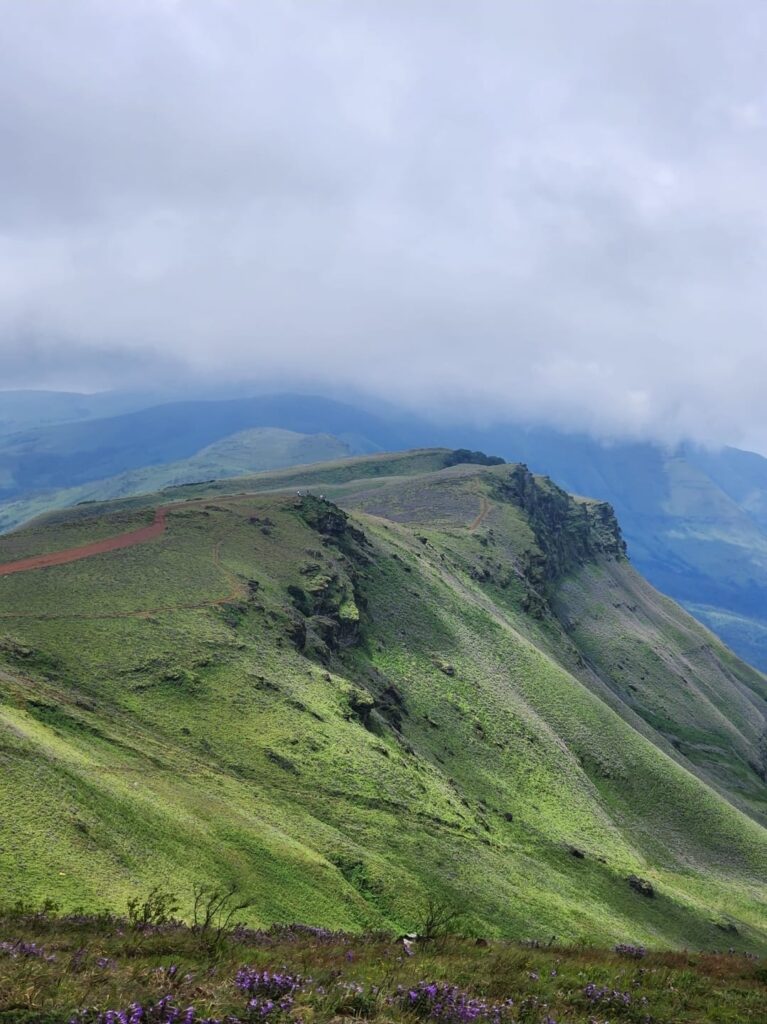
The Hidden Ecological Cost of Ropeways
Ropeways are often presented as “eco-friendly” transport systems. In reality, they require extensive infrastructure and support systems that can severely disturb mountain ecosystems especially in the heart of Western Ghats.
To run a ropeway system in Western Ghats, the following infrastructure becomes necessary:
- Access roads to construction sites
- Concrete towers and anchor foundations on the hills
- Power supply systems and generators
- Maintenance workshops and repair facilities
- Parking areas and tourism infrastructure at both terminals
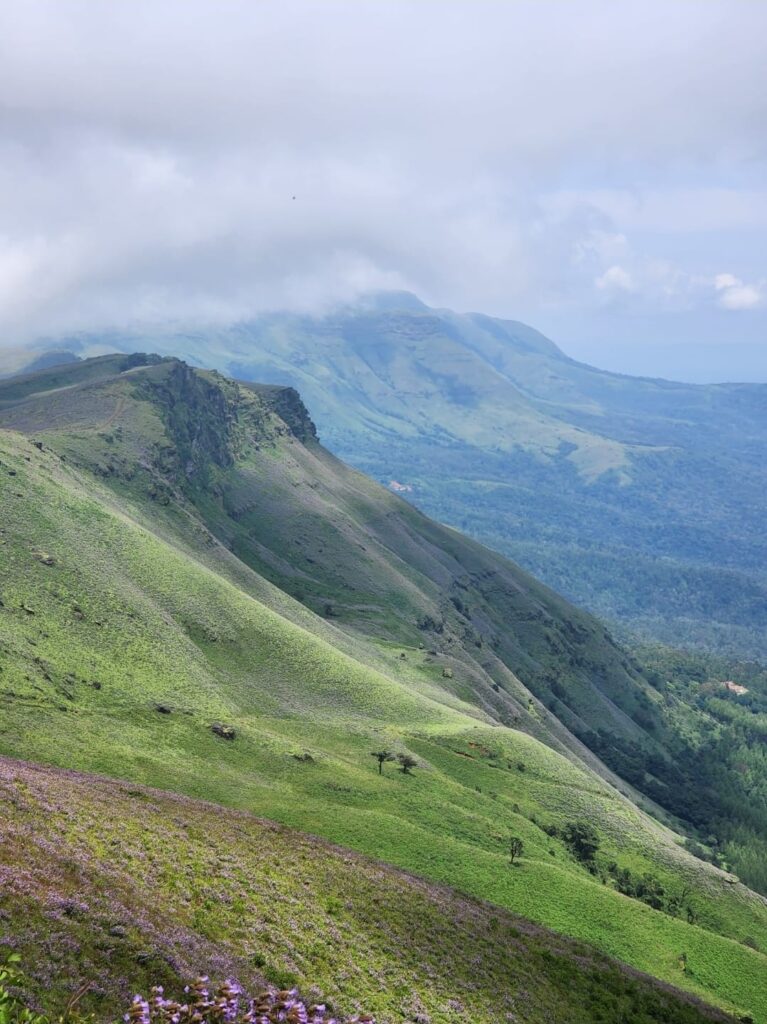
Each of these components brings construction activity, vehicular traffic and human disturbance deep into fragile landscapes.
Instead of reducing ecological pressure, ropeways often open previously quiet areas to mass tourism, accelerating environmental degradation. One has already seen the impact of unbridled tourism and unruly crowds from Bengaluru to Mullayanagiri during the weekends resulting in eco-destruction, traffic congestion and dumping of plastic waste and liquor bottles which activists have to clean up every time.
A Simpler and Proven Alternative
According to Sridev Hulikere of WildCAT-C, there is a far simpler and more practical solution that already works in other protected landscapes.
The government could create a designated parking facility on land already identified in Chikkamagaluru town. From there, local jeep drivers could transport visitors to Mullayanagiri hills and bring them back.
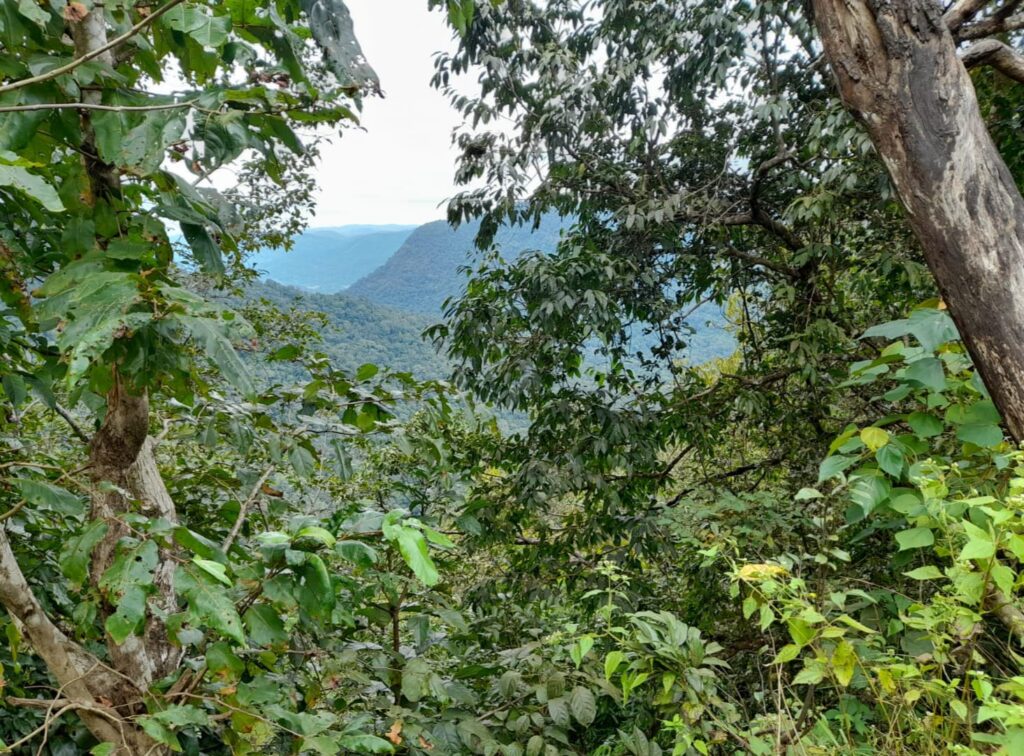
This system is already functioning successfully at Gopalswamy Hills in Bandipur Tiger Reserve, where controlled vehicle movement helps manage tourist flow while supporting local livelihoods.
Such a model would:
- Reduce traffic congestion on hill roads
- Provide employment to local drivers
- Avoid large-scale infrastructure construction
- Save enormous amounts of taxpayer money
It would be a win-win solution for conservation, eco-tourism and the local communities.
A Question of Priorities
The Mullayanagiri ropeway proposal also raises serious questions about public spending priorities. Already thousands of crores of public money is being spent on the five guarantee schemes by the Siddaramaiah govt.
The Karnataka government is already operating under significant fiscal pressure that has strained the state’s finances, yet the state govt wants to take up such eco-disastrous projects like this which require large investments for:
- Surveys
- feasibility studies
- Detailed Project Reports
- environmental clearances
- forest clearances
- wildlife clearances
- construction and maintenance
All this expenditure is being planned without a clearly defined public benefit.
When basic conservation and forest protection activities are struggling for funds and frontline forest staff are not being paid their salaries, diverting public money to unnecessary tourism infrastructure in the heart of Western Ghats appears deeply misplaced and suspicious.
Let the Wild Remain Wild
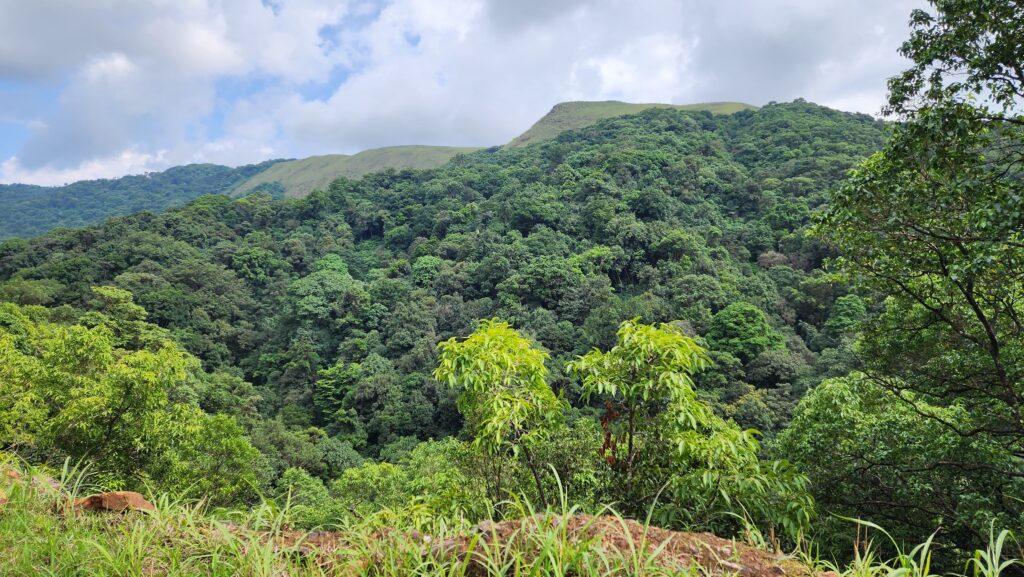
The Western Ghats are not just scenic landscapes meant for tourism projects. They are living ecological systems that sustain rivers, bring rainfall to the semi-arid regions of Karnataka, sustain wildlife and communities and further provide livelihood to lakhs of people.
Every new road, building or tourism facility adds inordinate pressure to eco-fragile landscapes that are already under strain from deforestation, mining, encroachment and unregulated tourism especially in Chikkamagaluru. This activity will also give fillip to poaching and hunting activities in these regions.
If such interventions continue unchecked, the Western Ghats region risks facing serious ecological collapse, with long-term consequences for the state’s water security, biodiversity and climate stability.
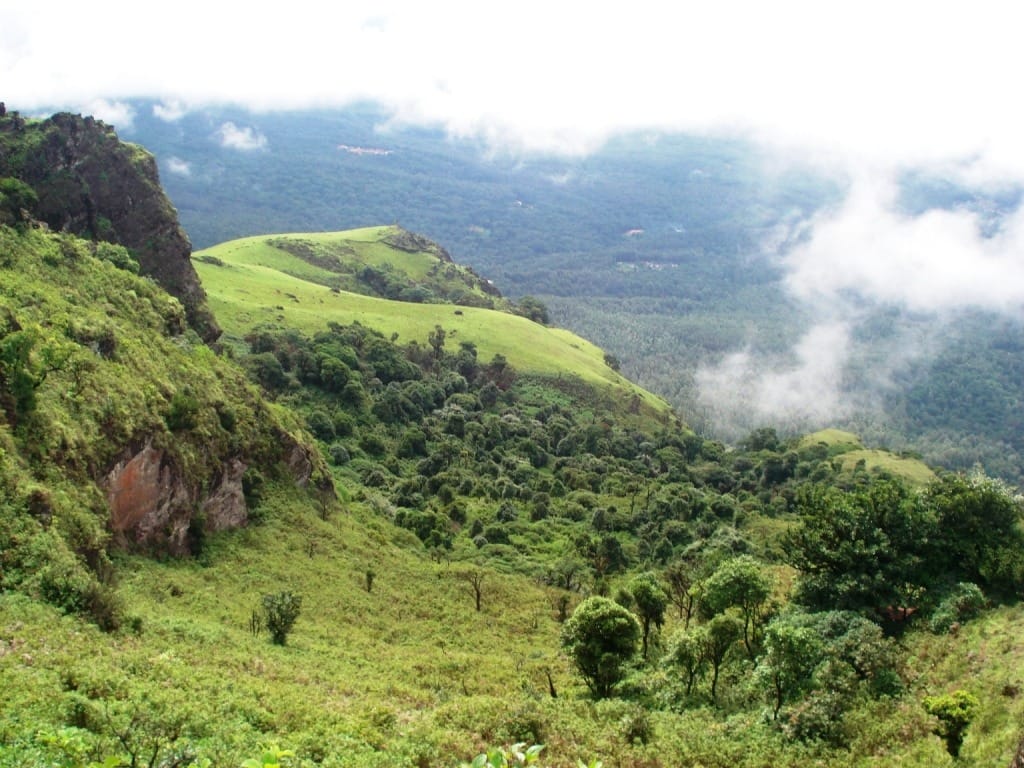
Some places must be allowed to remain serene, quiet, undisturbed and wild.
And the hills of Mullayanagiri is one such place. And these hills are not meant for the entertainment of tourists, boozing crowds, selfie-crazy people, and adventure seekers from Bengaluru and other states.
The ropeway proposal, in its current form, appears to be a solution searching for a problem. Without a clear purpose, strong ecological justification or public benefit, it risks becoming yet another project that sacrifices eco-fragile landscapes of Western Ghats in the name of development.
Sometimes the most responsible decision is the simplest one – leave nature alone.
(PHOTO CREDIT: IMAGES BY SREELAKSHMI, MAHENDRA JAIN, CHETAN AND R S TEJUS )