
GREEN MINUTE NEWS:
Elephants in India continue to be used for unethical tourism in many parts of the country. On April 16, we celebrated the Save Elephants Day but it seems to be just on paper only.
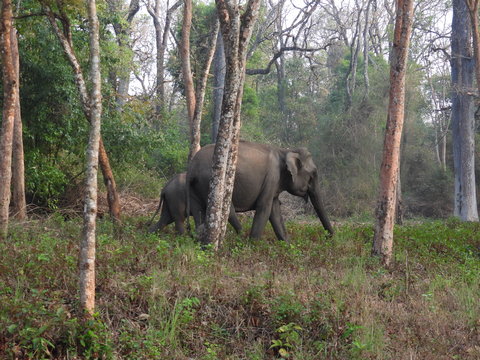
According to the Status of Elephants in India – as per the DNA-based Synchronous All-India Population Estimation (2021–25) released in late 2025, the estimated wild elephant population in India is just 22,446. The 2025 report is significant for being India’s first-ever DNA-based count to estimate their population.
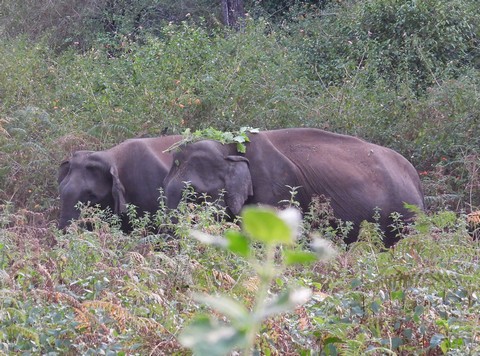
With continuing human-elephant conflict across India and its continued exploitation for tourism, temple, ceremonial, poaching and timber logging purposes, the day is not far off when the Asian Elephant species which is already listed on the IUCN Red List as endangered –it may soon enter the critically endangered list.
With India home to more than 60 percent of the Asian elephant species, it becomes imperative on the part of both central and state governments in the elephant range states take up elephant conservation programs very seriously. The elephant highest numbers are in the Western Ghats, followed by the Northeastern Hills and Brahmaputra Flood Plains but the habitat loss and conflict too is acute here.
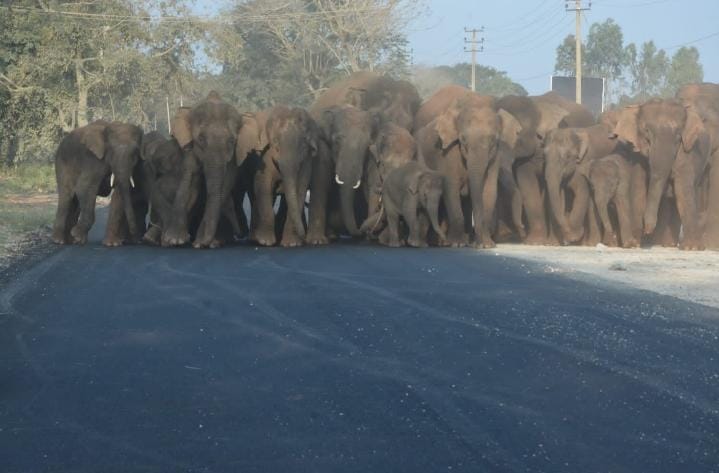
Unfortunately, with conflict rising in states like Odisha, West Bengal, Assam, Chhattisgarh, Jharkhand, Kerala, Karnataka, and Tamil Nadu – conservation has taken a back seat as capture operations and shifting them to elephant camps has become more frequent.
The conflict situation is pretty severe in the western parts of Tamil Nadu, south interior districts of Karnataka and in Kerala from Wayanad to Idukki to Kannur districts.
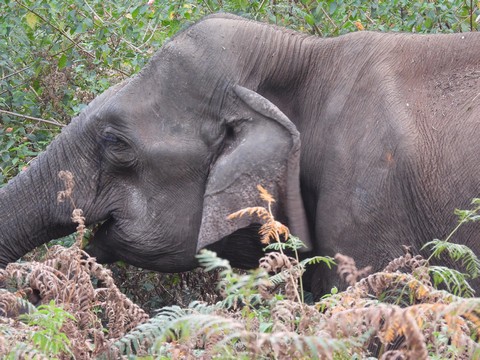
In the last 60 years, there has been a 70 percent decline in the elephant population in India. Critical habitats of Nilgiri Western Ghats, Brahmaputra and the Kaziranga are facing the heat with declining population of elephants.
Although Karnataka holds one-fifth of India’s population of Asian elephants that is about 6000 (till October 2025), however, forest encroachments, disappearance of elephant corridors for urban projects, habitat degradation and high mortality have led to their declining numbers as is true of other states in India.
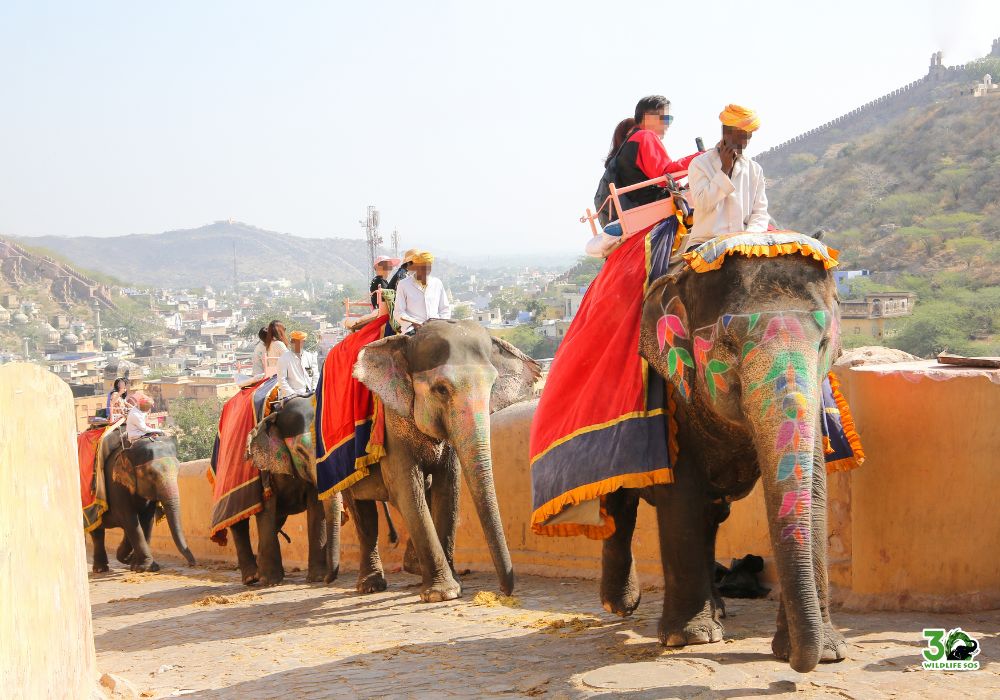
Added to this, exploitative tourism alongside pressing conservation challenges such as habitat loss and human–elephant conflicts in the above-mentioned states have threatened the elephant conservation program.
Although, we observed Save the Elephant Day on April 16, it serves as a crucial reminder of the urgent need for elephant conservation, addressing habitat loss, human–elephant conflict, and the continued exploitation of Asian elephants, particularly within the tourism industry.
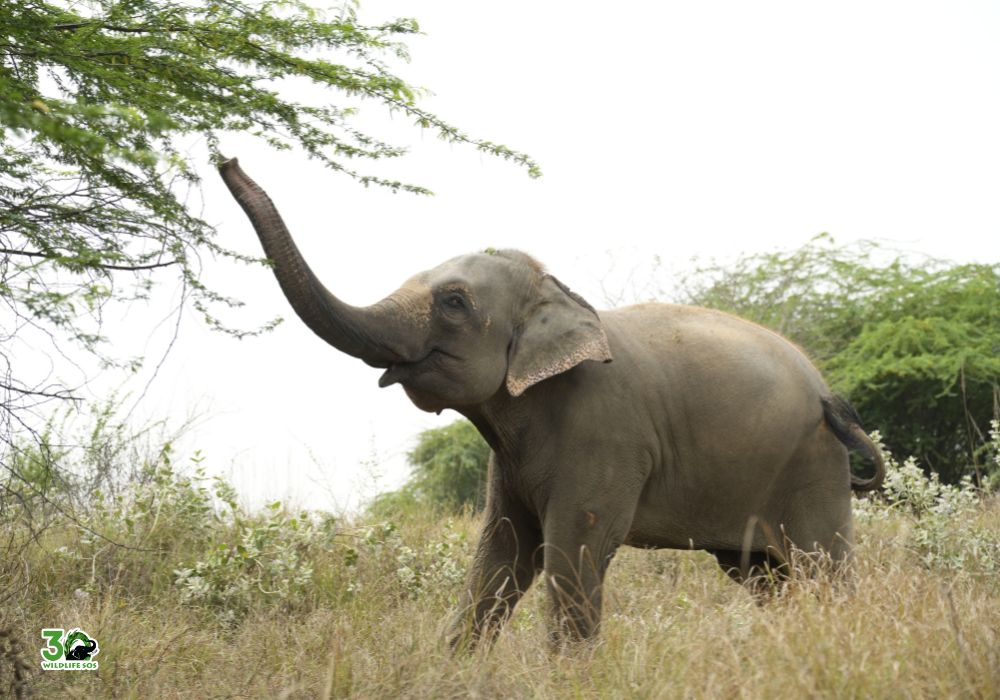
Globally, Save the Elephant Day underscores the importance of safeguarding endangered elephant populations and protecting their natural habitats. In India, where Asian elephants hold ecological and cultural significance, the need for ethical and sustainable conservation practices is the need of the hour and in fact, is all the more critical.
In popular tourist destinations such as Rajasthan, elephants are frequently used to ferry visitors on joyrides, a practice that raises serious welfare concerns. These animals are often subjected to long working hours, inadequate rest and harsh training methods that rely on negative reinforcement through fear and punishment. Prolonged periods of standing on hard surfaces, carrying excessive weight, and exposure to extremely hot weather contribute to chronic health issues, including foot disorders, joint degeneration and stress-related behavioral problems.
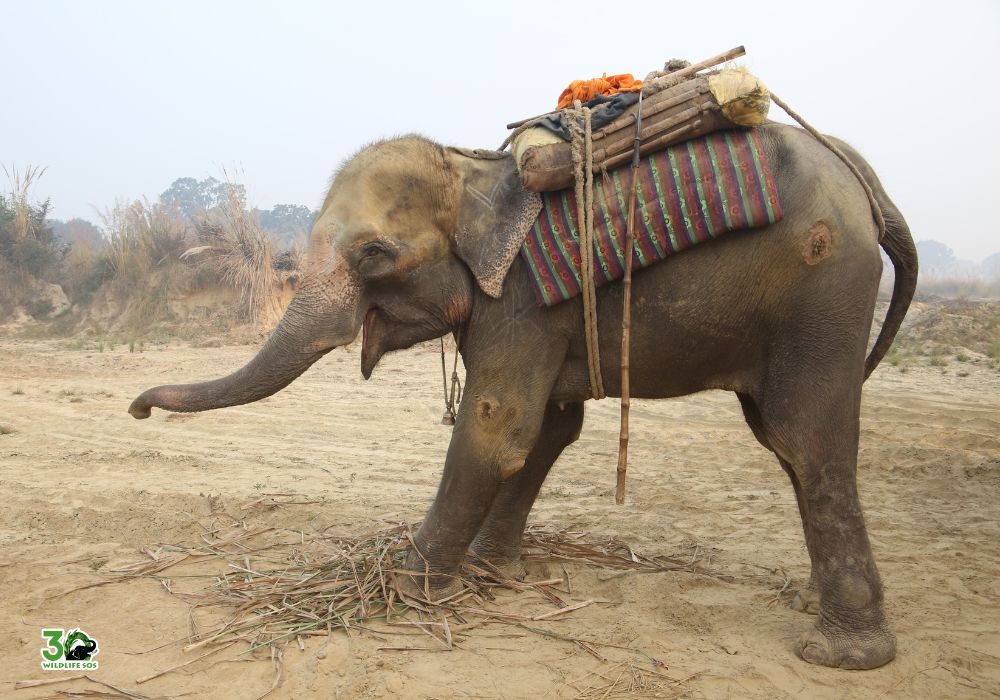
Today, about 300 elephants across India continue to suffer for a variety of reasons ranging from abuse, begging and ceremonial processions for days together.
“Through our Begging Elephant Campaign, we aim to end this cruel practice of ‘begging’ elephants in India by 2030, rescuing abused elephants from urban streets, wedding processions and temples used for begging, providing them long-term medical care and sanctuary,” said Baiju Raj M V, Director of Conservation Projects, Wildlife SOS.
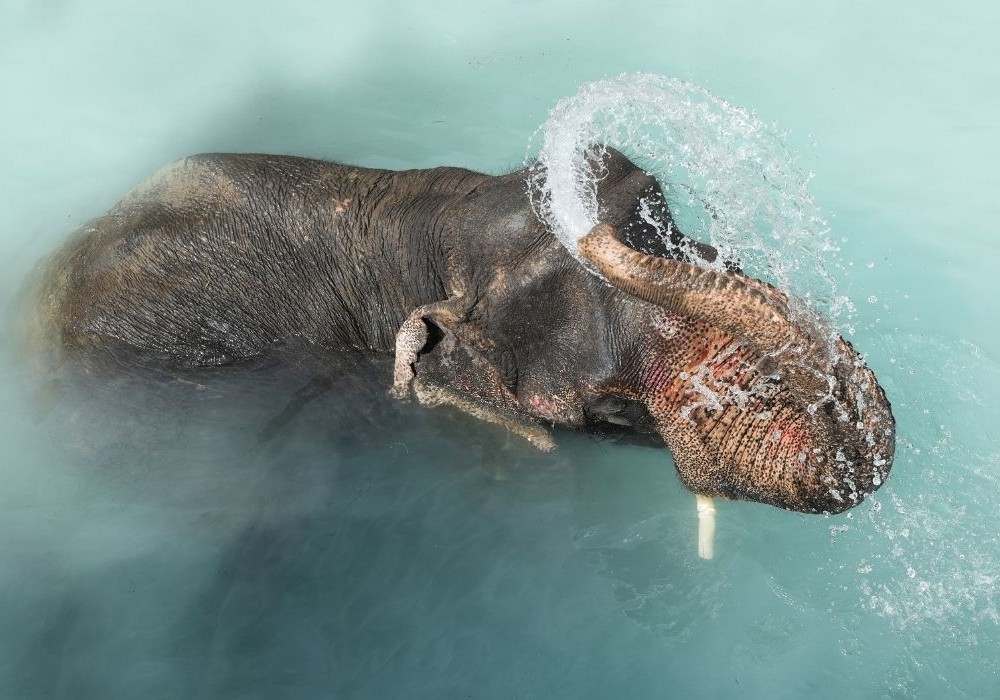
“Elephants are not props, nor are they passive participants in such interactions. They are individuals with complex physical and emotional needs that are never meant for a life of begging, rides or performances. If Chanchal’s story has moved you, then that discomfort must translate into action. It must lead people to stop riding elephants, to walk away from the spectacle, and to recognise the cost behind these experiences,”adds Geeta Seshamani, Co-founder, Wildlife SOS.
The recent death of an elephant named Chanchal (the pink elephant) has again drawn attention to the harsh realities behind such practices. Used for a photoshoot meant for an art project by a Russian artist, where Chanchal was painted entirely pink with a model sitting on her back drew the wrath of conservationists and wildlife activists in the country.
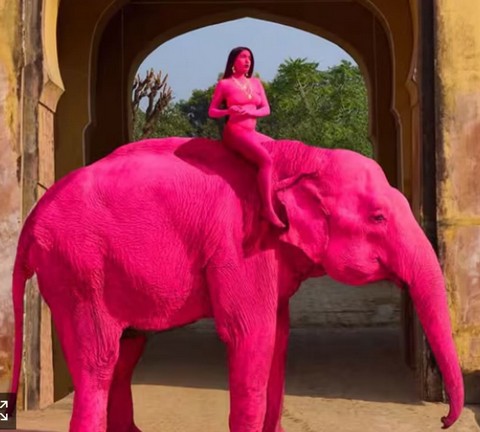
Chanchal’s condition and subsequent death have sparked outrage over stricter enforcement of animal welfare laws. Elephant rides in cities like Jaipur are often framed as “heritage” and “authentic” cultural experiences. But elephants like Chanchal remain part of the tourism economy, walking long hours and carrying people on a heavy saddle under the scorching sun.
To combat such ill-treatment of elephants, Wildlife SOS has rallied against the use of elephants in unethical tourism through its ‘Refuse To Ride’ campaign, encouraging responsible travel that supports ethical conservation and protects elephants in the wild. Responsible tourists who truly care about the future of these majestic beasts must visit refusetoride.org to learn the truth. Sign this petition, 54,201 concerned citizens have already joined the movement. And they say, “Help us reach 75,000 signatures.”
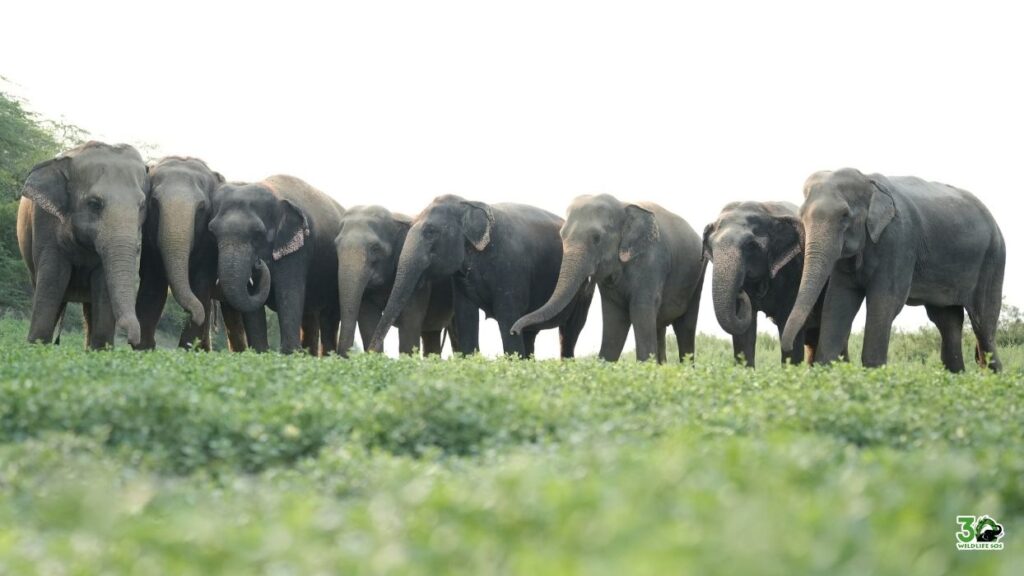
According to Kartick Satyanarayan, CEO, Wildlife SOS, exploitation does not survive in isolation. It survives through demand. By choosing not to participate in elephant rides and similar attractions, individuals can reduce demand. Save the Elephant Day is not just about celebrating these magnificent animals, but also about protecting them from further harm.
Out of the global population of Asian elephants less than 50,000, India hosts nearly 60-65 percent of the world population. However, with forests, grasslands and even protected areas being fragmented and diverted for linear structures, mining, agriculture and developmental projects, the Asian elephant species is in a dire situation. Further, the endangered species having lost their corridors and 95 percent of their home ranges, India is witnessing a severe decline in the Asian Elephant population.
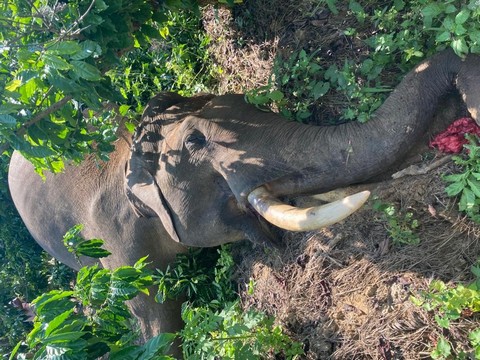
Although, Karnataka is a critical stronghold for the Asian Elephant species in India, there are some critical issues which needs to be addressed to conserve this species in Karnataka.
lssues affecting their conservation are continuing habitat fragmentation, acute human-elephant conflict, electrocutions, revenge killings and infrastructure development like roads, highways, powerlines, transmission lines, tourism projects and other such projects in protected areas, elephant corridors and reserve forests that are threatening the very survival of this species in the state.
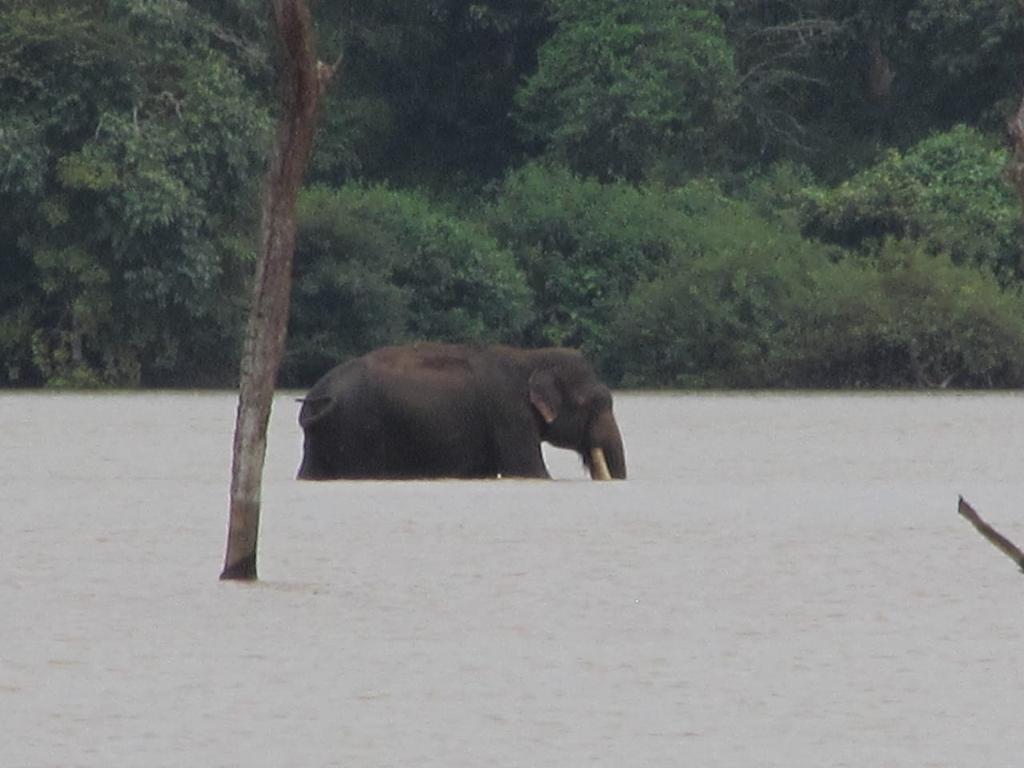
One glaring example being – the construction of Harangi Dam, Hemavathi, Kattepura and other hydel projects led to displacement of hundreds and hundreds of elephants as more than 12,000 hectares of forests were diverted and submerged. Now both the elephants & humans are bearing the consequences the last 45 years – the elephant herds moved to plantation lands in both Kodagu and Hassan districts and finally, leading to acute conflict situation where both elephants and humans have died in large numbers the last four decades.
Despite the formation of elephant camps, the problem remains totally unresolved as this is not a solution. Further, in Hettur hobli in Sakleshpur taluk, thousands of farmers have been waiting for decades to move out of their farming lands as the jumbos are now residing in their lands. But the state and central governments have sat mum and done nothing for farmers who are willing to quit their lands for elephants.
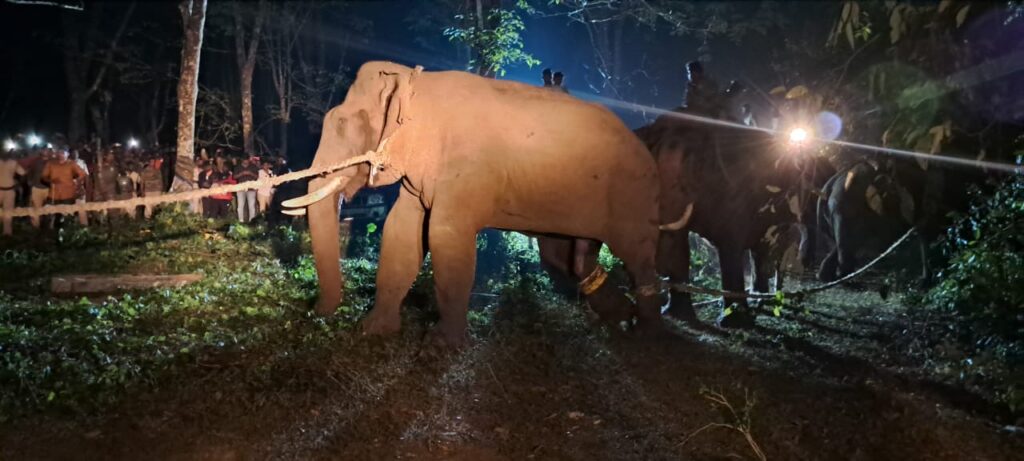
Till this date, the conflict continues – with the elephants and humans caught in a vicious web of survival while the conflict escalates with no solution in sight for the elephantine problem.
(PHOTO CREDIT: ALL IMAGES OF WILD ELEPHANTS BY MEERA BHARDWAJ, THE REST OF THE PHOTOS COURTESY: WILDLIFE SOS, KARNATAKA FOREST DEPARTMENT & PETA INDIA)