
GREEN MINUTE NEWS:
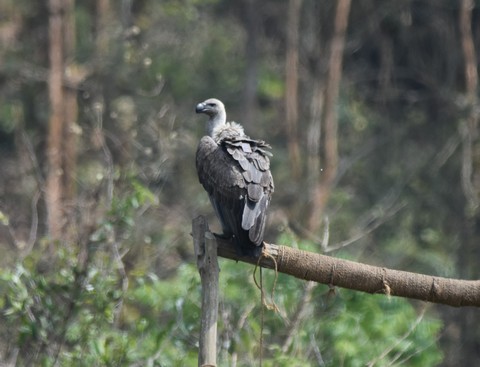
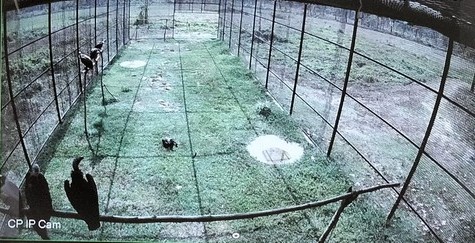
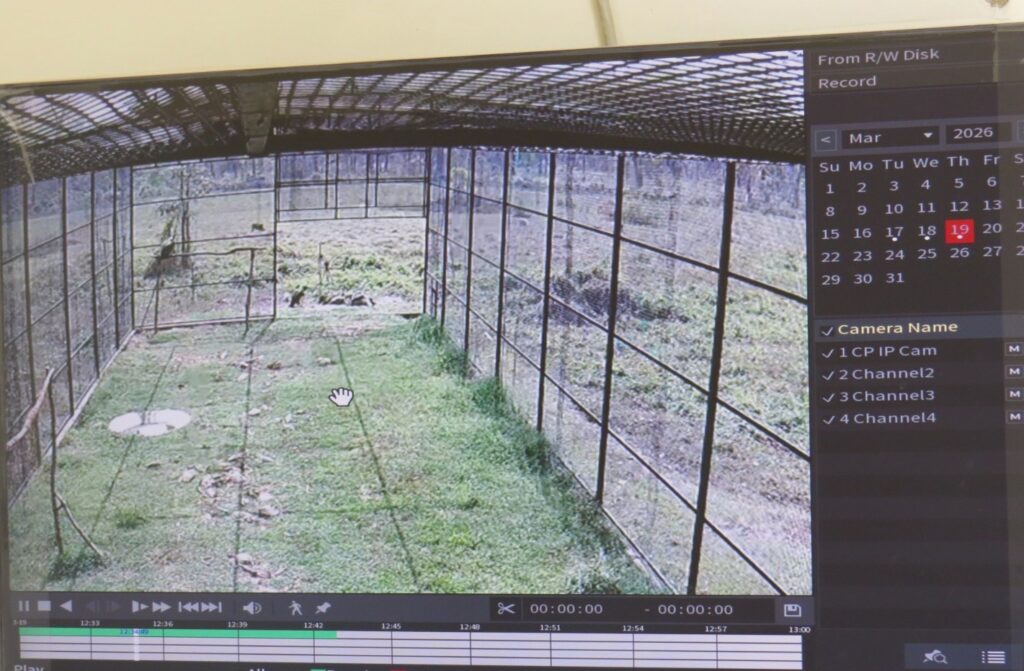
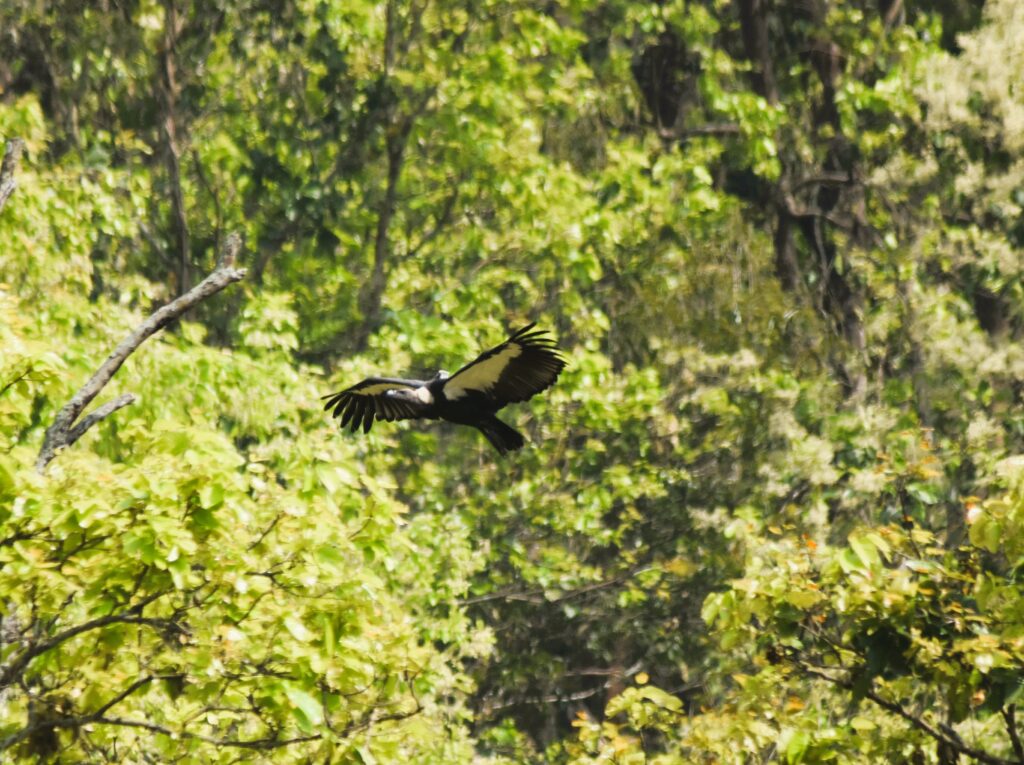
In a fillip to the “save vulture conservation program” in India, six white-rumped vultures were released recently as a pilot project by the Assam State Forest Department. As part of recovery of vulture population in India, the captive-bred white rumped vultures were released at the Vulture Reintroduction Aviary, Rani Range, near Guwahati Kamrup district in Assam, India.
The release of captive-bred vultures on March 19, 2026 marks an important step towards the recovery of vultures in India which have been decimated across Asia by the indiscriminate usage of veterinary drugs that are toxic to vultures when they fed on cattle and finally, led to almost extinction levels in India.
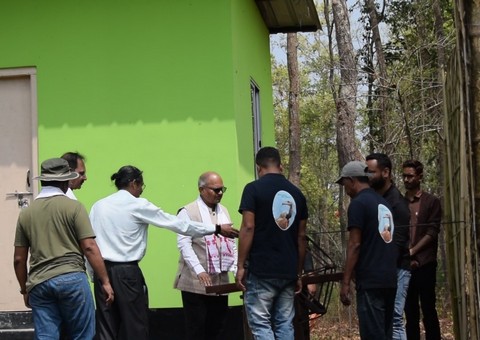
All the six Critically Endangered white rumped vultures have all been tagged with GPS/satellite transmitters for intensive monitoring before their release in the wild.
Four more wild vultures that have been successfully rehabilitated by the Bombay Natural History Society (BNHS) vulture team have also been fitted with transmitters. They are being released with the captive-bred vultures – so in all, 10 vultures were released in total.
ASSAM SHOWS THE WAY
Dr Gupta, Chief Wildlife Warden, Assam stated “We are proud that Assam has made important progress in removing toxic veterinary drugs, and further, we are closer to knowing that the environment is really safe for these important environmental cleaners.”
Saving Asia’s Vulture from Extinction (SAVE) Chair Jemima Parry-Jones said “Thanks to the foresight of Assam and the key support of the Royal Society for the Protection of Birds (RSPB), we are moving in the right direction, with lower veterinary use of the toxic painkillers, and we are moving closer towards declaring a truly ‘Vulture Safe Zone’ once we have more information.
In fact, Assam has displayed (through undercover pharmacy surveys) to have low levels of toxic veterinary drugs, although there was an increasing availability of the toxic drug nimesulide.
However, this, along with other drugs like aceclofenac and ketoprofen, have recently been banned by the Centre. It is hoped that the environment will be fully safe once these bans have taken full effect.
TOXIC VETERINARY DRUGS
It is well established that toxic veterinary drugs used as painkillers in cattle can very quickly wipe out vulture populations, and the Assam Forest Department project, managed by BNHS, has been collecting cattle carcass samples to confirm that no toxic drugs remain in use.
Further, it has been shown (Green et al 2004) that fewer than one percent of cattle carcasses containing a lethal level of diclofenac was enough to explain the catastrophic vulture declines in India from the mid-1990s-early 2000s.
Therefore, a target of collecting and analysing 800 samples has been suggested to statistically give an acceptable level of confidence that no diclofenac is present in vulture food.
At present, 150 samples have been analysed – and found to be toxic-NSAID-free – with a further 650 to be collected within a 100 km radius of the release site. If these also prove to be free of vulture-toxic NSAIDs, this will allow further releases of vultures to proceed on a larger scale in Assam.
CONTINUOUS MONITORING BY BNHS
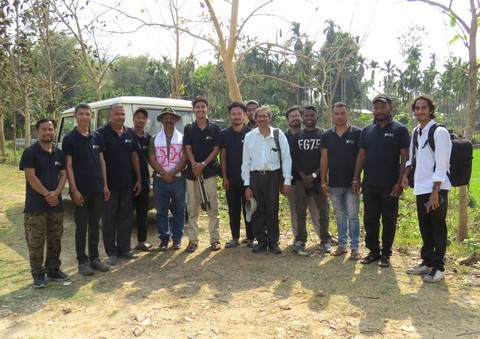
BNHS centre manager Dr Sachin Ranade said, “Our team will be constantly monitoring the movements of the white rumped vultures to check for any issues, and we will be ready to intervene if needed or to determine the cause of any problems that occur.”
Kishor Rithe, Director of BNHS said “Getting the veterinary community and local farmers fully aware that meloxicam and tolfenamic acid are readily available and affordable safe options is something that is still in need of more effort, but the excellent work of the BNHS team with Assam Forest Department backing has made major progress here in Assam.”
HUGE SUPPORT FOR CAPTIVE BRED VULTURES
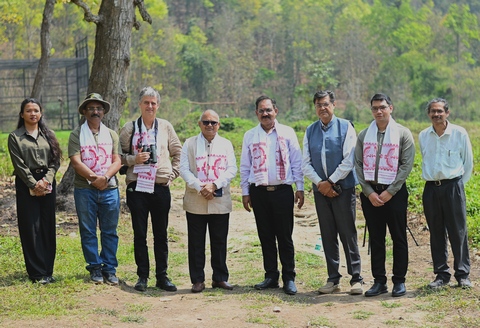
Chris Bowden, Vulture Programme Manager, RSPB said, “It has been a long journey to determine and address the main threat of toxic veterinary drugs, and to also address other threats including accidental poisoning of vultures through poison baits set for large carnivores or rogue dogs.”
Bowden further adds, “The huge efforts, we have supported in maintaining and breeding safety-net captive populations of White-rumped and Slender-billed Vultures has been vitally important and this will allow for further releases once these problems have been removed. Efforts are needed to ensure and check the environment is safe enough for more such releases of vultures, and that the birds flourish in the wild.”
The six captive-bred vultures that were released all fledged from the nearby Rani Vulture Conservation Breeding Centre that is managed by BNHS.
Funds have been provided by the RSPB and the Assam Forest Department. Additional funding for tagging wild vultures was received from Centre for Wildlife Studies while feeding costs was provided by Adani.
(PHOTO CREDIT: ALL IMAGES PROVIDED BY CHRIS BOWDEN, RSPB AND BNHS, ASSAM)