
GREEN MINUTE NEWS:
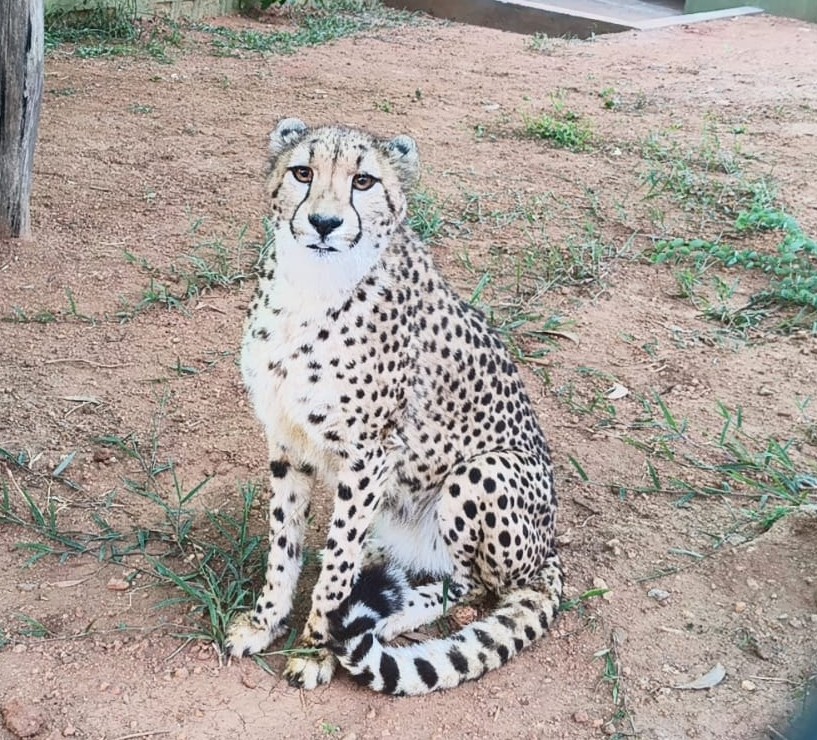
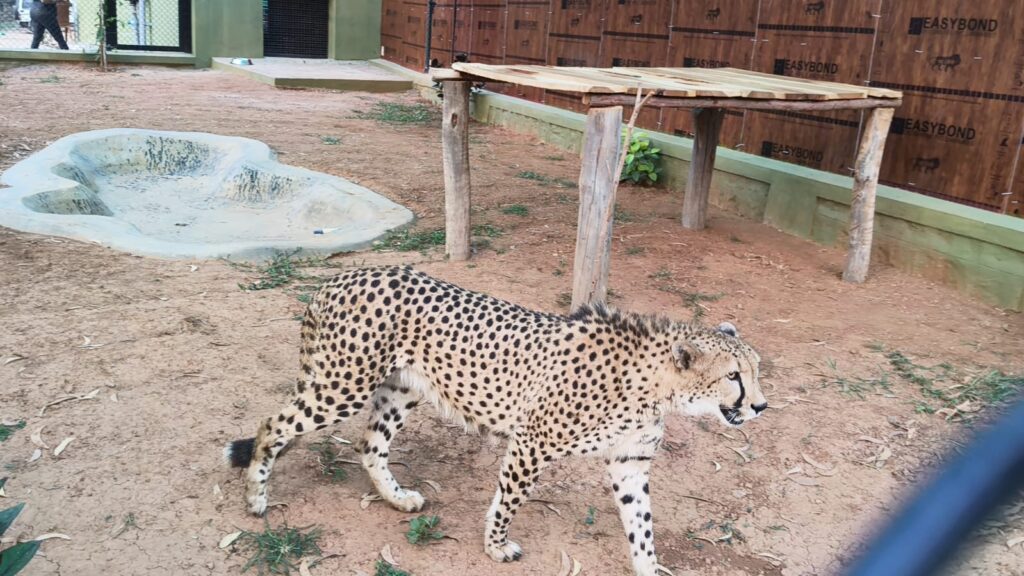
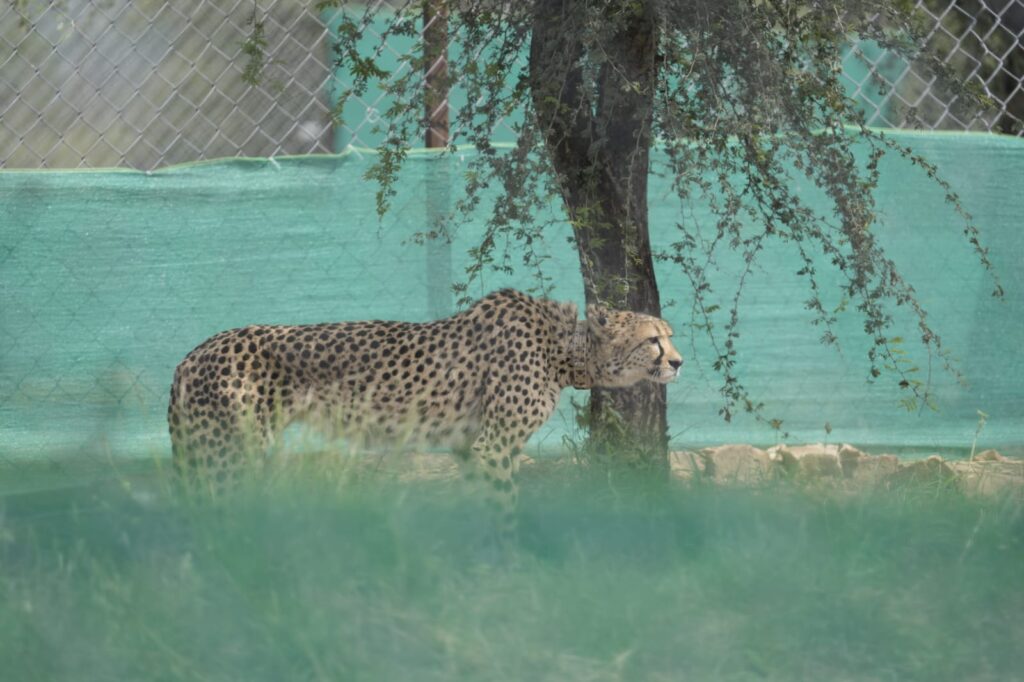
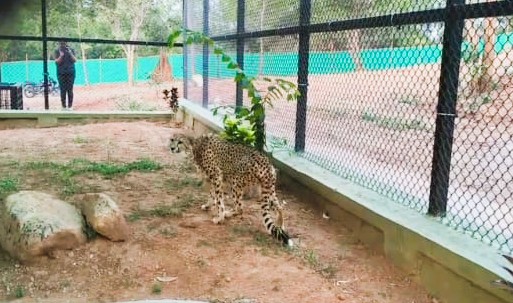
Four Cheetahs from South Africa arrived in Bengaluru on April 18 at the Kempegowda International Airport. They will be housed in the Bannerghatta Biological Park – also known as the Bannerghatta Zoo.
The Bannerghatta Zoo along with a grand safari for tigers, lions, and sloth bears – is also known for display of a variety of species including birds from other parts of the world.
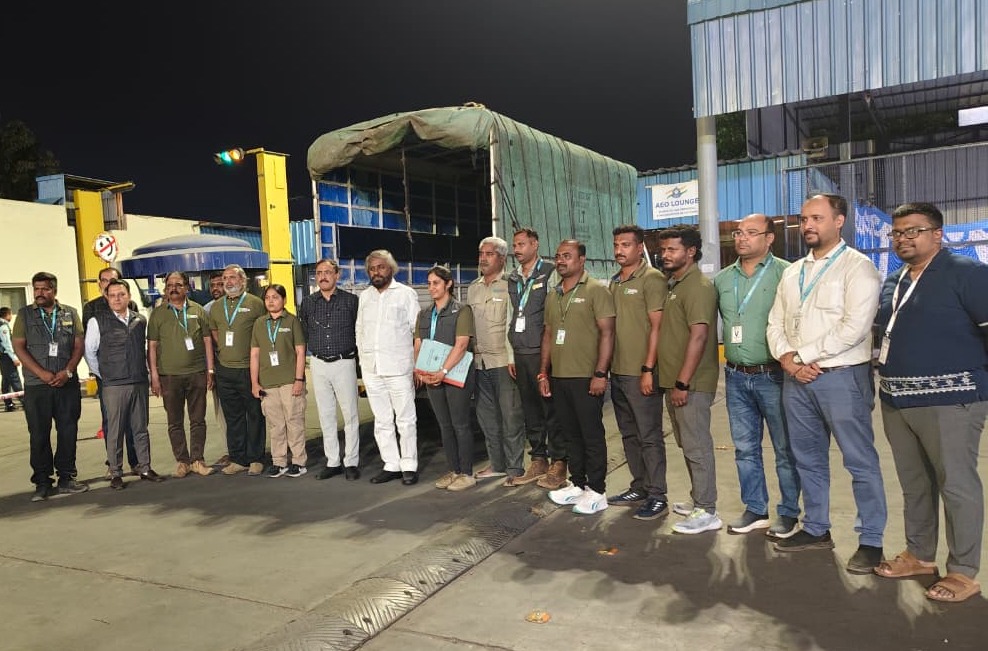
The cheetahs were received by the Forest, Ecology and Environment Minister Eshwar B Khandre and were later transported to the Bannerghatta Zoo on the outskirts of the city.
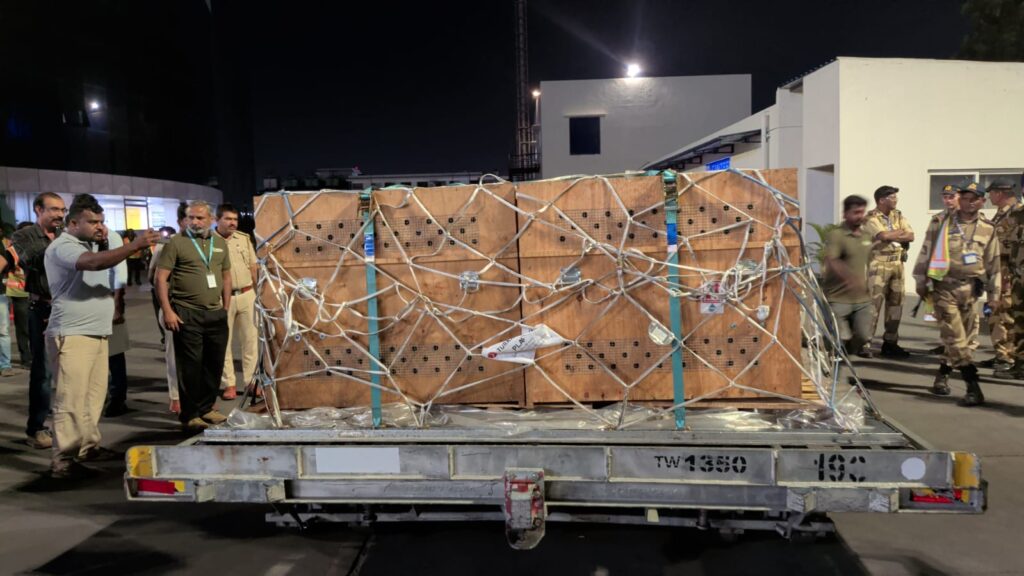
The Forest Minister instructed officials and veterinary doctors to ensure that the cheetahs do not face any difficulty or health problems.
The four cheetahs after undergoing a long air journey from South Africa will need more than a month’s time to adjust due to the changes in their surroundings and climate.
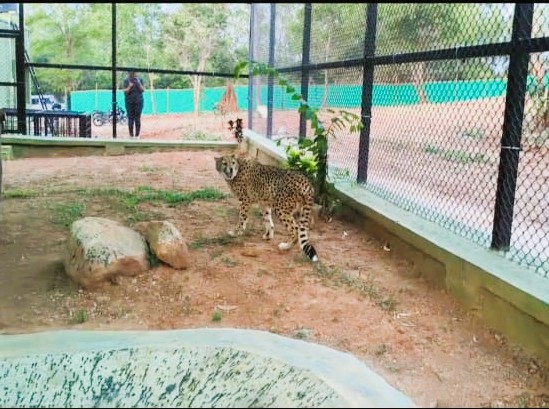
MANDATORY QUARANTINE FOR 30 DAYS
The four cheetahs will be kept in mandatory quarantine for 30 days and will also be provided a prescribed diet the following days.
Veterinary doctors and experts will examine the cheetahs for any possible infections or any other health issues sustained during the long journey before they are assimilated to be displayed at the Bannerghatta Zoo.
Now what are the difficulties that the cheetahs will face in India for acclimatization from their home range in South Africa. The difficulties include – climatic differences, environmental stress, lack of space, parasitic infections and other health complications, as also high humidity and heavy monsoons.
INTERNATIONAL EXCHANGE PROGRAM
Under the International Animal Exchange Program, these cheetahs were brought from South Africa. Earlier, four Asian Elephants – three females and one tusker were sent to Himeji Safari Park, Hyoga, Japan last July. Karnataka and Japan have signed an MOU under the International animal exchange program and in turn, Japan has sent chimpanzees and other animals for display in Karnataka’s zoos.
The state is set to get other species like Puma, Jaguars, Capuchin monkeys and other exotic species in the coming future. Karnataka, specifically through the Bannerghatta Zoo, is actively engaged in international animal exchange program to increase the species diversity of its exhibits at the Bannerghatta Biological Park.
PROJECT CHEETAH
Cheetahs have generated a lot after attention and interest after the Project Cheetah program in India. After the introduction of cheetahs in the Kuno National Park, Madhya Pradesh in September 2022, now 48 plus cheetahs (till April 18, 2026) are thriving including Indian born cubs. Kuno has cheetahs introduced from Namibia, South Africa and Botswana.
After initial setbacks, the cheetah re-introduction program in India has gained momentum with 29 cubs born in India. Further, after Kuno, another protected area is being developed as a second home for wild cheetahs at the Gandhi Sagar Sanctuary in MP bordering Rajasthan. The Project Cheetah program in India is considered as one of the first inter-continental translocation of big carnivores from Africa to Asia.
CHEETAH IS “SHIVANGI” IN KANNADA
At one time, cheetahs, locally known as Shivangi, were found in the forests of Karnataka. Many people tend to get confused and refer CHIRATE as cheetah which is not true. However, shivangi has now disappeared from the state’s forests. Therefore, people should at least have an opportunity to see the shivangi in zoos, said Eshwar Khandre.
With this in mind, the Forest Minister has instructed Zoo Authority of Karnataka Member Secretary Sunil Panwar to give top priority to the four cheetah’s health and safety.
Cheetahs are known to be one of the most fragile animals amongst the big cats. With slender lightweight frame, they are delicately built and are known to be very timid and run away from any fights with other animals in the wild.