
GREEN MINUTE NEWS:
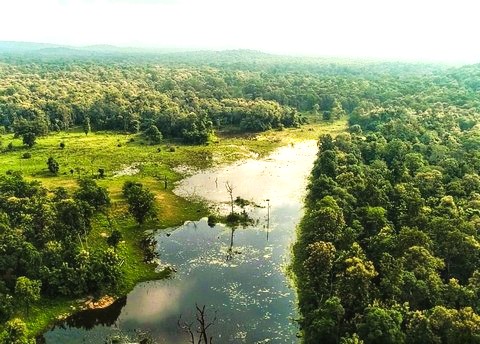
A new scientific study estimates that Kawal Tiger Reserve in Telangana, India has adequate prey availability in its core area for supporting over 35 tigers. However, the study finds that prey recovery alone is not the only barrier to tiger recovery in Kawal Tiger Reserve as weak corridor connectivity and human-wildlife conflict are the critical limiting factors in this tiger reserve.
Despite being designated a tiger reserve in 2012, Kawal Tiger Reserve in Telangana currently has no resident breeding tiger population.
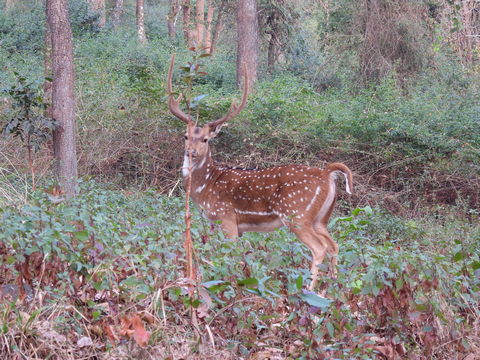
Using 28 line transects, each four-km-long, surveyed seven times between 2010 and 2022, the study by Centre for Wildlife Studies and the Hyderabad Tiger Conservation Society estimates the density of five principal tiger prey species – chital, sambar, nilgai, Chou Singha (four-horned antelope), and wild pig.
SUFFICIENT PREY DENSITY
A new study titled “Could prey support the recovery of a tiger population? Long-term prey density and carrying capacity assessment of a tiger reserve in India,” published in Oryx – The International Journal of Conservation on 23rd April 2026, finds that Kawal Tiger Reserve in Telangana, India, holds sufficient prey to support over 35 tigers, but restoring tigers to the reserve will require addressing connectivity and human-wildlife conflict as much as ecological recovery.
Over the past decade, 15 tigers have dispersed into the reserve in Telangana from a nearby source population in Maharashtra. But, only two of these were females, making the establishment of a breeding population extremely unlikely without intervention.
DENISTY TRENDS OF FIVE PREY SPECIES
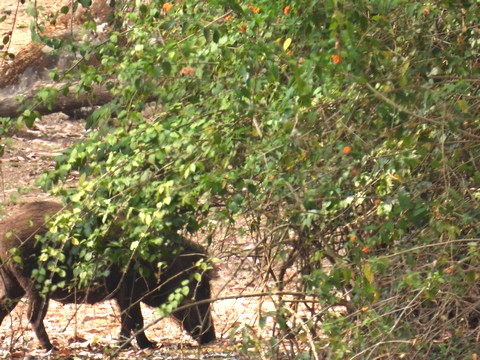
Using long-term distance sampling data collected across seven survey occasions between 2010 and 2022, the researchers tracked the density trends of five prey species. Chital populations increased over this period, while sambar, nilgai, and Chou Singha remained stable, while wild pig populations fluctuated. Applying prey abundance and prey biomass models, the researchers estimated that the tiger reserve’s core area could support approximately 35 to 41 tigers based on current prey availability.
Imran Siddiqui, lead author of this study says, “Protection on paper does not guarantee ecological recovery. For landscapes like Kawal TR, success hinges on restoring functional prey bases, securing connectivity for dispersing tigers, and building trust and co-existence with local communities, who ultimately determine the future of wildlife.”
FRAGMENTED LANDSCAPE OF KAWAL
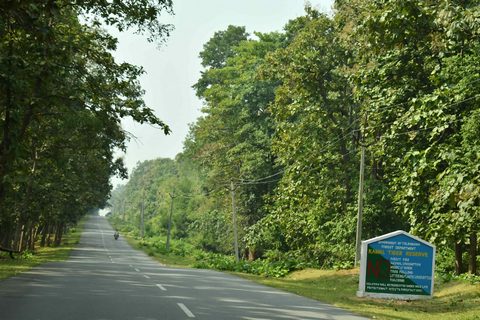
The study identifies fragmented landscapes, highways, railway networks, open-cast mines, and dense human settlements as key barriers to tiger movement between Kawal and neighbouring source populations such as Tadoba-Andhari Tiger Reserve in Maharashtra.
Preliminary tiger monitoring data from 2019 to 2025 suggests tigers are moving towards Kawal through multiple corridors, but dispersal is frequently hindered by infrastructure and human-wildlife conflict. Researchers recommend corridors, particularly through Kagaznagar Forest Division, be equipped with wildlife overpasses or underpasses to facilitate tiger movement.
NEED FOR COMMUNITY INVOLVEMENT
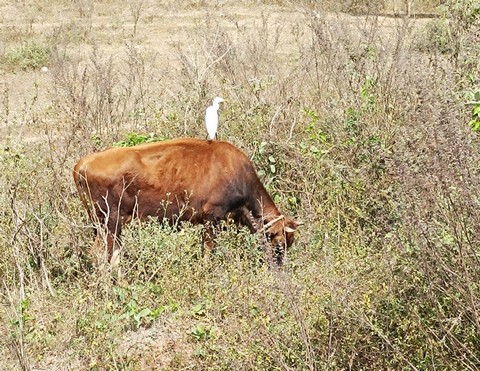
Apart from this, the study also highlights the importance of community involvement in conservation. Approximately 30 villages within Kawal’s core area depend on forest resources, and issues such as livestock grazing, free-ranging dogs, and snaring pose ongoing threats to wildlife recovery.
The study stresses integrating community needs through revenue sharing, alternative livelihoods, and timely compensation for wildlife damages is essential for long-term conservation success.
UNDER NTCA GUIDANCE
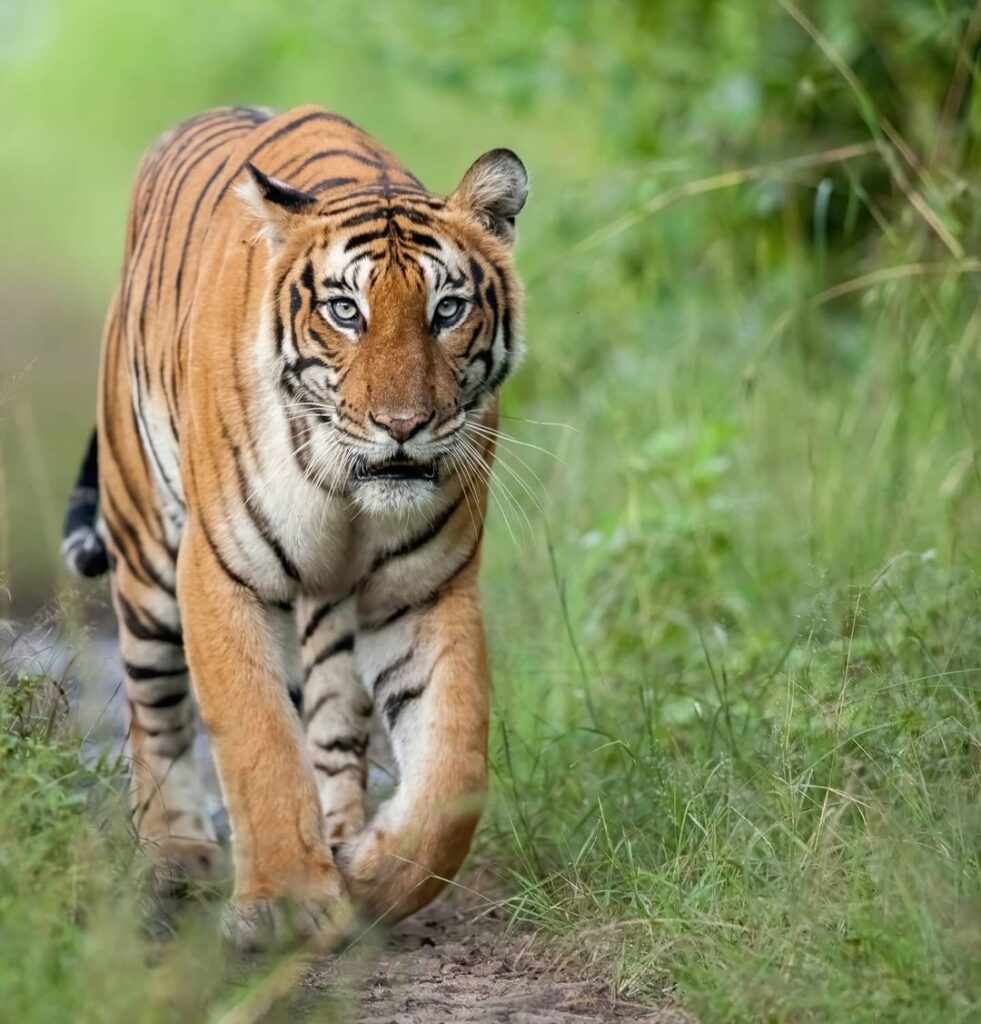
To achieve a target of 30-35 tigers in Kawal, the researchers say that assisted dispersal of tigers, particularly females, under the guidance of the National Tiger Conservation Authority (NTCA) may be necessary, alongside sustained long-term prey monitoring as a key ecological indicator for adaptive management.
This study was led by Imran Siddiqui (Centre for Wildlife Studies and co-authored by Nilanjan Basu (Hyderabad Tiger Conservation Society), Dr Kathan Bandyopadhyay (Haub School of Environment and Natural Resources, University of Wyoming), Dr John L Koprowski (School of Natural Resources and the Environment, University of Arizona), and Dr Venkatesh Angandhula (Hyderabad Tiger Conservation Society).