
Shankar Sharma:
The ongoing saga of numerous Data Centres being planned in India, including many in the State of Karnataka, raises multiple and serious concerns as they are heavy power and water guzzlers. India has currently about 150-300 operational data centers.
Bengaluru alone has 31 Data Centers and they are located in the water stressed areas of the eastern and south eastern parts of the city. They are already consuming three percent of the total water supply of Bengaluru
However, this depends on the minimum size and classification criteria used. According to industry aggregators like Datacentermap list, there are about 300 facilities across 34 markets, while operational databases like Cloudscene generally track around 150 commercial sites in the country.
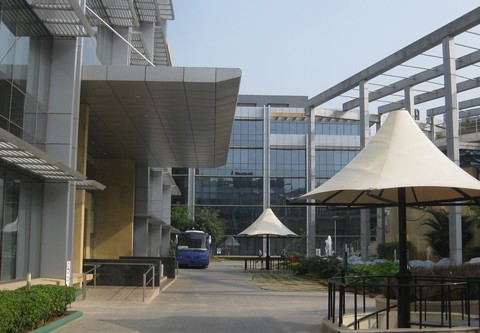
Data center capacity is heavily concentrated in major metropolitan hubs like Mumbai, Bengaluru, Chennai, Delhi and Hyderabad due to access to submarine cable landing stations, reliable power grids, and enterprise demand. A major center for software and IT, Bengaluru has around 21 to 31 operational data centers.
The issues such as massive additional demand for electricity and water, the associated impacts on our natural resources, resultant lobbying for additional nuclear power reactors, societal level concerns because of economic impacts etc. cannot be ignored by the civil society groups.
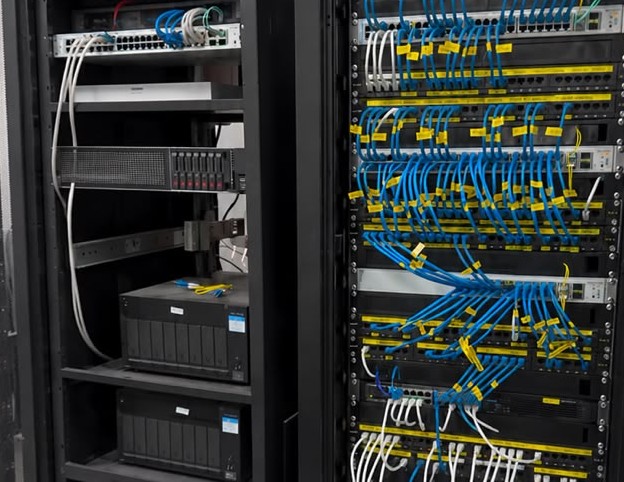
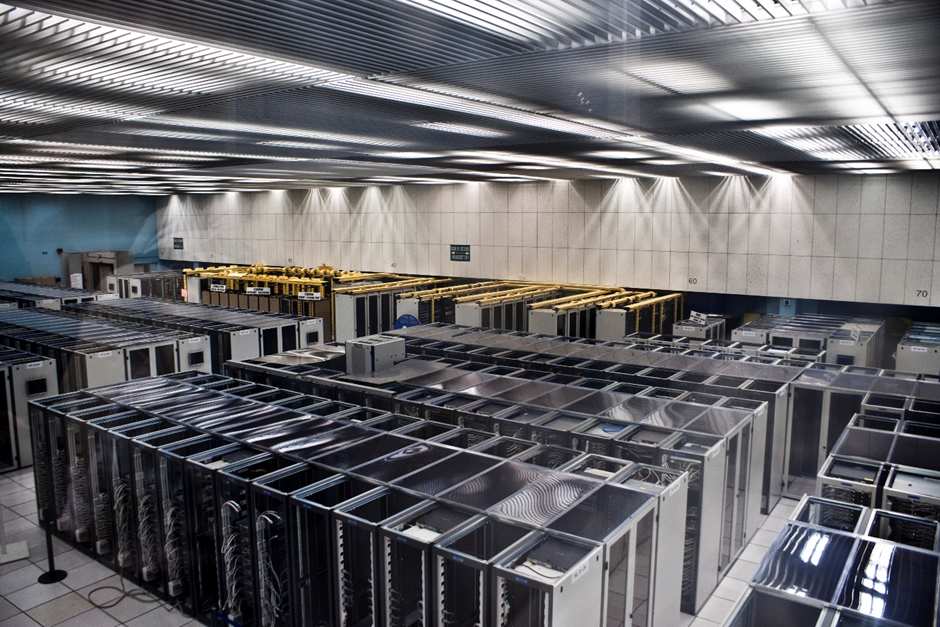
A data center is a physical facility that centralizes an organization’s shared IT operations and equipment. They are designed to house, power, and connect vast arrays of computer servers, data storage drives, and networking equipment used to collect, process, store, and distribute digital information.
In fact, we need to engage with the policy/ decision makers to ensure that all the associated policies/ practices are of lowest overall cost to the society, sustainable/ green, and in effective consultation with the people of the state. A few, recent reports in the media indicate the serious threats ahead of us.
It should be a serious concern to our people, that Karnataka cabinet, on July 17, 2025, has given in-principal nod to set up an additional nuclear power plant by NTPC. And, this is despite witnessing massive costs/ risks associated with one large size nuclear power plant (6 reactors; 4 operating PLUS 2 under construction) with a total capacity of 2,280 MW at Kaiga, Uttara Kannada district.
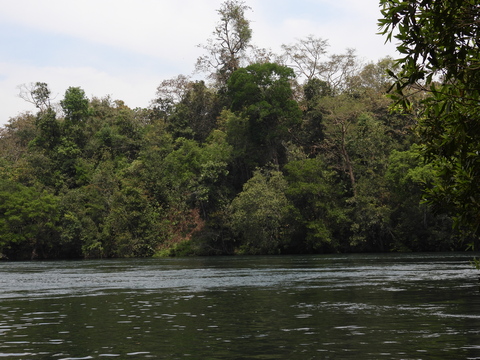
Karnataka being already a fresh water stressed state, and facing multiple issues associated with the Climate Change phenomenon, there should have been effective and widespread consultation with the public, before deciding on such a far-reaching and high impact power project.
In the context of a list of more than 25 high impact projects in the planning/ execution stage, this thereby threatens both water and biodiversity security.
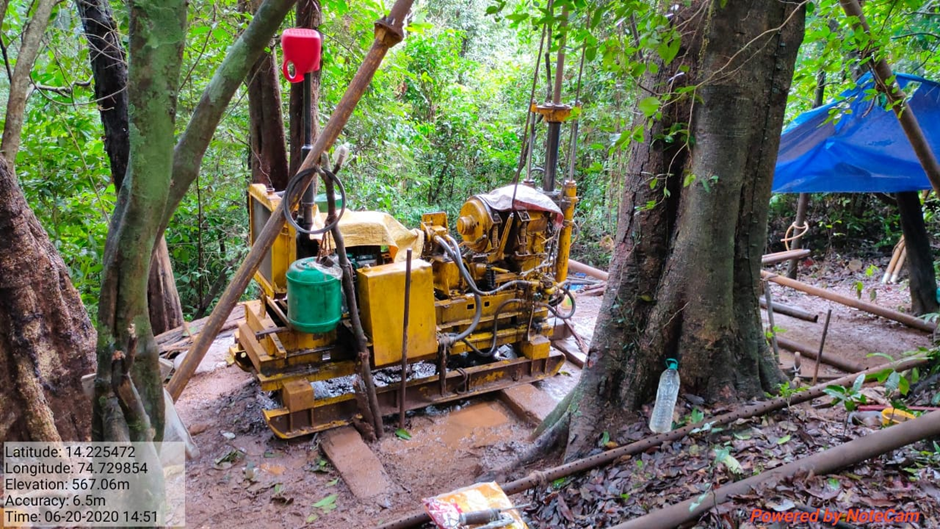
The ongoing irrational decisions by the central government to set up includes:
- Multiple pumped storage plants
- Power transmission lines
- Numerous data centres
- Nuclear power reactors (to meet power demand of Data centres)
- AI systems,
- Space cooling applications,
- EVs etc.
This should have been diligently discussed at the societal level, and the state government should be advised accordingly.
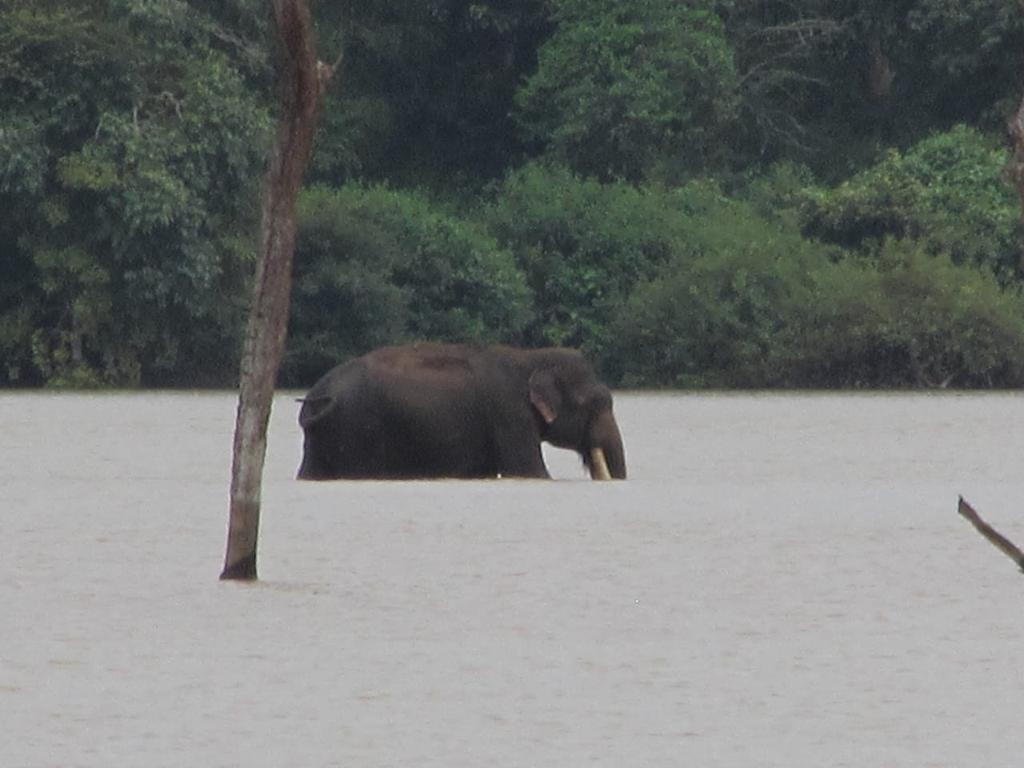
POWER, WATER DEMANDS OF DATA CENTERS
The associated issues, such as how much electricity and water, in what form/source should be supplied by whom to these Data Centres, the associated social and environmental implications, the associated policies etc. should be deliberated on in civil society groups and at the appropriate levels of the state govt. with the active participation by the interested public.
Holding one or more workshops/ discussions alone by civil society groups may not lead to rational policy decisions; but multiple discussions on these issues with the concerned officials/ ministers of the state government is not only necessary but also required.
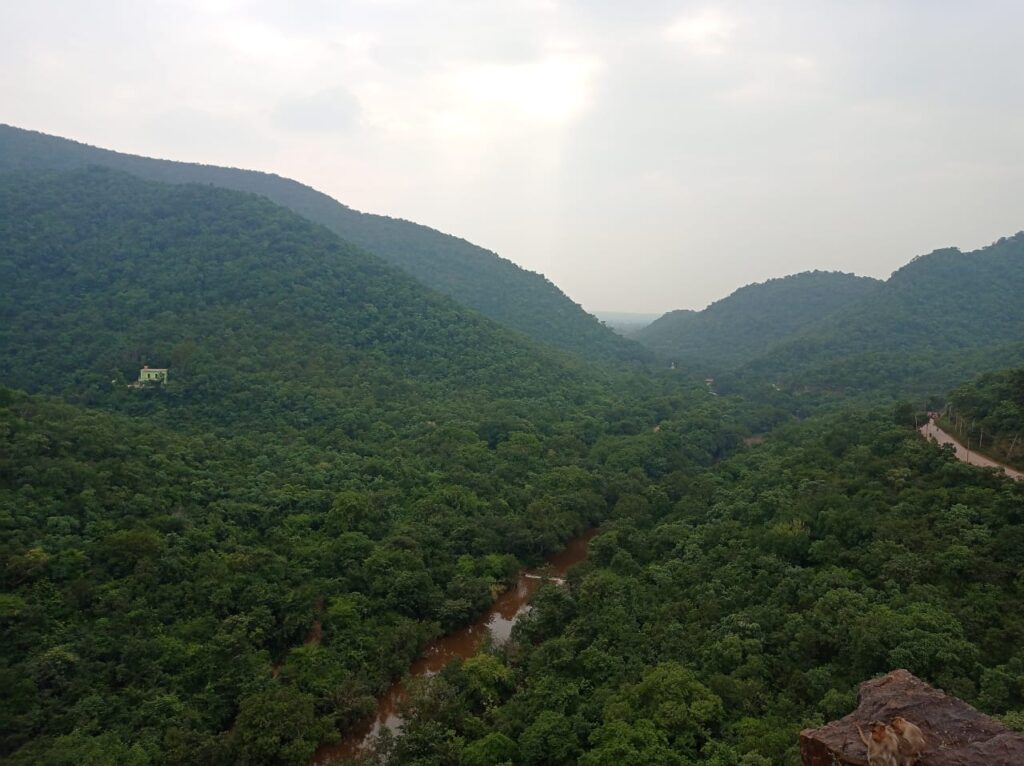
KARNATAKA FOREST AREA ONLY 22 PERCENT
When we objectively consider the geographical limitations of Karnataka state, such as having only about 22 percent of its land area covered by forests & trees, as against the National Forest Policy target of 33 percent and seriously stressed fresh water resources, it should become abundantly clear that a lot more responsible and careful approach has become critical in harnessing our natural resources.
Massive increase in electricity demand projected due to vast increase in various industrial and commercial activities, has necessitated a lot more care in approving most of such additional demand applications by the industry.
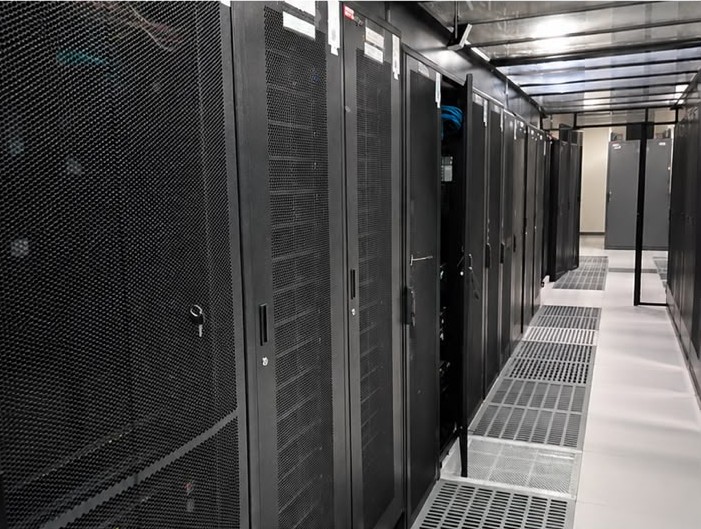
30 OPERATIONAL DATA CENTERS IN BENGALURU
As of early 2026, Karnataka is reported to have over 30 operational data centres with a total electricity demand of about 100 MW.
Reports also indicate that “Data centers in Karnataka, particularly in Bengaluru, face severe scrutiny over high water consumption for cooling, with a 1 MW facility requiring roughly 68,500 litres daily.
As of early 2026, over 30 data centers operate alone in Bengaluru, exacerbating a 775 MLD (million litres per day) water shortage. Further, AI growth is intensifying this demand, raising concerns about sustainability.”
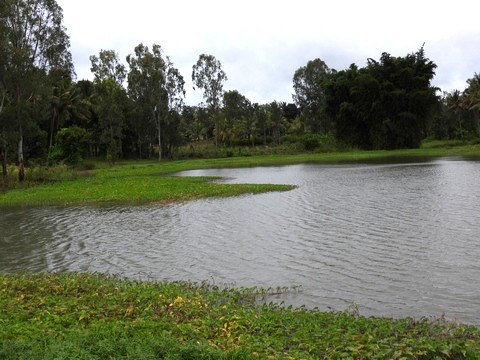
“A 1 MW data center consumes approximately 68,500 litres of water daily, with a 20 MW facility potentially requiring 1.4 million litres daily, equivalent to 27,000 households.
‘A single 1 MW data center can consume over 26 million litres per year. 31 out of 32 of Karnataka’s data centers are in Bengaluru.” With expansion of Data Centers in Bengaluru, the city will face a severe water and power crises in the future.
(THE AUTHOR IS A POWER AND CLIMATE POLICY ANALYST FROM SAGAR, KARNATAKA)
(PHOTO CREDIT: IMAGES 2 & 3 ARE FROM WIKIMEDIA COMMONS, THE REST ARE FROM DIFFERENT SOURCES)