
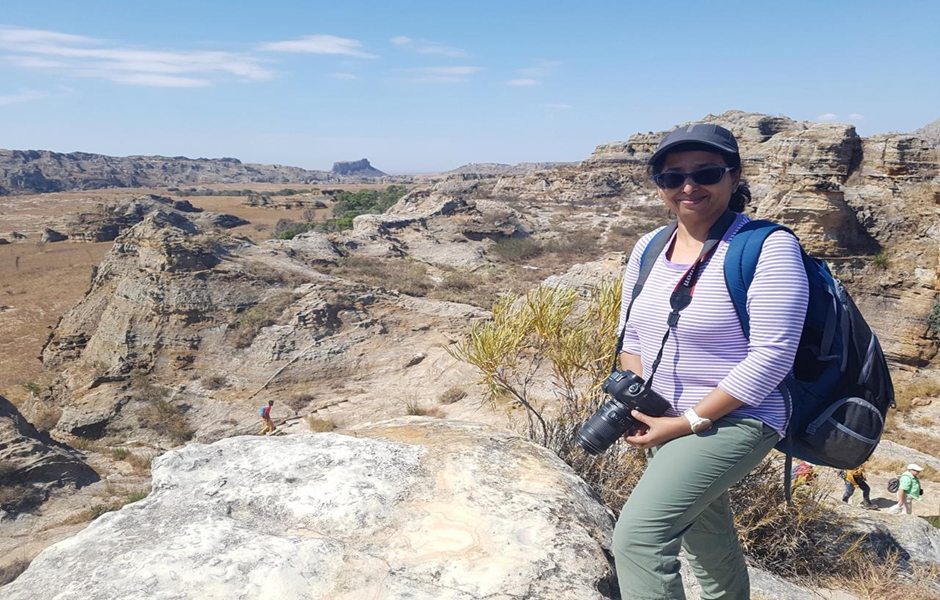
Dr Gowri J Murthy is a wildlife photographer but committed to ethics of capturing pictures without disturbing any wildlife and respecting all lifeforms in their habitat. She is a Senior Consultant, Glaucoma Services, Prabha Eye Clinic and Research Centre, Vittala International Institute of Ophthalmology, Bengaluru.
Despite a demanding medical career, she has nurtured a deep interest in wildlife photography and conservation, showing how doctors and busy professionals can still contribute meaningfully to nature through sensitivity, discipline, and ethical storytelling.
She is in conversation with R S Tejus of Green Minute News and speaks about wildlife photography, social media, ethical tourism, and why conservation must begin with respect for nature.
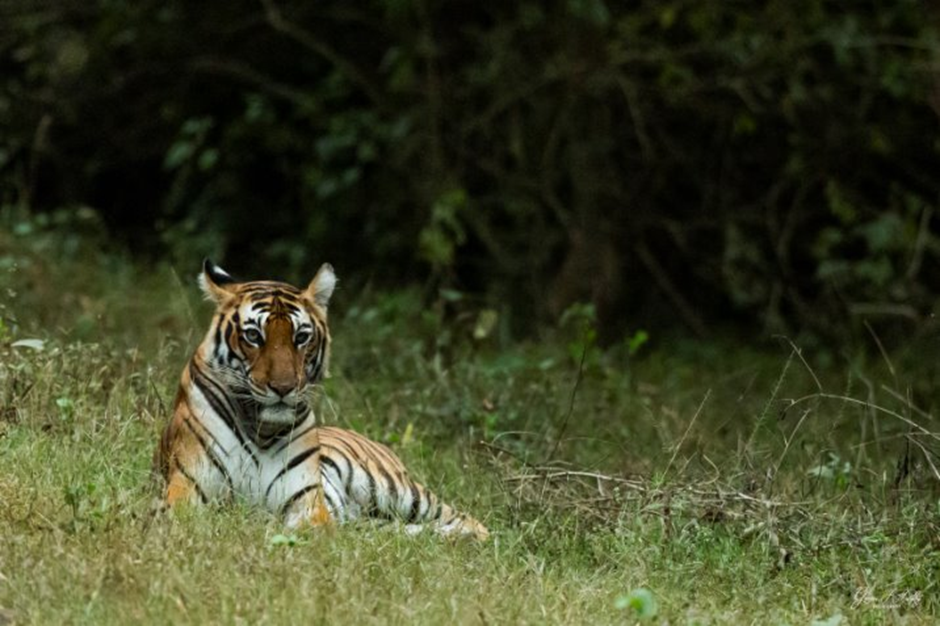
For Dr Gowri, there was no single moment that drew her towards the wild. She believes that every moment in the forest changes our perspective. Every sight, sound, silence, leaf, tree, bird, animal, and movement in the wild reminds us how small and insignificant we are in the larger order of nature. The forest humbles us. It teaches us that human beings are only a tiny part of a much larger, older, and wiser system.
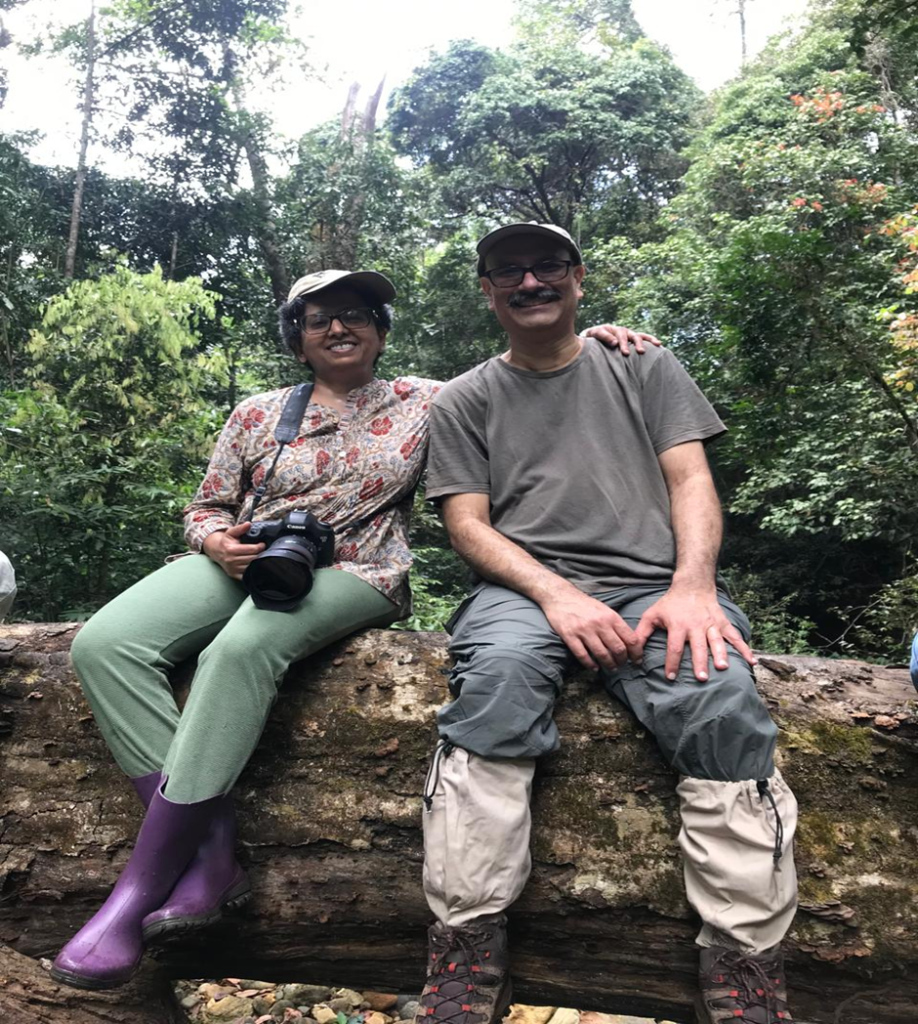
Her journey into wildlife and conservation was also shaped by her husband, Dr Praveen, who had been influenced by the legendary K.M. Chinnappa. Initially, she found him brash, but over time, she understood that his anger came from deep anguish over what was happening to forests, wildlife, and conservation ethics. His unswerving commitment to wildlife protection became a guiding force for her.
1. What drew you towards wildlife, forests, and photography despite your demanding life as a doctor?
For me, wildlife and forests became a way to reconnect with something larger than everyday life. As doctors, our schedules are demanding, and we are constantly surrounded by human suffering, healing, and responsibility. The forest offers a different kind of silence and clarity.
My interest in wildlife deepened through my husband, Dr. Praveen, and through the influence of K.M. Chinnappa Sir. His thoughts made me understand that forests are not just beautiful places to visit or photograph. They are living systems that need respect, discipline, and protection. Photography became a way for me to observe nature more closely and build a deeper relationship with it.
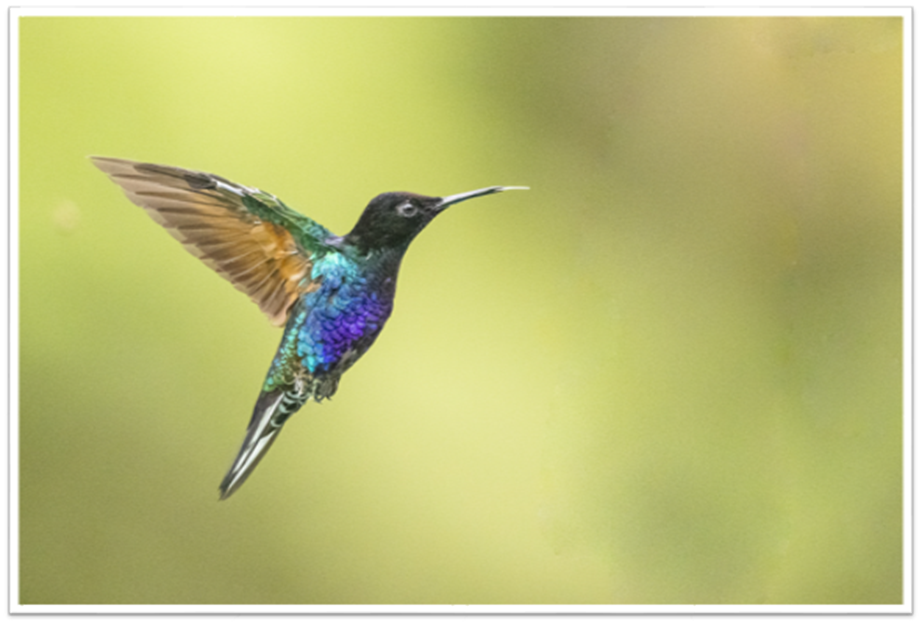
2. How has being a doctor shaped the way you look at nature and wildlife?
Being a doctor makes one sensitive to life, suffering, survival, and healing. In the wild too, all these things exist. There are birth, struggle, injury, loss, recovery, and balance. The forest is not just about dramatic sightings; it is about life continuing quietly in many forms.
I feel my profession has helped me observe nature with more patience and empathy. Just as medicine requires responsibility and respect for life, wildlife photography too demands responsibility. The camera should not become a tool of disturbance. It should become a way of witnessing nature with humility.
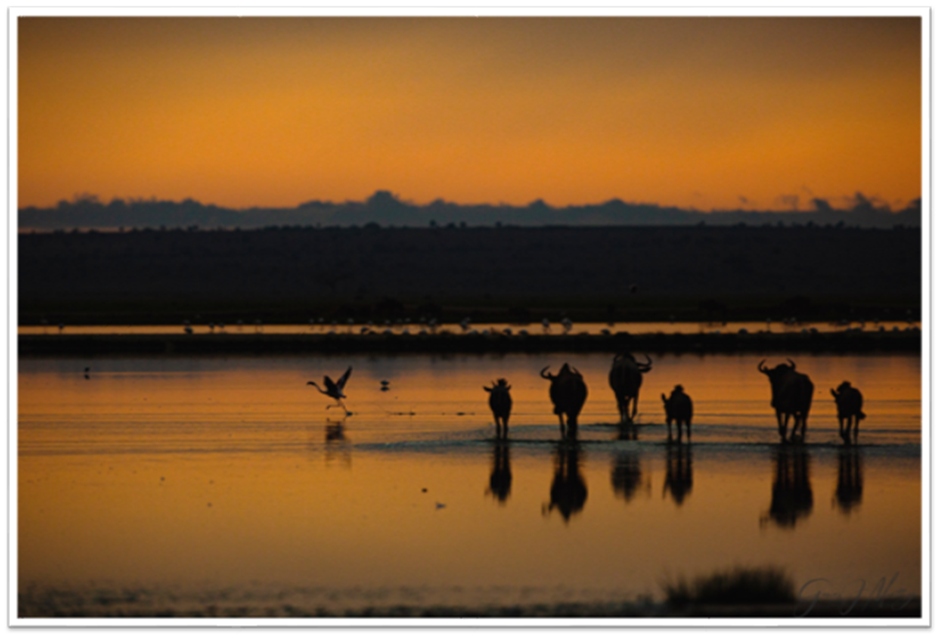
3. For you, is wildlife photography a hobby, a passion, or a form of conservation?
It is a passion, but it is also much more than that. Wildlife photography gives mental clarity and peace. It allows one to slow down and observe the small details that we often miss in our daily lives.
But photography should not stop with personal satisfaction. A photograph must tell a story. It should help people understand the value of forests, habitats, and the many species that are often ignored. If done with honesty, wildlife photography can become a small but meaningful contribution to conservation.
4. What makes a wildlife photograph truly meaningful to you?
A meaningful wildlife photograph is not only about technical perfection or rarity. It is about the story behind the image. A simple frame of a leaf, a flower, a tree, a bird, or an animal in its habitat can be powerful if it is seen with sensitivity.
Today, many people chase rare sightings or dramatic predator moments. But nature is much more than that. A good photograph should not feel like a trophy taken from the forest. It should feel like a tribute to the forest.
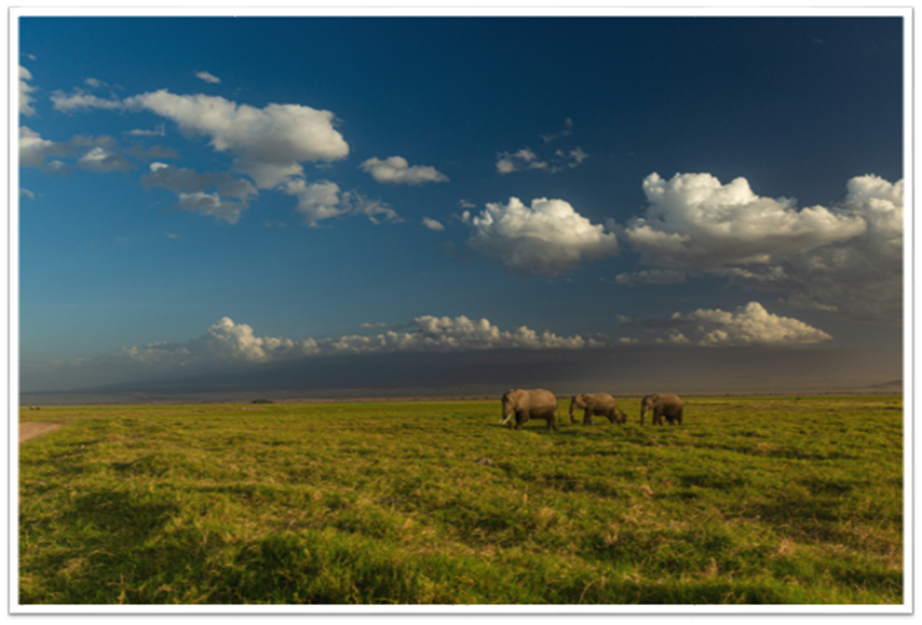
5. What are the biggest mistakes people make while entering forests or photographing wildlife, in the background of social media and wildlife tourism?
The one aspect of wildlife photography that irritates me is the fixation on tigers, leopards, and big cats. Wildlife photography can easily turn into an egotistic journey. It becomes a way to flaunt equipment, long lenses, the latest camera, the number of bird species documented, the number of tigers photographed, or the number of kills witnessed.
With social media, this has become worse. People try to showcase themselves and gain more views and likes. In that process, they lose the connection that they could have built with nature. Wildlife tourism then becomes a tool for self-aggrandizement, and people stop truly seeing or experiencing the forest. There can be no tragedy bigger than this. Respect for nature is the foundation on which wildlife photography should rest.
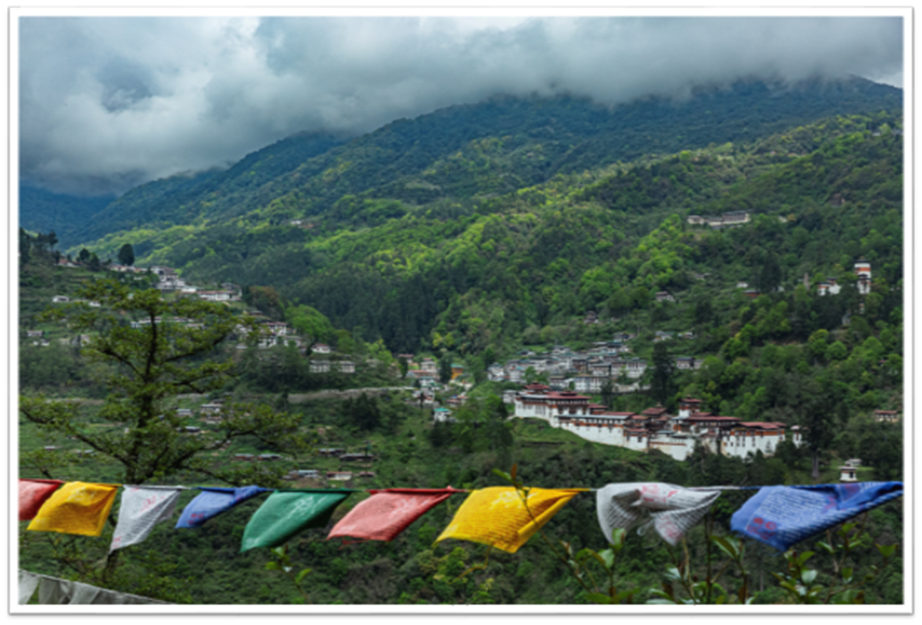
6. Which conservation issue is closest to your heart, and what message would you give to young professionals who want to contribute to nature conservation?
Wildlife photography today has become increasingly extractive. We take the image and leave. I would urge people to move beyond photo trophy hunting, whether it is tigers, leopards, birds, or any other animal. Try to observe and see wonder in every leaf, tree, flower, animal, and bird.
Capture that in your own unique way and show it to the world. The goal should shift from extraction to tribute. Photography should celebrate nature. This becomes a reciprocal relationship, where the photographer gives back by telling the story of the whole ecosystem, not just the predator at the top of it. Such photography is rewarding for one’s own mental clarity and also serves a larger conservation goal.
(PHOTO CREDIT: ALL IMAGES – 2, 4, 5, 6 & 7 BY DR GOWRI J MURTHY)