
R S Tejus:
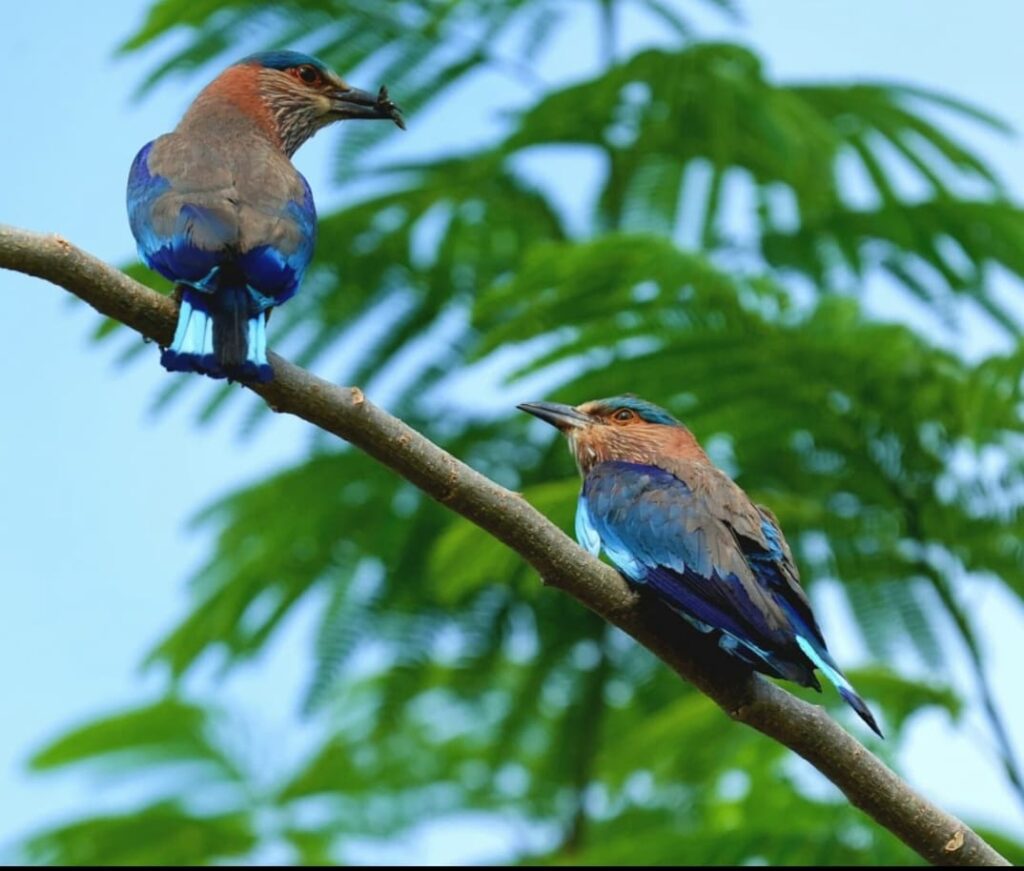
Karnataka celebrated this year’s Rajyotsava with a unique initiative that brought together birdwatchers, students and nature enthusiasts to document the state’s bird diversity. The first Karnataka Rajyotsava Bird Count (KRBC), held from October 30 to November 2, aimed to create awareness about birds, their ecological importance and the need to protect their habitats.
Organised by Bird Count India and the Karnataka Bird Monitoring Network, with support from the Karnataka Forest Department, the exercise witnessed participation across all 30 districts. On the opening day, 913 birdwatchers recorded 316 species through 1,387 checklists.
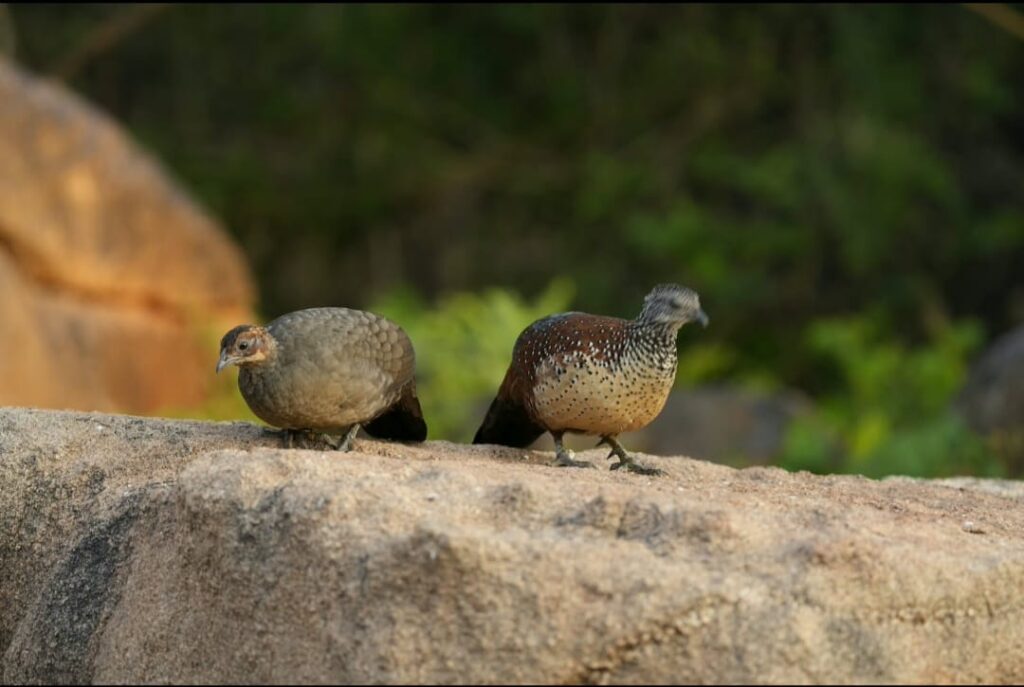
Participation increased on the second day, with 1,322 birdwatchers submitting 1,982 checklists and recording 357 species. Uttara Kannada recorded the highest diversity with 210 species, followed by Kodagu with 197 and Mysuru with 194.
Birds are important indicators of environmental conditions. Changes in their distribution, abundance and seasonal movements can provide information about habitat quality, land-use changes and ecological disturbances. However, identifying such trends requires consistent monitoring over several years rather than observations from a single event.
The exercise covered forests, wetlands, agricultural fields, gardens and urban spaces. In Uttara Kannada’s Kadra village, students participated in birdwatching activities and observed migratory species such as the Ashy Drongo and Green Warbler. Other birds recorded included the Malabar Starling, Greater Racket-tailed Drongo, Bronzed Drongo and Grey-headed Bulbul.
Participants were encouraged to use Merlin Bird ID, an application that helps identify birds, and eBird, a global platform for documenting observations. These records can help researchers understand bird distribution, migration patterns and population trends over time.
Rohit Rao, an avid birder and conservationist from Mangaluru, said birdwatching could become an important starting point for conservation, particularly among youngsters. “Awareness begins with interest. Unless young people are encouraged to discover and experience the natural world around them, they are unlikely to become involved in protecting it. My own journey into wildlife conservation began through trekking and birdwatching, which gradually developed into a deeper understanding of ecology.”
However, Rao expressed concern over the rapid disappearance of wetlands and green spaces, particularly around expanding cities.
Recalling his observations at a wetland, Manjal Pade which he has visited since childhood, Rao said he once witnessed hundreds of Lesser Whistling Ducks. On recent visits, he has observed only 20-30 individuals that too rarely.
He attributed the changes he had witnessed to wetland filling, the disappearance of agricultural fields and increasing development around the area. Although these are personal observations rather than findings from a systematic population study, they underline the need for long-term monitoring.
“Once the fields go, the water goes. Once the water goes, the herons and ducks go. Everything is connected,” Rao explained. He said efforts have been underway for several years to secure better protection for the wetland, which continues to support considerable bird diversity despite growing development pressures.
Forester Ningappa D emphasised that expanding urbanisation should not weaken the relationship between people and birds. He stressed that awareness and public participation are essential to protecting birds and their habitats as cities continue to grow.
Birdwatching and photography should lead to greater involvement in conservation, birders caution. While identifying and photographing birds can create interest, protecting the places where they live is equally important. The Rajyotsava Bird Count demonstrates that understanding nature need not begin in distant forests. Birds can be observed in neighbourhood parks, gardens, lakes and wetlands, making birdwatching accessible to people of all ages.
Beyond the number of species recorded, the initiative’s greater value lies in encouraging regular observation, scientific documentation and public involvement in conservation. While birdwatching can help people discover the natural world, protecting the habitats on which birds depend remains essential to their survival.
(PHOTO CREDIT: ALL IMAGES COURTESY NAGARAJU, RANGE FOREST OFFICER, KARNATAKA FOREST DEPARTMENT)