
R S Tejus:
As Karnataka plans “tiger rewilding” facilities inside protected areas (PA), scientists and wildlife conservationists question the ecological need of such a concept. They say this will involve habitat manipulation and may wreak serious consequences for naturally recovering tiger populations across the tiger reserve.
Experts say a tiger cub learning to hunt inside an artificial enclosure may appear to be a conservation success. But the real test begins when the animal is released into a forest already occupied by wild tigers. Can it establish a territory, survive competition and live independently? More importantly, does such an intervention benefit an ecosystem that is already recovering naturally? Apart from this, why it is needed in the first place?
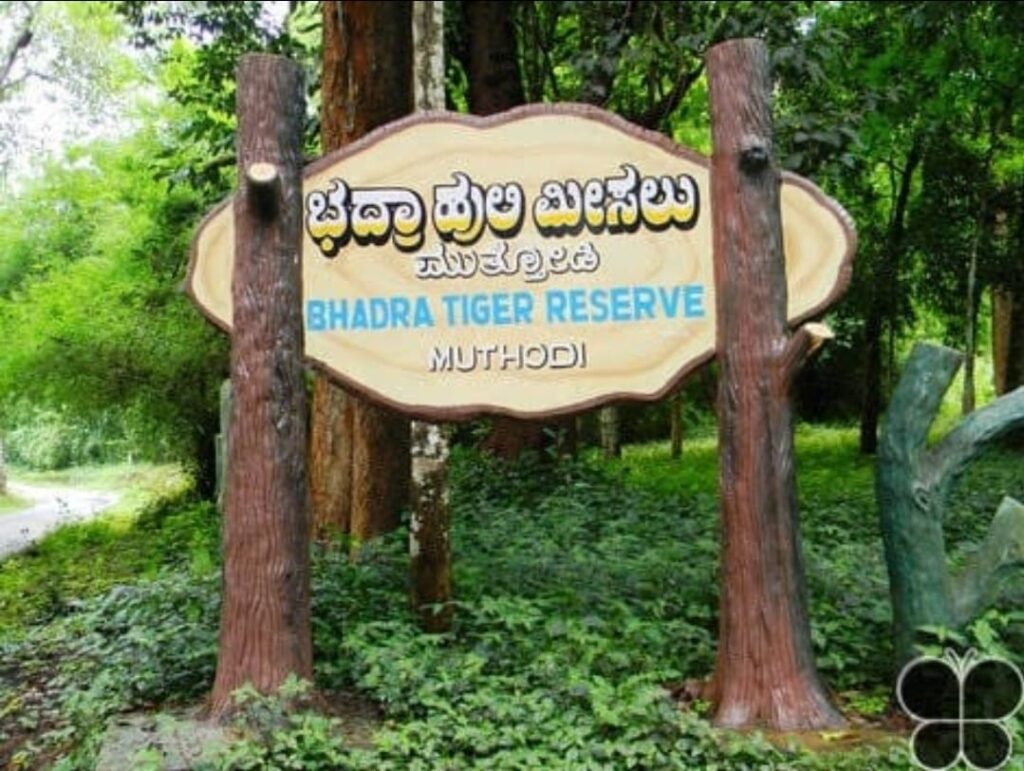
MUTHODI TIGER REWILDING
The Karnataka Forest Department (KFD) is planning a tiger rewilding facility in the Muthodi region of Bhadra Tiger Reserve. Here rescued and orphaned tiger cubs from different parts of Karnataka would be raised, trained to hunt and eventually released in the wild. The KFD proposes using the Boma technique to capture ungulates for hunting practice.
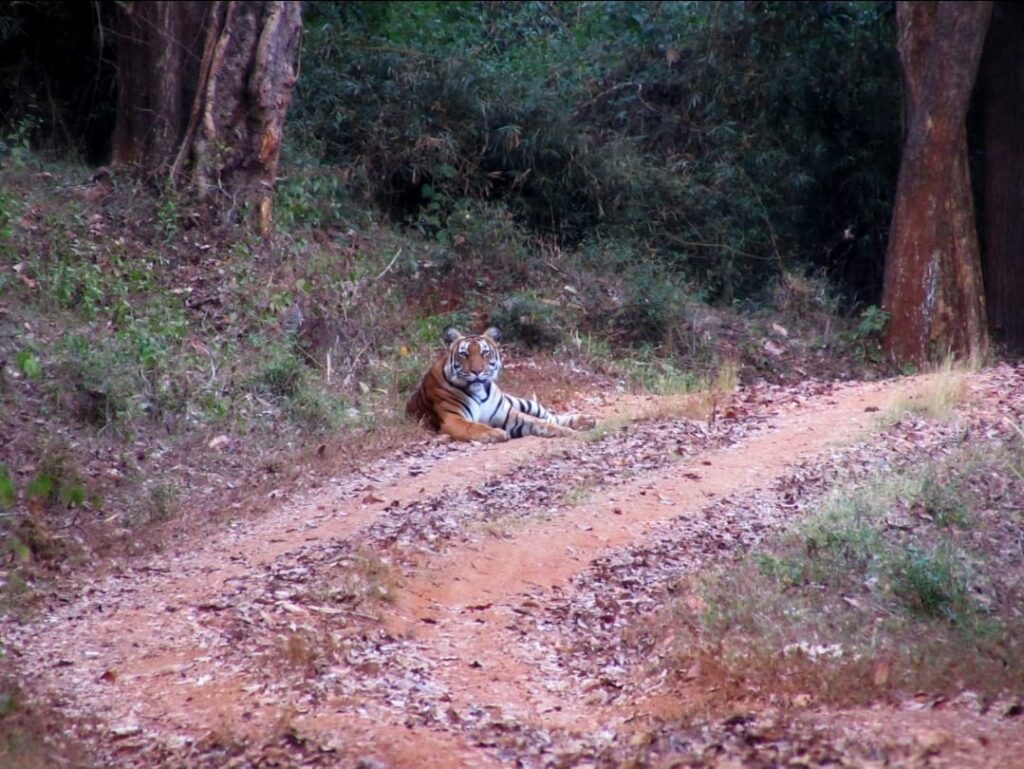
Forest officials have cited the success of a similar programme in Madhya Pradesh and the shortage of space in existing captive-care facilities in Karnataka. Tenders’ worth over ₹67 lakh have been issued for solar-wire fencing and an elephant-proof trench. Similar facilities are also being considered in other protected areas across Karnataka after Bhadra Tiger Reserve.
However, Dr Arjun Gopalaswamy, Chief Scientist of Carnassials Global, independent tiger biologist Dr K Ullas Karanth, Shreedev Hulikere of WildCAT-C and wildlife conservationist G Veeresh have raised concerns that bring the scientific premise of such artificial interventions into question.
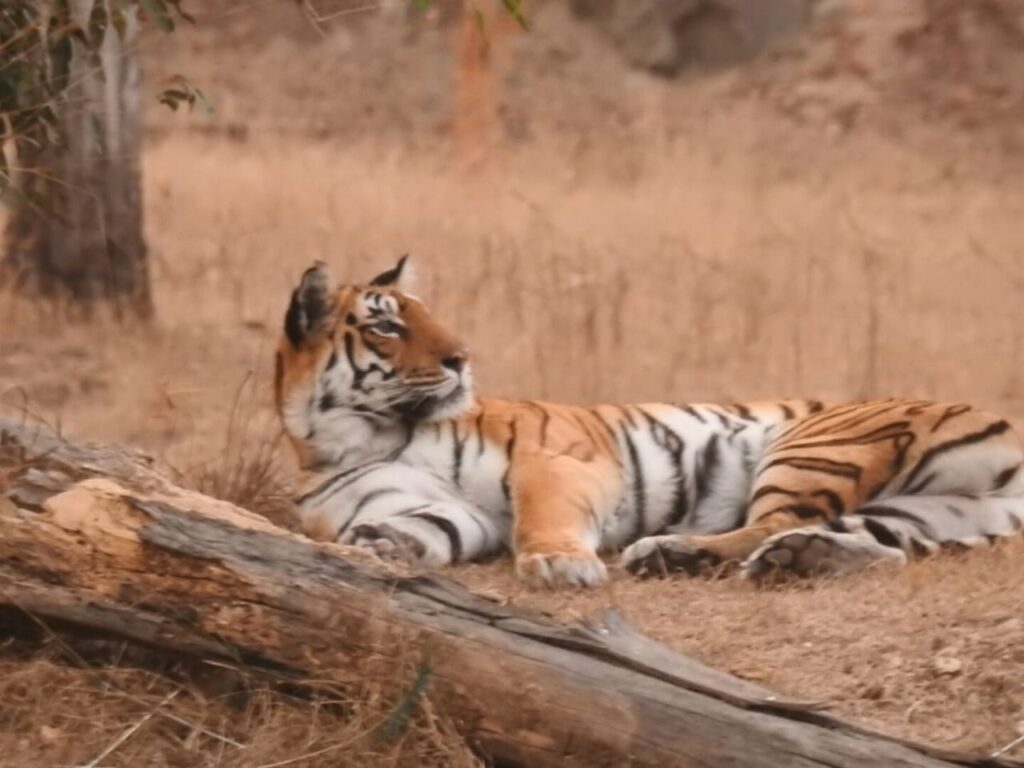
Is rewilding necessary in a naturally recovering tiger population?
Dr Arjun Gopalaswamy, a large-felid researcher and quantitative ecologist said, “Globally, the idea of having orphanages and undertaking rewilding catches a lot of attention.”
He explained that such programmes appear appealing to the public and can easily attract support. However, from a large-felid conservation perspective, they should ideally be among the last options considered, particularly when a species has disappeared from an area.
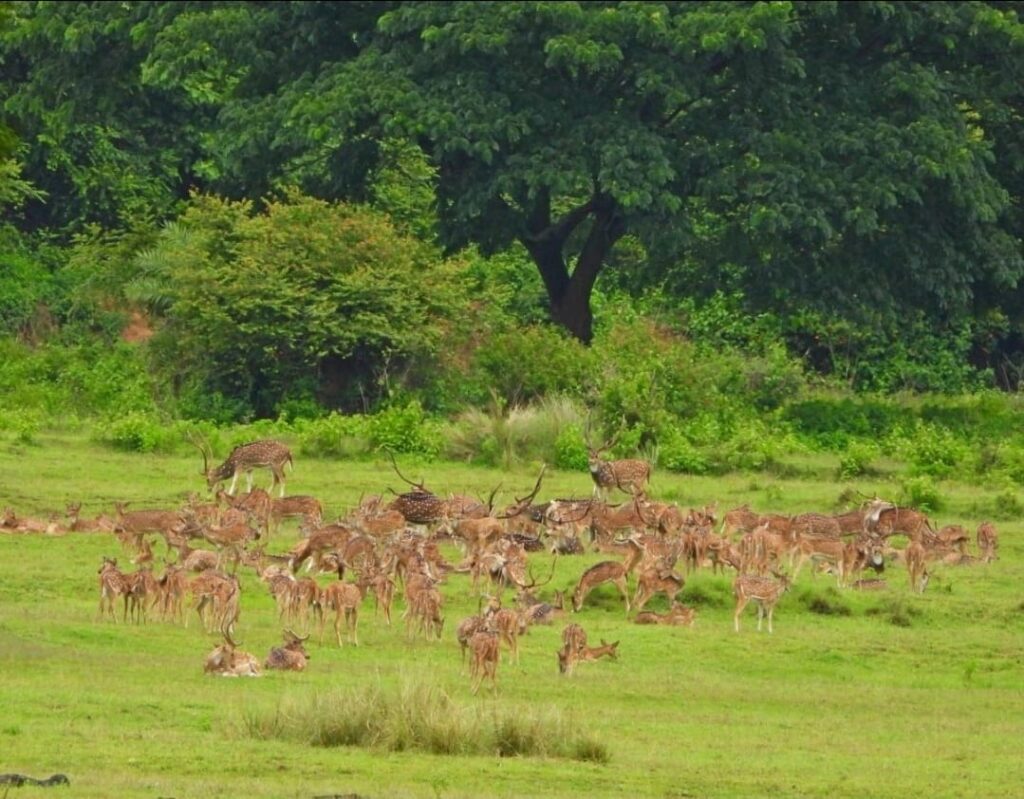
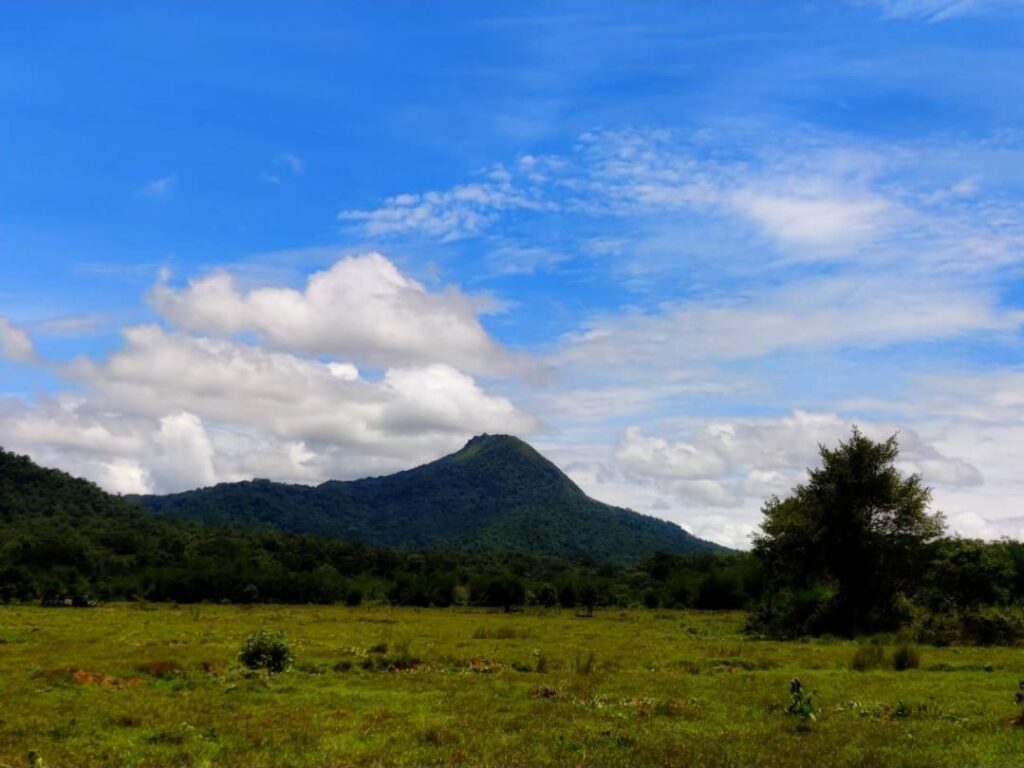
Bhadra Tiger Reserve presents a different situation
Despite sporadic scientific monitoring over the past decade, Gopalaswamy described this tiger reserve as “a fascinating case study of a naturally recovering tiger population”. This distinction is important. In population ecology, recruitment is not simply the birth of tiger cubs. It concerns animals surviving and entering subsequent population stages, including independence and adulthood. Natural mortality, particularly among cubs and dispersing individuals, is part of this process.
Gopalaswamy observed that cub mortality among large felids can range from 30% to 95%, depending on the species and circumstances, even in growing populations. He cautioned that artificially reducing these losses through intervention may prove counterproductive when the aim is to rewild the animals.
The researcher’s concern is particularly relevant because a tigress may leave her cubs concealed while hunting. Finding tiger cubs without their mother does not necessarily establish that they have been orphaned. Rather than intervening in a naturally recovering population, Gopalaswamy believes the immediate priority should be scientific monitoring.
“The need of the hour in Bhadra is to put in place a well-thought-out tiger and prey monitoring programme, with increased frequency and quality,” he said. This would help establish the survival, recruitment, mortality and movement rates driving the population.
Gopalaswamy clarified that he has not examined the detailed project proposal and therefore cannot offer a project-specific recommendation. His concern is whether such intervention can be undertaken without disturbing a functioning ecosystem.
Can enclosure training prepare a tiger for the wild?
Tiger ecology itself presents several challenges. Research shows that tigresses spend approximately 18–24 months raising their cubs, during which the young gradually learn to hunt, avoid danger and become independent.Tigers depend on substantial populations of wild ungulates, while territorial competition determines where individuals can settle. Young males may disperse considerable distances before establishing territories. These processes cannot be fully recreated inside an enclosure.
Introducing Live Prey, will it prepare them?
Shreedev Hulikere questioned whether repeatedly introducing live prey through the Boma Technique could adequately prepare cubs for the uncertainties of hunting in the wild.
In natural forests, hunting attempts frequently fail. After release, the animals must also compete with resident carnivores. His concern is whether cubs accustomed to controlled conditions will successfully adapt to an occupied forest or disperse into neighbouring coffee estates and settlements.
Tiger biologist Dr Ullas Karanth has similarly questioned habitat manipulation that produces “unnaturally high prey and tiger densities.” He warns about the consequences of artificial grasslands, vegetation clearance and additional water sources.
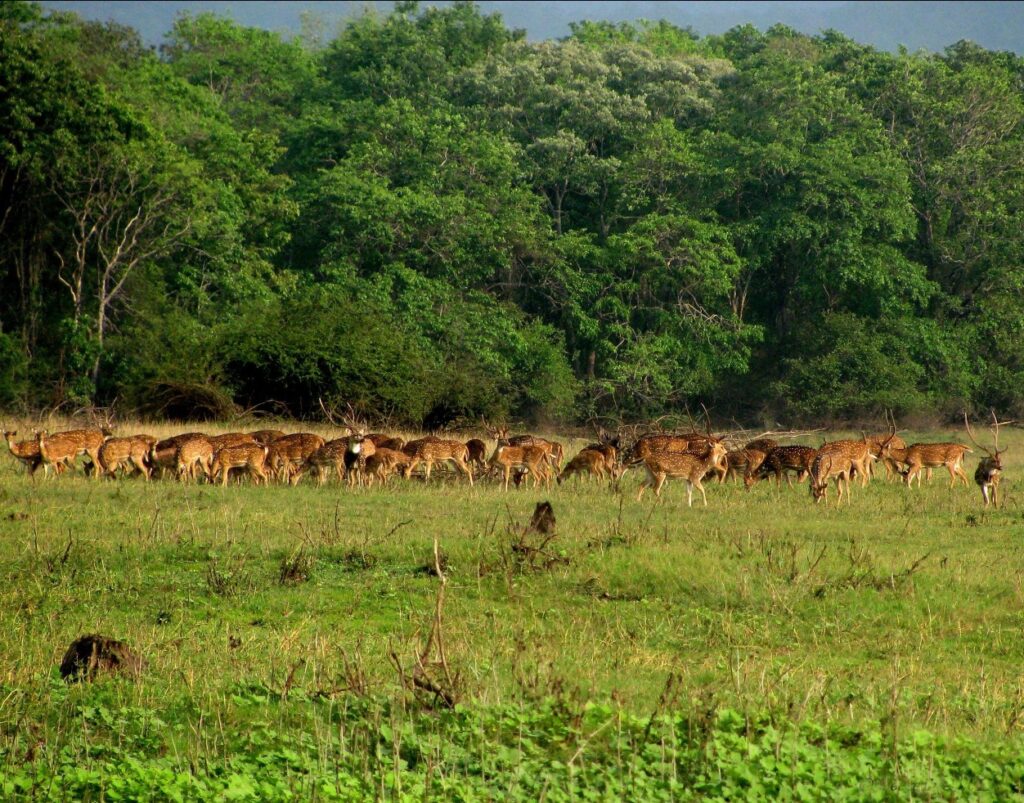
In functioning tiger populations, carrying capacity depends on prey availability, territorial behaviour, natural mortality and dispersal. Unlike some fenced African reserves, most Indian tiger reserves allow animals to move into surrounding habitats where connectivity remains.
Gopalaswamy warned that reinforcement of well-functioning populations could artificially increase dispersal pressure and conflict risks.
Therefore, successfully training a tiger cub to kill prey is not sufficient evidence of rewilding success. Its post-release survival, territorial establishment and eventual recruitment into a breeding population are more important.
The National Tiger Conservation Authority’s rehabilitation procedures also emphasise release into suitable habitat within the same landscape, with resident tiger territories taken into consideration.
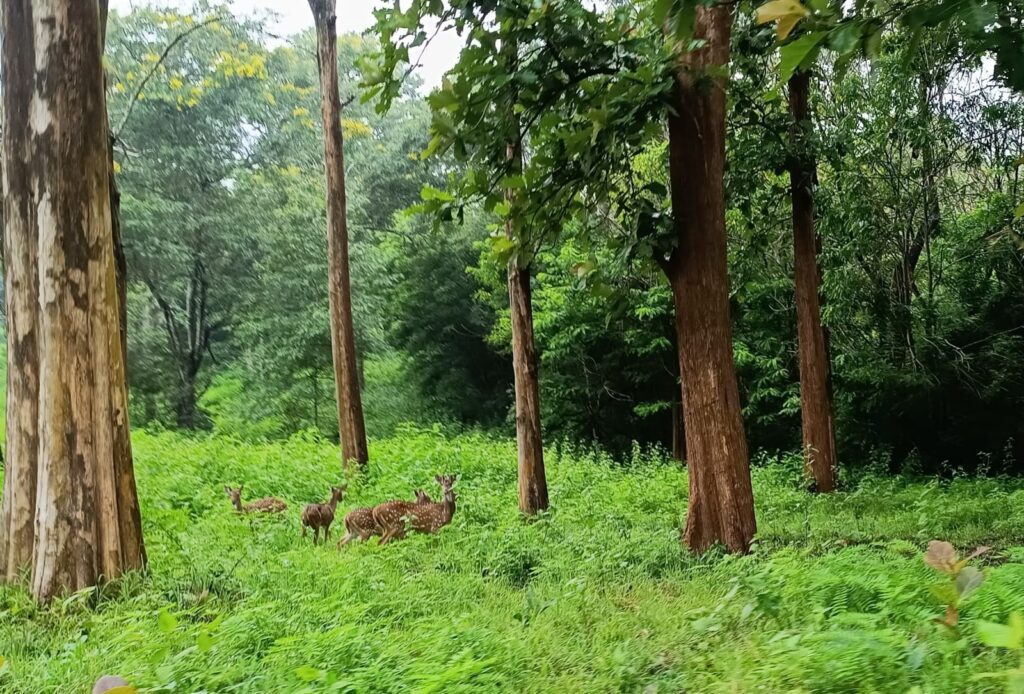
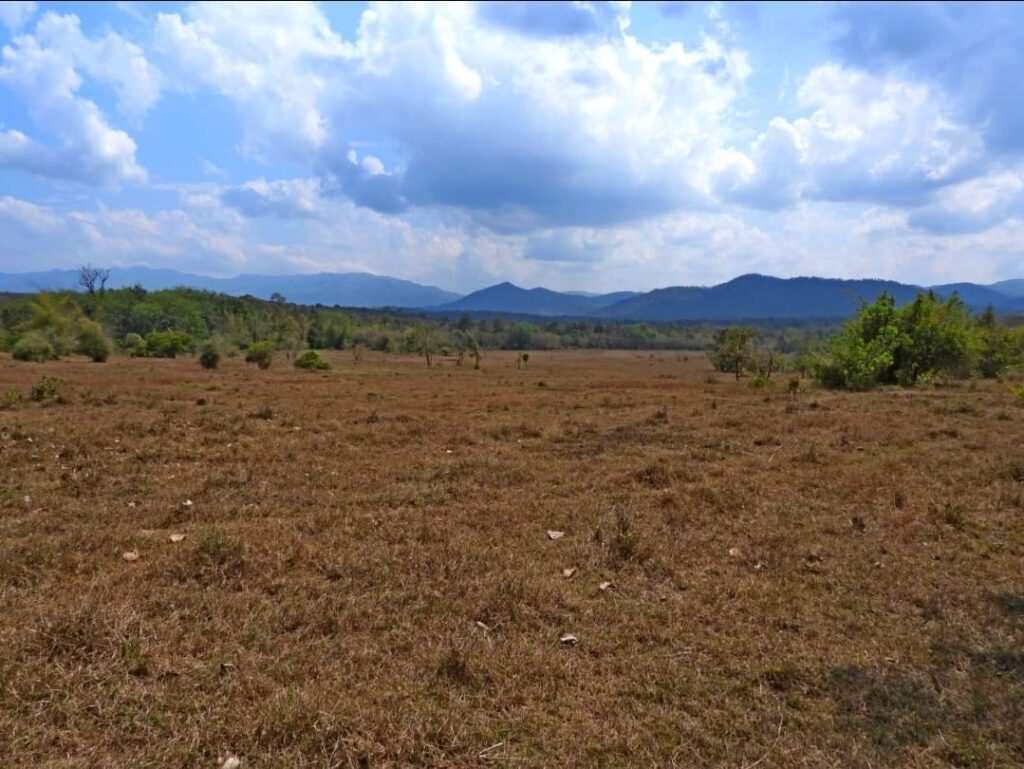
Why interfere with Bhadra’s recovering habitat? The KFD’s requirement for grassland and woodland raises another concern. Bhadra Tiger Reserve underwent voluntary village relocation in the early 2000s, allowing formerly cultivated and inhabited areas to recover naturally.
Hulikere said the landscape contains low-lying, seasonally wet grassy patches that serve as grazing areas for herbivores. He fears that fencing and maintaining these habitats for a rewilding programme could interfere with their natural recovery and use by wildlife. “We feel that we should let nature handle things.” He also questioned the ecological consequences of fencing and EPTs, arguing that even small enclosed patches could obstruct movement routes used by other animals.
The IUCN’s evaluation of tiger habitat conservation programmes has similarly questioned repeated vegetation clearance and artificial grassland management, which can favour certain prey species while affecting wider biodiversity.
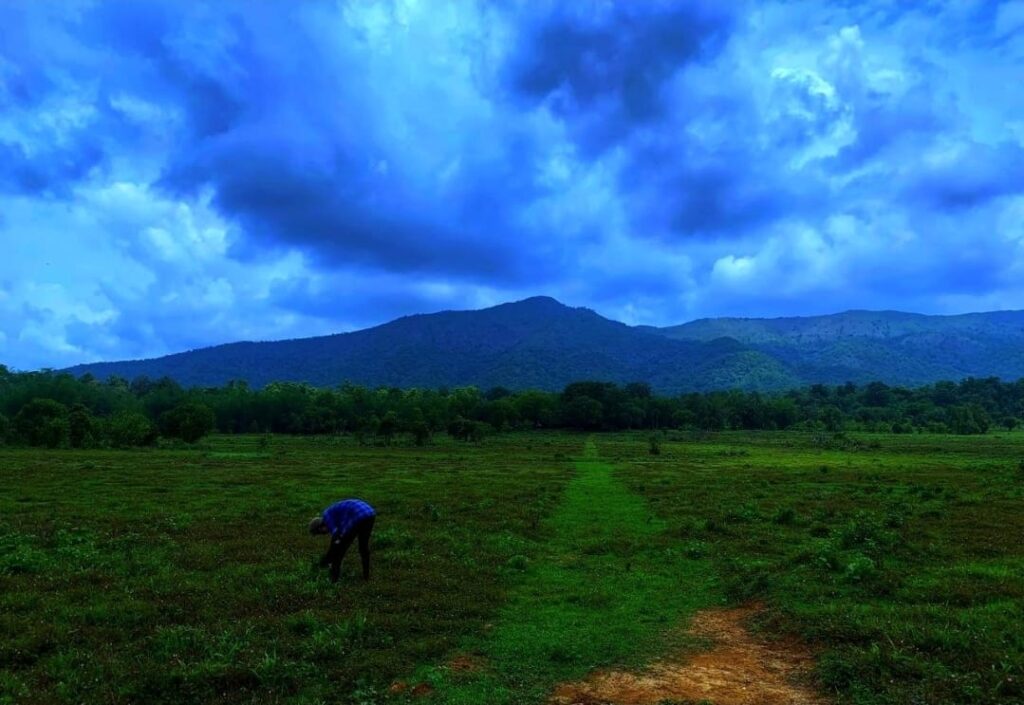
Such concerns make a site-specific ecological assessment essential before introducing permanent infrastructure into a recovering forest.
In a representation dated October 16, Shreedev Hulikere questioned the project’s scientific and administrative basis. The letter claims that more than 35 tigers have been captured across Karnataka and that the proposed facility could accommodate not only orphaned cubs but also injured and ageing animals unable to hunt.
It also recalls an earlier proposal to establish an elephant soft-release facility across approximately 5,000 acres inside Bhadra, which was subsequently shifted elsewhere. Hulikere sought clarification on the project’s statutory approvals and whether its ecological consequences were adequately assessed.
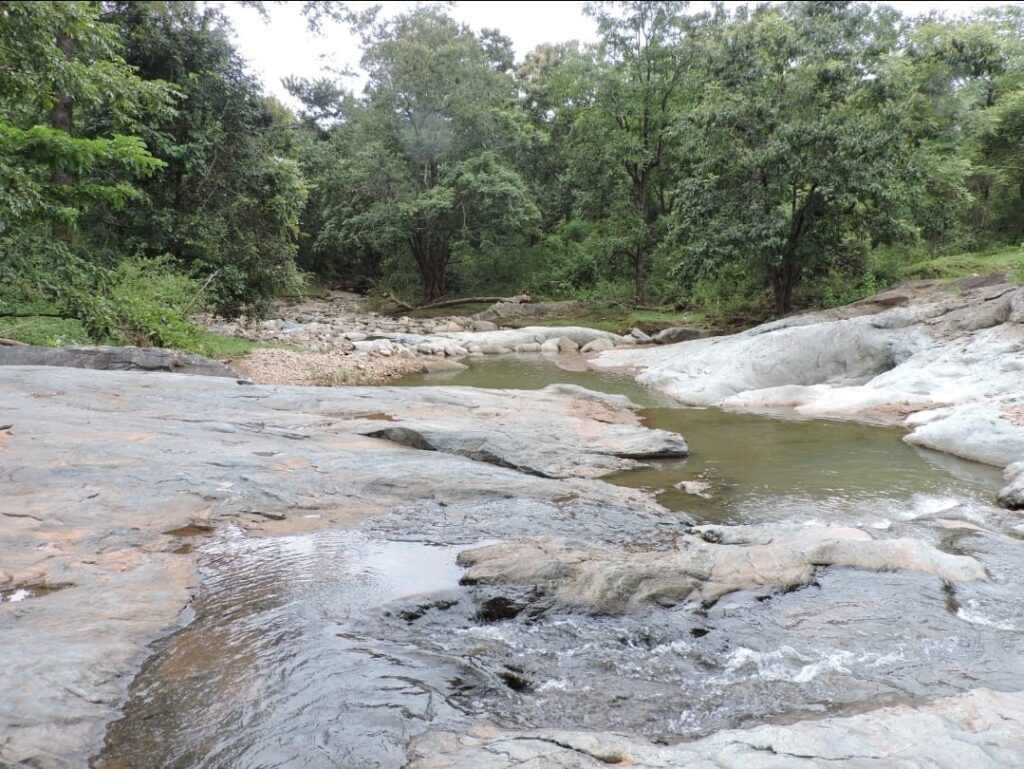
Why not consider Shettihalli or Kukwada–Ubrani?
Wildlife conservationist G Veeresh has questioned why the KFD must establish a tiger rewilding facility inside an inviolate core habitat when other forest landscapes could be assessed. “We strongly oppose this project inside the core area of a tiger reserves as it will defeat the very purpose of inviolate area, he said.
Veeresh clarified that he does not oppose the concept of rehabilitation itself. Instead, he suggested suitable buffer zones and alternative landscapes, including Shettihalli, Kukwada–Ubrani, MM Hills and Cauvery that too not inside of it.
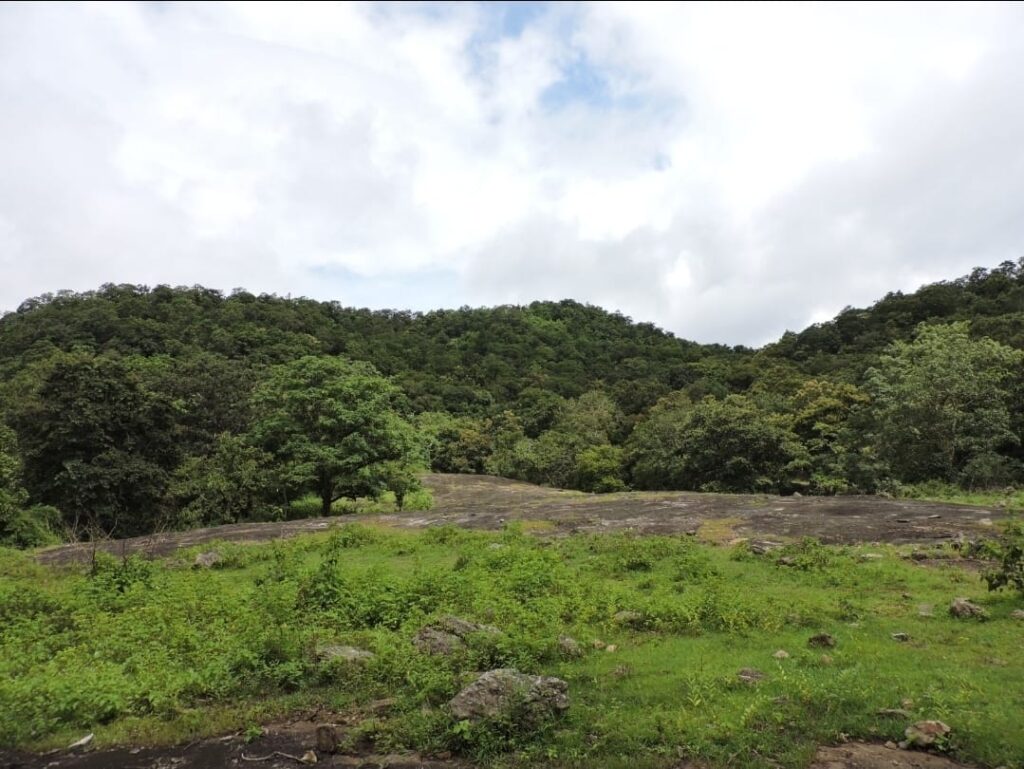
The Kukwada–Ubrani forest landscape, in the Channagiri region of the Bhadravathi Forest Division, is particularly relevant in the rewilding issue. It forms a relatively isolated forest complex comprising Kukwada, Ubrani, Bandigudda and adjoining patches. Its habitat support leopards, sloth bears, deer, wild boars and other wildlife. Conservationists have also sought stronger legal protection for the landscape.
Veeresh suggested that the KFD could examine whether a small, suitable pocket within this standalone landscape could accommodate a rehabilitation facility, rather than selecting land deep inside Bhadra’s core zone. Such a location would still require careful assessment of existing wildlife, habitat conditions, prey availability and possible conflict risks.
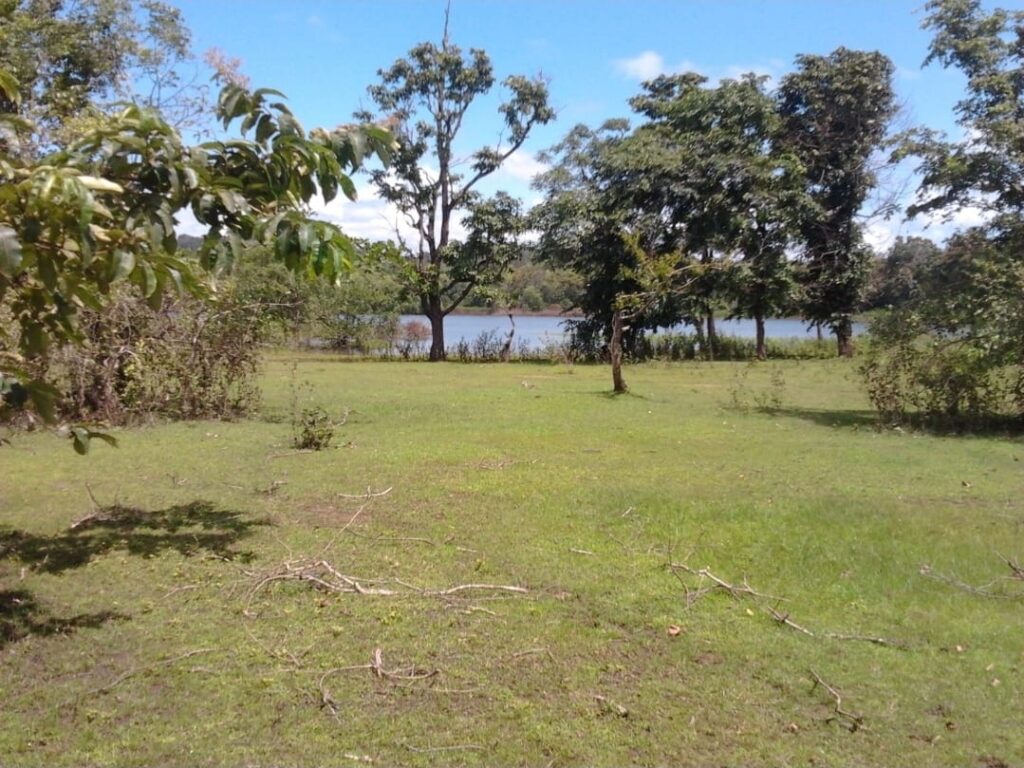
Shettihalli Sanctuary in Shivamogga offers another landscape worth examining. Spread over approximately 395 sq km, it contains dry and moist deciduous forests as well as semi-evergreen vegetation. It supports elephants, leopards, gaurs, deer and other wildlife, with different forest conditions across its extent. And there are no tigers in Shivamogga at all, it is zero.
Veeresh’s suggestion is to explore suitable locations within such landscapes, including less sensitive or previously disturbed pockets, without compromising existing wildlife habitats. Neither Shettihalli nor Kukwada–Ubrani can be considered suitable without a comparative scientific assessment.
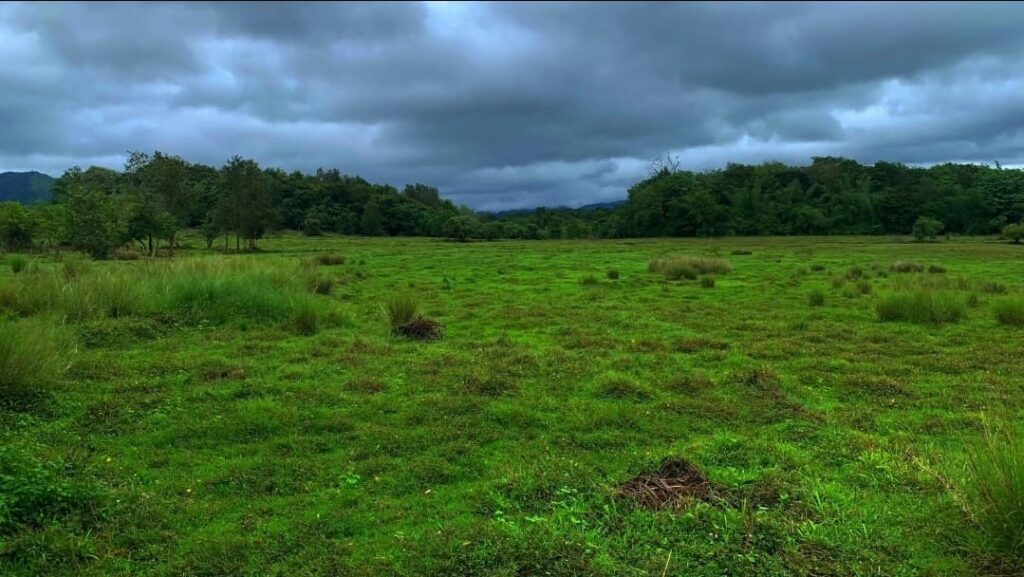
The larger question is why these alternatives have not been publicly evaluated before proceeding with the Bhadra rewilding proposal.
Conservation must follow evidence. There are questions the KFD should address through transparent scientific assessments and independent review.
Bhadra’s natural recovery is itself a conservation achievement. Before introducing another intervention, the department must demonstrate why the forest needs it—and why the same objective cannot be achieved in a less sensitive location.
(PHOTO CREDIT: ALL IMAGES COURTESY G VEERESH, CHIKKAMAGALURU)