
GREEN MINUTE NEWS:
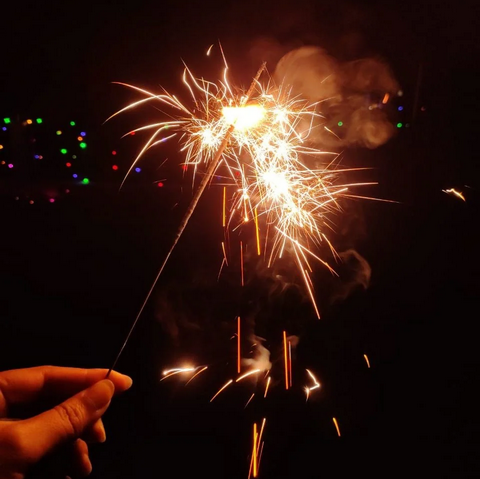
The much-celebrated festival of Deepavali brings joy to people in India but what about its impact on urban wildlife as also our highly polluted metros and towns. With fireworks illuminating the night sky and the sudden, explosive sounds during Deepavali, the impact on reptiles, birds, and mammals, the impact is very severe.
Research studies have shown that light and high decibel sounds impact wildlife behaviour, feeding, breeding and migration activities of many bird species in urban areas.
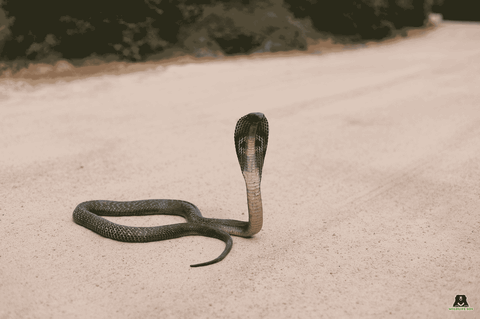
The unchecked fireworks and bursting of crackers cause severe distress, injury, and behavioural disruption to urban wildlife, birds, bats, snakes, and free-ranging animals due to a combination of high-decibel noise, blinding flashes of light, and toxic air pollution. This is an often-overlooked consequences of the Deepavali celebrations in congested cities of India. Most people are not aware of the disturbances they can cause to urban wildlife.
INTENSE FIREWORKS, SOUNDS
From birds forced out of their night time roosts and bats disturbed in their shelters to free-ranging animals exposed to sudden explosive sounds, the effects of fireworks extend well beyond human neighbourhoods.
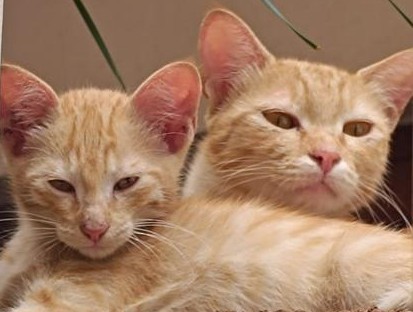
The combination of intense noise, flashes of light, airborne pollutants and chemical residues can expose animals to multiple stressors in the very habitats they depend on for survival. In big metros and cities, dogs and cats are the most impacted species and they hide themselves during the weeklong festival.
ADOPT ECO-FRIENDLY ACTIVITIES
The Animal Welfare Board of India has urged citizens to show restraint and adopt eco-friendly practices so that the celebrations bring happiness to all living beings and not just humans.
The loud noise of almost 150 decibels causes immense distress to animals including your pets whose hearings is much more sensitive than yours. Prolonged bursting of high decibel crackers can cause physical harm to animals and permanently impair their hearing, weaken their immune system and lead to digestive issues.
SCIENTIFIC RESEARCH ON BIRD FLIGHTS
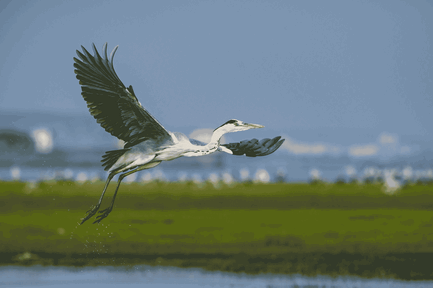
On the impact on urban wildlife during this period, scientific research is increasingly documenting these effects. Different studies around the world have established the negative impact of firecrackers on birds and many other wild species. During Deepavali, researchers recorded a substantial increase in bird flight activity compared with periods without fireworks.
The research revealed that with the number of airborne birds and their flight altitudes both significantly elevated. The findings demonstrated that fireworks can trigger large-scale changes in nocturnal bird activity, disturbing birds during a period when many would ordinarily be resting.
WILDLIFE RESCUE RISES DURING DEEPAVALI IN INDIA
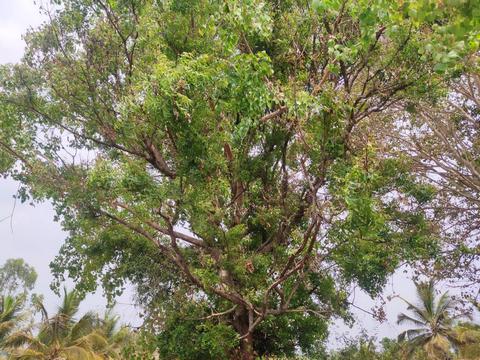
Wildlife SOS’s own rescue data further highlight the scale of wildlife emergencies handled during this festive period. Many a bird species is affected as they not only nest, breed and feed their young ones on huge trees across the cities of India.
Across the Deepavali festive periods of 2021 to 2025, the organisation rescued more than 2,100 wild animals across Delhi, Agra and Vadodara. This included over 600 animals in Delhi and more than 700 each in Agra and Vadodara. The rescues comprised over 650 mammals, more than 700 birds and over 700 reptiles. In Kolkata, birdwatchers at Rabindra Sarobar reported a decline in resident and migratory bird sightings following firecracker activity during Kali Puja and Deepavali in 2025.
WHAT ABOUT BENGALURU?
In Bengaluru, a wildlife rehabilitation centre recorded 141 rescues during the Deepavali period of 2025, involving birds and reptiles. In fact, many wildlife and animal rescue centres in Bengaluru receive distress calls for rescue during the festival period.
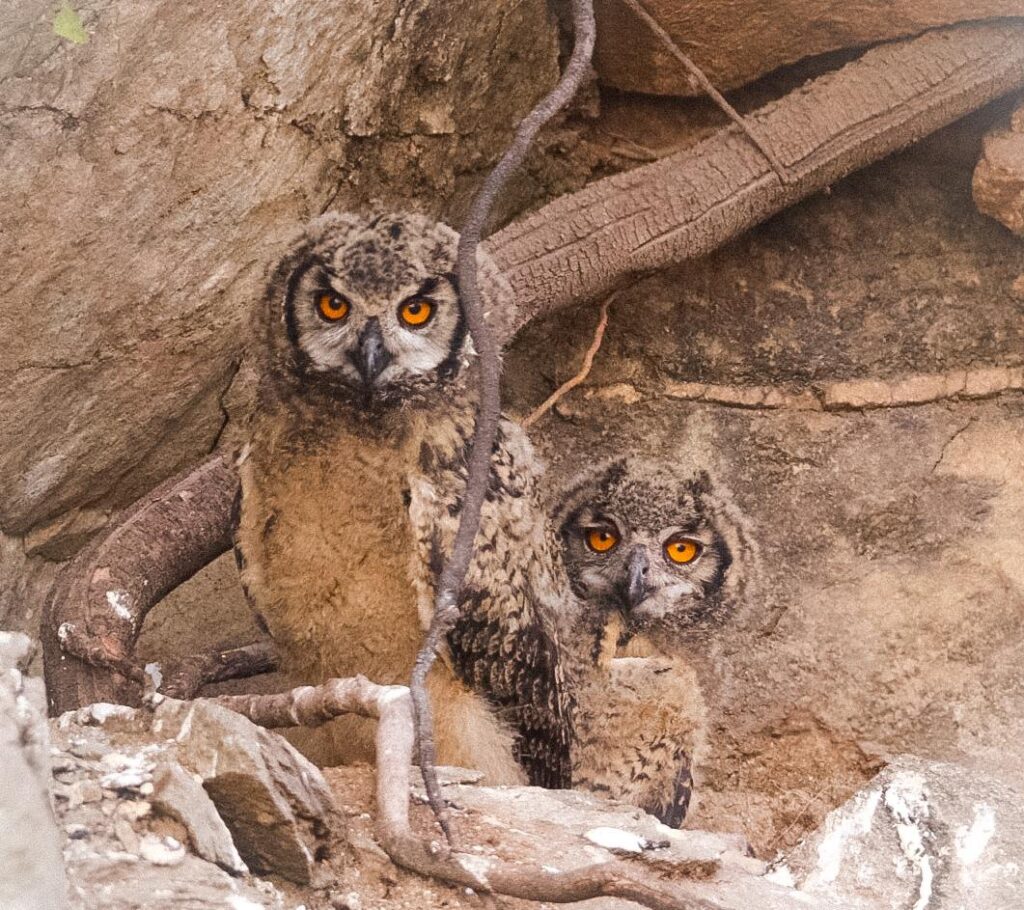
Deepavali also sees targeted crackdowns by the Karnataka Forest Department and animal protection groups like the HSI rescuing traded or exploited wildlife, such as the owl species. These raptors are captured for ritualistic or black-magic practices in the state.
Illegal poaching and trafficking of the owl species peak across India due to deep-seated superstitions linked to the festival.
As per Avian and Reptile Rehabilitation Centre, 141 rescue cases were recorded in Bengaluru between October 19 and 23, 2025, compared to 94 cases during the same festive window the previous year.
Lead rehabilitators noted the jump was driven both by higher trauma/disorientation in birds and increased public awareness to report distress, the rescue organization states.
CALL FOR FOUR SELECTED SPOTS FOR FIREWORKS IN BENGALURU
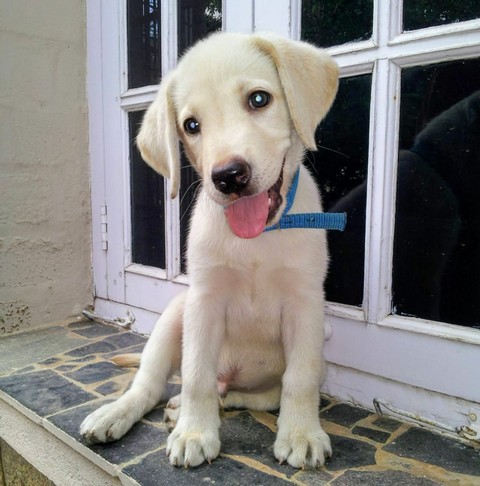
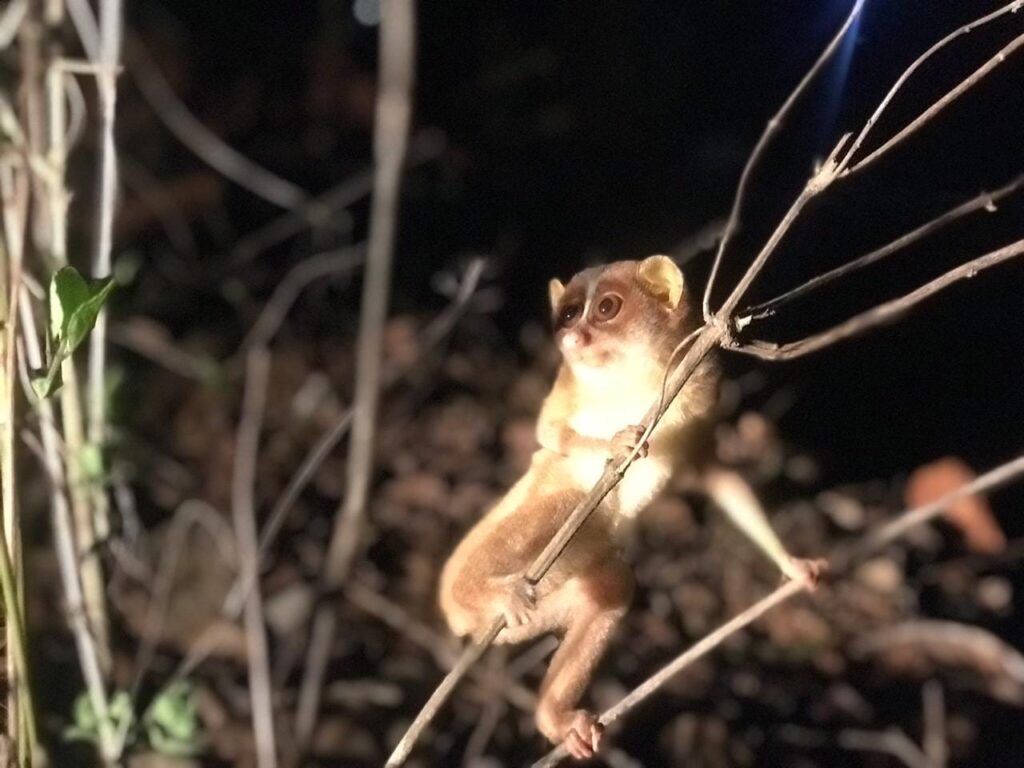
Speaking to Green Minute News, A Prasanna Kumar, Animal Welfare Warden, Bengaluru Urban and wildlife conservationist says, “Compared to other metros, Bengaluru has a rich urban wildlife as it is home to variety of bird species, the Big Four snakes, leopards, spotted deer, slender loris, macaques, etc. So, the Greater Bengaluru Authority needs to come out with a policy having Deepavali celebrations in selected four spots (big sports grounds without tree cover) in the city so that wildlife is not affected. In Bengaluru, dogs followed by cats whether stray or pets, they are badly affected.”
Prasanna Kumar adds, “Every year, during this festival period, we rescue barn owls, black kites, mynas, white cheeked barbets, Asian koel, crows and other birds. However, the worst affected are the street dogs and cats and also monkeys who are unable to bear the fireworks and the high decibel sounding crackers. The smoke and smell of the crackets cause injuries; they are traumatized while both chicks and eggs of many bird species are either badly injured or die.”
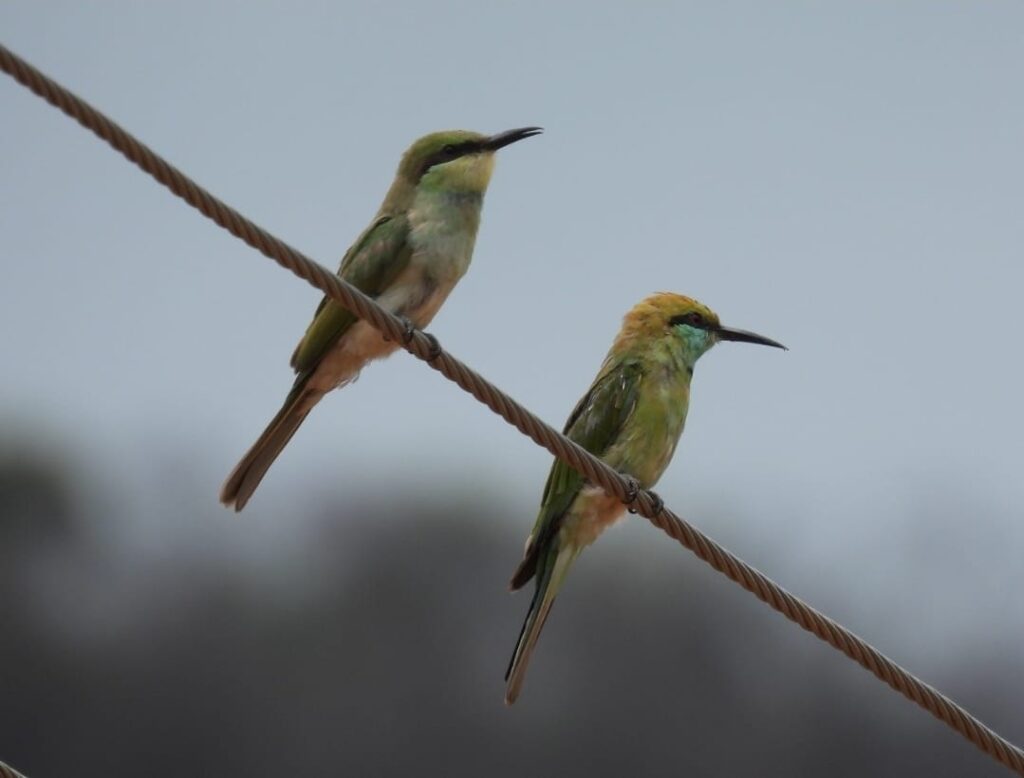
INJURIES SUSTAINED BY WILDLIFE
Other urban animals are also vulnerable to sudden, unpredictable explosive sounds, which can trigger fear, hiding and escape responses. Free-ranging mammals may bolt into traffic, become separated from familiar territories or sustain injuries while attempting to flee.
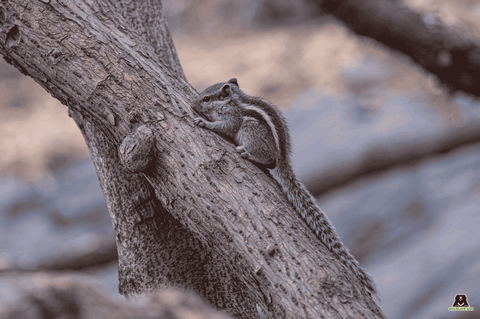
Across India, Rhesus macaques, palm squirrels and civets may also abandon shelters or avoid feeding areas following repeated disturbances. Bats, which depend on sheltered roosting sites for resting and raising their young, may be affected by intense noise and illumination around their colonies. Fireworks also contribute to short-term air and noise pollution.
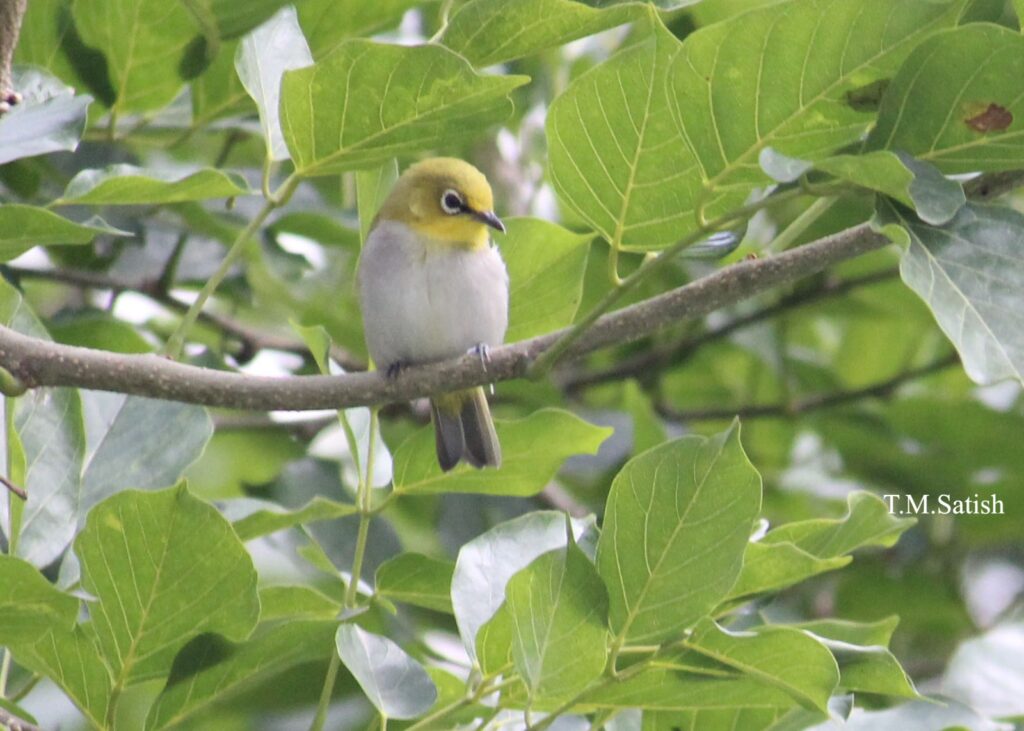
BIRDS MOST IMPACTED
Baiju Raj M V, Director, Conservation Projects, Wildlife SOS, said, “Birds depend on the quiet and darkness of the night to rest safely in their roosts. The sudden bursts of sound and light from fireworks can startle them, forcing them to take flight at a time when they should be conserving energy.”
He further adds, “Such unexpected disturbances can interrupt their resting patterns, cause disorientation and expose them to additional risks in increasingly crowded urban environments. We can make small but meaningful choices, such as opting for quieter celebrations and avoiding fireworks near trees, parks and wetlands, to ensure that the festivities do not come at the cost of the wildlife that shares our cities.”
LET’S HOPE FOR A NEW BEGINNING
According to Geeta Seshamani, this is a time to celebrate light, hope and new beginnings, and this spirit of celebration should extend to the animals with whom we share our world. Birds and other urban wildlife are often overlooked during festivities, even though they are particularly vulnerable to sudden noise and light disturbances. We can make more thoughtful choices without compromising the joy of the occasion.
Wildlife organizations and activists urge people in India to opt for quieter celebrations, public celebrations in selected open grounds, avoid bursting crackers especially near parks, wetlands, trees and known wildlife habitats, and dispose of fireworks debris responsibly. With Bengaluru city spreading till the boundary of the Bannerghatta National Park, one can imagine the adverse impact on wildlife of such festivities.
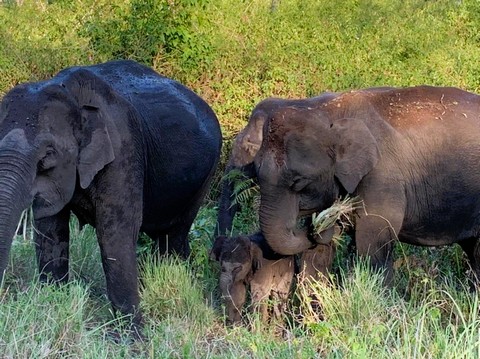
Not just Bengaluru, but also cities like Coimbatore, Jabalpur, Nagpur, etc have spread their boundaries till forest and wildlife habitats and are impacting elephant corridors. And during Deepavali celebrations, they not create ecological challenges for the jumbos but also behavioural and psychological changes in them.
(PHOTO CREDIT: IMAGES COURTESY: WILDLIFE SOS AND OTHER SOURCES)