
Meera Bhardwaj:
If Hassan district leads in human conflict with elephants in Karnataka state, then Channapatna taluk in Bengaluru South district stands first in compensation payments to farmers for crop damages due to the SERIOUS conflict situation in this taluk. In the last three years, the number of conflict elephants have reduced from 45 to 22 due to captures in Channapatna taluk and its relocation.
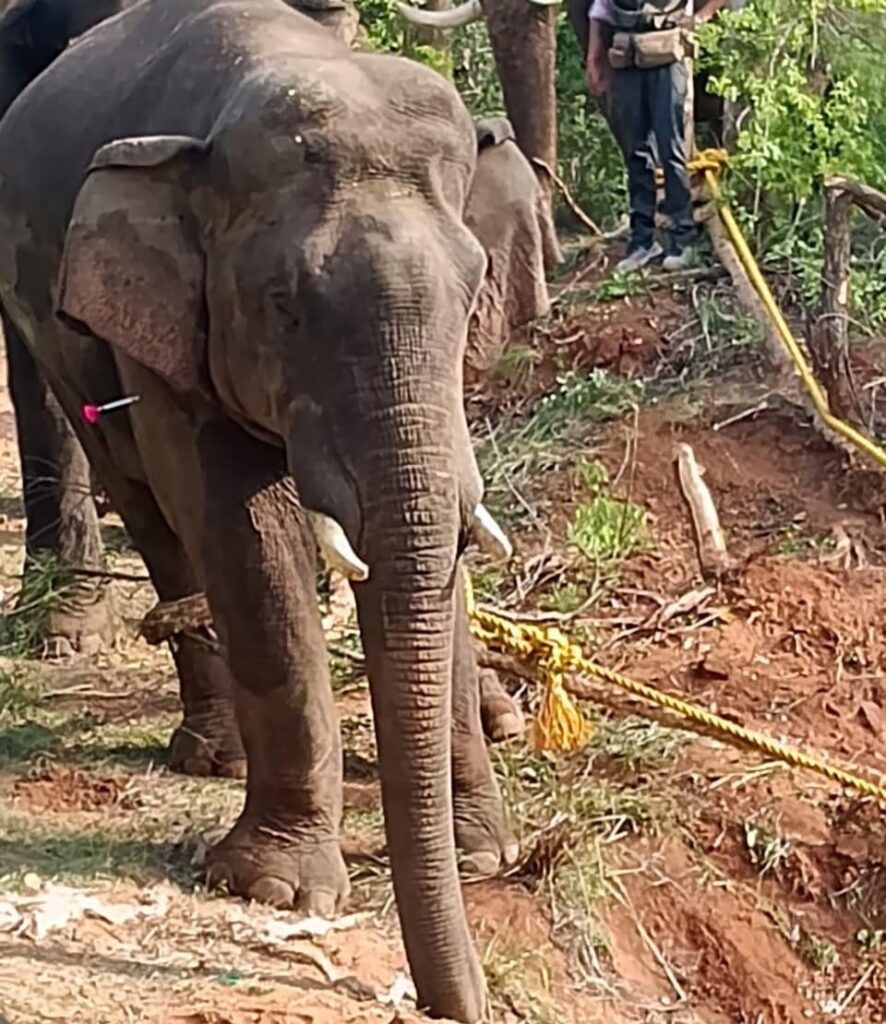
Currently, elephant capture operations have been stopped in Channapatna taluk by the Karnataka Forest Department (KFD) in the aftermath of an inquiry. The two day-inquiry was completed which went into details of the darting methods used and darting of moving animals during these two operations – June 25 and 27, 2026 for capture of two prime, young tuskers. Further, the making of short reels on the darting was also looked into. The inquiry was conducted by Bengaluru Circle, Conservator of Forests Shivashankar.
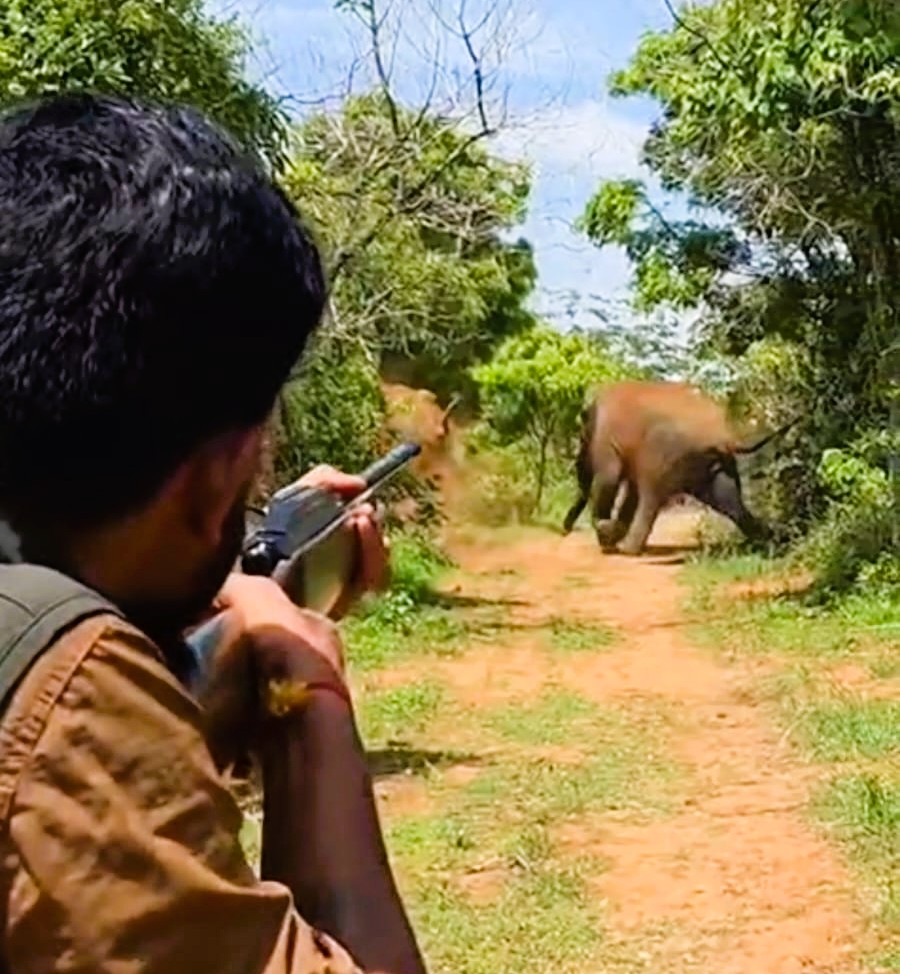
However, forest officials and the frontline forest staff in Ramanagara division who are facing a very tough and difficult situation in Channapatna taluk too are troubled by the the stoppage in operations with farmers baying for their blood. As it is, they have to deal with public ire on a daily basis who come and threaten them for failure to stop the elephants from raiding the crops.
SHOCKING DECISION, SAYS ACTIVIST
Former Karnataka State Board for Wildlife member and United Conservation Movement Joseph Hoover said, “It is shocking that how a person – Dr Ramesh Huliya who is under inquiry in Ramanagara division for SOP violations in June 25/27 elephant capture operations can be sent on another operation in Virajpet division for capture and installing a new radio-collar on elephant Ayyappa”.
Further, Hoover questions, “How can the KFD take such a decision to send this person again who put short reels about capture of darting moving animals which endangers the safety of both the jumbos, field forest staff and the vets. Inquiry is going and the capture operations have stopped due to this reason but why send this vet again on a capture operation?”
THE CONFLICT SITUATION
Out of the 22 elephants, 18 have been identified as conflict elephants in Channapatna with most of them being tuskers. Last month, two tuskers were captured and relocated elsewhere. However, the June 25 & 27th capture operations attracted a lot of criticism from the wildlife experts and the veterinary community.
Wildlife experts said these two operations violated the National Guidelines – that is the Recommended operating Procedures (RoP) for Captures and Translocation of Elephants in distress & conflicts given by MoEFCC & Project Elephant. Further, it violated the highly regulated KFD’s Standard Operating Procedures (SOP) for Asian Elephant Captures.
RAIDING JUMBO GROUPS
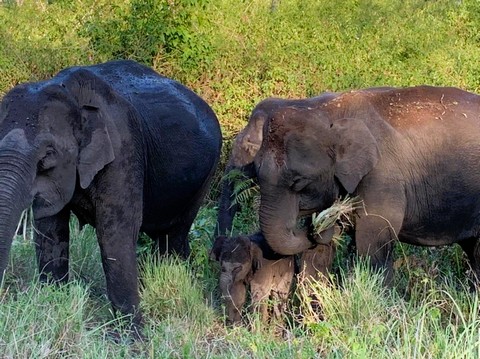
Over the last few decades, Channapatna taluk has seen some 5-6 elephant raiding groups with each group having 3-4 jumbos. Further, they are seen dispersed across farmlands in various villages that is situated in an undulating terrain. The human-elephant conflict is so acute in this taluk that 50 percent of the farmers have stopped their farming activities, local residents say.
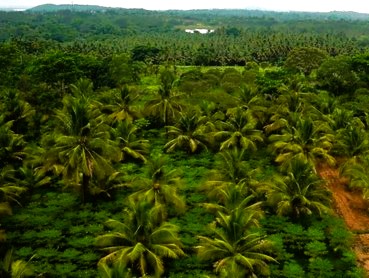
Farmers in Channapatna taluk, Bengaluru South district extensively grow coconut, banana, mango, jackfruit and cucumber. Banana is very commonly planted as an intercrop between wider-spaced coconut palms, maximizing land use and providing early income. Apart from this, paddy and Ragi are the staple cereal crops grown here. This is the main reason elephants are attracted to this taluk.
ABUNDANCE OF WATER, FOOD
Along with this, the abundance of lakes and tanks that are recharged by the Cauvery River from the Iggalur Barrage and Kanva Reservoir is another added attraction for the tuskers, female elephants and young ones in search of food and water. The elephants come during the night to these wetlands for a mud bath and shower bath. Further, they pull down and uproot 5-6-year-old coconut trees which are rich in fruit juices (coconut water) to satisfy their changing palate.
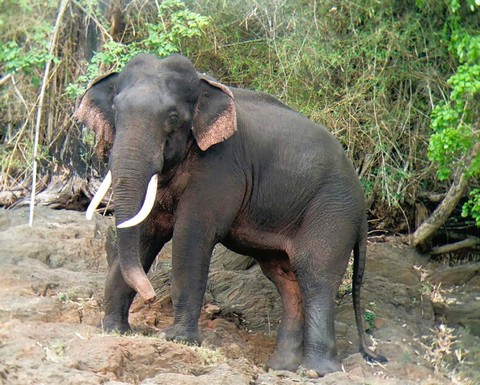
The 18 conflict elephants are dispersed across the rich farmlands with recharged lakes being a big attraction for the jumbos. Almost all the tuskers are in the age group of 20-25 years. These tuskers bring along with them very young elephants who are about 15-20 years old.
HIGHLY AGITATED FARMERS
Forest officials say human-elephant conflict is witnessed almost every day with tuskers along with young elephants raiding crops and feeding on fruits and vegetables. With the result, the farmers are a highly agitated lot and the complaints about destruction of crops are have been rising day by day. According to Ramanagara DCF Ramakrishna, the compensation payments for crop damages in elephant attacks in Channapatna taluk is the highest in the state.
The marauding tuskers are all of the same age and 8-10 of them in Channapatna taluk have been identified for their aggressive behaviour which refuse to go back to the forest. However, some 7-8 identified female elephants are not aggressive and they go back to the forests in Cauvery and Bandipur in the “driving away” operations, forest official said.
TUSKERS FROM CAUVERY SANCTUARY
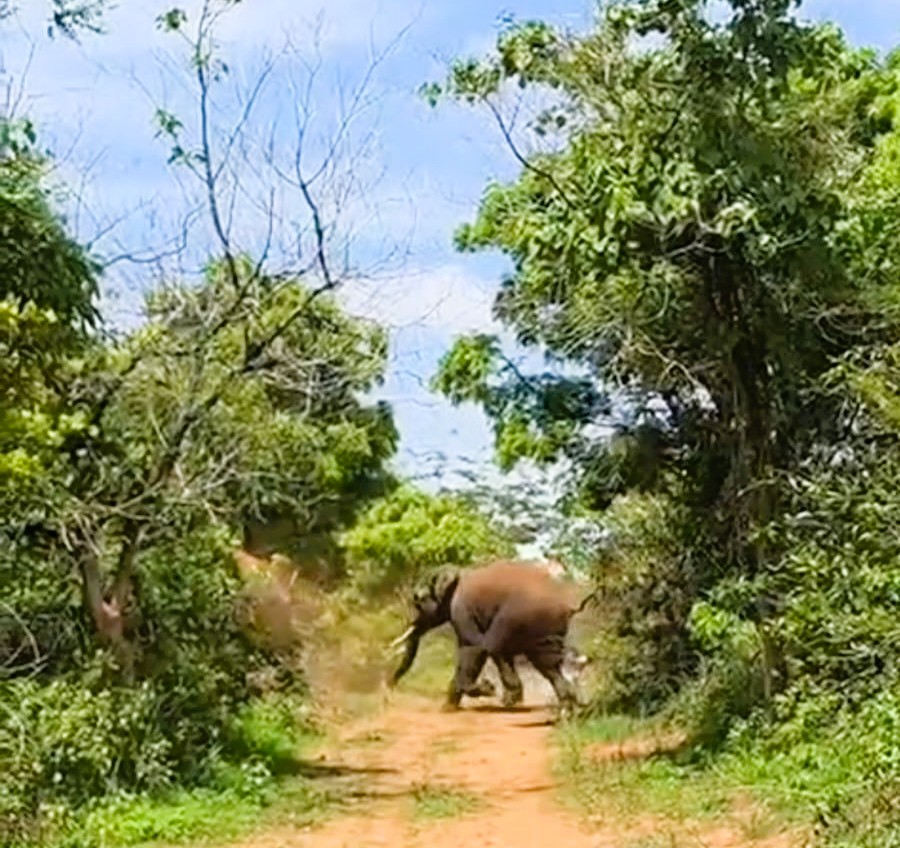
Majority of these tuskers and female elephants come from the Cauvery Sanctuary to Channapatna taluk while only a very few of them are from the Bannerghatta National Park. Since the contiguity of Cauvery Sanctuary is with BRT, Bandipur and other protected areas in Karnataka is good, elephant groups are coming in droves to Channapatna taluk.
Ramanagara DCF adds, “We have only patches of forest in this taluk which are heavily interspersed with villages and farmlands growing paddy and Ragi crops, fruits and vegetables. Elephant groups come from Kabbala and traverse to Narikallugudda (which has a one-km-gap) and from here, they come to a water tank and after another half a km, they reach Tenginakallu.”
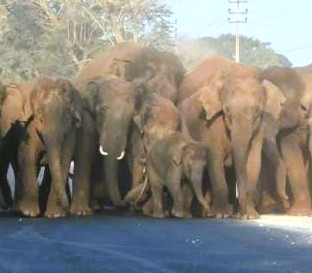
Channapatna is the second highest conflict zone in Karnataka after the coffee belt area of Sakleshpur in Hassan district. Therefore, compensation payment for crop damages is the highest in the state, the DCF states.
People including farmers in Channapatna taluk are pretty angry with the KFD on the continuing conflict situation in their area. Mallappa, a senior resident says, “Even the creation of a new division at Kanakapura is not going to solve the problem of human-elephant conflict in Channapatna. Day in and day out, we see our crops being destroyed and we want the KFD to capture all the 18 elephants which have been creating havoc in our fields. Half of the taluk’s farmers have stopped farming activities. And with the stoppage of capture operations, what will happen to us, we will complain to the Chief Minister and ask for the restart of the elephant capture operations.”