
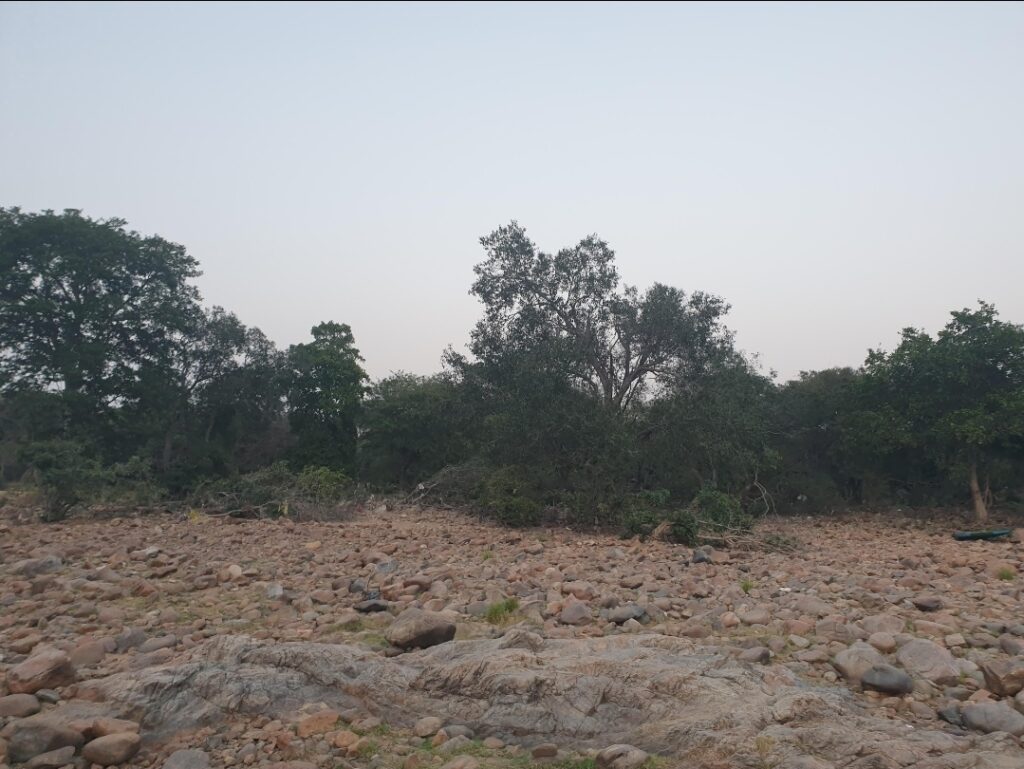
El Niño has once again raised concerns over India’s water security, with several regions already reporting rainfall deficits and decline in water levels in large dams and reservoirs. While the climate change phenomenon is naturally recurring, its impacts are becoming more and more challenging in a warming world where water demand continues to grow.
In this interview, Dr Jagadish Krishnaswamy speaks to R S Tejus and explains how El Niño influences the Indian monsoon, why water shortages extend beyond rainfall alone, the limitations of relying solely on large dams, and the science-based measures needed to build long-term water resilience.
Q. How does El Niño affect the Indian monsoon and water availability?
The relationship between El Niño and the Indian monsoon is complex. A strong El Niño generally tends to weaken the Indian monsoon. However, this relationship is not perfect every year.
In some years, other climate factors, such as the Indian Ocean Dipole, can compensate for the negative impact of El Niño and help strengthen the Indian monsoon. But overall, strong El Niño events often reduce rainfall over India.
When rainfall reduces, the impacts are seen across the water system. Reservoir levels fall, river flows reduce, soil moisture declines and groundwater recharge are affected. This directly impacts irrigation, rain-fed crops, drinking water availability and even hydropower generation.
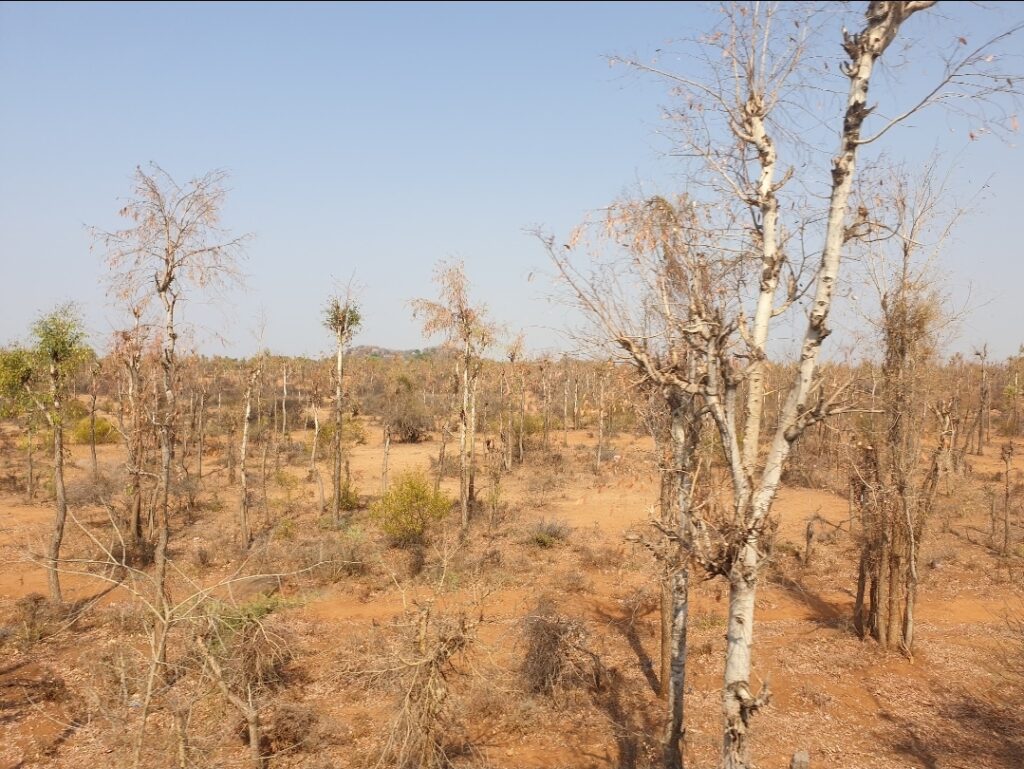
At present, the concern is not floods but reduced rainfall, drought like conditions and water shortages in several parts of India.
Q. What is the difference between El Niño and Super El Niño?
El Niño and La Niña are part of a larger climate system called ENSO, or El Niño-Southern Oscillation.
For India, El Niño usually reduces monsoon rainfall, while La Niña tends to increase it.
But the impact of El Niño is not the same everywhere in the world. In India, it may weaken rainfall causing droughts, while in some other regions it may cause floods.
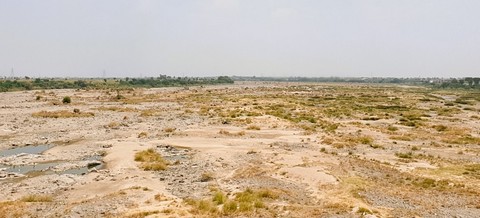
A Super El Niño is a much stronger event. It has a wider global impact and can affect a larger part of the world.
For India, such a strong El Niño can mean a weaker monsoon, lower reservoir inflows and a greater pressure on water availability in the country.
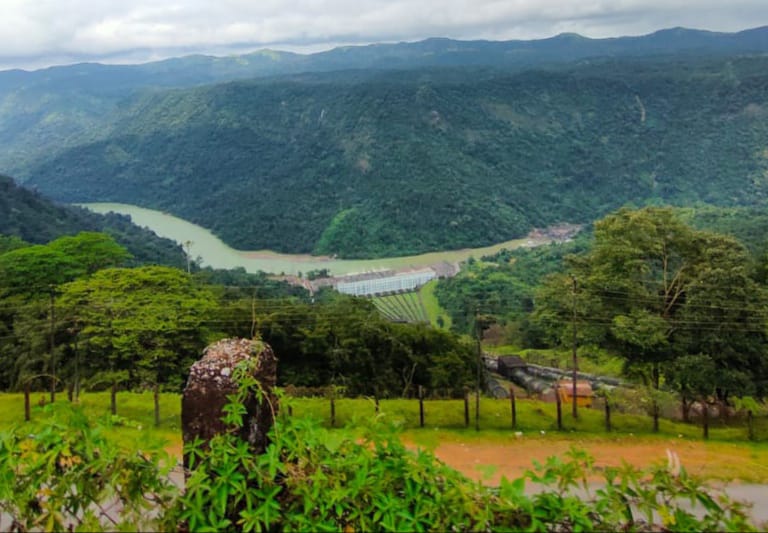
Q. How does climate change affect El Niño and rainfall patterns?
El Niño has existed for thousands of years. The exact impact of climate change on El Niño is still being studied, and there is uncertainty.
However, climate change is already intensifying droughts and increasing episodes of heavy rainfall across the country. A warmer atmosphere can hold more moisture. Because of this, when rain does fall, it can come in short, intense spells.
This means India may face both drought stress and extreme rainfall events in a warming climate. The challenge is that rainfall may become less evenly distributed, making water planning more difficult.
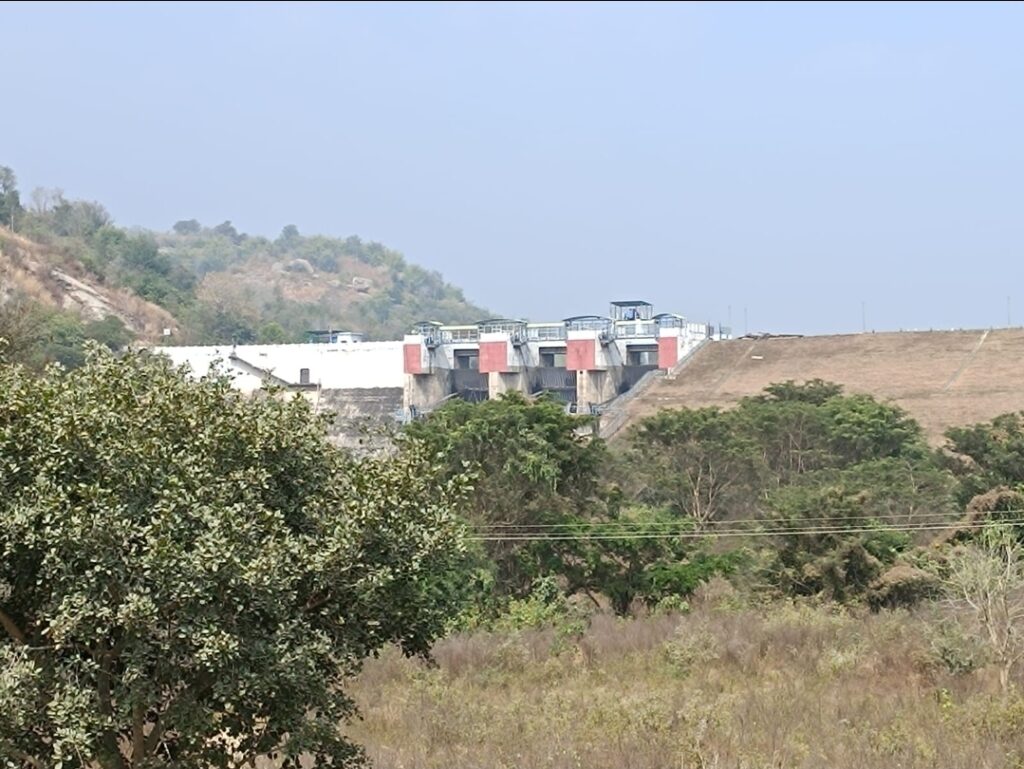
Q. How does weak rainfall create a chain reaction for agriculture, drinking water and hydropower?
When rainfall is weak, reservoir levels fall. This reduces water available for irrigation and drinking water. River flows decline and soil moisture reduces, which affects crops, especially rain-fed crops.
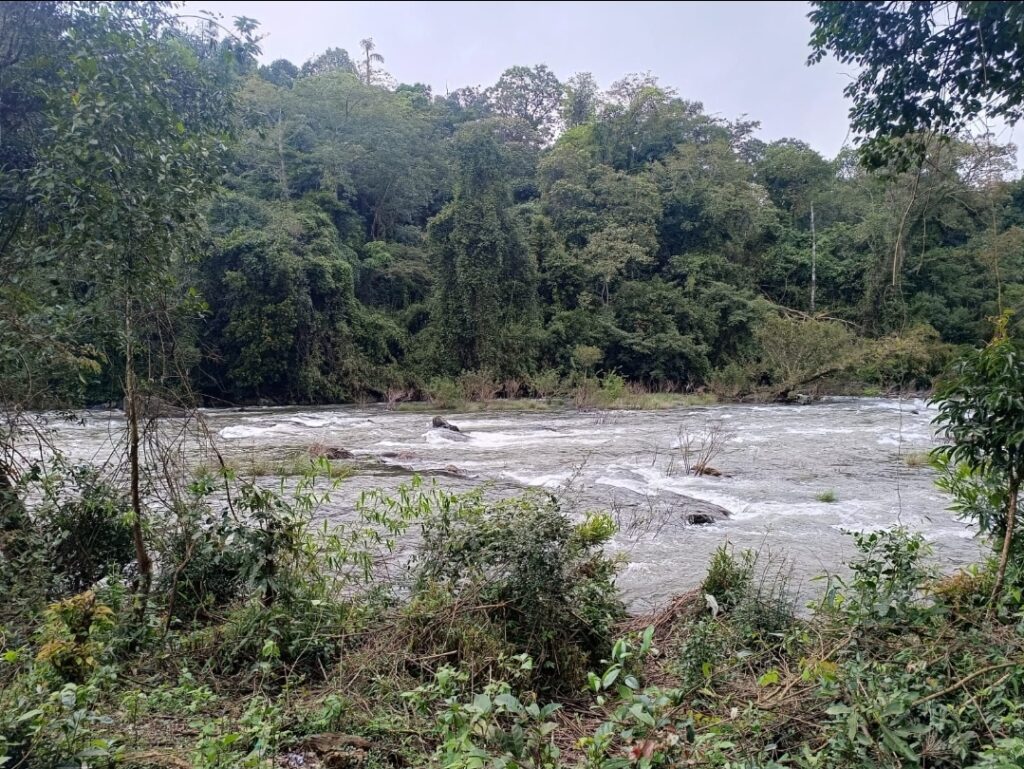
Groundwater recharge also becomes weaker because there is less rainfall to percolate into the ground. Hydropower generation can also suffer because reservoirs do not receive enough inflow.
The major concerns during an El Niño-linked rainfall deficit are:
- Drought,
- Drinking water stress,
- Irrigation shortages and
- Reduced hydropower generation.
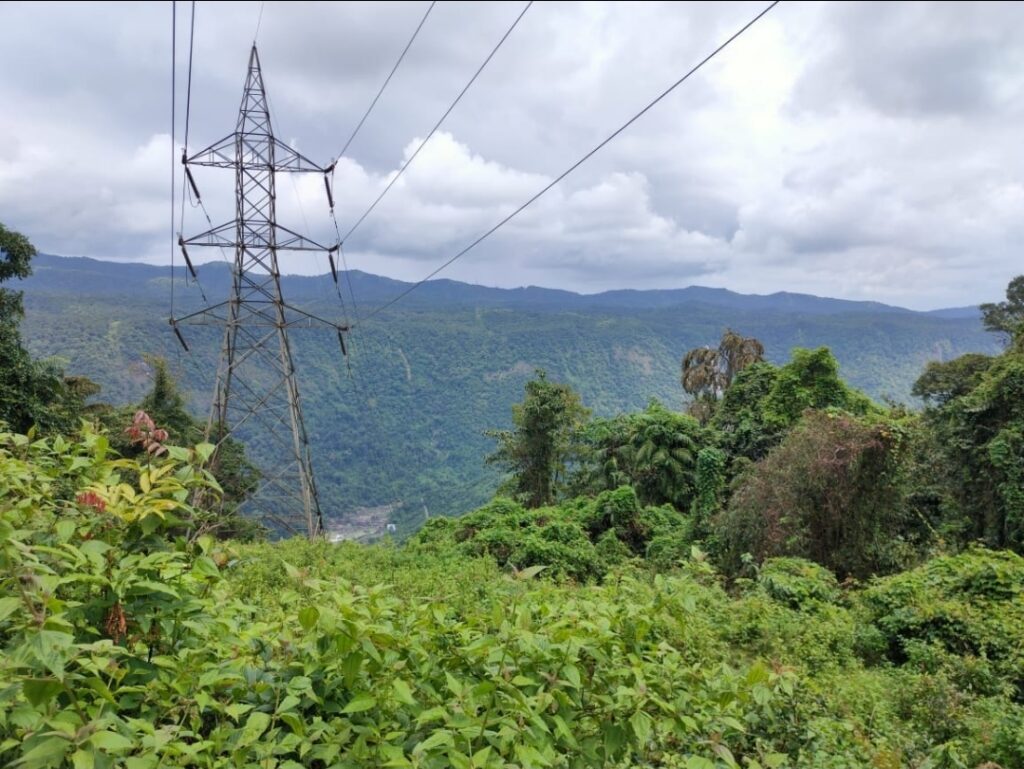
Q. Can large dams solve long-term water problems during El Niño years?
Large dams and reservoirs have trade-offs. They can affect biodiversity, downstream communities and the amount of water reaching downstream rivers and deltas.
Reservoirs themselves are also vulnerable to El Niño. If there is not enough rainfall and river inflow, even large reservoirs cannot solve the problem.
Large dams may provide storage, but they cannot guarantee water security when rainfall itself becomes uncertain. India needs to look beyond dams and think about reducing water demand.
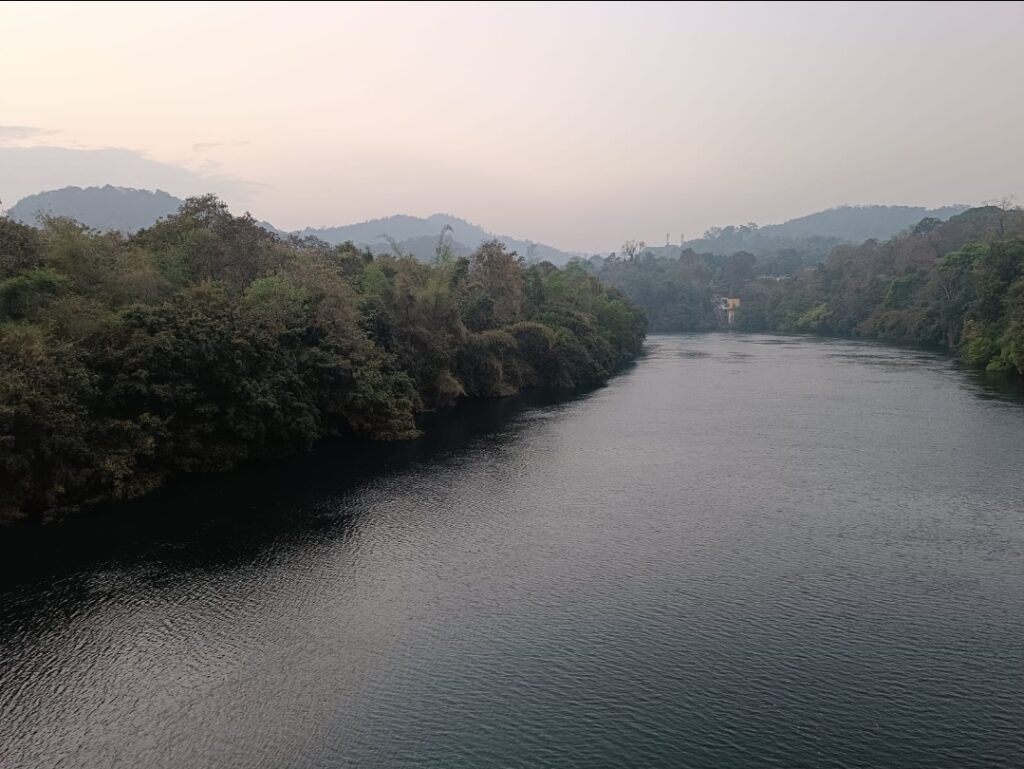
Q. What should India do instead of relying only on dams and reservoirs?
India must focus strongly on reducing water demand, especially in agriculture. Nearly 80 to 90 percent of accessible surface water and groundwater is used by agriculture. Therefore, changing cropping patterns is very important.
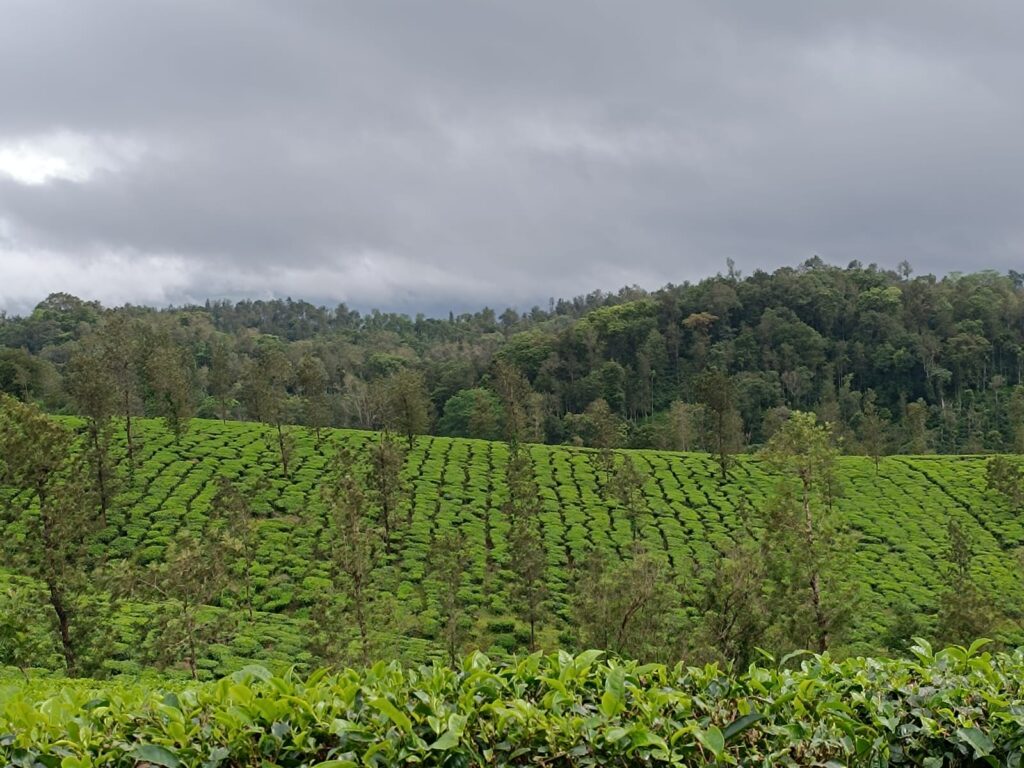
Water-intensive crops such as sugarcane, paddy, tea and wheat need to be reconsidered, especially in water-stressed regions. Crops such as millets and pulses use less water and should receive more attention.
This shift is not easy because sugarcane is now also linked to ethanol production for blending with petrol. However, ethanol can also be produced from other biomass sources, reducing pressure on water-intensive crops.
Q. What role should cities play in water security?
Cities and towns must think seriously about recycling wastewater.
Bengaluru depends on water from the Cauvery, while Delhi depends on water brought from distant reservoirs. Cities cannot continue taking clean water from rivers and groundwater, converting it into wastewater and then polluting the environment.
Instead, wastewater should be recycled and reused on a much larger scale. This will reduce dependence on distant rivers and reservoirs and improve long-term water security.
Q. What should governments do now?
Governments must first ensure that farmers are protected through economic and other support measures during drought years.
In the long term, they should encourage less water-intensive crops, reduce agricultural water demand, improve water-use efficiency and promote wastewater reuse.
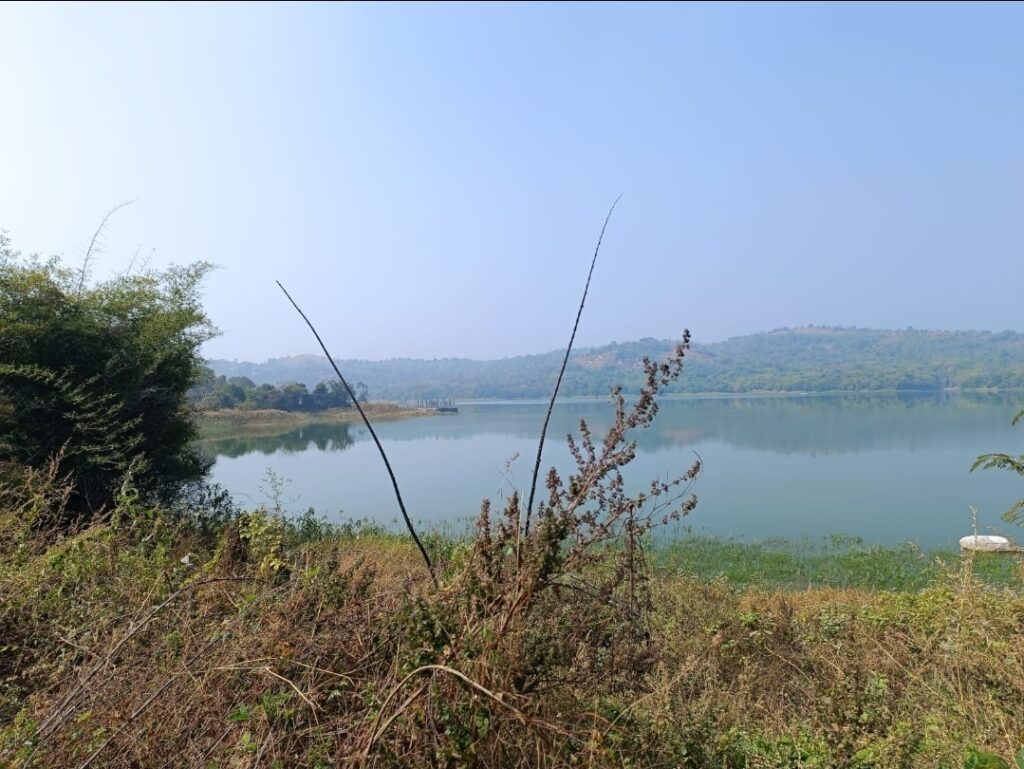
Water security cannot depend only on building more dams. It will require wiser use of available water, lower demand and better preparation for increasingly uncertain rainfall patterns.
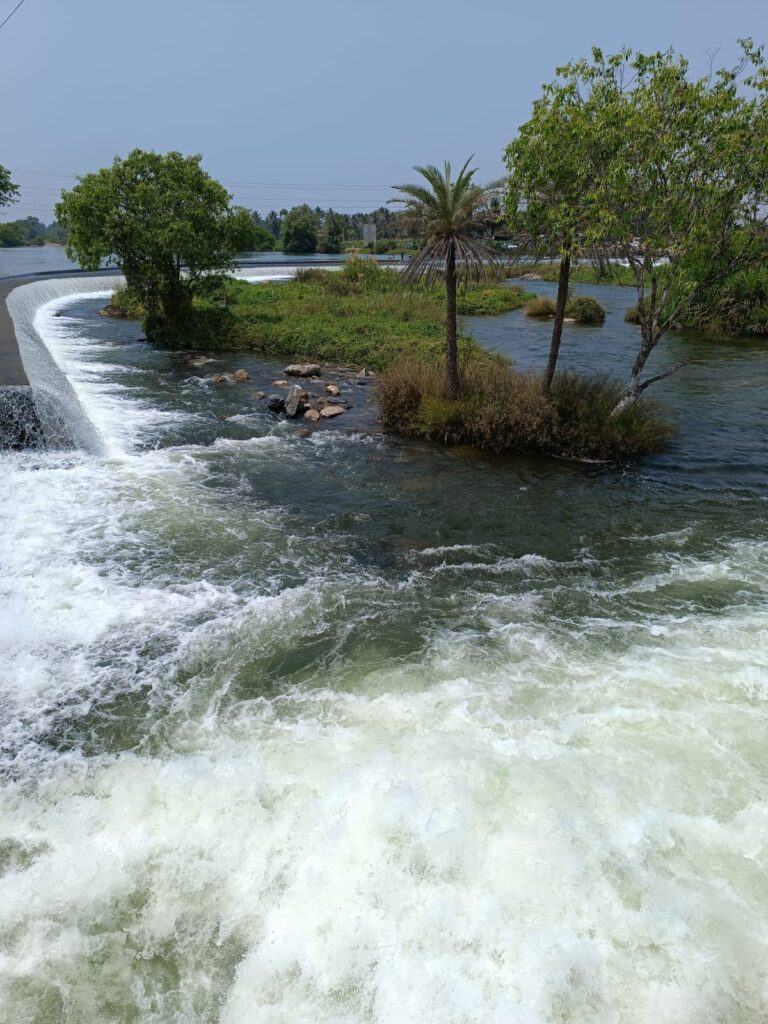
(PHOTO CREDIT: ALL PHOTOS OF DAMS, AGRICULTURAL & PLANTATION LANDS, RIVERS BY MEERA BHARDWAJ AND R S TEJUS)