
Meera Bhardwaj @ Muthathi:
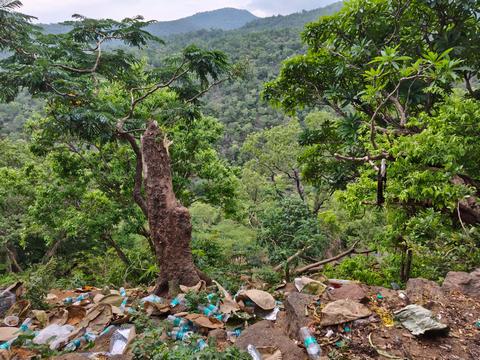
The dense forests of Muthathi, flanked by the Cauvery River, with its ancient Anjaneya (Muthuraya) temples is a major pilgrimage, cultural and tourist destination of Karnataka. The pristine forests are facing problems of plastic waste pollution while the Cauvery River that splits the Cauvery Sanctuary faces dumping of used clothes, pooja materials and unrestricted entry into the waters.
However, the entire Muthathi forests falling inside the protected area of Cauvery Sanctuary will be completely submerged for the Karnataka Govt’s ambitious Mekedatu Balancing Reservoir Project if this controversial eco-disastrous project gets environmental, forest and wildlife clearances.
Teeming with wildlife, the Muthathi forests with its quaint villages and hoary Anjaneya temples is just about 100 kms from Bengaluru city and is situated in Kanakapura taluk of Bengaluru South district, Karnataka.
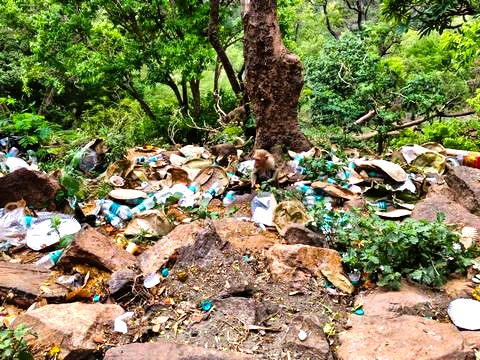
Shockingly, the Muthathi forests (situated inside the Cauvery Sanctuary) are facing indiscriminate dumping of plastic and food waste by people. The forests witnesses heavy footfall of pilgrims and tourists. This is in the absence of any regulation and imposition of heavy fines by the Karnataka Forest Department.
POLLUTION IN VERDENT MUTHATHI FORESTS
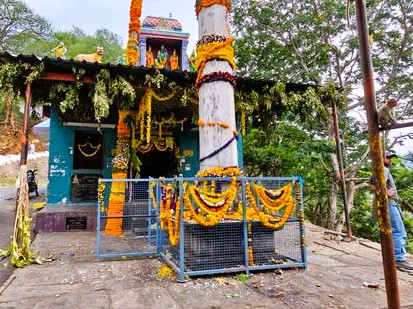
Green Minute News visited two famous forested pilgrimage spots – the Sri Paadadhare Anjaneya Swamy temple which is located on the edge of a steep and verdant hill inside the Cauvery Wildlife Sanctuary and another temple on the banks of the Cauvery River – the Sri Muttettaraya Swamy Temple located in the Muthathi village.
Located in the Muthathi forests of Cauvery Wildlife Sanctuary, the Sri Paadadhare Anjaneya Swamy Temple attracts a lot of pilgrims from nearby taluks, Bengaluru, Mandya, Kollegal and Mysuru. Further, Muthathi forest is considered a very sacred site for worship of Lord Anjaneya Swamy in Karnataka.
ABSENCE OF REGULATION
Local residents and temple authorities expressed their helplessness in controlling or regulating the severe contamination of forests by dumping of plastic waste, flower garlands and food containers by tourists and pilgrims. They said, it was the duty of forest officials to bring in regulation as it was not possible for them to control neither the unruly crowds or moving tourists who dump waste in the hill ranges of the forests.
Speaking to Green Minute News, Gowrish Hanuman, the Priest of the Paadadhare Anjaneya Swamy Temple at Muthathi said, “It is not possible for us to clean the forests which are located deep down the hills. If we advise them not to dump any trash near the temple which is in the midst of Muthathi forests with its teeming wildlife, nobody listens to us. The forest department should take action and maintain the sanctity of the forests.”
RIVERINE FORESTS
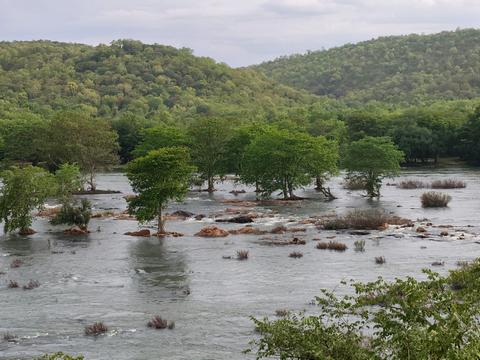
Situated on the banks of Cauvery River, the serene and verdant forests of Muthathi – interspersed with villages, is home to ancient traditions and temples and Muthathi is dedicated to Lord Anjaneya Swamy.
A local guide adds, “If the Mekedatu Balancing Reservoir Project is implemented, the entire Muthathi forests with its dense shrublands, hills and temples will be submerged and places have already been marked by the authorities. This is a dense forest frequented by elephants, sloth bears, dholes, wild boars, leopards and other wildlife.”
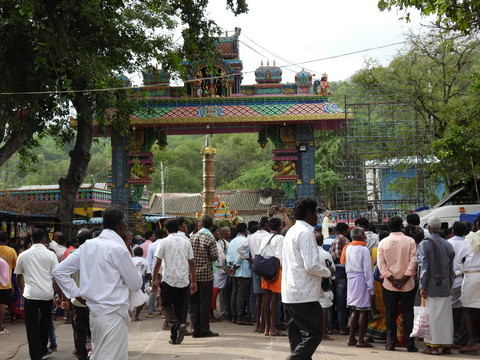
Apart from this, the ancient traditions and cultural folklore associated with the villages too will be lost for ever, the village youngsters and shopkeepers informed.
Muthathi villagers are aware of this fact but hope that the temples and their unique culture will be preserved and not destroyed due to the construction of the Mekedatu Balancing Reservoir project.
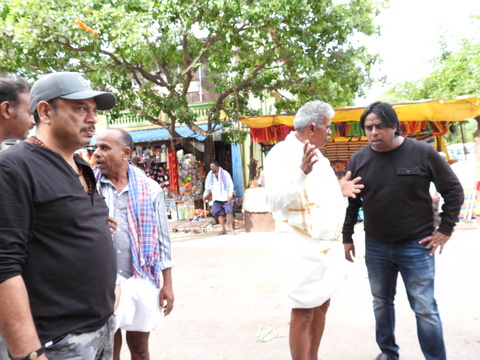
The annual Shri Muttettaraya Swamy Temple Jathre in Muthathi takes place annually around late August or early September, coinciding with the end of the holy Shravana month.
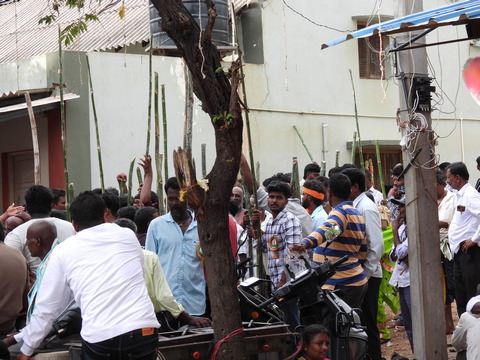
Even as we traversed around the Muthathi village and spoke to many people participating in the local Jathre, they said it was a unique ritual where a pot filled with curd and honey is hung from a large banyan tree, and devotees try to break it using bamboo sticks.
SANCTUARY RULES FLOUTED
The highly revered Muttettaraaya Swamy Temple is situated inside the protected area and dense forests of the Cauvery Sanctuary in Karnataka. The temple sits right on the banks of the Cauvery River within the sanctuary limits, surrounded by the Basavana Betta State Forest range.
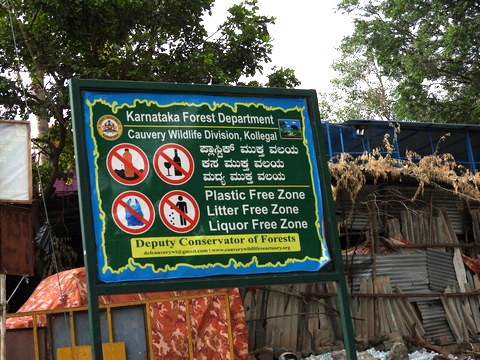
Visitors traveling to the temple have to pass through Karnataka Forest Department check-posts and must abide by sanctuary rules regarding plastics and restricted hours but that rule is hardly followed by the pilgrims and tourists.
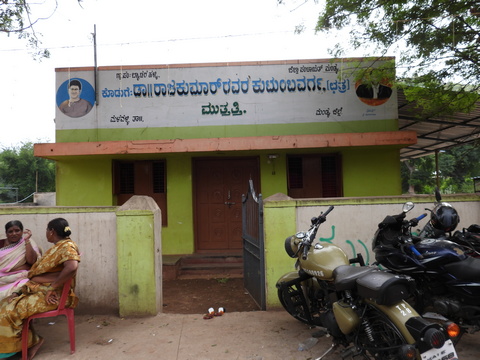
Further, the Muthathi village and its temple have a deep connection with Dr Rajkumar, the late Kannada matinee idol who was named after the local temple deity – Muthathiraya. There is also a school built by Dr Rajkumar’s family in the village; however, it is now in a very bad condition.
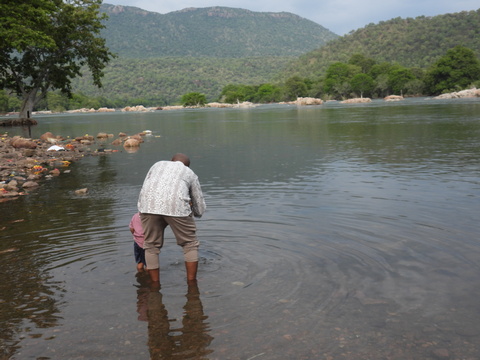
The less said the better about the environmental degradation in these two temple sites. Despite innumerable signboards on the river bank of Cauvery, people dump used clothes in the river while others even parents with children take a dip in the Cauvery River which is infested with mugger crocodiles.
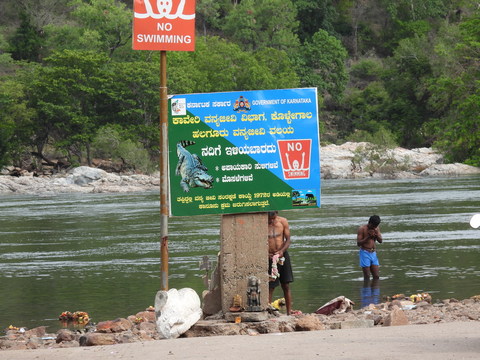
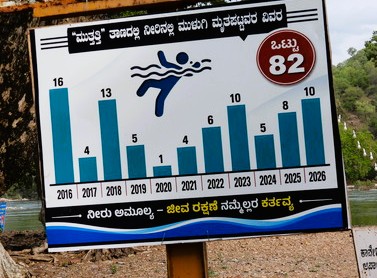
The Karnataka Forest Department has also installed boards highlighting the number of people who have died in the last decade while taking a bath or those injured in crocodile attacks.
But this has not deterred the pilgrims from entering the Cauvery River for taking a bath. They dump their clothes in the river without any care or concern before visiting the much-revered Muttettaraya Swamy Temple.
During our visit on September 3, when the annual Jathre associated with the Muttettaraya Swamy Temple was going on, people were not only participating from the Muthathi village and other nearby districts but also taking a bath in the Cauvery River.
Amidst the ongoing Jathre, Green Minute News managed to talk to local residents of this village which has a population of about 100 families.
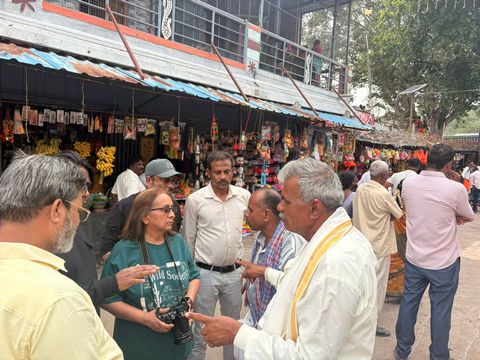
The traders and residents do not seem to be bothered about the submergence of their village; however, they expressed their deep unhappiness about the loss of their ancient heritage in the event of submergence for the Mekedatu Balancing Reservoir Project. Further, they highlighted the significance of this ancient temple in their daily lives.
According to local residents of Muthathi village, during the Tretha Yuga when lord Rama was in exile, Sita lost her pearl-studded nose ring while bathing in the Cauvery River.
However, Lord Anjaneya dipping his tail in the deep waters of Cauvery River, recovered the pearl nose ring. So, this legend has earned the verdant forested hills “Muthathi” as its name.
Appealing to the Karnataka Forest Department, the Sri Paadadhare Anjaneya Swamy Temple priest and residents in Muthathi hoped their heritage is spared from the Mekedatu Balancing Reservoir Project and further, the dumping of plastic and other waste in the pristine forested hills is stopped and resolved once for all.
(PHOTO CREDIT: ALL PHOTOS BY MEERA BHARDWAJ AT MUTHATHIS VILLAGE & SANGAMA WILDLIFE RANGE, CAUVERY SANCTUARY)