
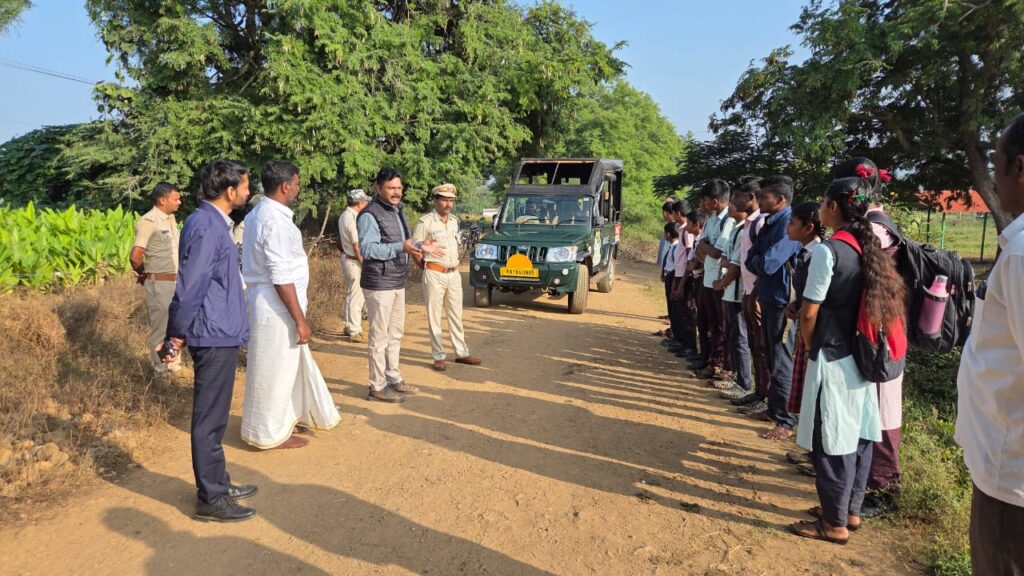
R S TEJUS @ MM HILLS
The MM Hills forests is one of Karnataka’s youngest Protected Areas (PA) having received Sanctuary status only in 2013. Over the years, the region has faced several pressures including high human–wildlife conflict, grazing, poaching, and other anthropogenic issues.
Despite these challenges, the forest officials of MM Hills Wildlife Division have been working tirelessly to stabilise the landscape and strengthen conservation on the ground.
The recent tiger killings in Hoogyam and Hanur ranges, which shook the nation, have now opened the doors to a fresh and determined phase of cooperation. The focus has shifted to meaningful community engagement and shared responsibility, ensuring that such incidents do not occur or repeat.
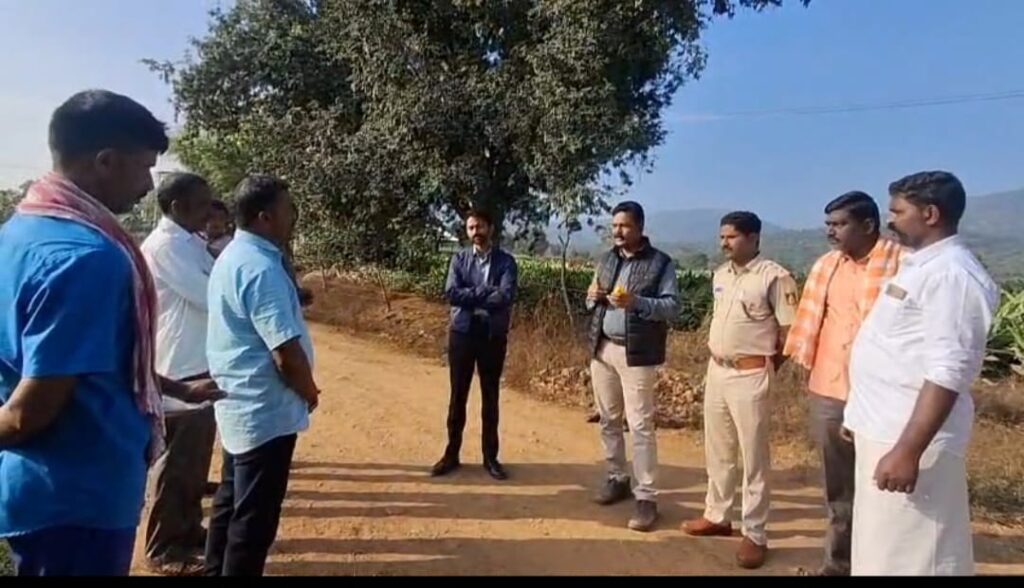
NEW LEADERSHIP
The MM Hills Sanctuary is currently under the dynamic leadership of DCF Bhaskar, widely admired for his clarity, dedication, and deep field knowledge. Senior officers have also ensured that updated conservation messages reach people who live closest to wildlife.
APCCF (Wildlife) Biswajit Mishra stressed the need for trust-building. “We must engage with villagers regularly. We must be one with them and listen to their problems. When they feel included, our job of protection becomes much easier,” he said.
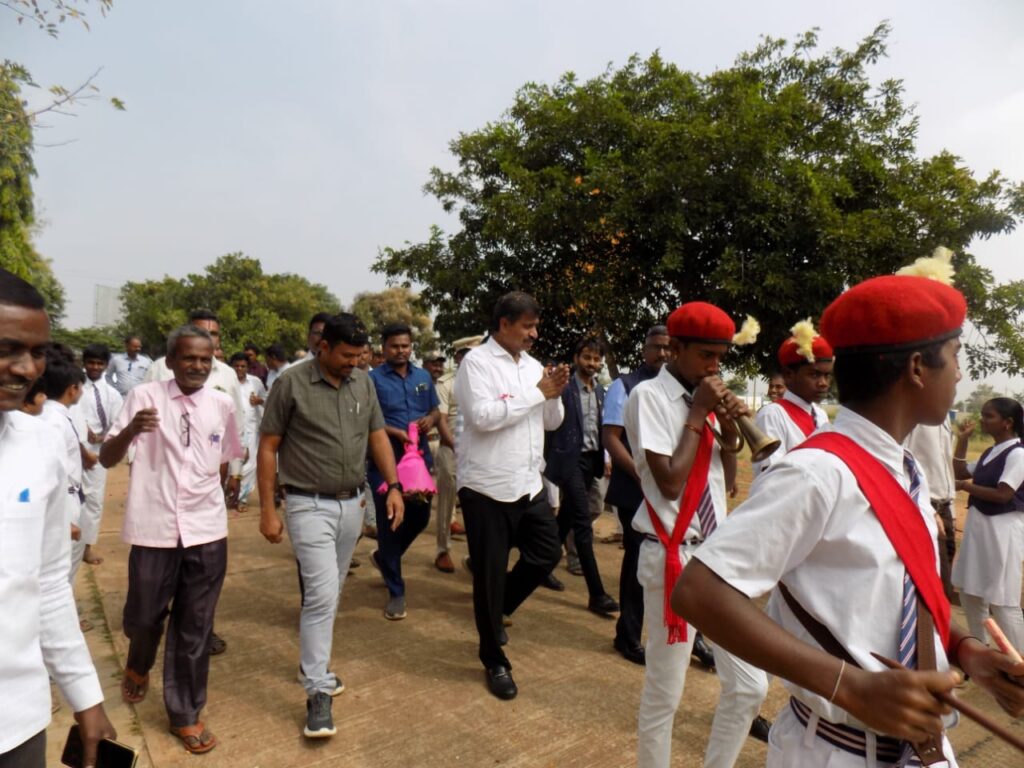
New Community Outreach Initiatives Across MM Hills
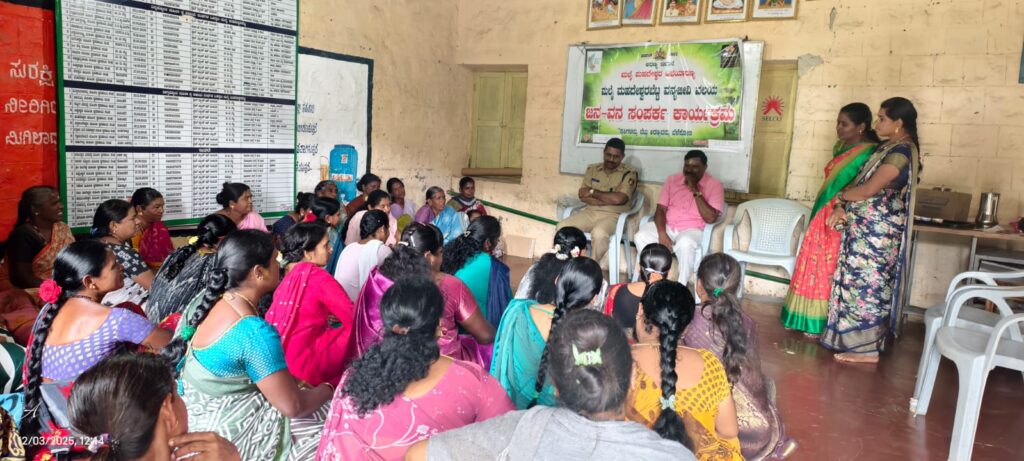
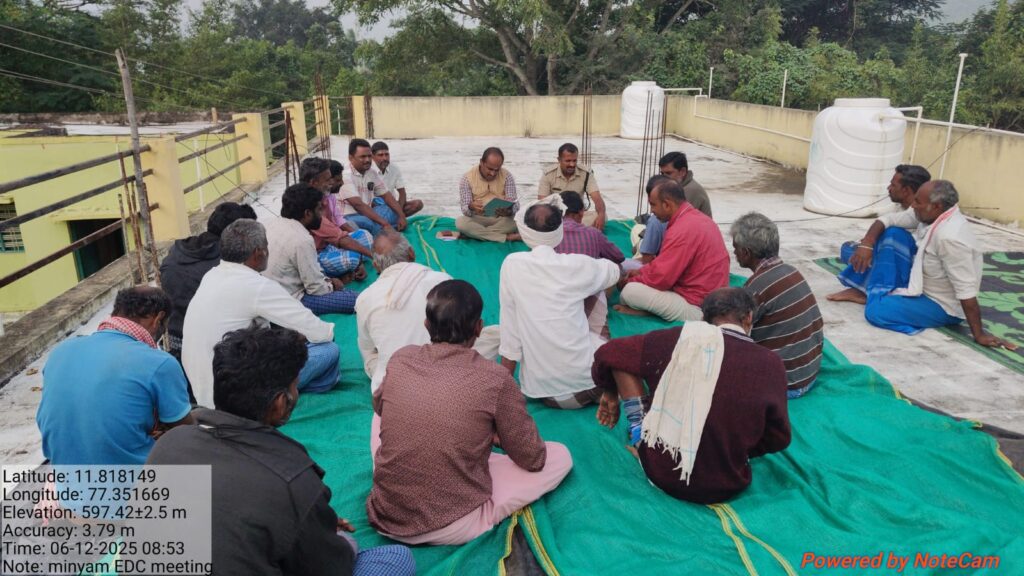
This year, the MM Hills Wildlife Division has undertaken numerous community outreach programmes aimed at building long-term trust. Many of the earlier defunct Eco-Development Committees (EDCs) and Village Forest Committees (VFCs) are now being revived through regular interaction with villagers from each committee.
Villages have been provided with solar lights, solar fencing, and other basic support systems to help reduce conflicts with wild animals. Regular outreach programmes including health camps for villagers have also been conducted.
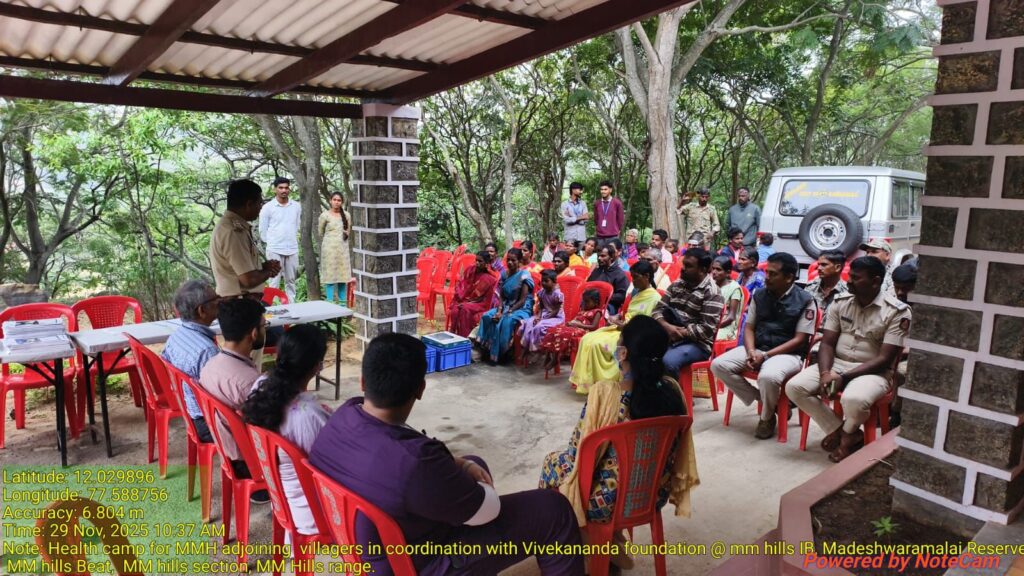
The sentiment of the local people who live in the fringes are not so good toward the Karnataka Forest Department and reviving the relationship with them and ensuring protection is the key towards peaceful coexistence.
And to revive this, it is extremely important that the engagement with them should be genuine and continuous and positive results may be seen within six months, said a senior forest officer.
Bamboo Processing Unit
One of the biggest success stories has come from the MM Hills Division’s livelihood efforts in providing emplyment to women in this region.
A Bamboo Processing Unit has been established at the Ponachi enclosure, which now provides daily employment to 80-100 women.
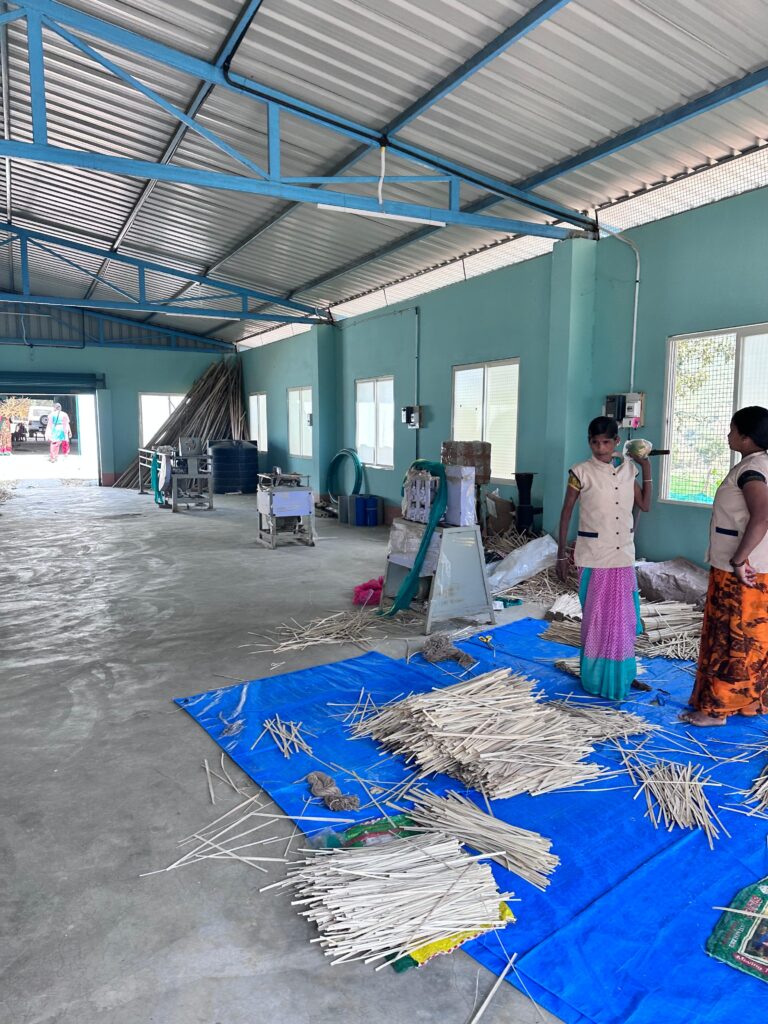
This has become a significant model for women empowerment in the MM Hills region and has created a sense of pride and ownership within the surrounding communities.
Meanwhile, the forest field staff continue to hold daily morning hadi meetings, interacting with families, listening to their grievances, and strengthening village-level relationships.
Support To Students
To support school-going children in remote enclosures, the Karnataka Forest Department has also initiated a vehicle service to help children travel safely from settlements such as Pachedoddi.
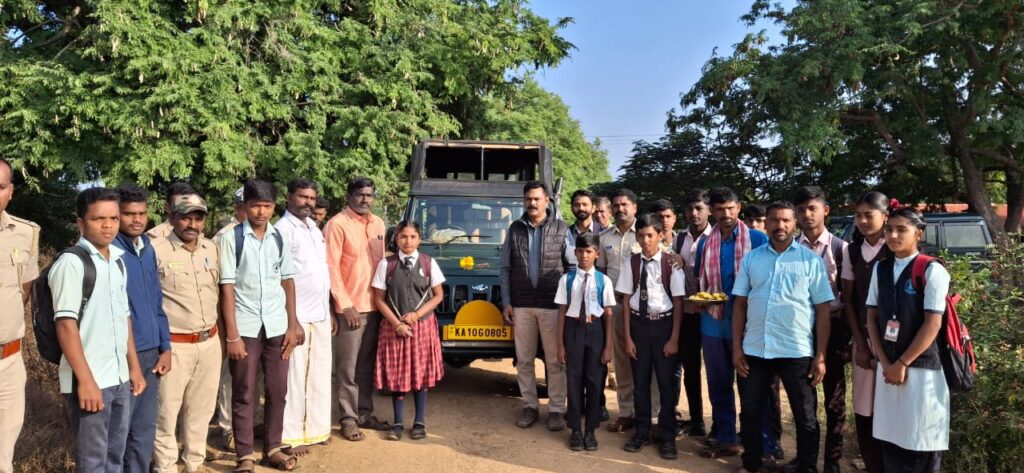
Prarthana, 10th Standard, Morarji Desai School
“We should not kill animals and we must protect our environmental balance. If we keep killing animals, we will not be able to save our environment. Every living creature that God has made, must be protected, because many of them are now on the verge of extinction. It is our responsibility to conserve all kinds of flora & fauna on our earth.”
Sandeep T, 9th Standard, Morarji Desai School
“If we keep killing wildlife, the ecological balance will be disturbed. Therefore, we must ensure their protection. Due to superstitions, some people believe that certain animal parts can cure diseases, and so, they kill animals for this reason. We must remove such myths from the society. Some people also hunt animals because they think horns and other parts are very valuable. All these activities must be stopped.”
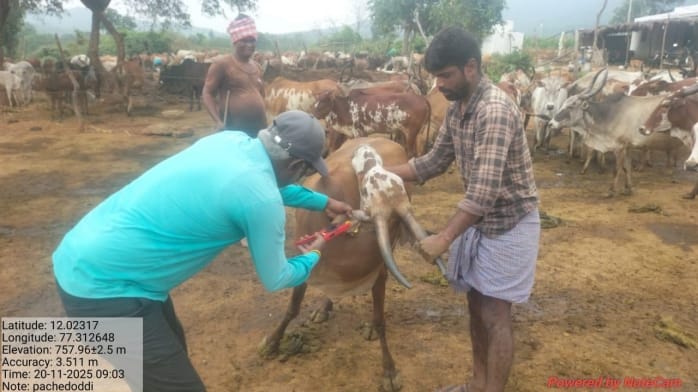
More Livelihood Efforts
Efforts are also underway to create more livelihood opportunities for local people through skill training in basket making, bamboo processing, and other forest-based crafts. CSR funds are now being mobilised to provide hybrid high-yielding cattle to villagers, which will help reduce dependence on grazing livestock deep inside the forest.
“Creating employment, reducing conflict, and giving people better alternatives are essential for long-term conservation in MM Hills,” said ACF Swapnil.
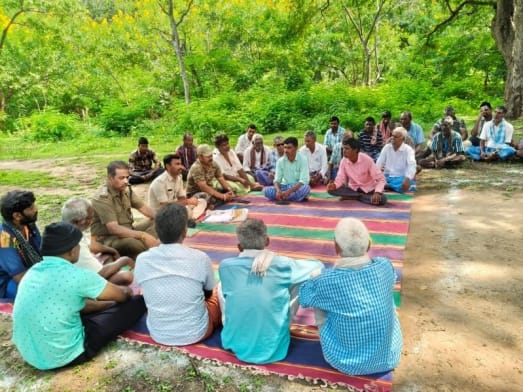
Public Engagement and Youth Participation
One of the strongest examples of youth-focused outreach came from Hanur Buffer Ranger Nagaraja, who has been working actively with students and families.
Under his leadership, an awareness programme was organised at the Morarji Desai School in Hanur, attended by Hanur MLA Manjunath, the ACF of Hanur Sub-Division Viraj, frontline staff, teachers, and students.
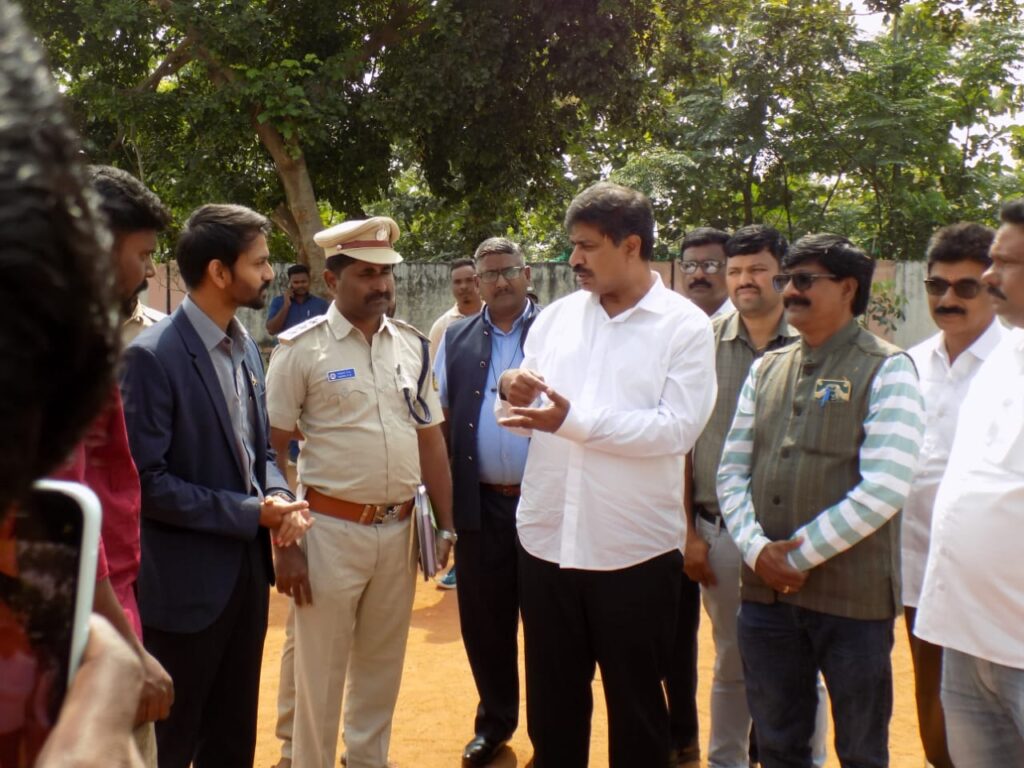
Speaking to Green Minute News ( greenminute.in ) MLA Manjunath said, “We are taking public engagement very seriously, and we are planning to involve youth as much as possible in conservation.”
Ranger Nagaraja highlighted that engaging children early is essential for building a responsible future generation.
The school’s Principal Prakash also told greenminute.in that caring for nature must become a collective mindset. “The more we love our mother Earth with its bounty of flora and fauna, the richer our well-being,” he said.
A Landscape with a Difficult Past
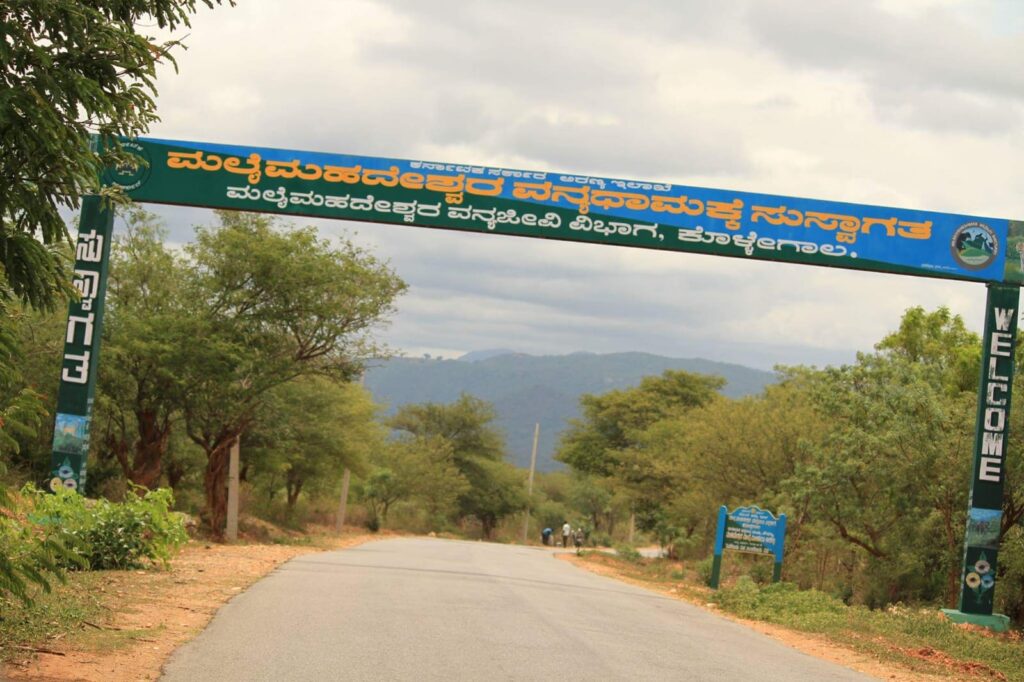
Even as the Sanctuary is young, the MM Hills forests are deeply shaped by their older, complex history and the difficult forest terrain that was occupied by criminals and gangsters.
For decades, the region was dominated by notorious bandit, poacher and smuggler Veerappan and his gang, whose heinous acts have left lasting scars.
Although some villagers still revere Veerappan, the reality remains:
- He killed many elephants
- He was involved in ivory smuggling
- He smuggled massive sandalwood
- He & his gang killed 184 people
- Brutally beheaded P Srinivas, IFS
His gang also caused the deaths of several forest staff, police personnel, and political leaders – shaping attitudes towards authority even today.
A renowned conservationist noted, “One must understand this history before engaging with the villagers. Only then can we address the root causes of conflict. A sensitive and proactive approach is key.”
Yedukondalu – Recollecting his Contribution
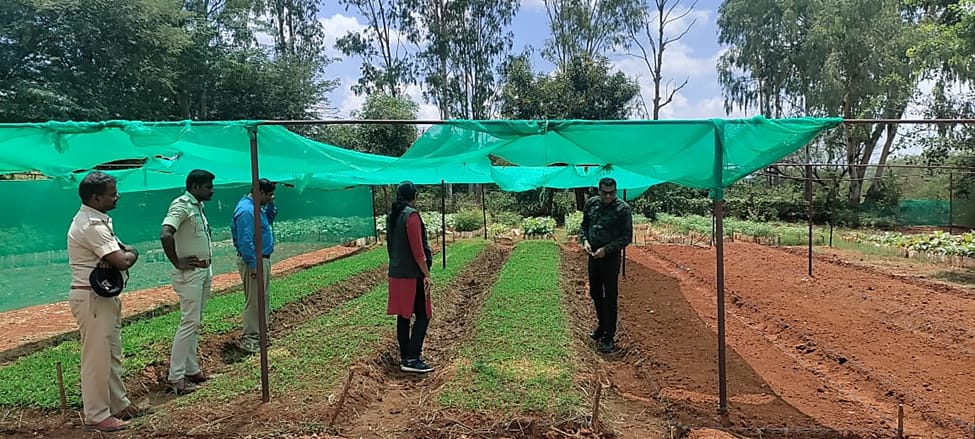
Many villagers and forest personnel continue to fondly recall Yedukondalu, IFS, who served as the DCF of MM Hills, a few years back. He is now the Chief Conservator of Forests (CCF) Hassan, but his work and kindness are still spoken with respect. His initiatives including the Jana-Vana Sethuve, the ghee processing unit, and several livelihood programmes were widely successful.
Senior officers said that plans are underway to revive and expand some of these impactful initiatives. The most ambitious Jana-Vana Sethuve which was the brain child of Yedukondalu has now been brought back to life by Bhaskar, DCF of MM Hills Sanctuary. This will ensure safety of the children for them to access the school.
Structuring Dialogue Through Village Committees
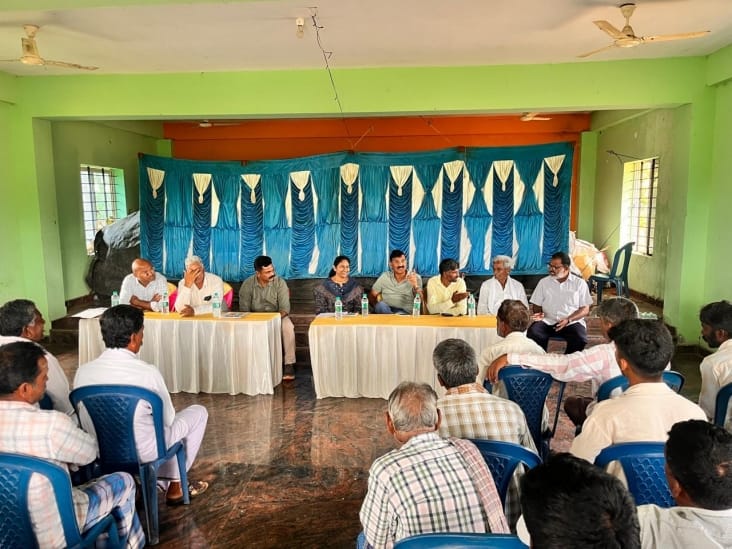
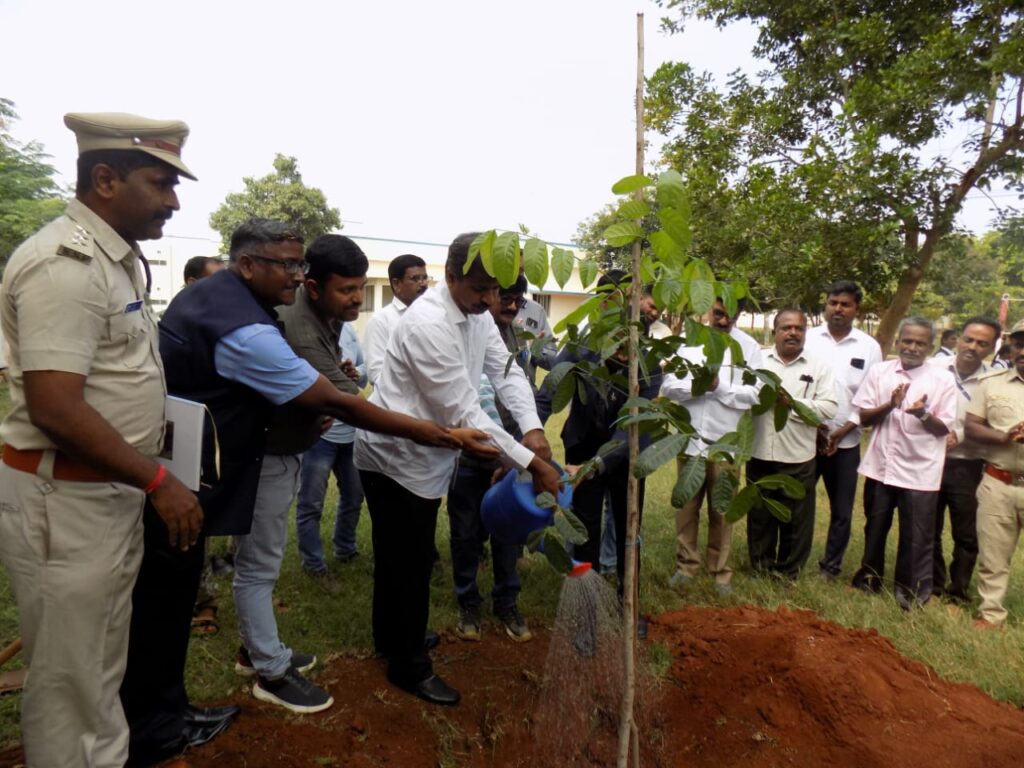
To ensure constant communication, EDCs and VFCs have been formed across all seven ranges of the MM Hills Sanctuary. These include:
MM Hills Range: Tulasikere, Kokkabare
Ramapura Range: Vinayaka, Gejjalanatha, Vanachinnapar, Varadoddi, Vanamaata, Sandanapalya, Bhoomata, Suswadi, Odekahalla
Hanur Range: Kothaguli, Basaveshwara, Mahadeshwara
Several more committees exist across the remaining ranges. The goal is to make villagers equal partners in conservation and reduce conflict through timely dialogue, transparency, and shared responsibility.
A New Beginning Built on Trust
In a region shaped by history, pressure, and conflict, the Karnataka Forest Department’s shift towards people-centric conservation is both timely and essential. MM Hills is stepping into a new chapter – one built on trust, respect, and cooperation.
With committed officers working consistently on the ground, supportive leadership, and villagers willing to engage when approached with dignity, the MM Hills Sanctuary is steadily moving towards a stable model of coexistence where both people and wildlife can thrive.