
R S Tejus:
The recent fire incident in Kudremukh National Park on 19 March 2026 should be seen as more than just a single event. It is a reminder of the growing pressure on Karnataka’s forests and the urgent need for stronger prevention, better monitoring and adequate manpower on the ground. Forest fires in India are man-made, not natural whether caused deliberately, through negligence, tourist activity, superstition, grazing-related fires or revenge fires.
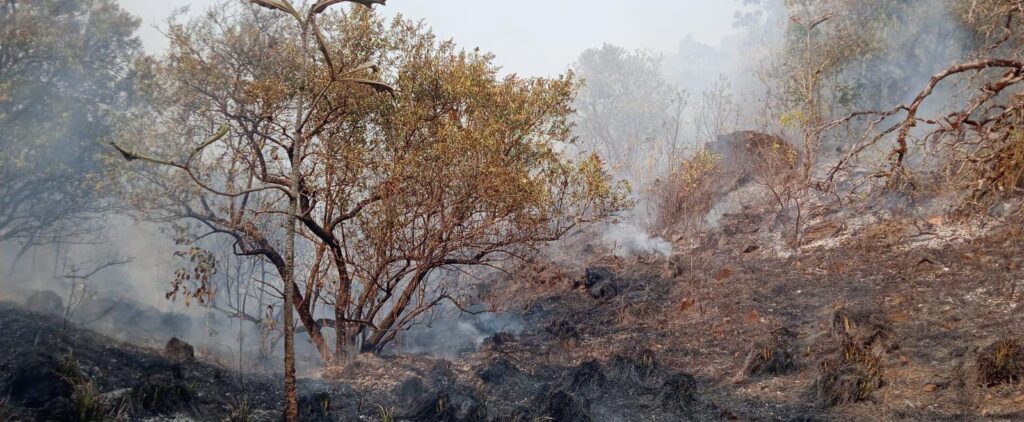
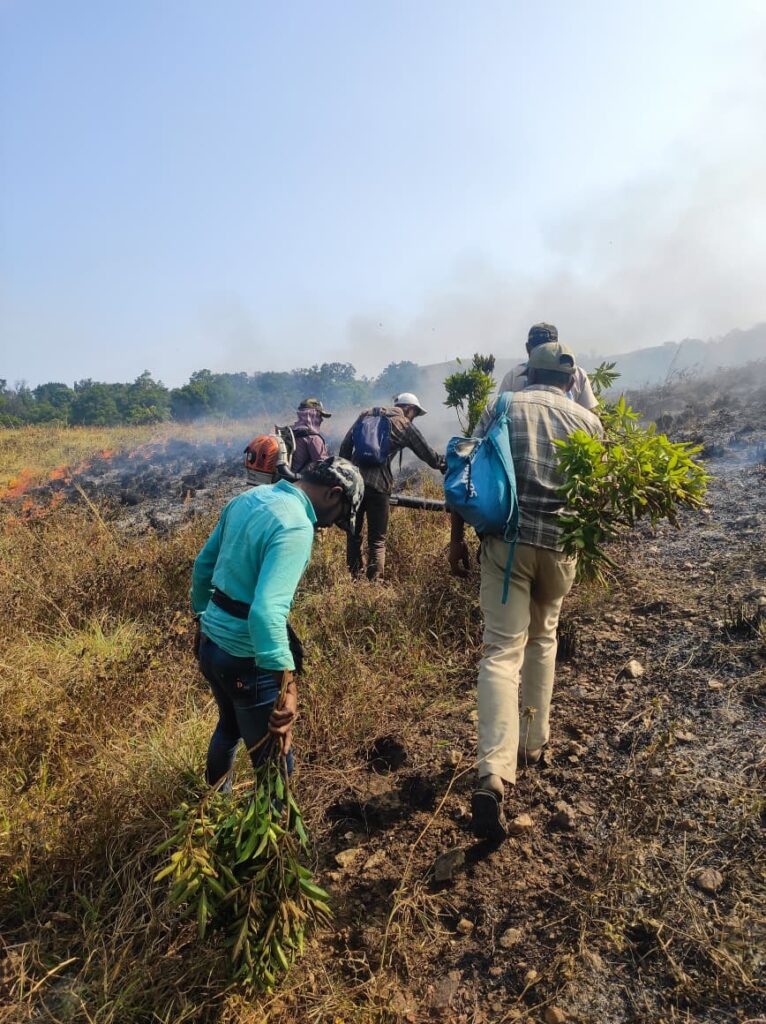
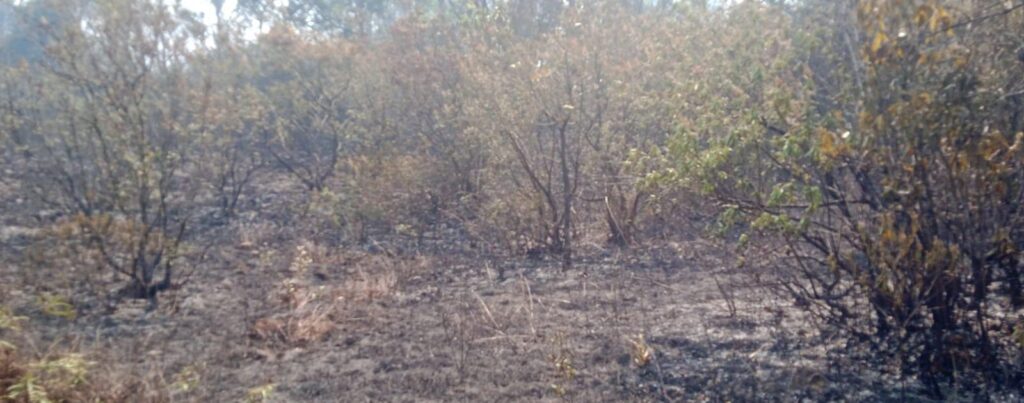
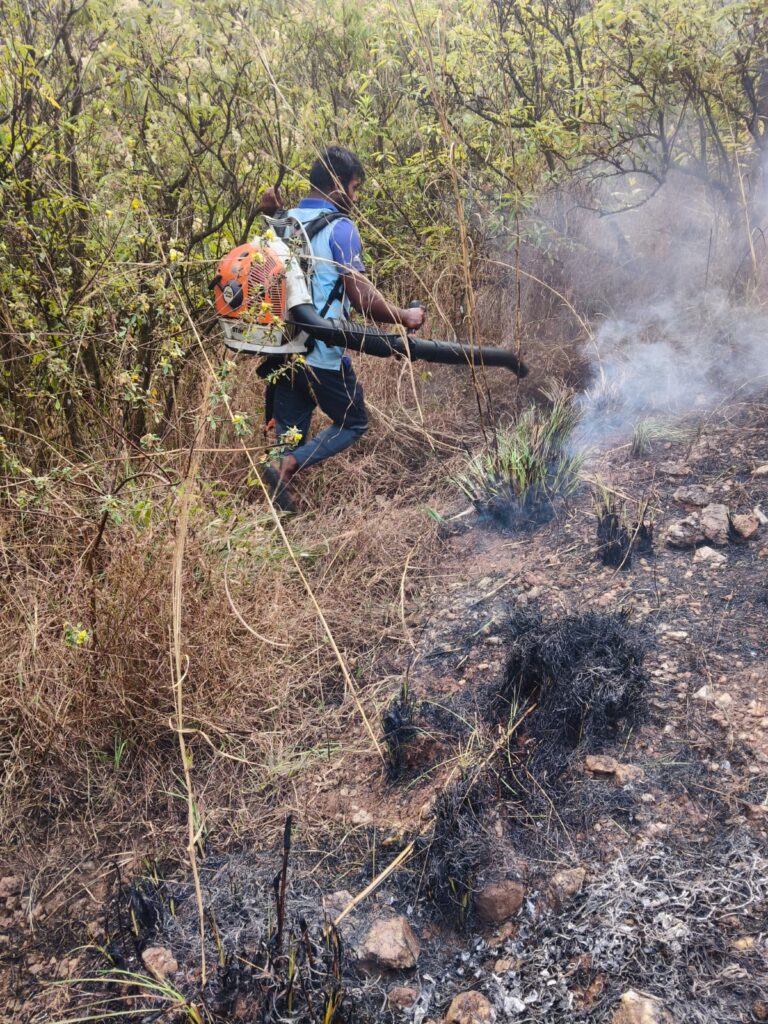
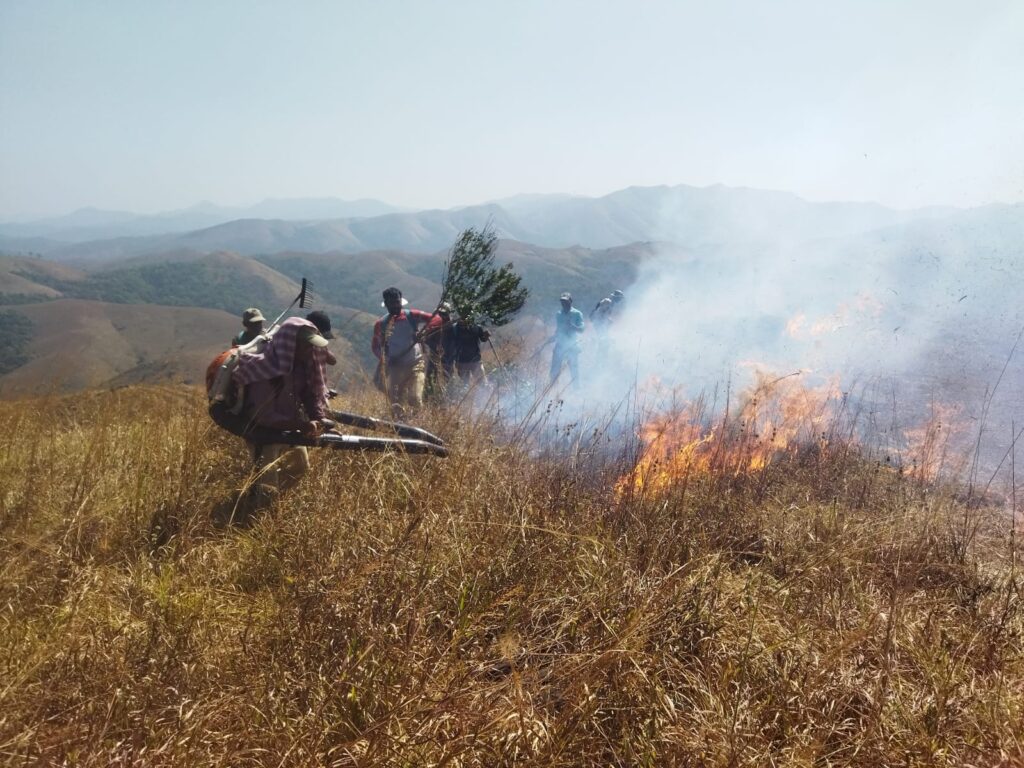
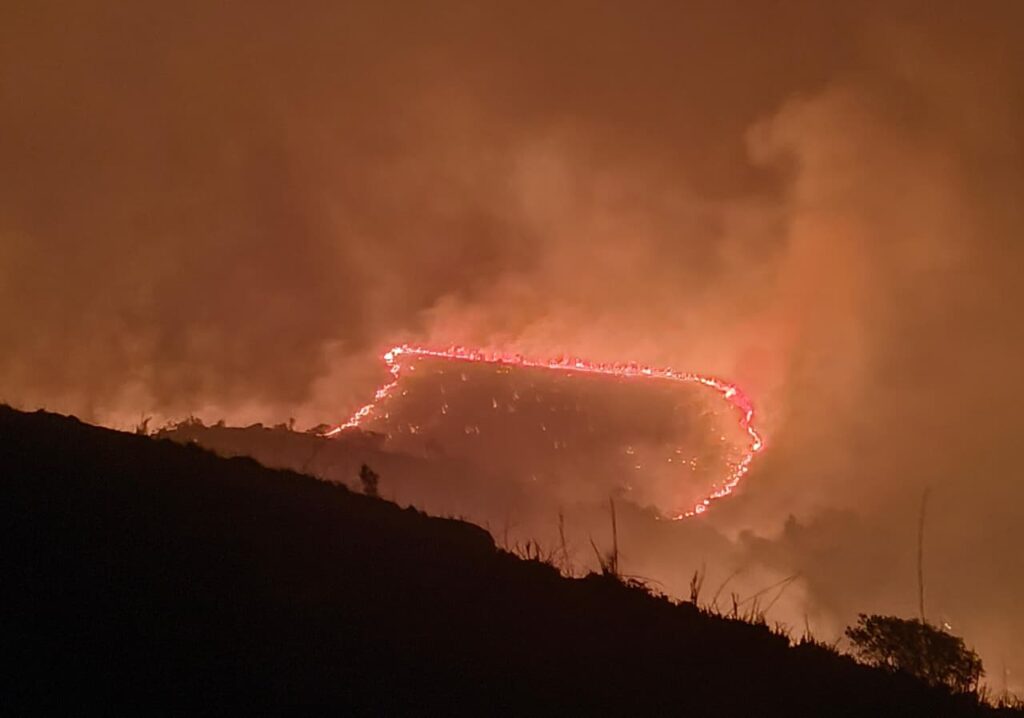
According to available information, the fire was reported on 19 March, 2026 in the Shirlu and Kigga beats of the Kerekatte range of Kudremukh National Park. A total of around 18 acres of grassland was affected. The department received information about the fire during the day, and staff were immediately deployed to control it. Because the fire had spread across grassland and because of the difficult terrain and wind conditions, bringing it under control was not easy. Firefighting operations continued until almost 10 p.m., by which time the blaze was finally doused.
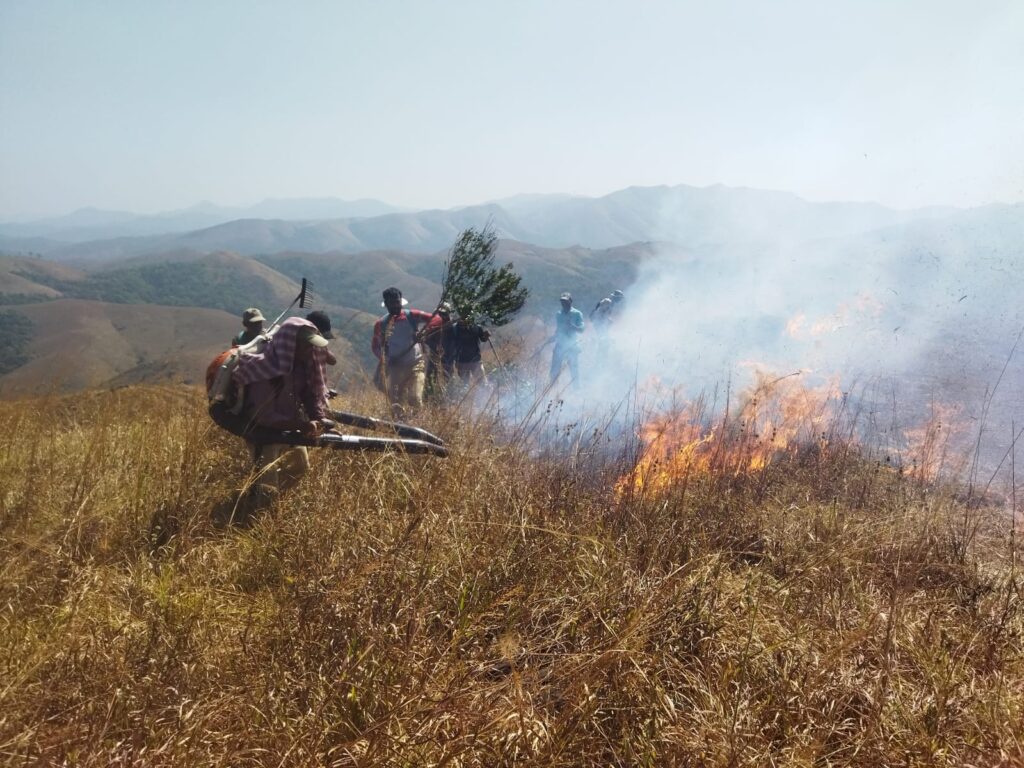
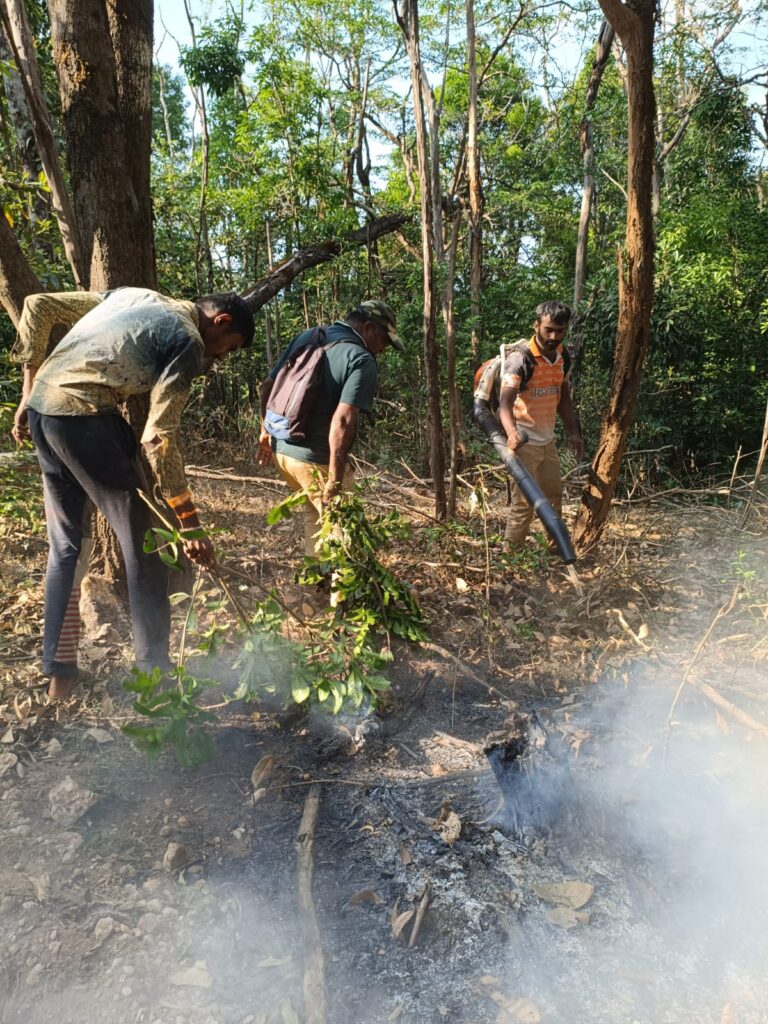
The department did not stop with that. On the next day, forest staff once again visited the area to examine the site, monitor the fire line and ensure that there was no chance of the fire restarting. Fire-prevention work and patrol were taken up again as a precautionary step. According to the department, the situation was brought under control and the fire was prevented from spreading further into more sensitive forest patches.
Officials have said that the fire was stopped before it could move into the nearby shola forests, which are ecologically fragile and highly important. ACF Sathish of Kudremukh said that the cause of the fire is under investigation and that the department acted in time to stop it from moving beyond the grassland area into the sholas. This was crucial, because if the fire had spread into the shola patches, the ecological damage could have been far more serious.
At the same time, sources said the fire may have been caused by tourists, since the affected spot is believed to be near a viewpoint and it is also said there is a village in the vicinity. If that is confirmed, it would once again underline the need for tighter monitoring in tourist-sensitive stretches of protected forests, especially during the fire season.
Forest, Ecology and Environment Minister Eshwar B. Khandre expressing deep concern over reports of fire incidents at more than 25 locations in Kudremukh National Park. At an emergency meeting with senior officials in Bengaluru, the minister ordered an inquiry led by Mangaluru CF Mariyappa Karikalan.
According to the minister, media reports suggest that the fires may have occurred for different reasons. He said that some people may have set fire due to superstition, while some miscreants may also have been involved. He also observed that the shortage of fire watchers may have contributed to the scale of the problem. He directed that a comprehensive investigation be carried out and that a report be submitted within seven days, along with recommendations for action against those responsible.
The minister further instructed officials to identify and take legal action against anyone found to have deliberately set fire to the forest. He also made it clear that accountability should apply within the department as well. If any lapses are found on the part of officers or staff, action should be recommended against them.
In another important direction, the minister said that some residents living inside the Kudremukh forest have voluntarily expressed willingness to move out. He instructed officials to prepare a detailed report on this and submit a proposal to include the relocation of forest dwellers under the annual action plan using CAMPA funds.
Those present at the emergency meeting held on Friday included Principal Chief Conservator of Forests and Head of Forest Force Meenakshi Negi, Chief Wildlife Warden Kumar Pushkar, and Principal Secretary Manoj Kumar.
The larger concern, however, goes beyond Kudremukh alone. Conservationists have repeatedly pointed out that forest fires are a recurring seasonal threat in Karnataka. Fires have also been reported from the Kothanur range of Cauvery Sanctuary and in parts of the BRT Tiger Reserve. In some places, cattle grazing-related fires and revenge fires are often mentioned as possible causes. But the broader point remains crucial: forest fires in India are man-made, not natural.
Conservationists say the only question in most cases is whether the fire was deliberate or accidental. This is important because forest fires are often spoken about as though they are inevitable natural events, when in reality they are usually linked to human action, negligence or intentional burning.
Conservationist Shreedev Hulikere has stressed that the Forest Department must focus not only on response, but also on forethought, planning and preparedness. According to him, awareness is essential in areas abutting sensitive forests. People must be informed about the damage caused by fire, and common myths — such as the belief that fire helps produce fresh shoots or kills ticks — must be clearly discarded.
He has also pointed out that the damage caused by fire goes well beyond what is immediately visible. Fires increase air pollution, raise surface and ambient temperatures, burn the land and damage the soil. Repeated burning can harden the soil, reduce its ability to support growth, increase erosion and make slopes more vulnerable to slips and slides during the monsoon.
He further argues that the department should keep existing firebreaks and fire lines free of litter, rather than treating fresh cutting of fire lines as the main solution, especially in moist deciduous and evergreen forests. Most importantly, he says every fire incident must be investigated properly, evidence must be collected, and strong legal action must be taken against those responsible so that it acts as a real deterrent.
This brings the focus back to one of the most important structural issues: manpower shortage. Major protected areas and parks in Karnataka are widely understood to be functioning with minimal staff strength, and in some cases with only around 50 per cent manpower. Such shortages affect everything — regular patrols, deployment of fire watchers, visitor monitoring, maintenance of fire lines, early detection and rapid response in difficult terrain.
The department did respond to the Kudremukh fire and succeeded in preventing it from spreading into more sensitive forest patches. The effort of frontline staff and watchers deserves recognition, especially in such difficult conditions. But repeated incidents show that the real challenge is to extinguish fires after they start. The real challenge is to prevent them, detect them early and ensure that there is enough staff and planning in place before the crisis unfolds.
The Kudremukh incident should therefore be treated as a serious warning. When fires are reported from multiple locations inside one national park, it is no longer enough to see them as isolated seasonal events. They point to larger gaps in vigilance, awareness, staffing and preparedness. Karnataka’s forests are too important to be protected only through emergency response. What is needed is stronger prevention, better staffing, closer monitoring of human activity, and clear accountability.
(PHOTO CREDIT: ALL IMAGES FROM KARNATAKA FOREST DEPARTMENT & OTHER MEDIA)