
Manjunath Nayak:
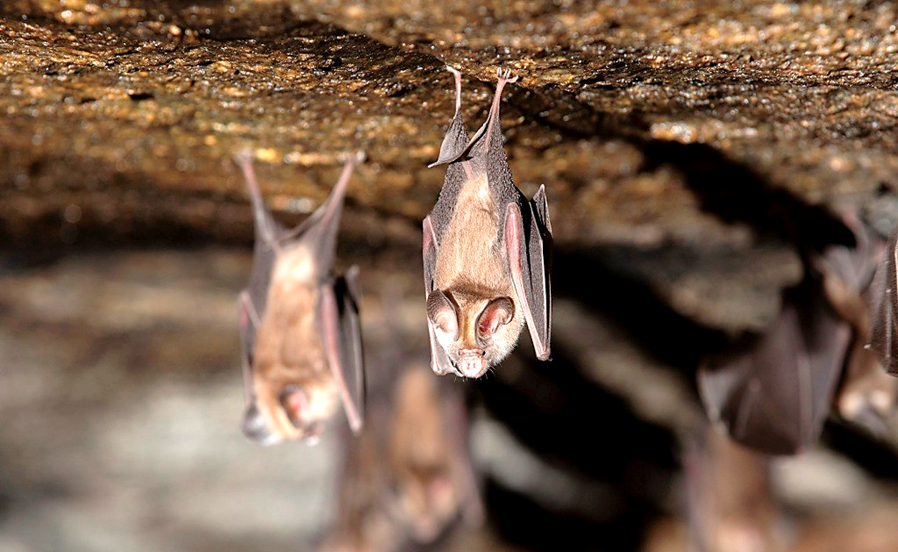
Even as we are celebrating World Bat Appreciation Day on 17 April, 41 species of bats have been identified and recorded in Karnataka till date. With many species across the world either critically endangered, endangered, vulnerable and threatened, conservationists call for urgent measures to save and conserve them. Otherwise, bats may be driven to extinction.
In India, 135 bat species have been recorded till March 2026 with several rare and endemic species found in the country. This includes:
- Critically endangered Kolar leaf-nosed bat,
- Endangered Salim Ali’s fruit bat,
- Vulnerable Durga Das’s leaf-nosed bat.
For many people, it may be surprising to know that of the many species of mammals found across the world, bats constitute one of the major taxa. Bats are the only mammals capable of true flight, belonging to the order Chiroptera (winged hand).
RAJESH, THE BATMAN OF KARNATAKA
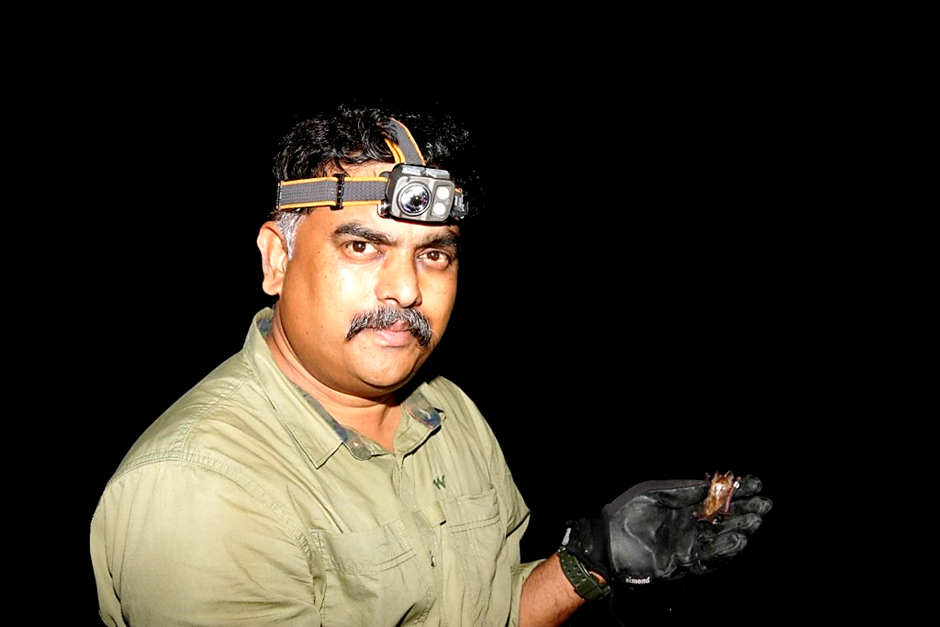
Speaking to the Green Minute News, Rajesh Puttaswamaiah Kadabgere, Bengaluru shared his field experiences as he has been working on bats for two decades. He is an advocate by profession and a citizen scientist by passion with keen interest on bat research and conservation. He has also established the Bats Conservation India Trust (BCIT) in 2013.
What made Rajesh to establish BCIT?
Witnessing mass killing of bats in Nagaland by a clan called Bomrr from Yumchunger tribe as part of their annual Bat Harvest Festival, Rajesh went on to establish BCIT to protect bats and also bring awareness among people the need for conservation.
Rajesh says, “Seeing such mass mortality, my long-term dream of starting a conservation organization took steam. I decided to dedicate this organization only for bats as there was no such organization in India.”
DOCUMENTING BAT SPECIES
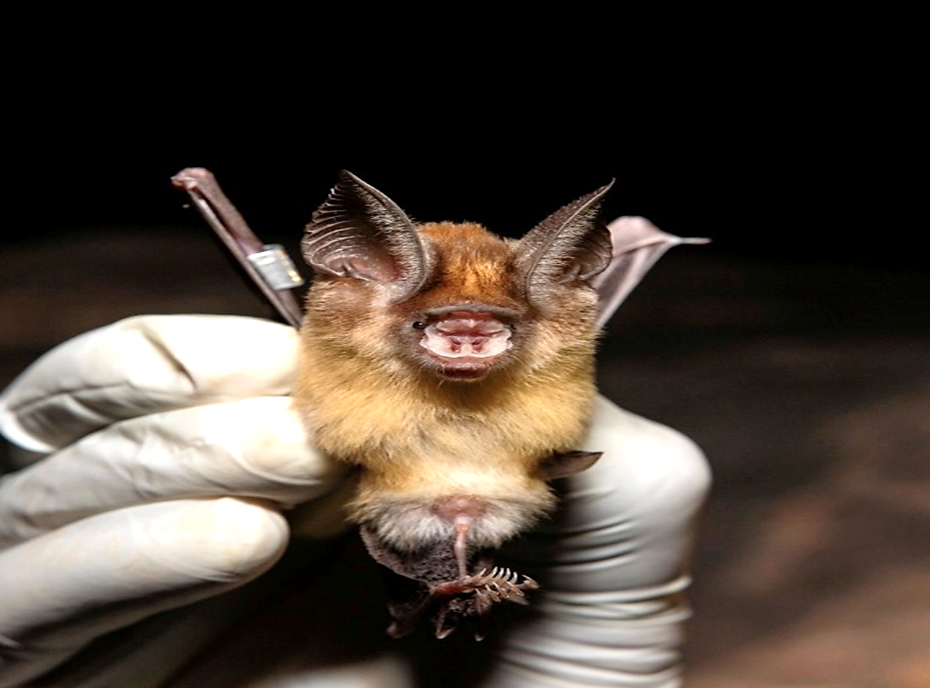
Since then, Rajesh has carried out a lot of research on bats, keeps travelling around India to document different bat species. He is an avid naturalist as well as a wildlife photographer. He has conducted many awareness programs on bats and its conservations in Karnataka.
Further, he has been conducting field surveys across the state of Karnataka using non-invasive methodologies to document bats. He has documented more than 41 species so far.
All studies have been done in the protected areas of Karnataka in collaboration with the Karnataka Forest Department and forest officials & staff.
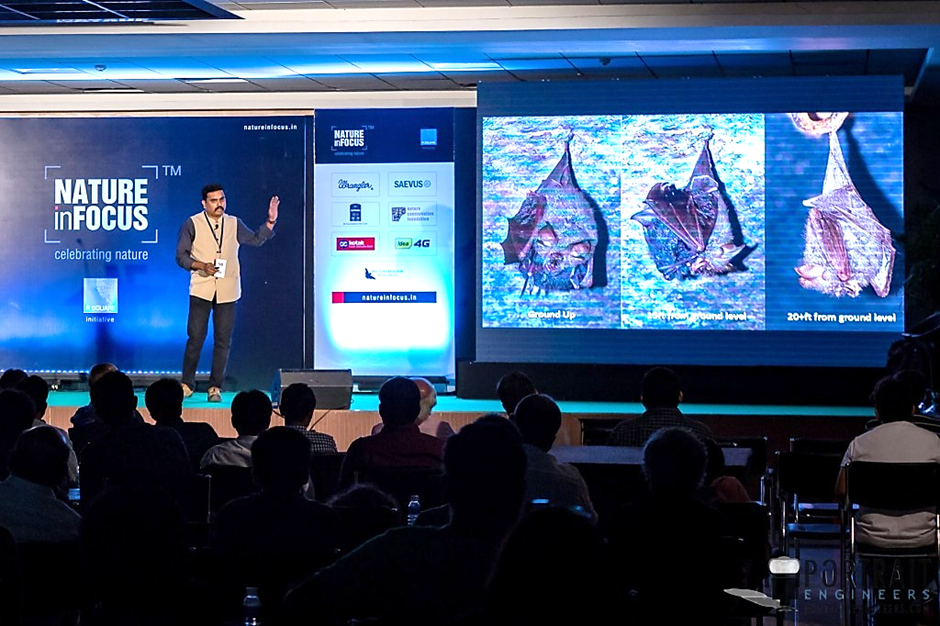
He has conducted many regional, national and international awareness programmes on bat conservation. These include: Kottayam Nature Society-May 2, 2020, Air Force Officers who are part of Wildlife Hazard Course-2025, Airport and Air force officers from Wildlife Hazard Management teams-2024, Nature in Focus-2016, Friends of Elephants-2020 and Bats in Sacred Places-2021 (International). Rajesh has also held webinars for veterinary students of Mumbai University, scientists from Meghalaya etc.
RARE BAT SPECIES RECORDED IN INDIA
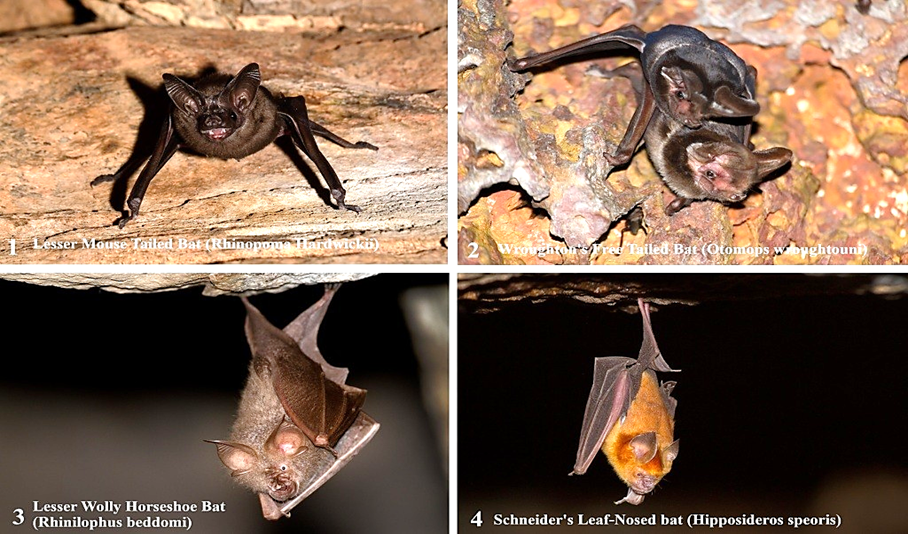
1.Wroughton’s Free Tailed Bat (Otomops wroughtounii): A species found in Bhimgad Sanctuary in Karnataka and in 4 other locations in Meghalaya. The Bhimgad Sanctuary was formed to protect this species making it the first protected area in the country focused on bat. The Wroughton’s Free Tailed Bat is considered Data Deficient as per IUCN status as there is not much information.
2.Kolar Leaf-Nosed Bat (Hipposideros hypophyllus): The Kolar Leaf-Nosed Bat is classified as Critically Endangered as per IUCN status and is found in only in a single cave at Hanumanahalli in Kolar, Karnataka. Currently, only about 200-250 individuals is existing in this cave.
In fact, the Karnataka Government notified the Hanumanahalli Hill as Kolar Leaf-Nosed Bat Conservation Reserve in July 2019, making it the second protected area for bats in India and the only state to do so. Bat Conservation India Trust has been working since 2019 with Forest Department to save this species from extinction and has been carrying out studies on its foraging ecology, genetic quality, dietary preferences, acoustic studies, population estimation, etc in collaboration with organisations like IISc, NCBS and Jain (Deemed-to-be University).
3.Durgadas Leaf-Nosed Bat (Hipposideros durgadasi): The Durgadas Leaf-Nosed Bat is classified as Vulnerable as per IUCN status and is found in only two places in India, one is Jabalpur in Madhya Pradesh where it was first reported and then in Hanumanahalli in Kolar, Karnataka.
RESEARCH ON BATS TOUGH
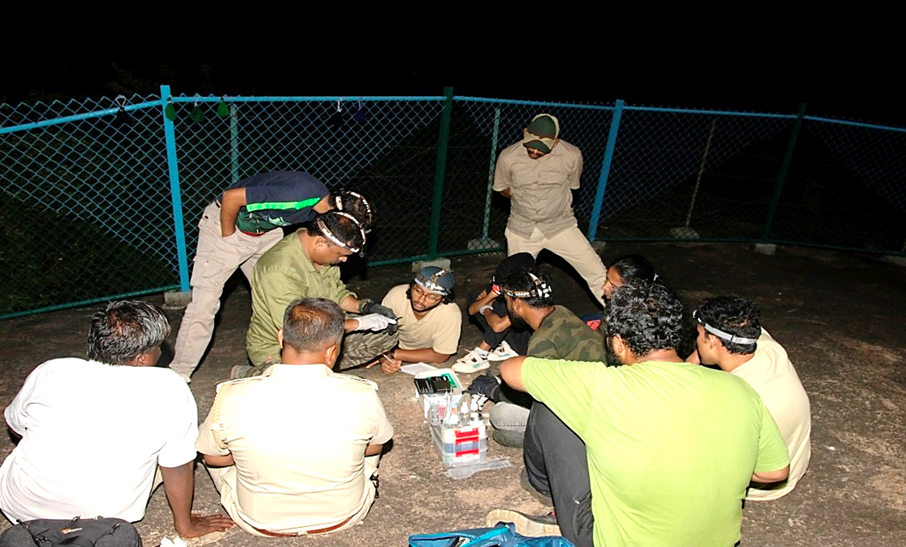
Bat research is very tough, not for all, Rajesh explains as the bat smell is unbearable for many.
He adds, “In the initial days, I used to get migraine due to guano smell and have puked many times. It took me a few years to fully get adjusted to the foul smell. Accessibility to roosts like caves is also a big challenge as we encounter big wildlife species. Recently, I and my team escaped a bear attack in just a few seconds.”
Why Bats Need to be Protected?
Rajesh stresses, “Bats play a crucial role in ecosystem services by offering pollination of night blooming flowers, seed dispersal and pest control services. In short, bats offer all the benefits that birds offer in the night time. Hence, bats have to be protected for ecological balance.”
During the Covid-19 pandemic, D T Mourya, ICMR-Chair for Virology & Zoonoses, ICMR-National Institute of Virology quoted this:
“Bats and humans have a history of co-existence. Corona viruses are reported from several vertebrate species and they are normally very host specific. Similarly, several bat coronaviruses have been reported from various parts of the world. The bat coronaviruses we reported are far different from SARS CoV-2 (COVID-19); therefore, there is no association of COVID-19 from bats in India in the present context.
Thus, there is no risk of these viruses to humans. All those microorganisms detected from bats are not considered as human pathogens. Even if we take the example of Nipah, a known pathogen for human, it is a rare occurrence where spill-over of the infection to human occurs from bats.”