
Meera Bhardwaj:
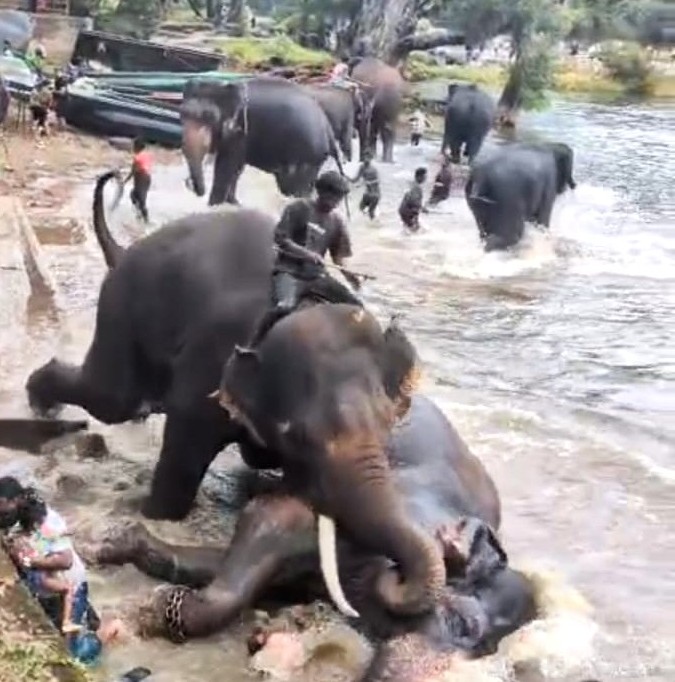
The Dubare Elephant Camp tragedy on May 18, 2026 opens the Pandora’s box as per norms of the Central Zoo Authority (CZA), Wildlife Protection Act (WPA), 1972 and Project Elephant Standard Operating Protocol (SOP) since tourist interaction with captured wild elephants is highly restricted & regulated.
Now why were “captured wild elephants” used for “tourist display & intimate interaction” in the bathing area raises many queries. Why were innocent people allowed to get so close – they not only touched & fondled but also helped in bathing the camp but wild elephants?
This incident has exposed the unbridled tourism activities in elephant camps of Karnataka. There seemed to be no check on such “risky and dangerous tourism activities” in elephant camps of Karnataka.
NO NORMS OR SOP FOLLOWED
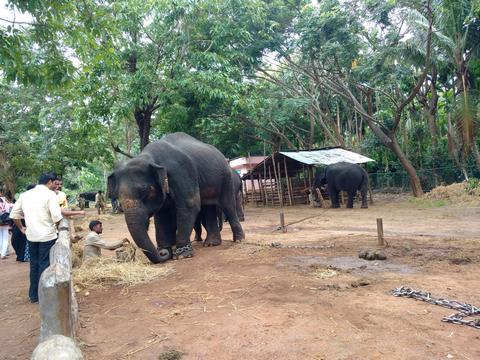
No standard protocol was followed in this tragic incident which occurred after 11.30 am as the elephants were taken for bathing at that time. The bathing time is usually between 8.30-10.30 am and who had permitted tourists at that hour? Tourists at Dubare allege that Rs 500 per person was charged for a group of 15 when this incident occurred. Further, mahouts had allowed many a tusker in the river that invited problems, chaos, trouble and finally, infighting and death.
Camp sources alleged, “All arrangements are made by mahouts and kavadis and it is a money-making business. Concerned forest officials are never there at the camp. Some tourists pay Rs 500 to take selfies or what not with these so-called tame elephants. Now does KFD need to generate money through such commercial tourism activities?”
MAINTAINING A SAFE DISTANCE
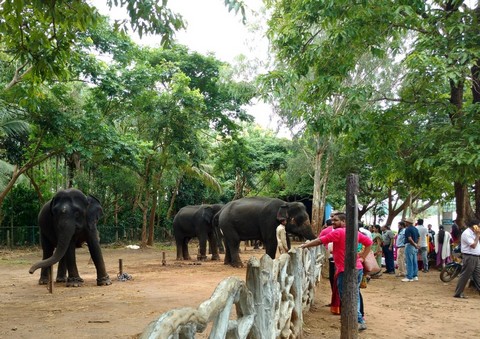
Although Forest Minister Eshwar Khandre has ordered for maintaining safe distance from elephants and has stopped tourism activities in elephant camps for the time being but more needs to be done to ensure the “safety of elephants & tourists” in camps like Dubare, Sakrebyle, etc. Following the orders, the Karnataka Forest Department (KFD) has temporarily banned all tourism activities.
This includes feeding, bathing, close-up photos at all elephant camps, & enforcing 100-feet minimum distance. But this is not enough as looking at the past incidents where captive elephants have revolted on various occasions across India, a permanent ban on tourism activities in elephant camps should be enforced at the earliest.
LET THEM LIVE IN PEACE
Naturalist Harish questions, “Now why should rehabilitated and relocated elephants from the wild “spending their last years in captivity” become “source of entertainment” for people?”
Wildlife conservationists demand state-wide ban on “elephant bathing tourism” in Karnataka after the Dubare incident. In fact, Kerala has strictly regulated tourist interaction with elephants after the 2016 Kollam temple elephant incidents, they say.
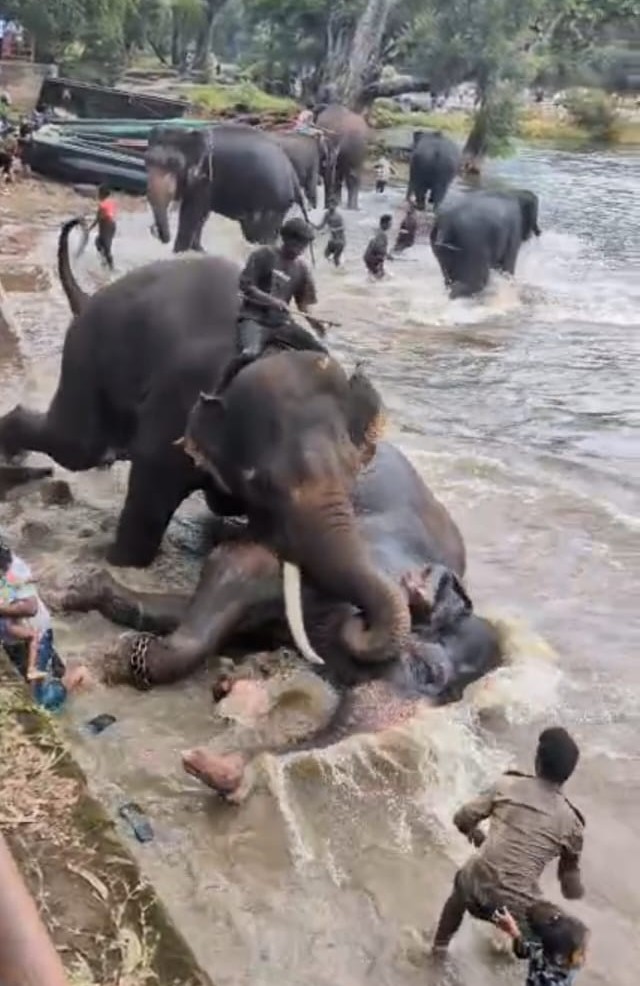
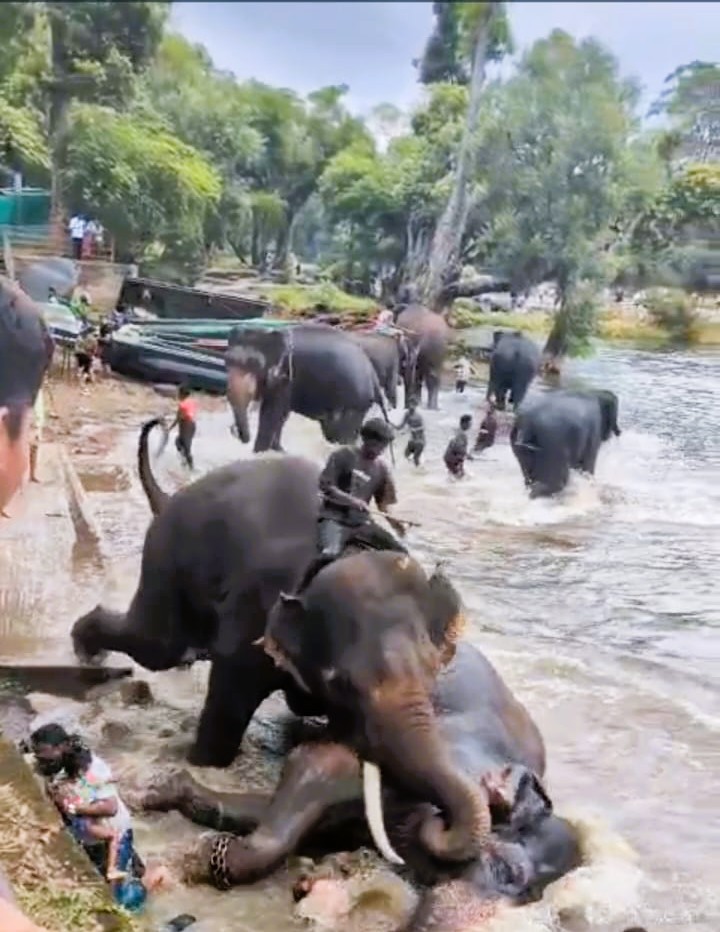
It may be recalled that a Chennai tourist got crushed to death at the Dubare Elephant Camp in the aftermath of being caught in a sudden fight between two camp elephants, Kanjan and Marthanda, during the bathing activity. Makhna elephant Marthanda too died on May 19 due to severe injuries inflicted by Kanjan.
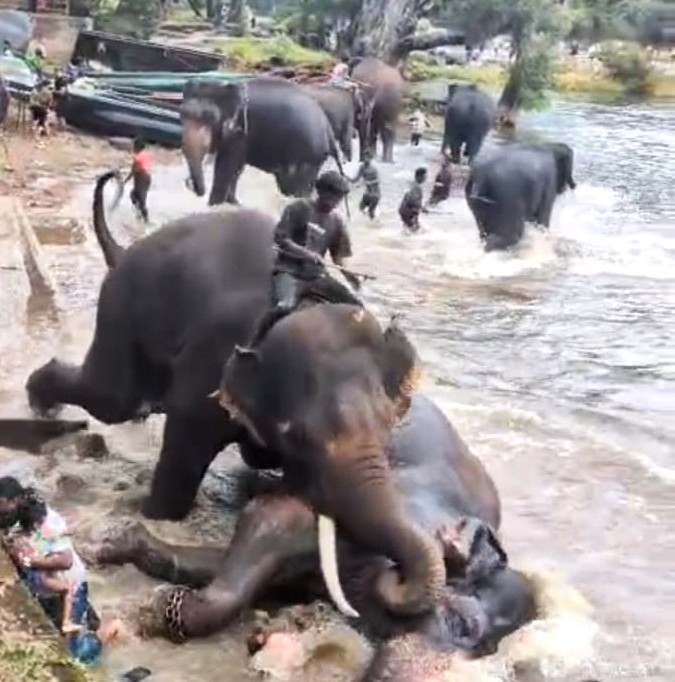
BOTH ARE CAPTURED WILD ELEPHANTS
Both Marthanda and Kanjan are captured wild elephants, rehabilitated under Sec 11, Wildlife Protection Act, 1972 due to their conflict history. As per Project Elephant SOP, 2017 and CZA Recognition of Zoo Rules, 2009, such elephants require high-security management with no public contact until certified as tamed by the Karnataka Chief Wildlife Warden.
According to eyewitnesses, the victim, her husband and their two-year-old child were allowed by the camp staff to bathe Marthanda, a Makhna lying in lateral recumbency (side-lying position). Tourists, families with infants, were allowed to bathe elephants in the river, violating the CZA guidelines which prohibits contact with captive wild animals.
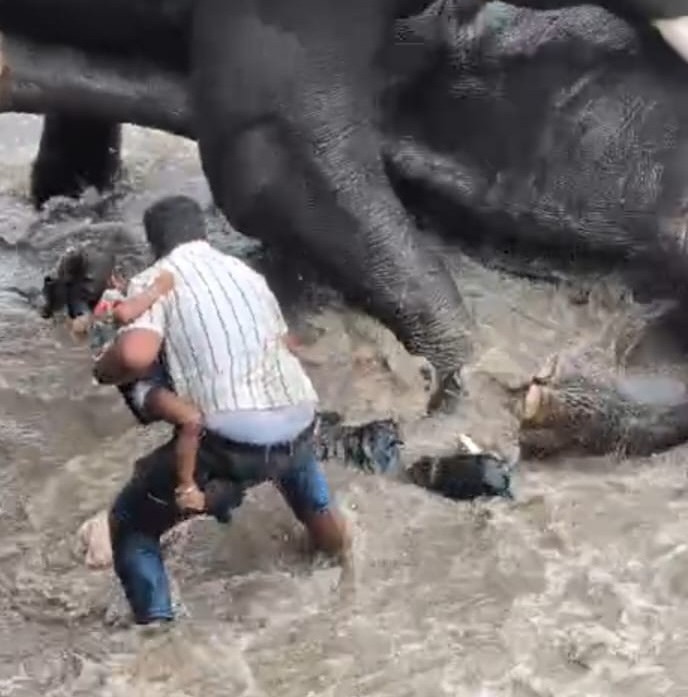
WHAT DO EXPERTS SAY?
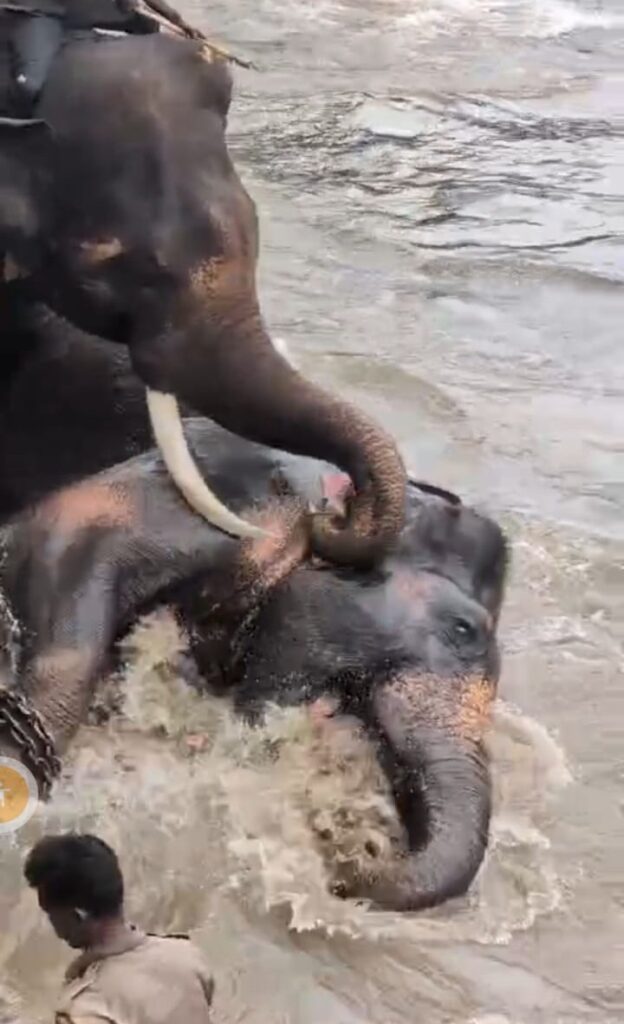
A wildlife vet from Delhi questions, “Who allowed the visitors to bathe the elephant Marthanda when it was in dog sitting posture while the victim was standing and brushing the abdomen of the elephant?” The video of the Dubare incident clearly shows how suddenly elephant Kanjan standing next to it, pushed Marthanda and thereby, falling on the victim & crushing her totally.
The senior vet adds, “It continuously gored Marthanda with its sharp lengthy tusk at the head, ear, injured it badly & later at the lower and ventral pelvic region was repeatedly pierced deeply, damaging the intestine, pelvic organs severely. This was a very aggressive attack and shows how mentally disturbed it was and targeted only the Makhna without making any attempt to injure people amidst the infighting.”
Now Some Key Questions Have Emerged?
* CZA Violation: CZA Recognition of Zoo Rules 2009, Section 38H clearly states, “No visitor shall be allowed to go near captive wild animals. Contact/feeding/bathing too are prohibited. CZA norms prohibit direct tourist contact with elephants captured as “problematic” under Section 11 of the WPA, 1972.
*Elephant Problems: Project Elephant SOP 2017 states, “Elephants captured under Section 11 of WPA as “dangerous” and must be kept in “high security” kraal. No public interaction till fully tamed and further, it needs CWLW clearance. Both Kanjan and Marthanda are both captured wild elephants and under rehabilitation.
* Fee Collection: Tourists at Dubare alleged mahouts charged them ₹500 per person for participating in the bathing activity. They paid in cash but without any receipts. KFD must clarify if any GO permits such fee collection and whether tenders were called for elephant-tourism activities.
*Mahout Discipline: As per Karnataka Captive Elephant Management Rules 2012, a mahout cannot use elephants for his private gain. The concerned DCF must suspend the mahout if allegations of cash collection from tourists is proved.
* Safety Lapse: No RFO, ACF, forester or ambulance were reportedly present at the bathing area. As per CZA Guidelines, a barricade of 5m from the elephant enclosure should be followed and ensured. Further, trained staff, and emergency response team during any public viewing is mandated.
*CCTV Evidence: As per CZA Standards for Housing Elephants 2019, the bathing area, kraal, and feeding point must have 24×7 CCTV with 30-days of backup. So, this incident requires a thorough investigation whether CCTV exists at Dubare bathing area and if so, has the footage of the incident has been preserved?
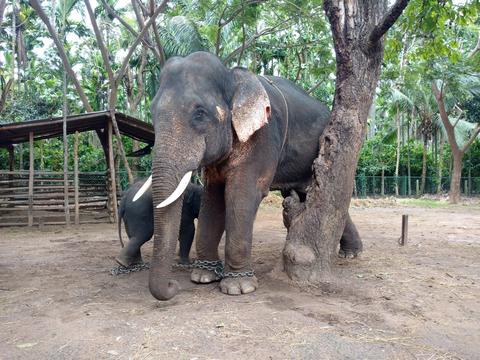
DO CAPTIVE ELEPHANTS HAVE WILD INSTINCTS?
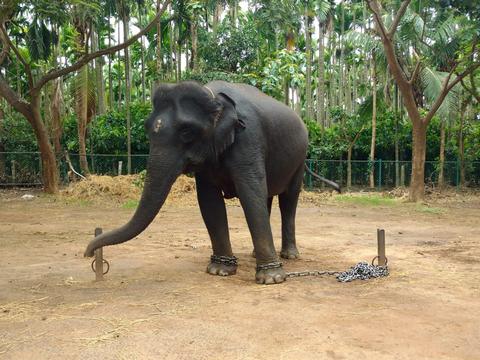
Wildlife experts and veterinarians who have worked in the field across India say, “Despite close interaction with humans, elephants remain wild animals and will never lose their wild instincts. No one can predict the behaviour of wild elephants. Past 6-7 incidents of camp elephants – Sugreeva, Marthanda, Kanjan and others turning violent have been recorded in Karnataka.”
According to camp sources, Kanjan was a well-behaved tusker and well trained but still it behaved violently. Apart from this, even camp-born elephants retain their wild instincts. “An adult tusker can be unpredictable during musth, stress, or inter-male aggression. Allowing tourists, including small children, to touch elephants in water is contrary to scientific management,” said a senior wildlife veterinarian.
How can so many male elephants be kept together that is against the very natural behaviour of the pachyderms?
● No amount of training, conditioning, or human familiarity can completely suppress instinct.
● Dubare incident proves this – two elephants turned aggressive during bathing despite being “tamed.”
● Stress, territorial aggression, hormonal changes (musth), or sudden triggers can overturn “controlled” environments within seconds.
* Noise, crowding, heat & tourism affects them.
● Violent incidents during Dasara (2015, 2021, 2024, 2026) demonstrate wild instincts persist despite taming.
DEMANDS FROM CONSERVATIONISTS
* Immediate suspension of tourists bathing jumbos in Karnataka till safety audit by CZA.
* Departmental inquiry against staff who permitted alleged cash-based tourist interaction.
*Enforce 100-yard viewing-only rule for all captured, temple elephants, as per Project Elephant safety protocol & international safety norms.
CONSTITUTE HIGH-LEVEL INQUIRY INTO:
1.Who permitted tourist interaction with wild but tamed elephants?
2. Accountability of DCF/RFO/ACF Dubare,
3. Alleged Cash collection by mahouts &
4. Absence of medical facility at the camp.
Activists from Kodagu add, “There is need for serious investigations into the tragic incident that happened at Dubare Elephant Camp and also other camps in the state. Also, appropriate action should be initiated against concerned officials and fix responsibilities so that such incidents do not recur.”
Although this tragic incident has caused loss of human life and a makhna elephant but it raises serious questions on “scientific management and functioning” of captive elephants in the 14 Elephant Camps of Karnataka.