
Green Minute News:
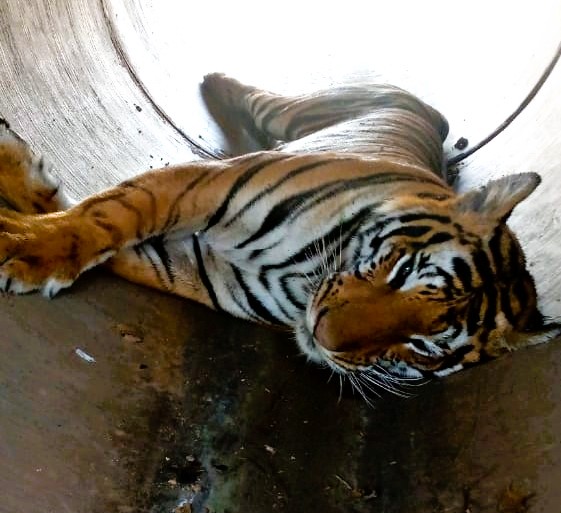
In a wide-ranging judgement on tiger conservation and management in the country, the Supreme Court on November 17, 2025 gave the tiger range states of India a deadline. Six months (until May 16, 2026) to create a separate cadre of permanent wildlife veterinarians for tiger reserves. This was indeed a directive borne from desperation in the wake of rising tiger deaths and killings in the country.
From a crisis where Karnataka – home to India’s second-largest tiger population, and the highest number of elephants in the country are facing conflicts day in and day out. It had just 8 (eight) sanctioned vet posts created in 2012.
Ironically zero filled permanently. The Karnataka Forest Department took the easier way out and hired vets on deputation from Department of Animal Husbandry & Veterinary Science.
This is a decade of defiance not only by Karnataka but other tiger range states who have ignored the Supreme Court’s clear orders on “Wildlife Vet Mandate” and had stipulated the date of implementation of the order.
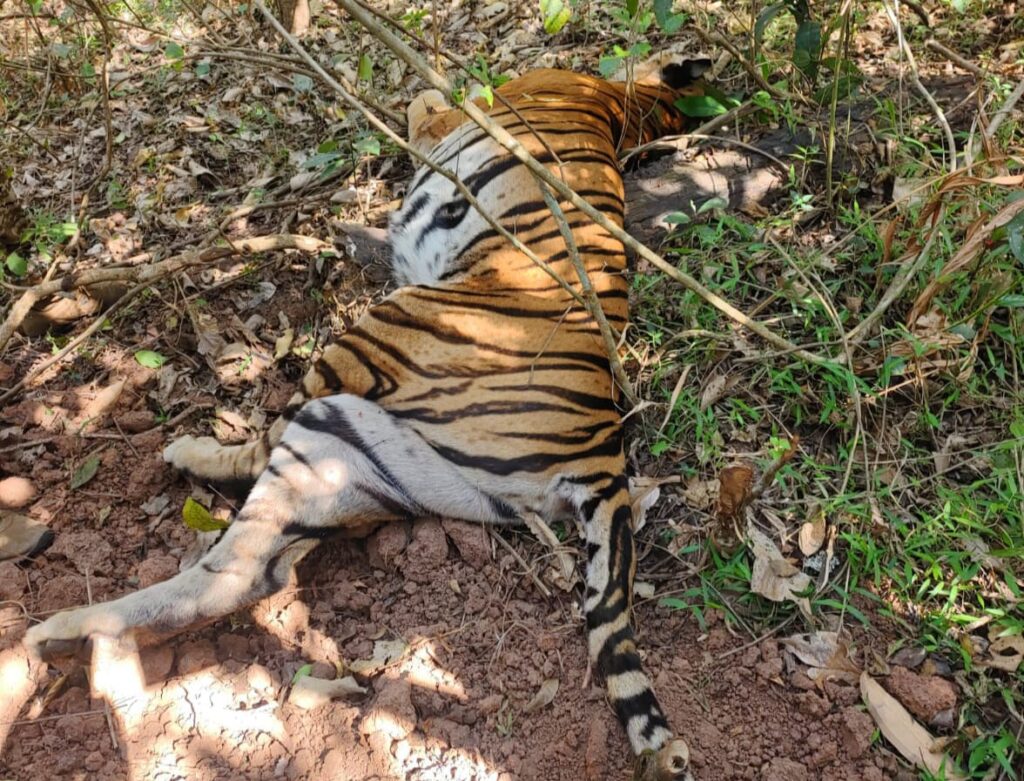
Today, 10 days past the deadline, the silence from most state capitals is deafening while in Bengaluru, Karnataka, there is not even a on-line-announcement from the state government to “create a permanent cadre for wildlife vets” in the Karnataka Forest Department.
However, it is on a hiring spree to enrol young, untrained vets on contract basis from various districts. This is not merely a bureaucratic sloth. This is open contempt of the Supreme Court orders.
The SC Order Wasn’t Optional
The three-judge bench led by Chief Justice B.R. Gavai was unambiguous. In the Corbett Tiger Reserve case, the apex court wrote:
“A separate cadre for veterinarians and wildlife biologists needs to be created for Tiger Reserves to assist field formations to carry out tasks which are highly technical in nature, keeping in view the enlarged scientific mandate.”
The deadline was Clear: May 16, 2026.
Implementation through notification of rules, memos, or circulars. The court rejected any ambiguity. This was not an advisory. This was binding on every tiger range state and specially for Karnataka which has the second highest population of tigers in the country after Madhya Pradesh.
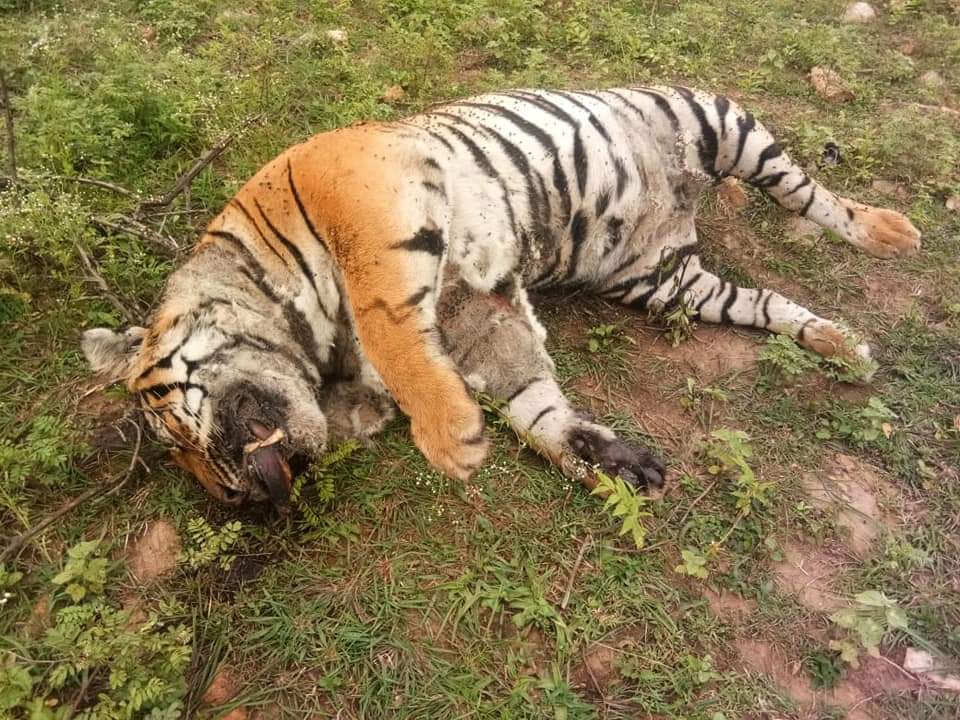
Added to this, the Supreme Court warned explicitly:
“Any non-compliance to the directions of this court shall be viewed seriously. Contempt proceedings, disciplinary proceedings and tortious liability shall be initiated against states for non-compliance.”
Further, this warning was reiterated on May 19, 2026 – just one week ago – when the apex court refused to dilute its directions and ordered strict compliance and implementation.
The Numbers Tell the Story
Karnataka’s story is neither unique nor exclusive. It is the story of a nation that takes pride in having the highest population of wild tigers in the world but fails to implement even the basic requirement for tiger conservation.
Madhya Pradesh, with India’s highest tiger population, at least has a separate cadre for wildlife veterinarians but what about Karnataka which takes pride in the “management” of one of the oldest tiger reserves like Nagarhole and Bandipur?
Now Karnataka, under pressure, had at least proposed a permanent cadre for wildlife veterinarians last year for rescue centers, elephant camps, and zoos. But this was only a proposal!
The rest of India’s Tiger Range states – Uttar Pradesh, Maharashtra, Rajasthan, Telangana, Andhra Pradesh, Tamil Nadu are completely silent. They deserve to be “complemented” on their on-compliance and open defiance of the Supreme Court orders.
When Bureaucracy Kills?
The Supreme Court’s directive emerged from documented carnage – incidents of tiger deaths, hunting and killings in state after state.
Now let us take a look at the present scenario in the tiger range states that operate without permanent wildlife vets:
- Tigers die from poisoning when there is no trained vet to administer antidotes
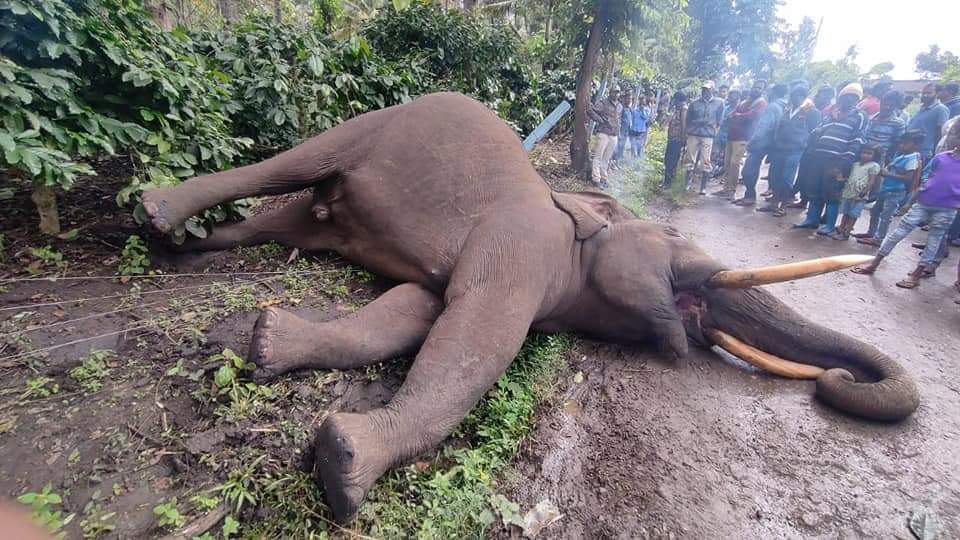
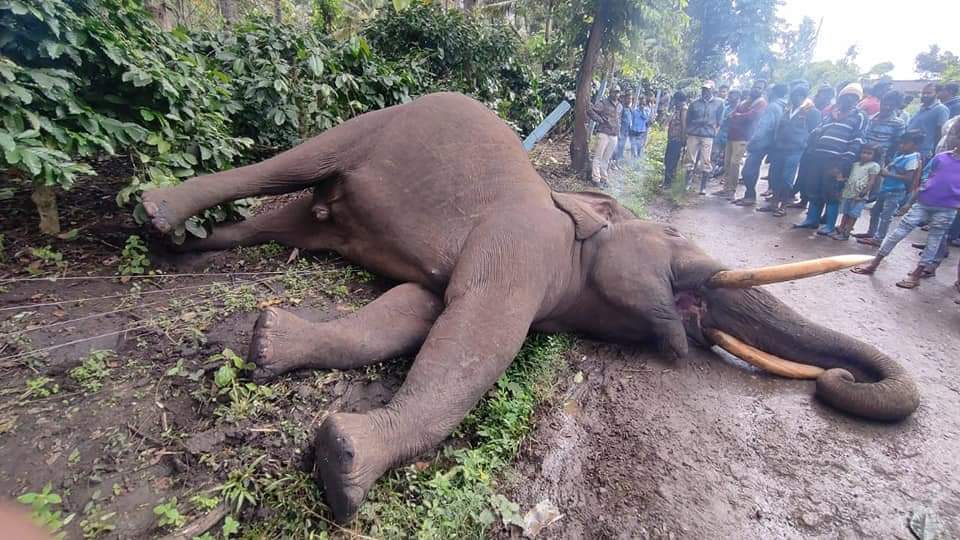
- Elephants die from electrocution when rescue operations lack professional vet support
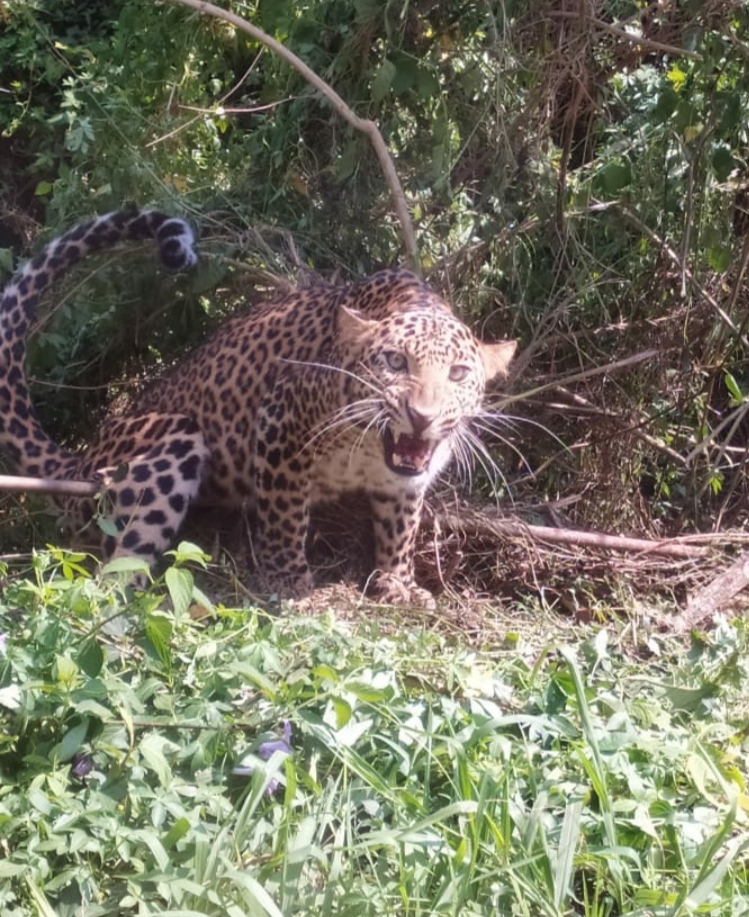
- Leopards die from snare injuries due to delayed or incorrect treatment
- Botched up immobilization operations endanger both animals and humans
- Human-wildlife conflict escalates without proper veterinary support or management
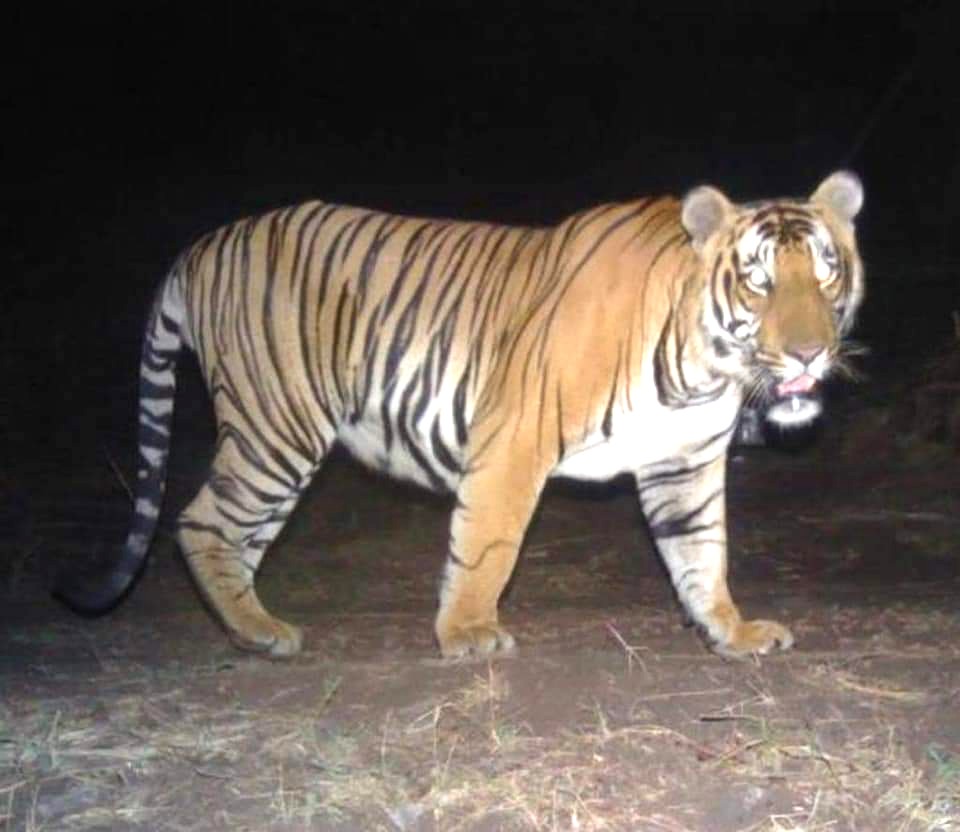
This is not a theoretical assumption. Such incidents have been seen in the field time and again. Tranquillization of tigers have failed due to lack of wildlife vets while multiple darting attempts have resulted in the death of tigers and elephants.
A wildlife vet laments, “We have watched leopards struggle against snares for hours as the forest department had to call a general vet from a nearby town who had never in his life immobilized a wild big cat. We have seen tigers die from overdose because the darting was in the wrong place and multiple darts were fired, or the person administering it didn’t know the dosage or didn’t know how much dosage to be given. We have seen elephants electrocuted on power lines, their bodies falling into reservoirs, because there was no Wildlife Rescue Centre with trained staff and proper equipment. This is the state of affairs not only in Karnataka but also in other states.”
Recognition of the Entire issue
The Supreme Court recognized the crux of the problem and issued wide ranging directives and even stated the timeline for its implementation. The apex court directed focus on “rewilding of orphaned/habituated tigers, scientific habitat management, following Standard Operating Procedures (SOP) of the NTCA.”
What are the Excuses given by States?
The usual excuses that circulate in the corridors of power be it Vidhan Soudha or Vidhan Sabha is: “Budgetary Constraints” and Administrative delays.” And their usual statement being – “We’re working on it. They have a budget for International Cricket Stadium at Anekal, for STRR, for Bidadi township and for what not.
The truth is: these are not excuses – these are admissions of contempt of the highest court in the land.
The Supreme Court gave six months. Not a year. Not two. Six months. From November 17, 2025 to May 16, 2026. In that time, the chief secretaries across India could have got together:
- Notified the Rules
- Created the Cadre structure
- Allocated the Budget
In fact, the apex court had also directed the MoEFCC, NTCA, and CEC to establish this within six months but they seemed to have slept on it.
Have they Issued the appointment orders?
They did not, they are in a state of utter silence but total defiance. What Happens Now?
The Supreme Court has laid out the path forward. Chief secretaries of all states must submit compliance reports before their respective high courts. Those consolidated reports of compliance must be placed before the Supreme Court by November 2026.
The question Now: Will anything happen?
The court has also warned of contempt proceedings. Disciplinary proceedings. Tortious liability. But warnings without enforcement are merely suggestions.
What must happen Now?
- Immediate contempt proceedings against non-compliant states.
- High courts must initiate suo motu proceedings for monitoring compliance.
- Chief secretaries must file compliance reports immediately.
- Permanent wildlife veterinarian cadres must be created within 30 days.
- Funding frameworks must be implemented.
The Human Cost
Let us be clear: This is not just about wildlife but also about humans living around protected areas or in the buffer zones. In Karnataka alone, in the last six months, tigers, elephants and leopards have died in human-wildlife conflict while humans too have paid dearly with their lives due to vanishing corridors and diversion of forests for development of linear structures, transmission lines, highways, and what not.
- When a leopard is injured and not properly treated, it becomes dangerous. It enters villages. It attacks livestock and also people.
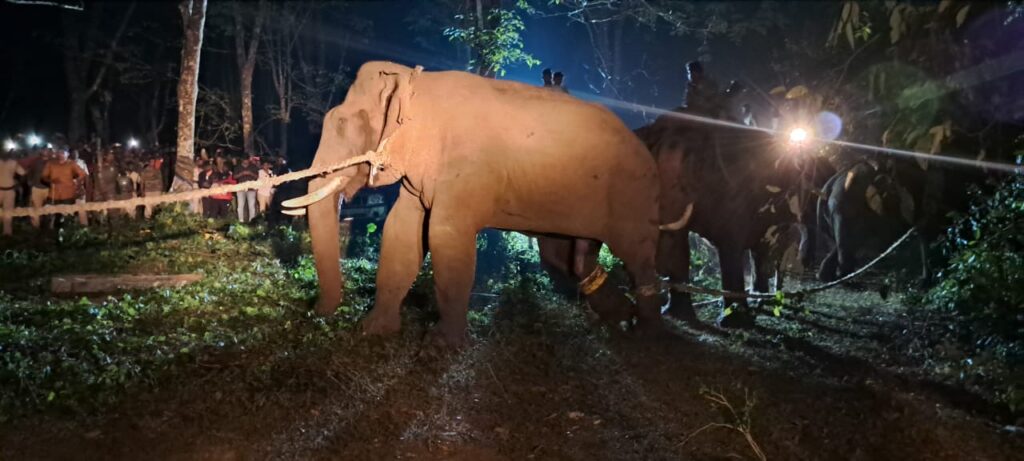
- When an elephant is electrocuted and not properly rescued, it becomes aggressive. It destroys crops and kills people.
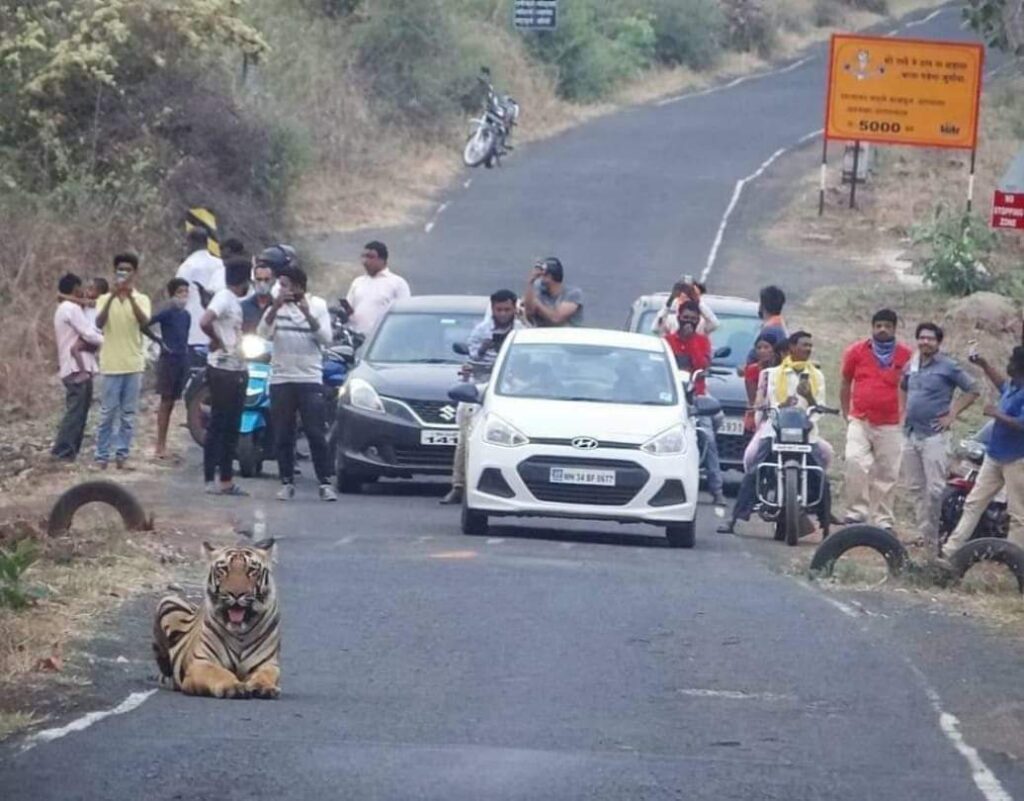
- When a tiger is hungry and lacks prey, it enters farmlands on the forest fringes and lifts cattle and kills any human in the way.
The Supreme Court understood the crux of the issue. The apex court recognized that human-wildlife conflict declared a “natural disaster” in November 2025 was not sufficient enough to tackle the rising conflict in many states.
The present system of veterinary care of wildlife in Karnataka has been turned into a hoax as one day, the hired vet is treating cattle and the next day, he or she is supposed to dart a leopard or treat a hippopotamus.
In this background, Karnataka should take immediate measures and adhere to court orders as:
- Prevention requires professional veterinary care.
- Prevention requires trained personnel.
- Prevention requires permanent cadres, not temporary vets on contract.
The Final Word
We have spent years covering and reporting on wildlife issues in India. We have watched many states ignore court orders. We have also watched bureaucrats delay as they are past masters. We have watched wildlife die for no reason.
But this time, it is different. The Supreme Court has been clear. The deadline has passed even as the non-compliance is openly evident. The question is no longer whether states will be held accountable. The question is: Will they be held accountable before more tigers, leopards & elephants and humans die?
The answer determines whether the rule of law means anything in democratic India or whether it is merely a suggestion that these tiger range states can ignore when it is inconvenient or uncomfortable for them.
The Supreme Court gave tiger range states six months. They had time until May 16, 2026. The contempt of court is very clear. But the question is whether justice will be served? Well, it remains to be seen.