
Meera Bhardwaj:
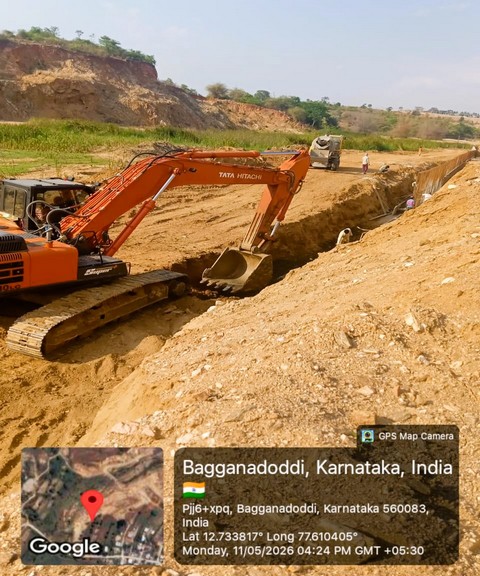
The Karnataka High Court has quashed the 2204 acres of agricultural land acquisition proceedings by Karnataka Housing Board (KHB) for Suryanagar-Phase-4 project in five villages of Anekal taluk, Bengaluru South district. This is because this massive parcel of agricultural land across five villages falls within the Eco-Sensitive Zone (ESZ) of Bannerghatta National Park. Further, the housing project was taken up without any clearances or permissions from the concerned agencies of MoEFCC.
A few writ appeals had been filed by farmers of Anekal taluk in the aftermath of dismissal of their writ petitions by a single judge bench of the High Court in 2025. Even as the litigation process was going on, the state government had started the process of land acquisition of 2204 acres of farmland in Anekal taluk for the KHB Suryanagar-Phase-4 project.

QUASHING LAND ACQUISTION
Delivering the judgement on August 29, 2026, Karnataka High Court Justice D K Singh and Justice H Shanthi Bhushan said, “We, allow the appeals filed by the landowners and quash the impugned land acquisition proceedings. Consequently, the impugned order dated 13.01.2025 passed by the learned Single Judge is set aside. The appeals filed by the KHB stand dismissed. Pending Interlocutory Applications, if any, do not survive for consideration and stand disposed of.”
Land owners from Indalawadi, Konasandra and Bommandahalli villages in Anekal taluk had filed a writ appeal questioning the process of land acquisition of 2204 acres of farmlands by the KHB without any clearances or permissions from the MoEFCC. In fact, the State Government initiated land acquisition proceedings in respect of lands situated in the five villages of Konasandra, Bommandanahalli, Indlavadi, Kadujakanahalli, and Baghanadoddi of Anekal Taluk for the purpose of formation of a residential layout – Suryanagar- Phase-4.
CEC FLAGGED SERIOUS CONCERNS
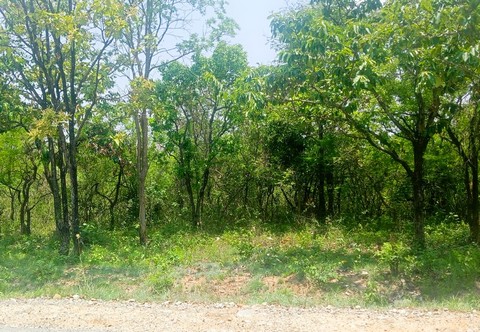
The two-judge HC bench stated, “We are of the opinion that the CEC (appointed by Supreme Court) in its report, has flagged serious concerns for undertaking the Suryanagar-Phase-4 housing project of such a magnitude in this region. Further, the CEC report is yet to be accepted or rejected by the Supreme Court.”
Undertaking the housing project is against the relevant provisions of the Environment (Protection) Act, 1986, the statutory guidelines issued by the MoEFCC and also against public interest, the Court observed and added, “The effectiveness of the Bannerghatta ESZ and its role in conservation and mitigation of human-wildlife conflict has not been taken into consideration before undertaking such a project. This project would seriously affect the Karadikkal-Madeshwara Corridor while the Karnataka Forest Department has already flagged the likelihood of increased human-wildlife conflict arising from this development. Ignoring all such concerns, the housing project has been undertaken.”
PROJECT INSIDE BANNERGHATTA ESZ OF 268.96 SQ KMS
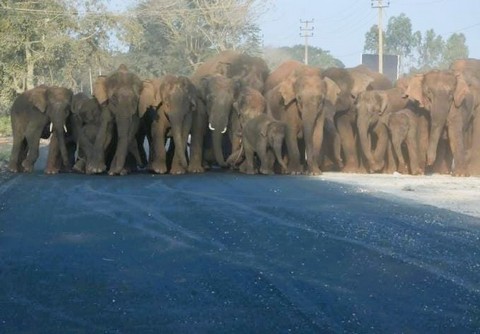
The High Court also stressed since the project in question itself falls within the Bannerghatta National Park ESZ of 268.96 Sq Kms, the whole project is misconceived and would have irreversible ecological, environmental and wildlife related consequences. Therefore, the entire land acquisition proceedings are nothing but an exercise without undertaking the relevant considerations such as, scientific study of environment impact assessment, socio-ecological factors etc., as flagged by the CEC report.
“In our view, no public purpose can supersede the object of environmental and ecological conservation,” the HC stated. As important as it is to encourage development and urbanisation, the same must be done while balancing the interests of the environment and its species. The proposed Suryanagar-Phase-4 Project aims to give affordable and well-planned housing plots to the allottees and the general public being the residents, but the same is done at the cost of displacing the wildlife and depriving them of their natural habitat.”
SHOULD A HOME BE DENIED TO WILDLIFE?
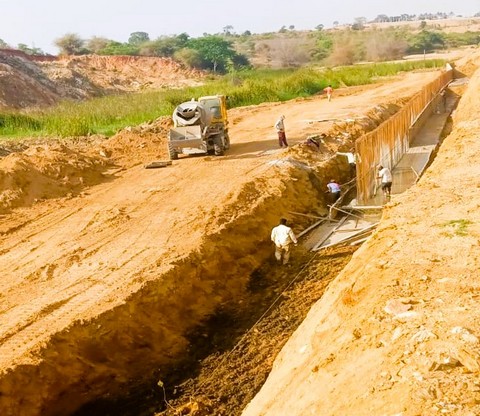
It is a settled and enduring sentiment that “there is no place like home.” The Karnataka High Court observed, “Yet, the actions of the KHB and govt, as borne out from the record, compel this Court to confront a disquieting question: whether the same fundamental principle of a secure and undisturbed home is to be denied to wildlife.
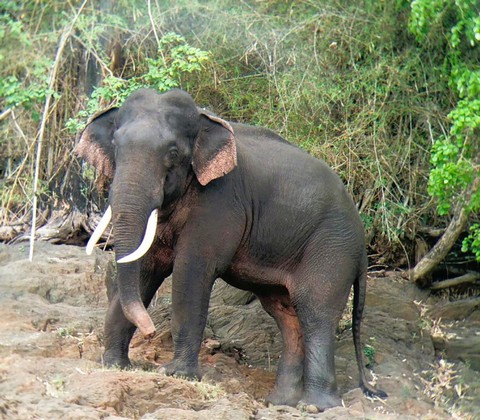
The elephants in question, for whom these corridors constitute not merely a passage but an essential part of their natural habitat and existence, cannot be treated as occupants without rights whose homes may be displaced at will, the court emphasized.
A LANDMARK ORDER
Welcoming the order of the High Court, environmentalists, farmers and wildlife activists said, “This is a landmark order benefitting both the people and the wildlife specially. The Bannerghatta National Park is of particular significance as an elephant habitat and movement landscape.
It forms part of the Mysore Elephant Reserve and is connected, either directly or functionally, with the Cauvery landscape, the Hosur–Krishnagiri forests, the Nilgiri Biosphere region and the wider forest complex of southern Karnataka and Tamil Nadu, they added.
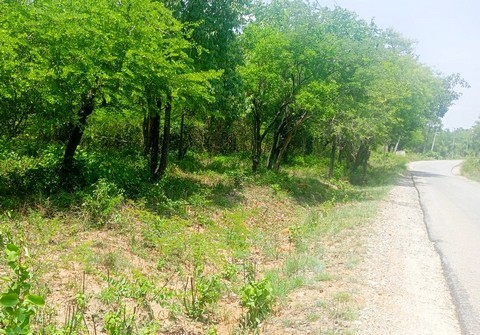
Apart from this, activists said, the Suryanagar-Phase-4 project lies in close proximity to the Karadikkal-Madeshwara wildlife corridor, and this would have led to increased human-wildlife conflict in these regions.
Even, the CEC report has flagged serious concerns citing disastrous and irreversible consequences regarding the project as it immediately abuts the revised Bannerghatta ESZ boundary. Further, the CEC report stressed this would result in irreversible modification of land contiguous to a protected forest, raising serious concerns on the lack of any scientific assessment, evaluation of cumulative environmental impacts etc.