
Meera Bhardwaj:
The Centre has notified the draft notification of Western Ghats Ecologically-Sensitive Area (ESA) for the seventh time but why has Karnataka rejected it, brushing aside disdainfully the serious ecological consequences. It seems no lessons have been learnt from the recent disasters in the Western Ghats bound districts. The last decade, the state has seen severe flooding, landslides, caving in of ghat roads, hydrological changes, rise in temperatures, local climatic changes, rising human-wildlife conflicts, etc.
On August 27, 2026, Karnataka govt announced convening a special one-day session of the legislature soon to discuss the 7th draft notification of Western Ghats ESA and also pass a formal resolution to oppose the central govt’s draft notification and state its objections.
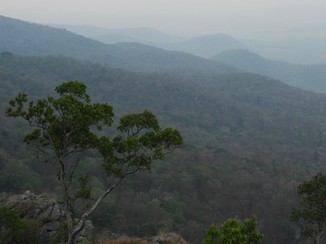
The state governments of Karnataka, Kerala, Maharashtra and other states do not seem to have realized the serious consequences of unregulated and prohibited activities in the eco-fragile mountain ranges of Western Ghats.
Further, Karnataka govt does not seem to realize the fact that without the mountain ranges of the Western Ghats, Karnataka is a big zero as it will fail to get monsoons what with two-thirds of the state falling within the rain shadow area.
Karnataka is profoundly dependent on the Western Ghats for its south west monsoon, as the mountain ranges acts as the primary physical barrier intercepting moisture-laden winds from the Arabian Sea to trigger torrential rainfall in coastal areas and Malenadu districts of the state. In fact, 80 percent of the state’s rainfall is from south west monsoons.
In the last three decades, be it the Western Ghats bound states or the Himalayan bound states in India, massive developmental projects have been taken up – resulting in “man-made disasters” be it severe floods, landslides, avalanches or monsoon deluge in Kodagu, Wayanad, or Chamoli year after year. According to studies by IIT, Dharwad, 60 percent of Western Ghats in Karnataka has become landslide prone due to unregulated and prohibited developmental activities.
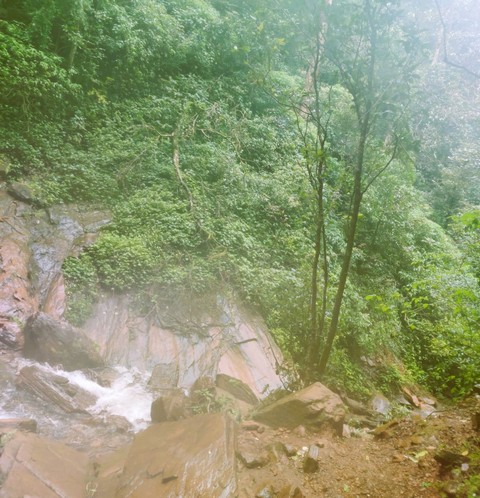
Unregulated developmental activities in the Western Ghats have led to:
- Environmental degradation,
- Triggered man-made disasters
- Loss of Biodiversity &
- Human-wildlife conflicts
Activities that should be prohibited include large-scale construction, hydro-power projects, construction of railway lines, bridges, tunnels, highways & major roads but these projects are going on unabated in almost all the Western Ghats abound states.
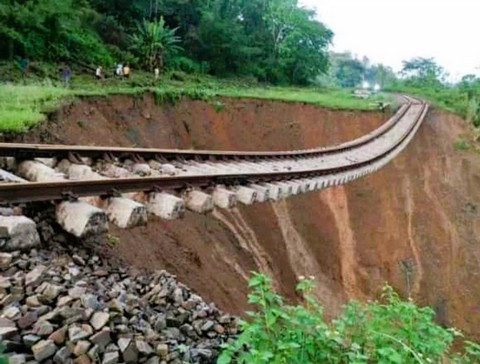
Such unsustainable development activities has led to fragmentation of forests and resulted in:
- Breaking continuous forests
- Disrupting Wildlife Corridors
- Stopping Native Species migration
- Alteration in River flows
- Increase in soil erosion
- Adverse Impact on local monsoon
- Adverse Impact on water security
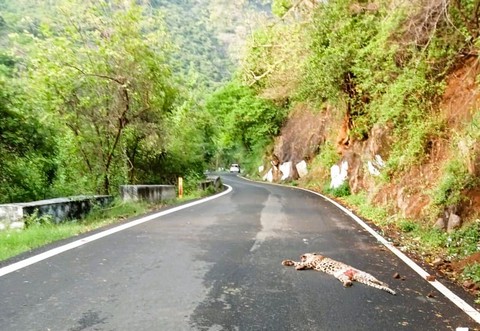
SERIOUS CONSEQUENCES
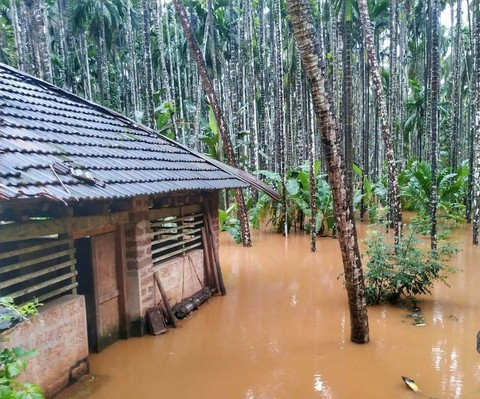
- Extreme flooding (Maharashtra, Karnataka)
- Torrential rains (Kerala to Maharashtra)
- Decline in rainfall in some areas
- Catastrophic landslides (Kerala, Karnataka, Maharashtra)
- Destabilized hill slopes (Karnataka)
- Destruction of forested slopes (Kerala, Karnataka)
- Destruction of farmlands, plantations (Karnataka, Kerala)
- Climatic Changes
HISTORY OF ESA NOTIFICATIONS
It may be recollected that the first draft notification of Western Ghats Ecologically-Sensitive Area was issued in March 2014 and subsequent drafts have been issued in 2015, 2017, 2018, 2022, 2024 and now on July 27, 2026, the 7th draft notification was issued as all the previous drafts have lapsed with some of the Western Ghats bound states opposing it completely.
SPECIAL SESSION ON ESA SOON
Chief Minister D K Shivakumar said the MLAs from the Western Ghats bound districts had expressed apprehensions that implementation of the Western Ghats Ecologically Sensitive Area (ESA) would impact people’s livelihood, developmental activities as also providing basic infrastructure to these 10 districts. In view of this issue, the chief minister said the Centre had taken a unilateral decision on ESA. Further, the Siddaramaiah led government in 2024 had totally rejected the 6th draft notification of Western Ghats ESA.
The CM also claimed that the “stringent restrictions” (as per 7th draft notification) will stop all developmental activities be it linear structures, dams, power projects, quarrying or mining completely. Even agricultural activities and providing rural facilities will be badly hit, the CM further claimed.
The objections to the draft notification of Western Ghats ESA have to be filed within 60 days that is by September 26, 2026.
The 7th draft notification on Western Ghats ESA is based on the report given by Kasturirangan Committee in 2012.
KARNATAKA’S LION SHARE OF ESA
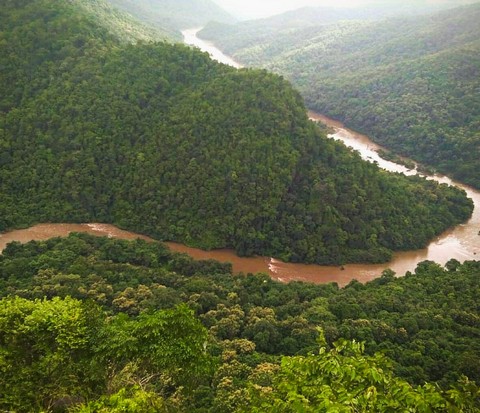
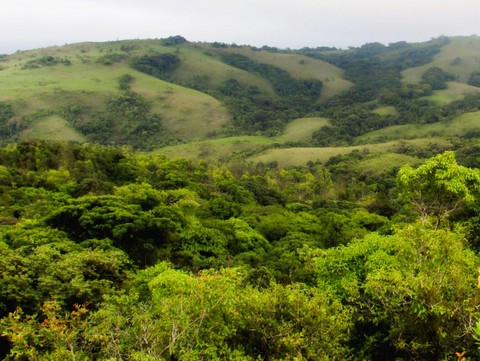
Out of the Six States where the Western Ghats mountain ranges are spread across from Gujarat to Kerala, Karnataka will get the lion share of ESA – almost 20,668 square kilometres if the final notification is issued. This is because Karnataka is home to 44,300 square kms of Western Ghats. And this is spread across 10 districts of Uttar Kannada, Belagavi, Dakshin Kannada, Udupi, Shivamogga, Chikkamagaluru, Kodagu, Hassan, Chamarajanagar and Mysuru.
The Western Ghats Ecologically-Sensitive Area (ESA) – about 20,668 square kms in Karnataka forms a major portion of the World’s Biodiversity Hotspot though the exact geographical boundary of the Western Ghats within Karnataka overlaps heavily with the state’s recorded forest and hill boundaries covering nearly 60 percent of the state’s hilly terrain.
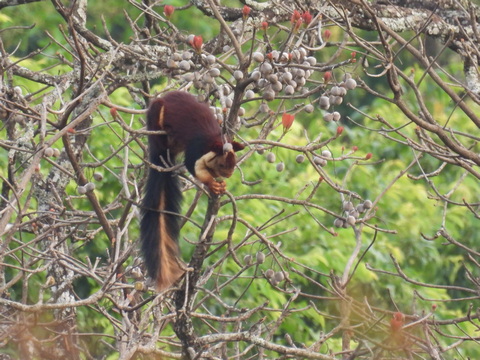
- UNESCO declared Western Ghats as a “World Heritage Site” in 2012 for its unique, exceptional biodiversity, distinct ecological processes with thousands of endemic species.
- Further, it is recognized as one of the World’s Eight Hottest Biodiversity Hotspots.
- In the background of heavy industrial development, construction of highways, dams, power projects & other developmental activities, the Western Ghats have suffered severe eco-destruction and therefore, necessitates the need for an ESA as soon as possible.
WESTERN GHATS ESA AREA IN KARNATAKA
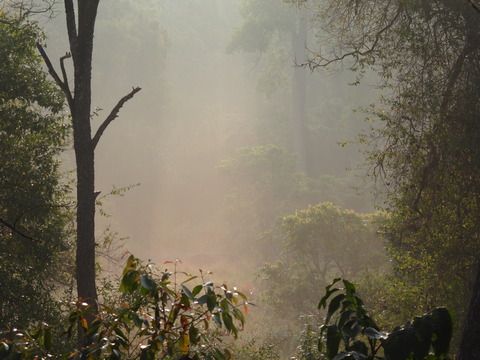
- 20,668 sq kms (ESA area)
- 44,300 sq kms (total area of Western Ghats)
- 10 districts
- 33 taluks
- 1449 villages
FEAR OF ESA IMPLANTED
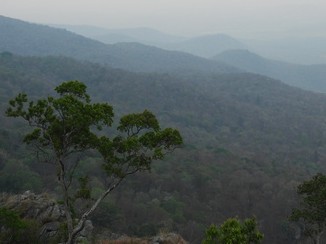
Further, none of the political parties – be it Congress, BJP or JD (S) are prepared to face the “wrath of the people” in the 10 Western Ghats bound districts of the state. This is because – as for a long time, a myth has been perpetrated that farmers and local residents will face livelihood threats. Also, there will be hindrance to any kind of construction activities in the ESA area.
The fear of eviction of people in the hill districts of the state has been implanted and ingrained in the mindsets of Malenadu people in the event of ESA implementation. Many elected representatives in the Malenadu districts have played this card to the hilt during every Parliamentary and Assembly elections and spread this fear deep in the minds of farmers and other people in the 10 Western Ghats bound districts.
RECOMMENDATIONS OF 7th DRAFT NOTIFICATION
Compared to Madhav Gadgil Committee report, the Kasturirangan Committee report is highly toned down and has considerably reduced the ESA area and prohibited only a few highly eco-destructive activities in the very fragile areas of Western Ghats as these mountain ranges have been witnessing unabated and rampant diversion of forests, fragmentation of forests and massive loss of tree cover and biodiversity.
This is due to construction of dams, reservoirs, installation of power plants, transmission lines, mining, quarrying, sand mining, highways, bridges, roads, resorts, hotels and tourism activities in the last few decades.
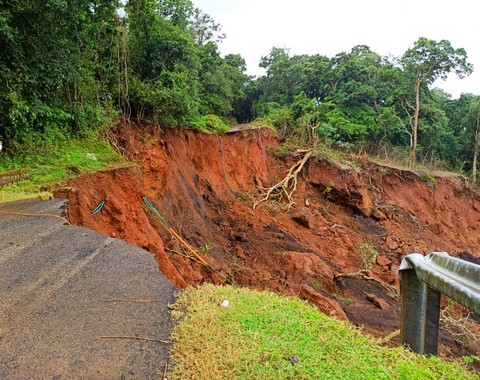
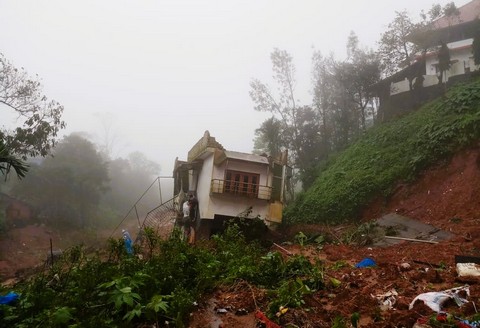
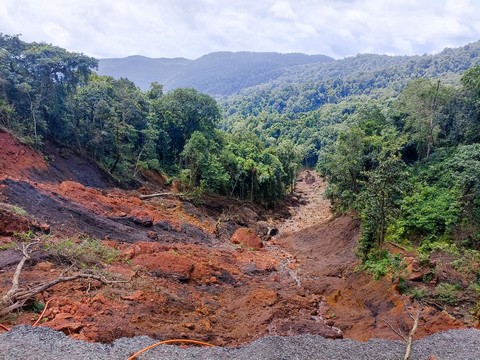
These rampant, unsustainable activities in the Western Ghats have led to:
- Extreme flooding,
- Repeated Landslides
- Landslips in slopes,
- Drying up of rivers, tributaries
- Vanishing of Forest Streams
- Hydrological Changes
- Erratic Rainfall
- Water Scarcity
- Soil erosion
- Climate Changes
- Trekking disturbing habitats
- Tourism polluting water sources, forests
The Kasturirangan Committee report has recommended the following steps to be taken:
Only 37 percent of the Western Ghats to be designated as ESA only. This report is in fact, very pro-farmer in its approach and the recommendations and in fact, promotes sustainable development.
PROHIBITED ACTIVITIES
- Mining & quarrying,
- Sand mining,
- New thermal power plants.
REGULATED ACTIVITIES
- Highly polluting industries.
- Hydel Power generation.
- Large construction activities.
MOST ACTIVITIES ALLOWED
- No impact on people inhabited regions at all.
- No impact on Agricultural activities.
- No impact on Plantations or estates.
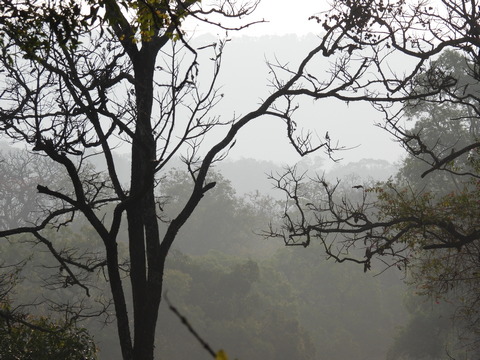
Now how long this impasse will continue as the fragile mountain ranges of the Western Ghats in Karnataka is no longer in a position to bear such hazardous and unsustainable developmental activities? Some linear structures have evev come up within protected areas of the Western Ghats. And the state govt is very busy proposing more and more hydro-power projects, widening of ghat roads, railway network and other such projects in the heart of these mountain ranges.
It is high time; the state government realized its folly of rejecting the ESA under the guise of people’s opposition as a day will come soon when the Western Ghats would not be able to carry the heavy burden and greed of human beings for more and more development and finally decimate.