
R S Tejus:
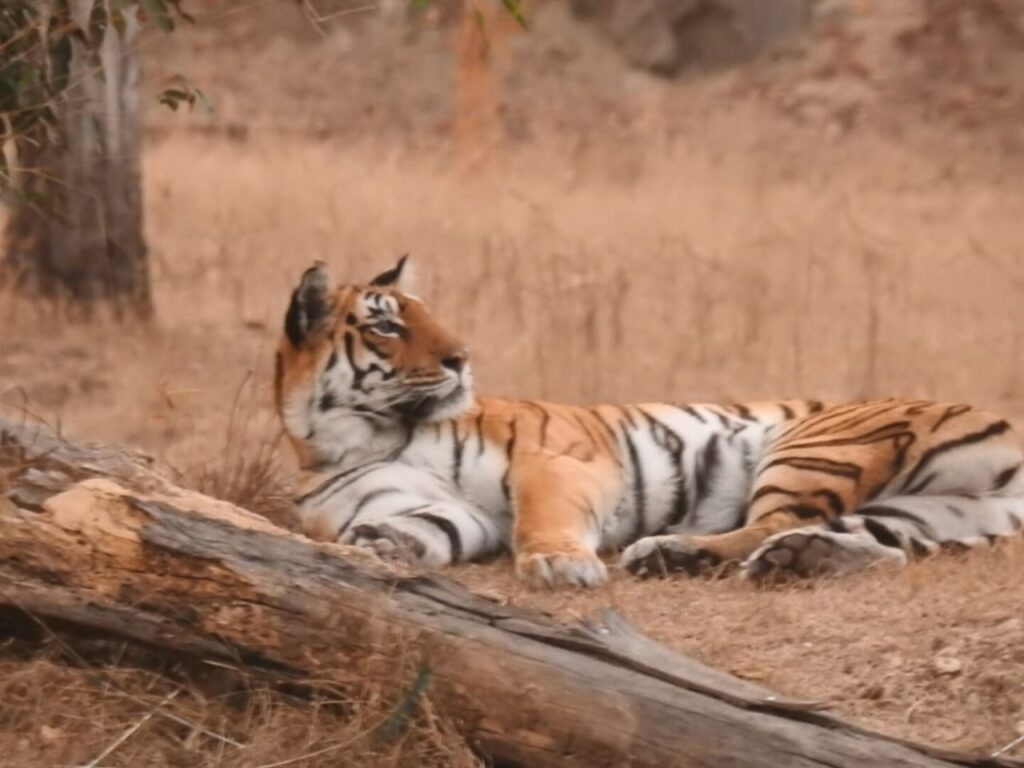
The real measure of conservation is not how many tigers – humans can raise or release, but how effectively forests can be protected so that wild populations of tigers can recover naturally. The most fundamental principle of wildlife conservation is to protect natural habitats and allow ecological processes to function with minimal human interference.
Yet forests across India and Karnataka are increasingly subjected to artificial waterholes, civil works and other forms of habitat manipulation; the space available for wildlife continues to shrink. Instead of creating new interventions, should the priority not be to protect what remains, restore ecological connectivity and allow nature to recover on its own? What is the Scientific premise behind such rewilding projects?
The Green Minute News story, “Tiger Rewilding Debate in Karnataka: What Does Science and Success Stories Say?”, presents successful tiger rehabilitation programmes in Panna and the Russian Far East as evidence that captive-reared tigers can survive in the wild. That conclusion is not in dispute. What remains unanswered is whether those successes justify replicating the intervention inside Bhadra Tiger Reserve.
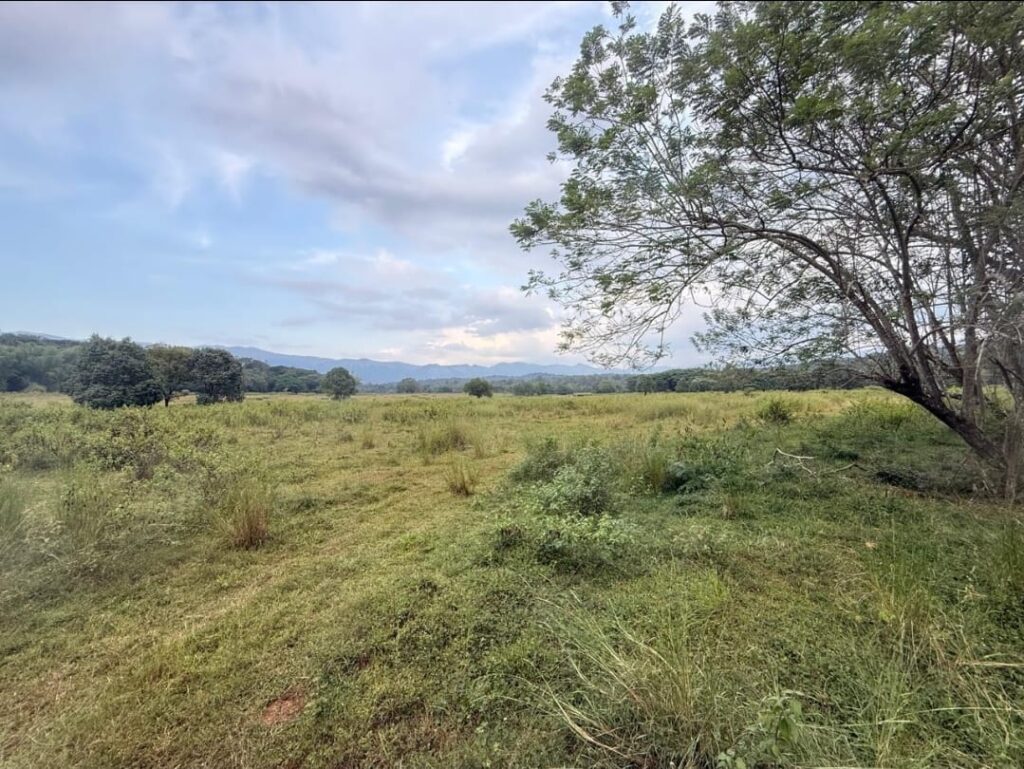
Conservation science cannot be applied uniformly across landscapes with fundamentally different ecological conditions.
Panna’s tiger population had collapsed to zero by 2009, largely because of rampant hunting. Its subsequent recovery involved translocating wild tigers, introducing hand-reared animals and sustained protection. Similarly, the Russian programme released rehabilitated Amur tigers into landscapes where the species had disappeared decades earlier. Both addressed local extinction.
Bhadra, however, already supports a naturally breeding population. Interestingly, the story by Dr Prayag itself acknowledges that successful releases occurred where resident tigers were scarce. It also cites the hand-reared tigress that died following a territorial confrontation in Pench. If territorial occupancy influences reintroduction success, how can experiences from largely unoccupied landscapes justify intervention in Bhadra? Moreover, Panna’s success must be evaluated alongside losses (tiger deaths), failed breeding attempts, dispersal and repeated management efforts, rather than merely its eventual population figures.
Is artificial intervention necessary?
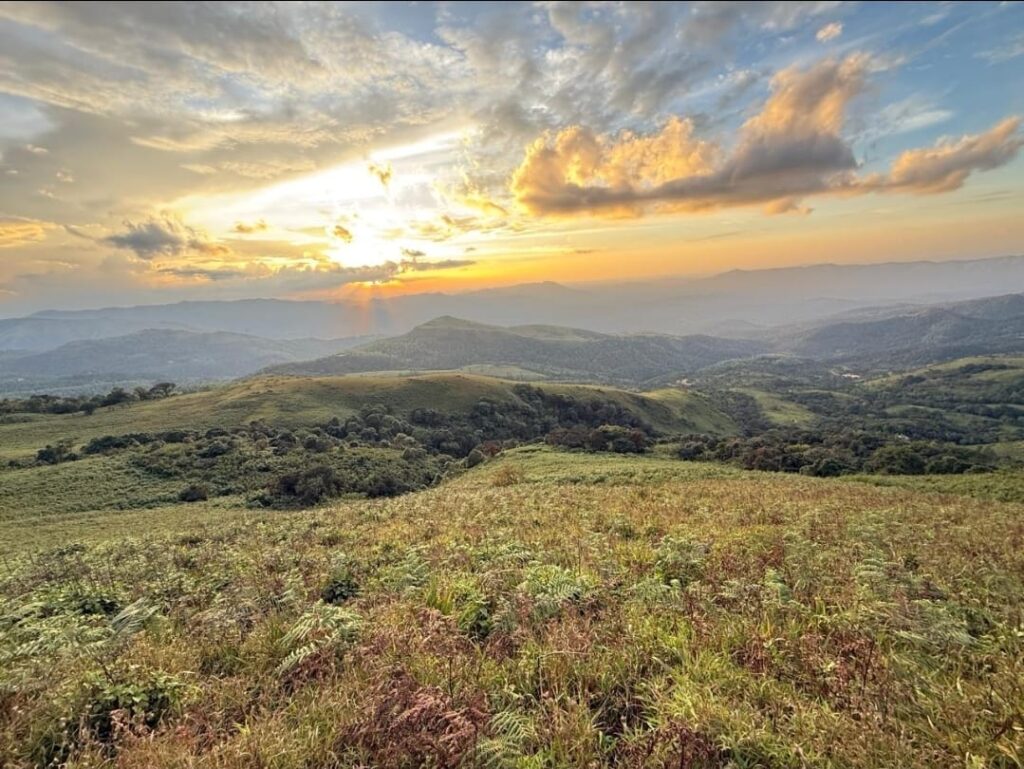
The Green Minute story published on 13 November in greenminute.in acknowledges Bhadra’s remarkable recovery. According to the Wildlife Conservation Society (WCS), tiger numbers increased from nine to approximately 28 across the reserve and its wider landscape following voluntary village relocation and improved habitat protection. That is a more than threefold increase.
If this is recognised as a conservation success, what exactly is the proposed rewilding centre intended to correct? If a population has recovered threefold through habitat protection, why introduce an artificial intervention now? And if its recovery is considered inadequate, has the existing protection model been examined to identify what is limiting further growth? Further, the forest department states that raised tigers will be translocated to other parks. Now, what is the science behind this?
Buxa Tiger Reserve – Tiger translocation?
A recent incident involving a translocated tigress in West Bengal’s Buxa Tiger Reserve illustrates this ecological reality. Brought from Bihar’s Valmiki Tiger Reserve as part of a reintroduction programme, the tigress moved into Assam’s Raimona landscape. After being tranquillised and returned to Buxa on November 3, she dug beneath the fencing of her 2.2-hectare acclimatisation enclosure and escaped again on November 8, subsequently moving towards Assam.
The animal had already been tranquillised three times within 34 days. Although this involved a wild-translocated tigress rather than a hand-reared cub, the incident illustrates the limitations of attempting to confine a wide-ranging carnivore within administratively designated boundaries.
Securing Wildlife Corridors
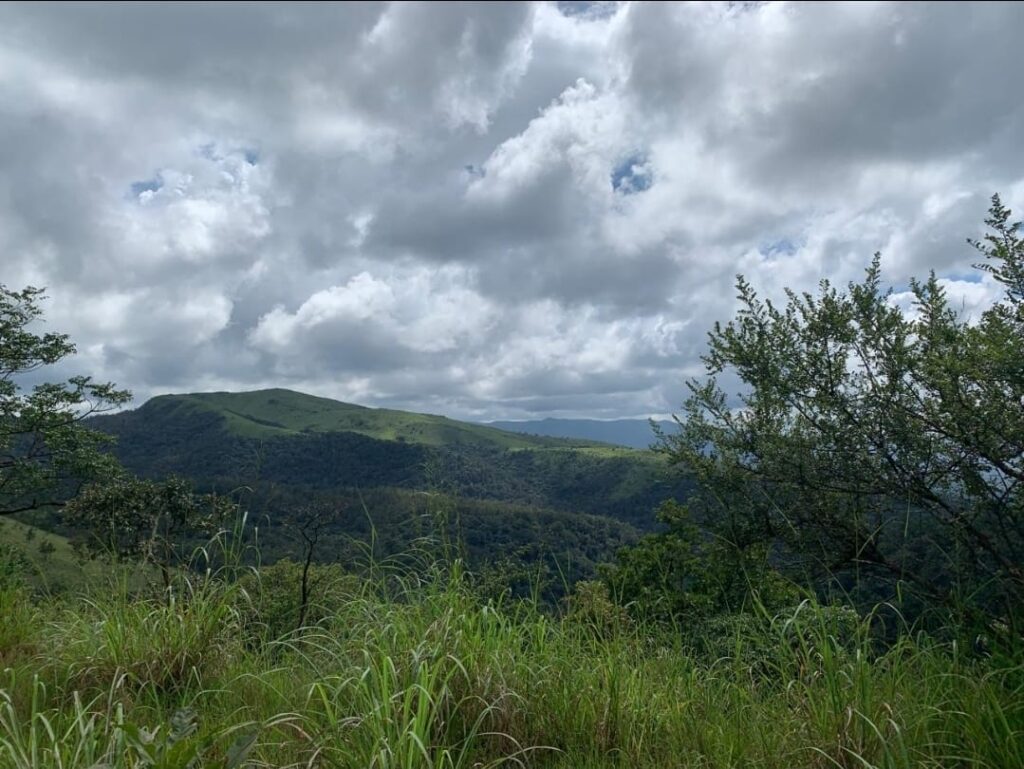
Tigers respond to habitat conditions, territorial opportunities and landscape connectivity—not the geographical limits preferred by wildlife managers. If a tiger can traverse an extensive forest landscape despite repeated attempts to confine it, should conservation not prioritise securing natural movement corridors rather than constructing more enclosures?
Tiger abundance depends not merely on prey availability, but also on survival, territorial competition, natural mortality, recruitment, habitat connectivity and dispersal. Increasing prey densities does not guarantee a proportional increase in resident tigers. Young animals must find territories. The historical increase also cannot establish Bhadra’s present population dynamics without comparable, contemporary monitoring.
Is habitat protection receiving the attention it deserves?
The NTCA–WII’s 2022 assessment reported reduced tiger distribution outside Bhadra, particularly towards Bhadravathi, and identified threats to connectivity with Shettihalli Sanctuary. Forest fragmentation, roads, non-forestry activities and expanding human land use increasingly constrain the landscape available for dispersal.
Meanwhile, artificial waterholes, vegetation manipulation and other engineering interventions demand ecological scrutiny rather than automatic acceptance as habitat improvement. Artificially concentrating wildlife around water or modifying habitats without understanding their natural ecological processes may create further problems instead of resolving existing ones.
Why not prioritise protecting natural water systems, securing corridors, preventing further habitat fragmentation, strengthening anti-poaching measures and allowing degraded forests to recover? The forests themselves must receive greater protection before additional interventions are contemplated.
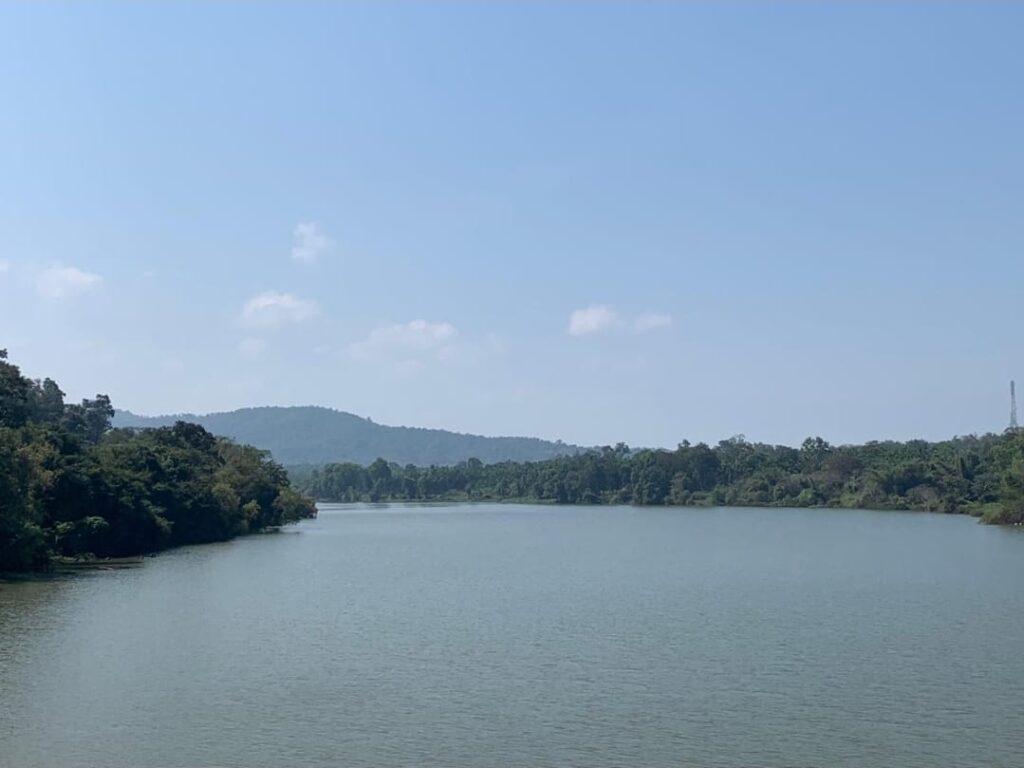
Raising more tigers cannot compensate for the loss of the very forests and ecological connections they need to survive.
This leads directly to the location of the proposed facility. The news story itself acknowledges that alternative sites should be evaluated and that fencing and trenches may affect wildlife movement. Bhadra’s Hipla landscape is recovering following voluntary relocation. Establishing a permanent enclosure within this critical tiger habitat could interfere with the very ecological recovery being celebrated.
Conservationists have already suggested examining standalone forest landscapes such as Kukwada–Ubrani, including suitable, less-sensitive pockets outside tiger reserve cores. Such areas should not be presumed suitable merely because they are outside a protected area. Their existing wildlife, ecological conditions, space requirements, potential conflict risks and statutory status must be independently assessed. The distinction between a rehabilitation facility and an eventual release habitat is equally important; both need not occupy the same location.
There is an opportunity to undertake a scientifically credible site assessment. Merely shifting the facility from Bhadra to another tiger reserve’s core or any other Protected Area would not resolve the underlying concern. The statutory approvals and compatibility of any proposed construction with The Wild Life (Protection) Act, 1972 and other related laws must also be clarified.
Another important acknowledgement concerns the NTCA’s instruction requiring handlers to wear tiger masks and striped clothing smeared with tiger urine and faeces. The 13 November story explicitly accepts that no published experimental validation of this specific procedure is known to its author, yet suggests protective clothing, gloves and hygiene safeguards.
These measures may reduce occupational risks, but they cannot validate the method itself. Minimising human imprinting is scientifically defensible; requiring people to imitate a tigress through an untested procedure is a separate proposition requiring evidence.
The NTCA must now explain the scientific basis for smearing tiger urine and faeces on forest personnel. What controlled studies demonstrate its effectiveness? What occupational-health and safety assessments support this instruction? If safer methods of minimising human contact are available, why is this procedure prescribed?
Nor would assigning the task to permanent rather than outsourced employees resolve the questions of scientific validity, dignity and occupational safety. The concerns of frontline forest personnel cannot be answered simply by supplying protective equipment. The NTCA must demonstrate that the procedure works, establish that it can be performed safely and subject it to independent scientific scrutiny.
Finally, the article recognises that not every solitary cub is abandoned. Tigresses routinely leave cubs concealed while hunting, and natural cub mortality is part of population ecology. Rescuing genuinely orphaned animals may be justified, particularly following confirmed maternal death or serious injury. But individual animal welfare and population-level conservation are different objectives.
No Guarantees for Survival
Artificially preventing every natural loss does not necessarily strengthen a wild population. Equally, completing 50 successful prey kills inside an enclosure cannot guarantee survival after release. The meaningful indicators are post-release survival, territorial establishment, reproduction, dispersal and the consequences for resident wildlife. Conservation success must be measured through long-term ecological outcomes, not simply the number of cubs rescued or released.
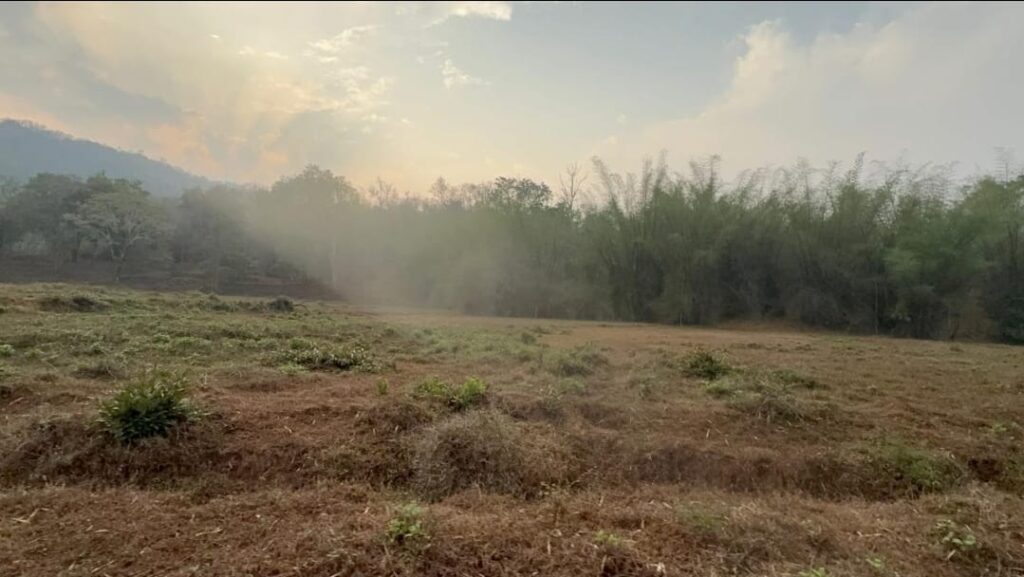
Taken together, these acknowledgements bring the scientific discussion towards a clear conclusion.
Bhadra has demonstrated substantial natural recovery, alternative locations require examination, the disputed NTCA protocol needs scientific and safety validation, and unnecessary intervention in the lives of wild cubs should be avoided.
The Karnataka Forest Department and NTCA must now establish whether captive rearing addresses a demonstrated ecological need, independently evaluate suitable locations outside critical tiger habitats, review the disputed handling procedures and establish strict scientific criteria governing the rescue and release of cubs.
These are measurable requirements, not competing opinions. The success of rehabilitation programmes elsewhere cannot replace the scientific assessment necessary for Karnataka. Ultimately, the greatest contribution to tiger conservation is not another enclosure, another artificial waterhole or another attempt to manipulate a functioning ecosystem. It is the protection of natural forests from poaching, fragmentation, degradation and unnecessary interference.
Panna needed its tiger population restored. Bhadra needs its recovery protected and its ecological connections secured. The success of one conservation intervention does not automatically justify its repetition elsewhere.Before deciding how to raise more tigers, Karnataka must answer a more fundamental question: Are we protecting forests well enough to let their tigers thrive naturally?