

R S Tejus:
What does it really take to save a tiger? A strong law, a fearless forest officer, a committed politician or a scientist who understands how wildlife populations survive? In Tiger Memories: My Life in Wildlife Conservation, K. Ullas Karanth with Joshua Mathew shows that all four matter.
Through the lives of forest officers such as K.M. Chinnappa, the influence of legendary wildlife biologist George Schaller, and the role of political leaders such as Karnataka minister K.H. Patil, he takes readers through the successes, failures and struggles that shaped wildlife conservation over six decades.
Written with Joshua Mathew, the book is an account of Karanth’s journey from a wildlife enthusiast to an internationally recognised tiger biologist. It is also a history of how forests were protected, how scientific thinking challenged established practices, and how politics repeatedly influenced conservation outcomes.
For young conservationists, it offers something that textbooks rarely provide: an understanding of what actually happens when conservation moves from theory to practice.
FOREST OFFICERS WHO MADE THE DIFFERENCE
Karanth’s early visits to Nagarahole brought him into contact with K.P. Achaiah, an experienced forest ranger who had served in the Army before joining the Forest Department. With limited staff and resources, Achaiah struggled against poaching but remained determined to protect wildlife.
He also understood that enforcement alone would not be enough. He persuaded influential coffee planters around Nagarahole to stop hunting and buying wild meat. Achaiah subsequently introduced Karanth to K.M. Chinnappa, who would become one of the most important figures in his conservation journey.
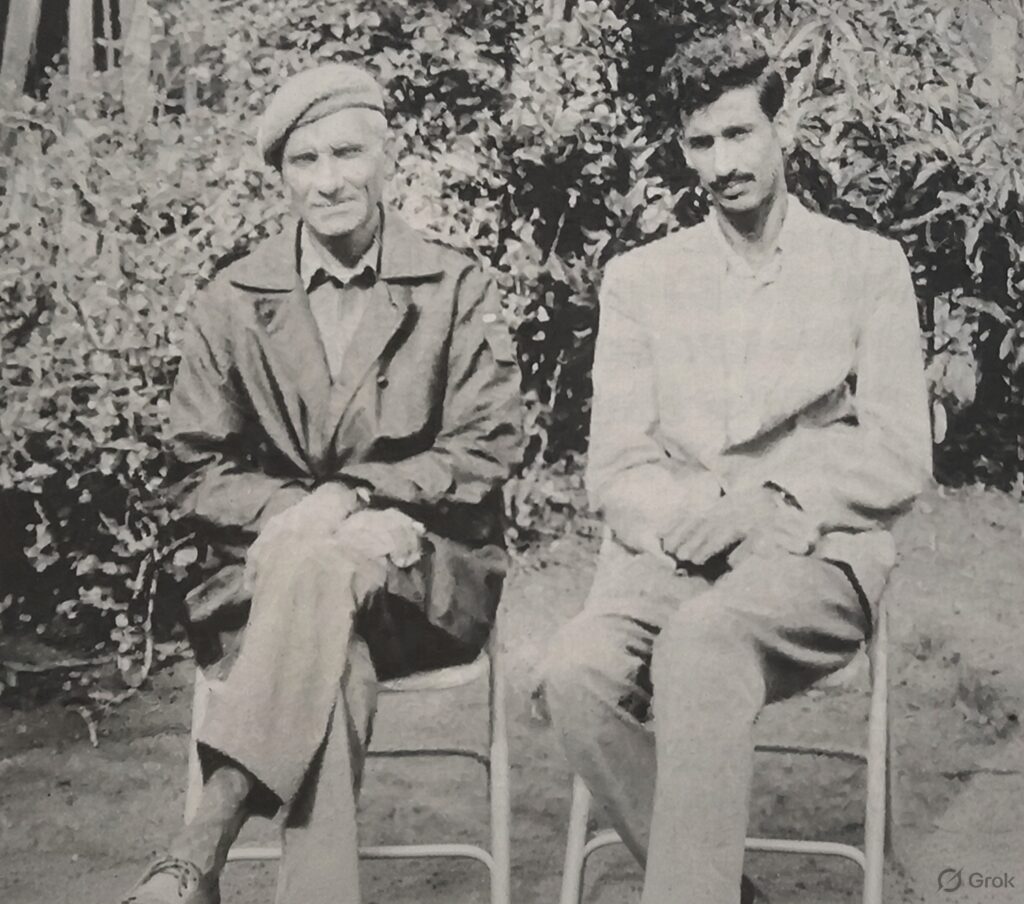
K M CHINNAPPA – AN EXTRAORDINARY FIELD OFFICER
His knowledge of animal movements, tracks and forest conditions came from years of experience, strengthened by the skills of Jenu Kuruba trackers such as Bola and Bomma.Together, they built an effective protection system in Nagarahole, confronting poachers, timber thieves and encroachers.
But protecting forests came at a personal cost. Chinnappa’s strict enforcement earned him the hostility of local interests, including people from his own community. His career was marked by conflicts with colleagues, administrative difficulties and political pressure.
Karanth describes how Chinnappa’s determination helped wildlife recover in Nagarahole. He also records the harsh methods sometimes used by officers in those years, reflecting an era when wildlife law enforcement was often far removed from modern professional standards.
The accounts make another important contribution: they recognise the field watchers and trackers whose knowledge and labour were central to wildlife protection, despite their poor wages and limited employment security.
Conservation cannot escape Politics
One of the most revealing aspects of Tiger Memories is its account of the relationship between political power and forest protection. After Independence, the demand for agricultural land, timber and employment placed enormous pressure on forests. In Nagarahole, Karanth describes how forestry policies encouraged migrant labourers to settle and cultivate hadlu, the swampy grasslands that also supported elephants and other wildlife.
An administration that had encouraged these activities was now confronting their ecological consequences. Karanth specifically credits Karnataka minister K H Patil and forest officials with the aggressive implementation of The Wild Life (Protection) Act, 1972. Their enforcement efforts reduced the possibility of encroachers securing permanent rights over occupied forestland in Nagarhole.
The significance of this episode lies in the distinction between passing a law and enforcing it. National legislation provided the legal foundation, but its effectiveness in Karnataka depended on decisions taken by the state government and forest authorities.
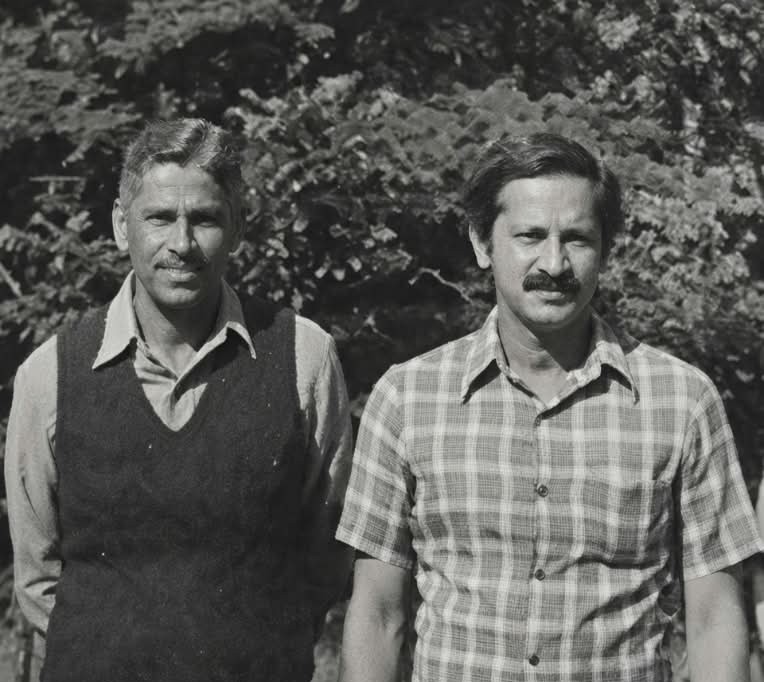
A particularly difficult episode followed in 1976
A.C. Lakshmana, then DCF at Hunsur, confronted encroachments involving around 200 families in northern Nagarahole. With court orders supporting action, his staff relocated the families to an alternative site during the Emergency.
After the Emergency ended, the operation became the subject of political controversy and an inquiry. Karanth defended Lakshmana’s conservation efforts while maintaining that resettled families needed assistance and compensation.
The incident illustrates an uncomfortable reality: conservation decisions can involve competing claims over land, livelihoods, legal authority and wildlife protection.
Elsewhere, Karanth recounts how capable officers faced political interference, frequent transfers and corruption.
The difficulties experienced by officers such as Chinnappa and C.K. Shivanna show how administrative decisions could weaken even determined conservation efforts.
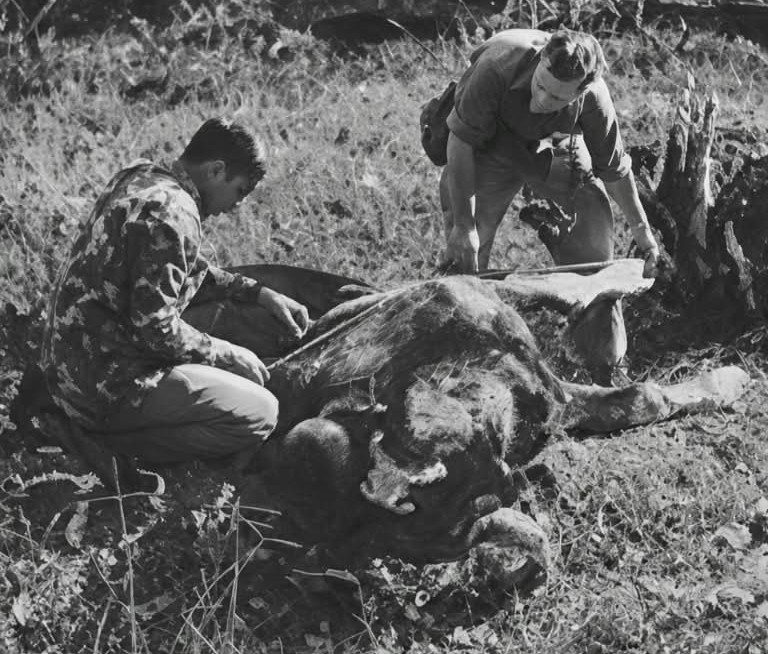
George Schaller and the Arrival of Science
While forest officers introduced Karanth to practical conservation, wildlife biologists helped shape his scientific thinking. Among them, George Schaller occupied a special place.
Schaller’s pioneering research on tigers and their prey in Kanha inspired Karanth in the 1960s. When the two finally met in Florida in 1988, Karanth was determined to pursue tiger research in India.
By then, he had already challenged one of the country’s most firmly established wildlife practices: counting tigers through pugmarks. For years, India’s official tiger census relied on the belief that individual tigers could be reliably identified from their footprints.
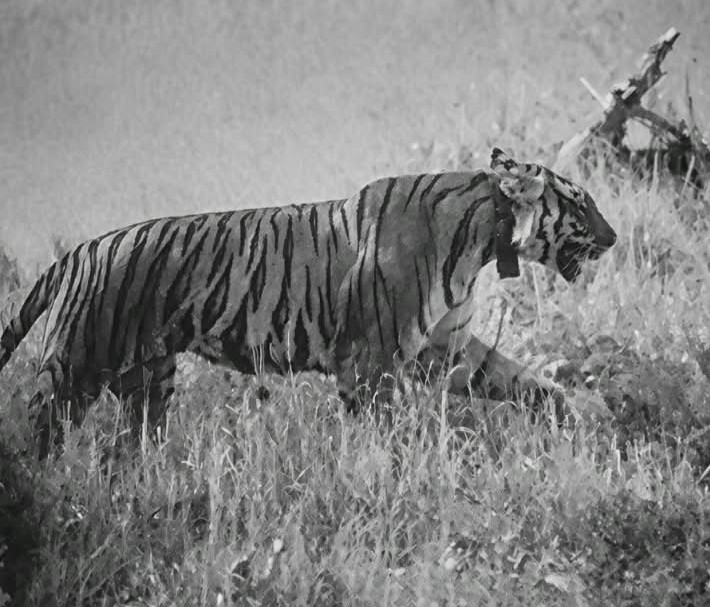
Karanth questioned the then Tiger Census method
In 1986, he conducted a blind experiment using footprint tracings from four captive tigers at Mysore Zoo. Of seven census experts approached, one declined the exercise. The remaining six produced estimates ranging from six to twenty-four individual tigers.
The results demonstrated how Unreliable Footprint Identification could be.
Karanth subsequently worked with scientists including Jim Nichols and J. Andrew Royle to develop and apply more rigorous methods for studying tiger populations. Camera traps, prey surveys and statistical models helped provide a stronger scientific basis for assessing wildlife populations.
The importance of this work extended beyond counting tigers. It challenged the belief that official figures, simply because they came from an established system, were necessarily reliable.
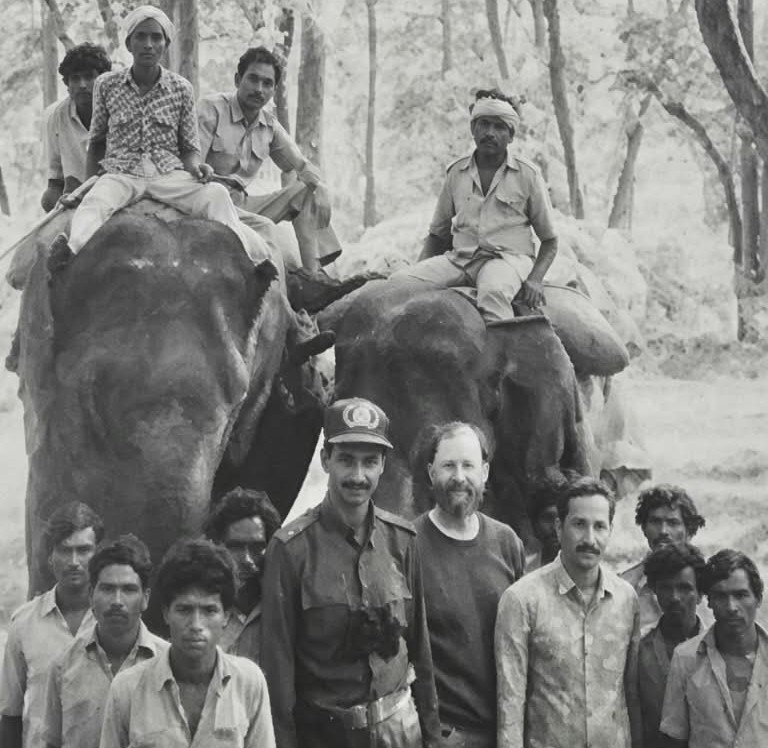
Karanth also trained volunteers to collect systematic wildlife data.
Between 1989 and 2017, more than 800 volunteer naturalists participated in his field programmes, and several went on to become accomplished researchers and conservationists.
For the next generation, this is among the Tiger Memories book’s strongest lessons: experience in the jungle and scientific knowledge must complement each other.
When conservation succeeds & When institutions fail?
The contrast between successful conservation initiatives and failed programmes runs throughout the book. In Bhadra, Karanth describes how voluntary resettlement gained momentum through cooperation between conservationists, forest officials and political leaders.
Minister Govinda Gowda supported the resettlement initiative, while reserve director Yatish Kumar and DC Gopalakrishna Gowda played important roles in its implementation. Families moving out received alternative land and assistance to establish new livelihoods.

Karanth presents these efforts as evidence that conservation and improved living conditions need not always be opposing goals.
The book’s account of Nagarahole’s World Bank-supported eco-development project, however, is sharply different.
Karanth argues that the project diverted attention and resources from wildlife protection towards bureaucratic activities and poorly conceived development measures. A Lokayukta investigation subsequently uncovered serious financial and administrative irregularities.
Disappearance of tigers from Sariska provided another warning
Despite an established forest administration, poaching had wiped out its tigers. Karanth recounts how P.K. Sen raised concerns and journalist Jay Mazoomdar investigated the crisis, exposing the failure of protection.
These episodes demonstrate why conservation cannot be judged merely by budgets, staffing, official reports or the existence of protected areas. What matters is whether wildlife is actually surviving and recovering.
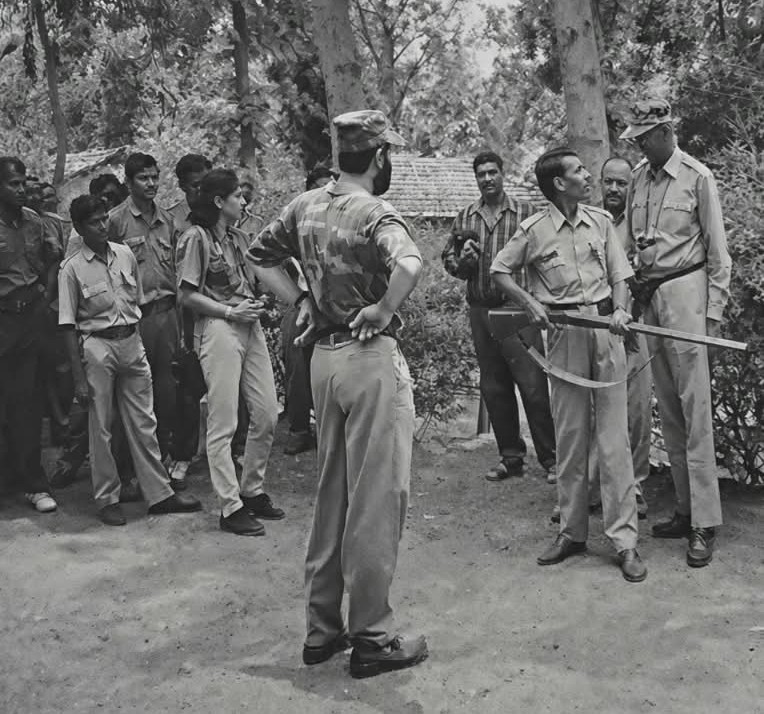
A book that challenges comfortable beliefs
Karanth does not hesitate to question conservation organisations, academics, forest bureaucracies or political decisions. He is particularly critical of approaches that, in his view, place excessive faith in community-based conservation without adequately addressing hunting, habitat loss and competing demands on forests.
He also questions tourism practices that increase pressure on protected areas, and development projects that fragment wildlife habitats. His arguments concerning forest rights, relocation and restrictions on resource use are among the book’s more contentious aspects. Readers may disagree with his interpretations, particularly where conservation priorities intersect with the rights and livelihoods of forest-dependent communities.
Yet these disagreements make the book worth examining critically. Conservation involves difficult choices, and Karanth’s experiences offer a detailed account of one influential perspective.
In his concluding reflections, he also argues that modern technology, better land-use practices and improvements in human welfare can help reduce pressure on natural habitats.
But he does not believe technological progress alone can rescue endangered wildlife. Effective protection, sound science and sustained commitment remain essential.
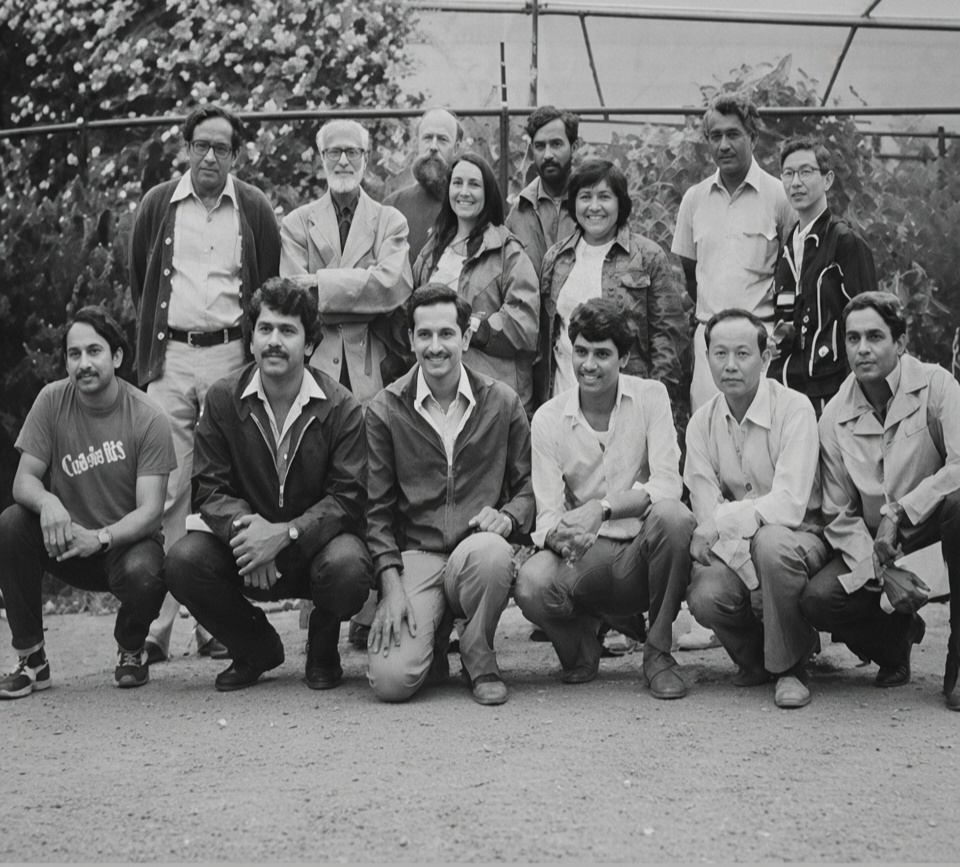
A lesson for the next generation
What matters is whether wildlife is actually surviving and recovering. Perhaps the greatest strength of Tiger Memories is its refusal to separate conservation from the people and institutions responsible for carrying it out.
The forest watcher who notices an unfamiliar track, the ranger who confronts a poacher, the scientist who questions an unreliable estimate, the administrator who supports a difficult decision and the politician who backs effective law enforcement all form part of the same conservation story.
Karanth’s journey also shows that wildlife conservation is rarely a smooth process. Scientific progress faces institutional resistance.
Dedicated officers encounter political pressure. Well-funded projects can fail, while relatively modest efforts can produce lasting results.
Above all, the book encourages upcoming conservationists to develop field skills, understand wildlife biology, examine evidence carefully and recognise the political and social realities surrounding forests.
It is not a book that every reader will agree with. Nor should it be read without questioning its more forceful judgments. Its value lies in the experience, history and scientific debates it brings together.
Six decades after he first became fascinated by India’s forests, Karanth ends his account with optimism about the future of wild tigers.
That optimism, however, rests on a demanding lesson.
A tiger cannot be saved by scientific research alone, by strong laws alone or by political promises alone. Its survival depends on whether knowledge, protection and political commitment can work together, consistently, over many years.
That is the enduring lesson of Tiger Memories, and one that every aspiring conservationist would benefit from understanding.